
 Worksheets
Human Body System
Total questions: 192
Worksheet time: 3hrs 41mins


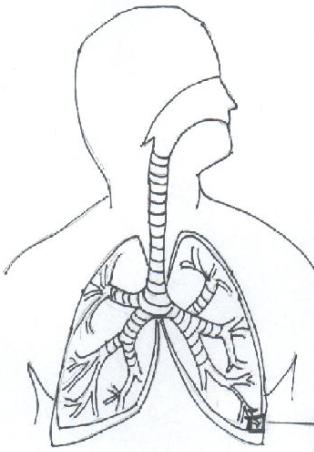
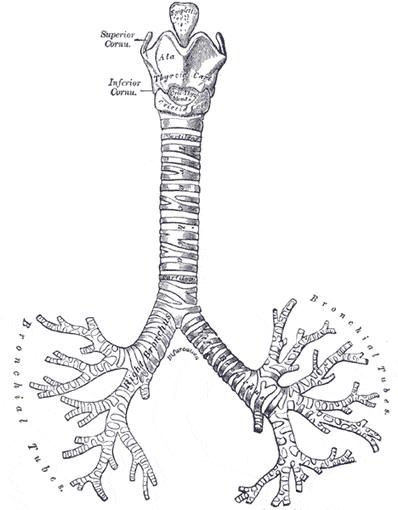


Flap of tissue that covers the opening to the windpipe during swallowing
Pharynx
Trachea
Epiglottis
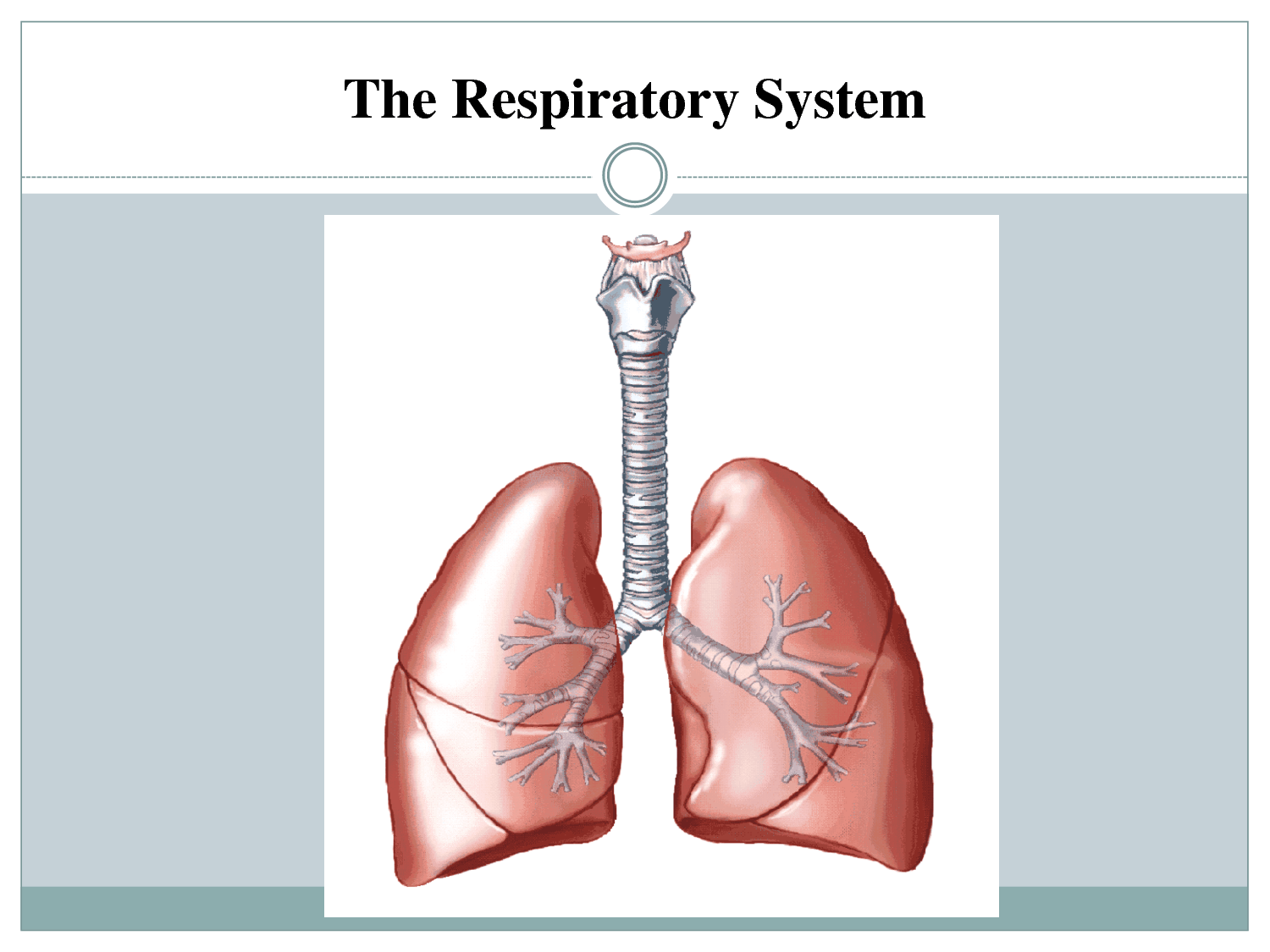
1. larynx
2. nasal cavity
3. pharynx
4. trachea
Which of the following is the correct order that air would flow during inhalation.
The drawing in of breath; inhalation.
Inspiration
Expiration
Breathing out; exhalation of breath.
Inspiration
Expiration
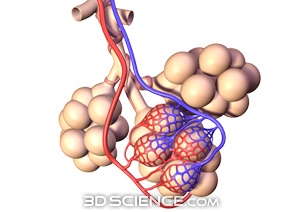
What is the site of gas exchange?
alveoli
nose
lung
bronchi
The process of exchanging oxygen and carbon dioxide in the lungs.
inspiration
expiration
internal respiration
external respiration
The only externally visible part of the respiratory system
Eyes
Nose
Pharynx
Larynx
The division of the trachea forms
nose
main bronchi
lungs
alveoli
Which part of the Respiratory System plays a major role in speech?
nose
pharynx
larynx
trachea
the windpipe; a passage through which air moves in the respiratory system.
trachea
lungs
larynx
bronchi
What does the respiratory system release?
oxygen
glucose
carbon dioxide
ATP
A small flap of tissue that covers the trachea is called the
bronchi
larynx
pharynx
epiglottis
When you exhale, the diaphragm
moves upwards
moves downwards
flattens
none of the above
Which is known as the voice box?
pharynx
larynx
trachea
bronchi
The normal oxygen content of inhaled air is approximately
0.04%
21%
79%
100%
Actions by one thing that have an effect on a different or separate thing
Interactions
Movement
Organ
Function
A process by which animals use oxygen and food to make energy and carbon dioxide
Interactions
Respiration
Function
Organ
What something does
diet
Movement
Organ
Function
a collection of similar tissues that make up a structure that performs a specific function
function
Nervous system
organ
Muscular System
The group of organs that work together to break down food by physical and chemical processes into nutrients that the body can use
digestive system
exercise
Nervous system
organ
Any body movement that requires energy and moves your muscles
function
organ
exercise
nervous system
A group of organs that provide movement and warmth for the body
Muscular System
Organ
Digestive System
Exercise
A group of organs and tissues that sense, transmit, and process information
Organ
Function
Nervous System
Exercise
What an organism eats
Interactions
Respiratory System
respiration
Diet
A group of organs that allow oxygen and carbon dioxide to exchange between the body and the environment
Circulatory System
Respiratory System
Movement
diet
A change in postiton or location
diet
Movement
interactions
mechanical energy
All the energy something has due to its movement and postion
Mechanical Energy
Circulatory System
Respiratory System
Respiration
The group of organs that work together to circulate blood through the body, supply oxygen and nutrients, and remove waste
diet
Respiratory System
Movement
circulatory system
In respiration air enters our body through the...(choose 2)
Nose
Lungs
Skin
Mouth
People who have asthma have problems with their legs.
True
False
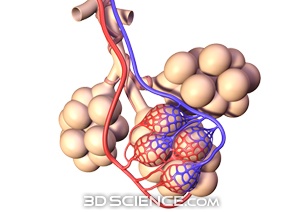
What's the name of the tiny air sacs found at the end of each bronchiole?
Alveoli
Windpipe
Bronchus
Ribs
Which are the bones that protect the organs in the chest?
Ribs
Wings
Intercostal muscles
Bronchioles
It is also called the windpipe...
The bronchus
The alveoli
The trachea
The mouth
It contracts and relaxes to change the volume of the chest, causing the movement of air into and out of the lungs.
Diaphragm
Trachea
Lungs
Intercostal muscles
The process of taking air in is called...
Inhalation
Exhalation
Whistling
Running
When we breathe in we inhale:
Carbon dioxide
Oxygen
Water
H2O
When we breathe in we exhale:
Carbon dioxide
Oxygen
Water
H2O
Which are the smaller tubes found at the end of the bronchi?
Bronchioles
Bronchus
Alveoli
Alveolus
Which organ churns food and uses acid and enzymes to break down food?
stomach
esophagus
mouth
epiglottis
Which of the following is the function of the epiglottis
It is the tube that connects the mouth to stomach
it is a flap of cartilage that keeps food out of the lungs
it is how the stomach connects to the small intestine
I have no idea
What is the function of the teeth and tongue
chemical digestion
break down food
mechanical digestion
they only chew food
What connects the mouth to the stomach
epiglottis
pylorus
esophagus
tongue


the PARTS of the small intestine that helps absorb digested food
stomach
villi
chemical used to digest food
enzyme
saliva
What is the main purpose for the digestive system ?
to protect your organs
to provide you with nutrients and energy
to pump blood and transport oxygen through your boby
to control breathing
What are the steps of the digetive process?
Digestion in the small intestine, chewing, in the stomach, absorption and waste elimination.
Chewing, digestion in the stomach, digestion in the small intestine, absorption and waste elimination.
Chewing, digestion in the stomach, waste elimination, absoption and digestion in the small intestine.
what is the esophagus do
it pushes food into the stomach
?
breaks down food and pushes into stomach
is a long tube that leads to stomach
Food travels down the esophogus to the_______.
Gull bladder
Mouth
Stomach
Small intestine
Why do you have two different structures of teeth
you need teeth to slice and teeth to grind
your teeth were made that way
you don't have two different structures
We need to eat so that our body has the food substances that it needs...
to repair itself
for growth
to get sick
for energy
The process of breaking down foods into smaller parts is called
digestive
indigestion
digestion
digging
The process of breaking down foods into smaller parts happens in the ___ system.
digestive
indigestion
digestion
digging
Our body can easily absorb food without digesting it.
True
False
Digestion starts in the ___.
mouth
nose
stomach
liver
Which organs work to chew our food and start to break it down?
Teeth
Tongue
Saliva
Nose
After we have chewed our food, what mixes with it to help us to swallow it?
Teeth
Tongue
Saliva
Nose
The oesophagus connects the ___ to the ___.
mouth, small intestine
teeth, mouth
mouth, stomach
stomach, liver
In the stomach, food is crushed and mixed with ___.
gases and alkaline
gastric juices and acids
grape juice and apples
gassy drinks and acorns
How long does food usually stay in your stomach?
5 minutes
1 hour
4 hours
1 day
Which intestine does your food reach first?
small
medium
large
extra large
In the small intestine...
waste products pass through until they form solid faeces
water is added to soften the food
digested food is absorbed into the blood
waste products leave the body
Which organ helps to keep digested food until our body needs it?
Lungs
Liver
Small intestine
Large intestine
In the large intestine...
waste products pass through until they form solid faeces
water is added to soften the food
digested food is absorbed into the blood
waste products leave the body
Waste products are food that
cannot be digested
the body cannot use
tastes bad
have been broken down
What is the purpose of the digestive system?
To exchange gasses in your body
to get rid of waste in the body
to break down food into nutrients the body can use
to break down food into oxygen
______ is the watery liquid that begins to chemically break down food in your mouth.
salivary glands
saliva
mucus
water
Food stays in your _____ for hours where it mixes with acid.
small intestines
large intestines
stomach
esophagus
What do you call the organ that takes food from your mouth to your stomach?
acid
stomach
esophagus
villi
Most digestion takes place in this organ. It is really long.
small intestines
large intestines
esophagus
pancreas
Food travels down your esophagus through a wavelike motion called ____.
gravity
falling
peristalsis
squeezing
Digestion begins in the _________________.
liver
mouth
gallbladder
stomach
Which shows the correct order of digestion?
mouth, pharynx, stomach, small intestines, esophagus
pharynx, esophagus, stomach, small intestines, large intestines
mouth, esophagus, large intestines, stomach, small intestines,
stomach, large intestines, esophagus, small intestines
Water from your undigested food is absorbed in the ___________________?
small intestines
stomach
liver
large intestines
The process by which the body breaks down food so that it can be used for energy.
composition
digestion
absorption
What is the correct order of the following processes?
ingestion, digestion, elimination, absorption
digestion, ingestion, absorption, elimination
ingestion, digestion, absorption, elimination
digestion, elimination, ingestion, absorption
What is the best way to keep your digestive system healthy?
Eat your meals quickly
Only eat fruits and vegetables a couple times a week
Eat healthy, well balanced meals
Eat a large late night snack, about 15 minutes before bed
Nausea, heartburn, constipation, upset stomach and diarrhea are all
symptoms of digestive system problems or illness
always preventable
minor problems that should be ignored no matter how long they last
reasons to call 911
When you participate in physical activities, your body requires extra energy. The amount of energy used will depend on
the type of exercise you do
the intensity level of the exercise
the length of time you exercise for
all of the above

______ is the watery liquid that begins to chemically break down food in your mouth.
salivary glands
saliva
mucus
water

Viruses and Bacteria are ___________________.
healthy
green
germs

You can kills germs by ___________________.
washing your hands.
thinking.
eating soap.
If you have an open wound, you should cover it with a ________.


Which of these can you get from germs?
cold
a broken arm
nosebleed

You can't get _________ from germs.
a cold
the flu
sprained ankle

Which are germs?
viruses
bacteria
fungi
all of them

Cover your mouth when you ________ or cough.
laugh
puke
sneeze

_______ can give you athlete's foot.
Fungi
Bacteria
Viruses

Zits are caused by ___________.
Fungi
Viruses
Bacteria

The flu is caused by a ______________.
bacteria
virus
fungi

Germs can be seen with just your eyes.
True
False
The purpose of the immune system is to ....
a. help germs invade your body
c. make your nose run
b. fight of sickness
d. give your diarrhea
The immune system is made up of ....
a. tissues
c. cells
b. organs
d. all of the above
As part of the immune system, white blood cells fight germs. Another name for white blood cells is ....
a. Rhinovirus
c. Glands
b. Leukocytes
d. Nodes
Leukocytes are found in lots of places, including an organ in your belly that filters blood and help fight infections known as the ....
a. heart
c. kidneys
b. spleen
d. brain
The four main types of germs are ....
a. viruses, bacteria, parasites, and fungi
b. viruses, parasites, fungi, and phagocytes
c. parasites, bacteria, lymphocytes, and fungi
d. small, medium, large, and extra large
Getting these when you're young helps your immune system fight off diseases ....
a. stickers
c. shots (immunizations)
b. bandages
d. cough drops
To be "immune" means what?
a. that you are infected
c. that you are more likely to get sick
b. that you are bald
d. that you are protected
Lymph nodes are found in the ....
a. neck
c. groin
b. armpits
d. all of the above
When someone's immune system overreacts to something harmless it's called ....
a. overreactus maximus
c. a sneeze
b. an allergy
d. the measles
Which of the following will not help your immune system?
a. playing sports video games
c. eating healthy food
b. exercising
d. regularly washing your hands
The nervous system is made up of all the following EXCEPT
Brain
Nerves
Muscles
Spinal Cord
The nervous system is broken into 2 major parts, the
Central Nervous System
Pedestrian Nervous System
Peripheral Nervous System
Whole Nervous System
The nervous system includes sensory organs (eyes, ears, skin)
True
False
The left side of your brain controls the _______ side of your body.
Right
Left
Front
Back
When you smash your finger, it takes your brain a ________ time to process the pain signal and tell your hand to move.
long
very long
Short
very short
When you want to go for a run, your nervous system tells your ________ system what to do.
Respiratory
Digestive
Skeletal
Muscular
When you need to use the bathroom, your excretory system sends a signal to your ________ system to let your body know that it's time....
Skeletal
Nervous
Circulatory
Respiratory
Stand up, run in place for 30 seconds (actually do it!). What body systems were involved in the exercise you just did? (check all that apply)
Nervous system
Respiratory system
Circulatory System
Muscular system
Skeletal system
In what way did your nervous system help when you ran in place for 30 seconds? (check all that apply)
Your nervous system told your muscles what to do (contract and relax)
your nervous system told your circulatory systemto pump faster because your muscles needed more oxygen
your nervous system told your respiratory system to breather faster to get more oxygen in quicker
your nervous system told your digestive system to pause on digesting food because it needed more blood to transport the oxygen your muscles need
your nervous system told itself to start making sweat to help cool your body down
When your get scared, your nervous system goes into
walk and talk mode
fight or flight mode
sit and lounge mode
chill mode

This part of the brain helps with balance and coordination by controlling how the the muscles work together.
cerebrum
cerebellum
brain stem

This part of the brain is the center of conscious thought. It controls our voluntary muscle movements like running and talking as well as our senses (hearing and tasting).
cerebrum
brain stem
cerebellum

Several important involuntary functions, such as breathing and heartbeat, digestion, and sleep are controlled by the
Hippocampus
cerebellum
brain stem or medulla
Cerebrum

A nerve cell is called a
cardiac cell
neurons

An example of voluntary movement would be:
Dancing
heart beat
digestion
breathing

TRUE or FALSE: All nerves have the same job. For example, they all carry messages to the brain
TRUE
FALSE


The nerves in your fingertips are part of the ___ nervous system
central
peripheral

Select all that apply: The function of the nervous system is to control
voluntary movement
our senses (sight, hearing, touch, taste..)
our memories and thoughts
Involuntary actions likes breathing and heart beat

Two major branches of the nervous system
central and peripheral
peripheral and motor
motor and sensory

The nervous system is composed of the ___, ___, and ___.
heart, brain, kidneys
lungs, liver, stomach
brain, spinal cord, nerves

The brain is part of the ____ nervous system.
central
peripheral


This is part of our central nervous system and is responsible for connecting the brain to the rest of the body.
Brain
Spinal Cord
Neurons
This is part of our central nervous system and is the "control center" of the body. It controls body functions.
Brain
Spinal Cord
Neurons

The cerebrum contains the prefrontal cortex which is responsible for...
our heart beat
our breathing
our short term memories
movements

The hippocampus is the part of the brain that
our heart beat
our breathing
Stores our short term memories
processes memories and stores them long term.

The brain stem or medulla is the part of the brain that controls
involuntary processes like breathing, heart rate, digestion, and sleep
processes memories and stores them long term.
our short term memories
Nerves are made up of nerve cells called
cardiac cell
neurons
What is true about nerves?
Nerves all have the same job - to send messages TO the brain and spinal cord.
Nerves all have the same job - to send messages AWAY the brain and spinal cord.
Nerves all have different jobs -some only send messages TO to the brain and spinal cord with other only send messages AWAY from the brain and spinal cord.

What organ is # 3?
Stomach
Bladder
Kidney
Heart
How many kidneys do you have?
1
3
5
2
What is the process carried out in the Excretory System?
The skin
The urina
The waste
The heart
The job of your kidney is to...
Pump your blood
Clean blood, sending waste to bladder
Send signal to tour brain
Cut down foods into smaller pieces
What organ remove waste gases?
Lungs
Large intestine
Bladder
Kidneys
True or False:
Kidneys filter waste from blood.
False
True
What is the job of your Excretory System?
To bring oxygen into your body
To break down food
To pump blood around the body
To remove waste from your body
Why is your skin part of the excretory system?
Sweating geta rid of carbon dioxide
Sweating gets rid of salt and water
Exhaling releases carbon dioxide
The large intestine releases feces
Which of the following is NOT part of your excretory system?
Skin
Heart
Lungs
Kidneys
Why digestive system is considered as kind of excretory system?
The large intestine releases feces
Exhaling releases carbon dioxide
Sweating get rid of carbon dioxide
Sweatinf get rid of salt and water
The body has how many kidneys?
1
2
3
What are the waste products excreted through your skin when you sweat?
germs
viruses
water and salts
What organ filters waste from the blood?
kidneys
bladder
liver
lungs
Urine flows from the
bladder to the kidneys
kidneys to the bladder
stomach to the kidneys
Which word describes the function of the nephrons?
tubes
store
filters
collect
What is the main function of our excretory system?
to break down food
to create insulin
to get rid of waste products from your cells
to circulate your blood
Where is urine stored before it is pushed out of the body?
bladder
kidney
liver
heart
Place the events of the urinary system in order.
1. urine passes through the ureters
2. urine is stored in the bladder
3. blood enters the kidneys
4. urine enters the urethra
1. blood enters the kidneys
2. urine passes through the ureters
3. urine is stored in the bladder
4. urine passes through the urethra
Blood being pumped into the kidneys where it is filtered is an example of which two systems working together?
muscular and skeletal
excretory and circulatory
circulatory and digestive
excretory and digestive
True or False. The lungs excrete oxygen from the body.
True
False

