
Font size
 Worksheets
Circulatory System Review
Total questions: 75
Worksheet time: 39mins
Arteries carry oxygen rich blood away from the heart.
True
False
Veins carry oxygen poor blood back to the heart.
False
True
The heart is about the size and shape of your . . .
head
fist
hand
foot

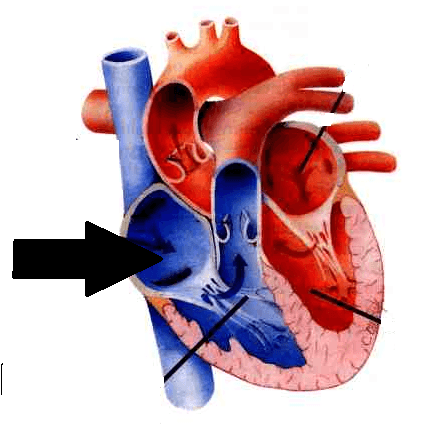
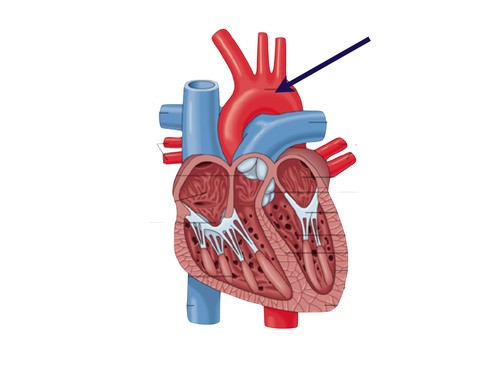
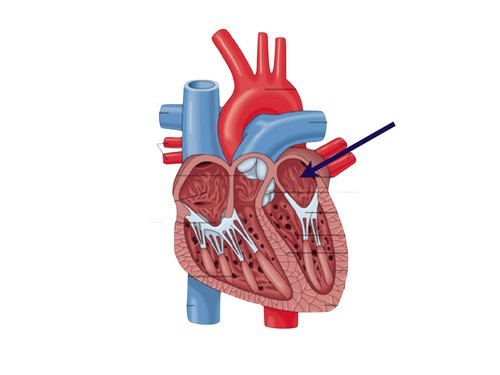
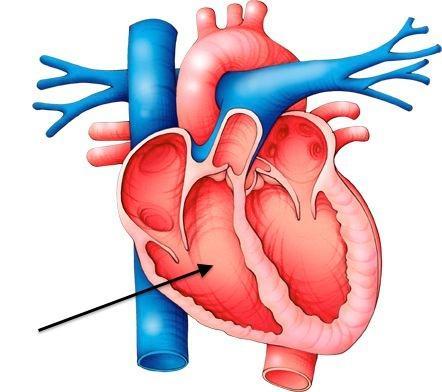
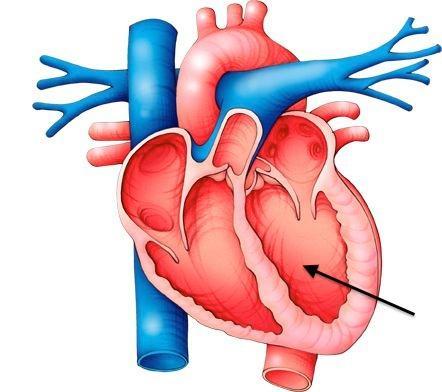
This chamber of the heart RECEIVES oxygen rich blood back from the lungs
Right Atrium
Left Atrium
Right Ventricle
Left Ventricle
This chamber of the heart pumps the blood from the heart to the lungs through the pulmonary artery
Right Atrium
Left Atrium
Right Ventricle
Left Ventricle
This chamber of the heart pumps the blood back out to the body cells through the Aorta
Right Atrium
Left Atrium
Right Ventricle
Left Ventricle
What is the function of the inferior vena cava?
Carry deoxygenated blood from the lower body to the right atrium.
Carry oxygenated blood from the lower body to the right atrium.
Carry deoxygenated blood from the upper body to the right atrium.
Carry oxygenated blood from the upper body to the right atrium.
Veins carry blood ____________________ to heart while arteries carry blood _____________________________ the heart.
toward, away from
away from, toward
Put the flow of blood through your heart in order. Start with deoxygenated blood coming to the heart.
Right atrium
Right ventricle
lungs
left atrium
left ventricle
_________________ are thinner-walled vessels containing valves, while ______________________ are thicker-walled vessels.
Arteries, veins
Veins, arteries
Capillaries, veins
Arteries, capillaries
Which of the following does NOT belong in the cirulatory group?
capillaries
veins
Large intestine
arteries

When the heart contracts _____
blood leaves the heart
blood stays in the heart
blood goes into the heart


State the general relationship between exercise and heart rate in humans.
If a person exercises, then their heart rate will not change
If a person exercises, then their heart rate will increase
If a person exercises, then their heart rate will decrease
Person exercising and heart rate are not related
Type of circulation that refers to blood flow from the heart to the lungs and back to the heart again?
Systemic circulation
Renal circulation
Portal circulation
Pulmonary circulation
Type of circulation that refers to the blood flowing through the entire body?
Systemic circulation
Renal circulation
Portal circulation
Pulmonary circulation
The contraction/emptying phase of the cardiac cycle?
Systole
Diastole
The relaxing/filling stage of the cardiac cycle?
Systole
Diastole
Coronary arteries...
supply the heart muscle cells with a supply of blood.
supply the brain cells with a supply of blood.
contain deoxygenated blood.
when clogged, cause a stroke.
The type of blood vessel that normally carries de-oxygenated blood back to the heart from body cells?
arteries
capillaries
veins
The type of blood vessel where exchange of gases, nutrients, and wastes occurs?
arteries
capillaries
veins

The main vein(s) that brings blood to the right atrium?
Aorta
Pulmonary veins
Superior and Inferior vena cava
Jugular vein
The sac that surrounds and protects the heart?
endocardium
epicardium
myocardium
pericardium

Instrument used to measure blood pressure?
AED
ECG
Sphygmomanometer
ultrasound

Name part I.
pericardium
mediastinum
septum
unknownum

Name part M.
Tricuspid valve
Semilunar valve
Bicuspid valve
Mitral valve

Which type of blood vessel carries blood TO the heart?
Arteries
Capillaries
Veins
Venules

Arteriosclerosis is when...
blood pressure increases.
plaque builds up in the veins.
artery walls become thicker.
blood pressure decreases.

What is blood pressure?
Pressure of the blood against the walls of the veins.
Pressure of the heart pushing the blood out.
Pressure of the heart receiving blood.
Pressure of the blood against the walls of the arteries.

1. vascular spasm
2. ___________
3. coagulation
Which blood type is the universal donor?
O+
O-
AB+
AB-
What blood type is the universal recipient?
O+
O-
AB+
AB-
A patient with B+ blood needs a transfusion. Which of the following types can donate to the patient? Select all that apply.
B-
O+
AB-
O-
Which of the following determines the blood type?
Antigen
Antibody
Someone with both Type A & B antibodies is which blood type?
A
B
AB
O
Someone with Type A blood has...
A antigens
A antibodies
B antigens
A & B antigens
This determines whether a person's blood type is positive or negative...
Rh factor
platelets
D antibodies
plasma
Someone with Type AB blood has...
Both A & B antibodies
No antibodies
only A antigens
only B antigens
Name the proteins on the surface of red blood cells.
Antibodies
Antigens
Plasma
Collagen
What type of antigens can be found on the surface of RBC's when someone has blood type O?
A
B
AB
none
Where are antibodies located?
surface of red blood cells
surface of white blood cells
plasma
surface of platelets

Blood type is determined by the antigens present on the surface of RBCs.
True
False
What inheritance patterns makes the blood type AB possible?
incomplete dominance
multiple alleles
codominance
total dominance
What are present in veins but absent in arteries?
smooth elastic tissues
muscular tissues
valves
How many layers of cells make up the wall of a capillary?
1
2
3
4

Large amounts of elastic fibers help arteries to
not allow any backflow of blood.
stretch and recoil to help push blood along it.
help maintain blood pressure.
carry out peristalsis.
What are the three kinds of blood vessels in the human body?
Veins, Capillaries and Vena Cavas
Veins, Aorta, and Vena Cavas
Aorta, Capillaries and Veins
Capillaries, Veins and Arteries

What is the job of the arteries?
To take blood throughout the body
To take blood away from the heart
To take blood throughout the heart
To take blood to the heart

What is the function of veins?
To take blood away from the heart
To take blood throughout the heart
To take blood throughout the body
To take blood to the heart

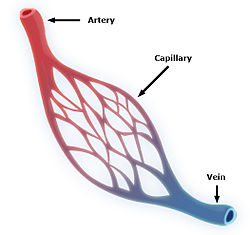
Is this an artery or a vein?
artery
vein
Place the following in order according to flow AWAY from the heart.
elastic artery
muscular artery
arteriole
venule
medium/large veins
Place the vessels in the CORRECT order oxygenated blood travels in them after it leaves the HEART in the Aorta on the way to the body's tissues
artery
arteriole
capillary
venule
vein

