
 Worksheets
Biology Semester A Review (2023-2024)
Total questions: 100
Worksheet time: 1hrs 19mins


Which of the choices below normally goes on the X axis of a graph?
the independent variable
the dependent variable
control group
constants
Which of the choices below normally goes on the Y axis of a graph?
the independent variable
the dependent variable
control group
constants
Which laboratory procedure would be best for demonstrating the effect of light intensity on the production of chlorophyll in pea plants?
Using 10 plants of different species, each grown in the same intensity of light.
Using 10 plants of different species, each grown in a different intensity of light.
Using 10 plants of the same species, each grown in the same intensity of light.
Using 10 plants of the same species, each grown in a different intensity of light.

What percentage of people like Dogs the most?
120%
40%
110%
33%
The part of an experiment that is used as a baseline for comparison is the ____________ _____________ (two words).
(a)
Which is an example of a lipid?
fat
starch
glucose
hemoglobin

The best definition of "organic" in biology would be:
to have carbon bonded to hydrogen

What is shown in the image?
carbohydrate
lipid
protein
nucleic acid
The complete hydrolysis of a nucleic acid would result in the formation of...
nucleotides
amino acids
monosaccharides
proteins
All living things are made of...
viruses
cells
bacteria
plants

The DNA provides the instructions to make proteins. The organelle that does the job of making proteins is the ...
nucleus
mitochondria
endoplasmic reticulum
ribosome
chloroplast
Performs cell respiration
mitochondria
ribosomes
lysosomes
nucleolus
Nannette looks at some cells under the microscope and sees that they have a cell wall, flagella, and ribosomes. She does not see a nucleus. These are most likely _______________ cells.
plant
animal
eukaryotic
prokaryotic


What am I?
Nucleus
Golgi Body
Mitochondrion
Cell Membrane

What type of cell am I?
animal
plant
prokaryote
eukaryote
Cannot be determined

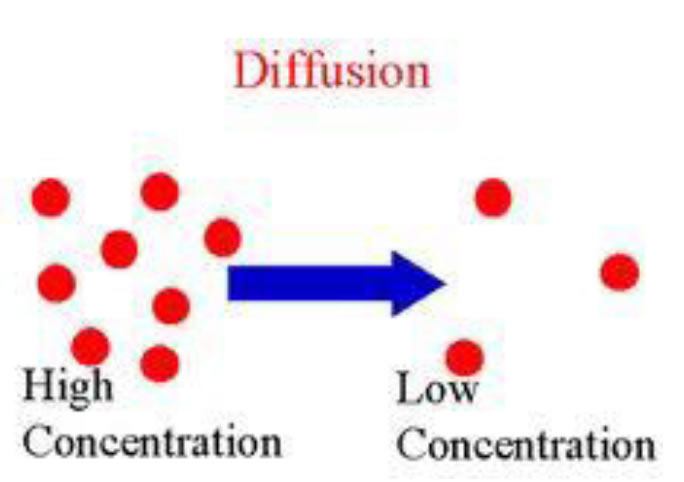
This egg has shrunk, what type of solution was it placed in?
hypotonic solution
hypertonic solution
isotonic solution


Fill in the blank:
Osmosis is the movement of ________ across a cell membrane from high to low.
Carbon dioxide
Starch
Water
Oxygen

After examining this diagram showing the concentration of water inside and outside of the cell, identify the tonicity of the solution.
isotonic
hypotonic
hypertonic

Which part of the phospholipid is hydrophobic?
The head
The tails
Only one tail
The heart
True or False: The phospholipid bilayer forms with the hydrophobic heads facing outwards and the hydrophilic tails facing inwards
True
False
How is cholesterol important to the cell membrane?
Allows for flexibility in the membrane to expand and contract
Cholesterol is a channel protein that allows substances through
Cholesterol clogs the arteries of the cell
Cholesterol is not a critical component of cell membranes because all cholesterol is bad

The reactants of photosynthesis are
sugar and water.
sugar and oxygen.
carbon dioxide, water, and sunlight.
carbon dioxide and oxygen.

What are the products of photosynthesis?
Carbon dioxide and water
Carbon dioxide and oxygen
Glucose and oxygen
Glucose and water
What pigment absorbs sunlight for photosynthesis?
chloroplast
xylem
stomata
chlorophyll
Which of the following is the correct equation for PHOTOSYNTHESIS?
6CO2 + 6H2O + sunlight --> 6O2 + C6H12O6
6CO2 + C6H12O6 + 6H2O --> O2 + sunlight
6O2 + 6H2O+ sunlight --> 6CO2 + C6H12O6
C6H12O6+ 6O2 ---> 6H2O + 6CO2+ sunlight

Small openings on the underside of the leaf used for gas exchange are called
stomata
xylem
phloem
roots
Photosynthesis transforms light energy to _____________ energy to make glucose
chemical
solar
radiant
heat

Plants look green because chlorophyll ____________RED and BLUE wavelengths of light and reflects GREEN/ YELLOW wavelength of light back to our eyes.
absorbs
reflects
C6H12O6 + 6O2 → 6CO2 + 6H2O + ATP
Some cells in your body can switch to anaerobic respiration (fermentation) when they lack ______________.
ATP
oxygen
carbon dioxide
lactic acid
Which one of these does not add CO2 to the atmosphere?

Plants reduce the amount of carbon in the atmosphere by taking it in and converting it into...
oxygen
glucose (sugar)
water
methane
What organisms below do respiration?
Animals only
Plants only
Animals and plants

A group of organs that work together to do a job in an organism. Examples include digestive and skeletal
tissues
Atoms
Organ systems
Cells

A group of similar cells that work together to do a job. Examples include nervous and muscular
organ system
Organism
Tissues
Macromolecule

A group of tissues that works together to do specific job in the body. Examples include heart and lungs.
organs
organelles
organisms
atoms
The correct order of organization from SMALLEST to LARGEST is...
cells, macromolecules, organs, tissues, organ systems, organisms
cells, macromolecules, tissues, organs, organ systems, organisms
organisms, organ systems, macromolecules, cells, tissues, organs
macromolecules, cells, tissues, organs, organ systems, organisms

Connective and epithelial are examples of
Tissues
Organs
Cells
Organ systems

The image shows which level of organization?
organ
organism
cell
tissue

The brain can send signals to the skin to begin sweating. This demonstrates which two systems interacting?
Respiratory and circulatory
Endocrine and reproductive
Nervous and digestive
Nervous and integumentary

The kidney is part of which system?
Digestive
Reproductive
Urinary
Nervous
The byproducts in cellular respiration are removed by blood and leave the body as expelled air or as urine. Which two systems help in this process?
nervous and excretory
circulatory and digestive
excretory and respiratory
respiratory and nervous

This system regulates body functions by secreting hormones.
Endocrine System
Muscular System
Cardiovascular System
Nervous System
A patient has a novel disease caused by a virus. The patient continues to get a variety of minor infections that would normally be fought off easily. This virus may be affecting the patient's ______________ system.
nervous
muscular
immune
endocrine
When glucose levels in the blood rise, your brain sends a signal to your pancreas. The pancreas releases insulin, which opens channels in cell membranes to allow glucose to enter the cell, lowering blood sugar levels. This is an example of a:
Positive Feedback Loop
Negative Feedback Loop
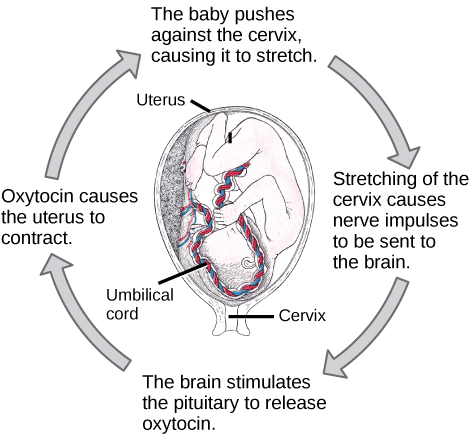
When you get cut, your skin cells release hormones that signal platelets to come and stop the bleeding. Platelets then release more hormones that signal even more platelets to help stop bleeding. The hormone signals continue until the cut is closed. This is an example of what type of feedback?
Positive Feedback Response
Negative Feedback Loop

The organ/cells that carry out the response
control center
receptor
thermoregulation
effector

Which of these types of cells would likely have a high number of mitochondria?
muscle cells
skin cells
osteocytes
red blood cells

A sperm's tail is called its ______________________.
midpiece
head
flagellum
cilia
Which type of specialized cell carries oxygen from the lungs all over the body?
red blood cells
squamous (skin) cells
muscle cells
white blood cells (macrophages)
nerve cells (neurons)

Red blood cells have a disk-shape with a lot of surface area.
This statement describes a STRUCTURE.
This statement describes a FUNCTION.

What is a STEM CELL?
Cells found in the stems of plants.
Cells that can differentiate into specialized cells.
Cells that control your genes to be expressed.
Cells that provide nutrients to your blood.

The function of cell D is to _____________.
deliver oxygen throughout the body
push materials through the body
fight off disease
carry nerve impulses
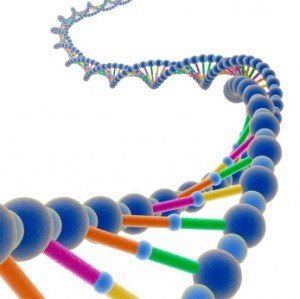

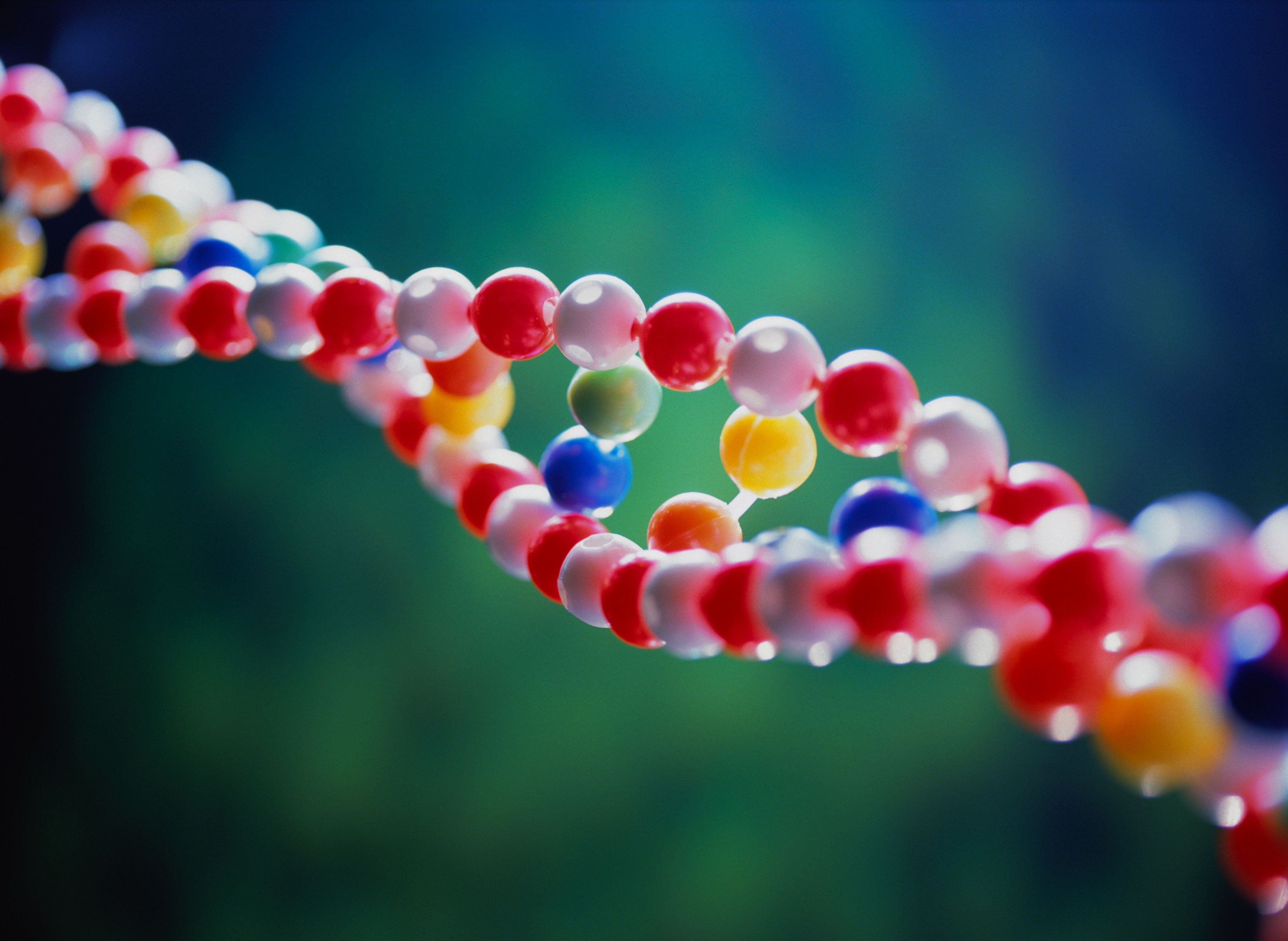
Why is DNA important?
it is very small and very complicated
it's in everything
it serves as the blueprint for proteins
because we eat it every day for energy
What is the correct complementary strand for the following DNA? ATCGAG
TACGAG
ATCGAG
TAGCTG
TAGCTC
If a segment of DNA had 42% cytosine, what percentage of thymine would you expect?
8%
16%
21%
42%
Impossible to tell
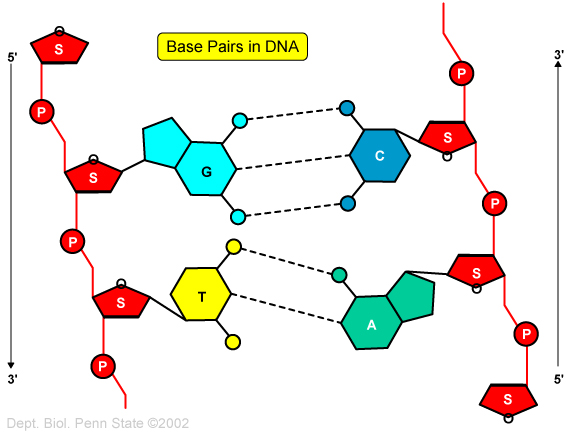

Which letter in the picture below depicts the lagging strand in DNA replication?
A
C
B
None of the above

GTAGTCA
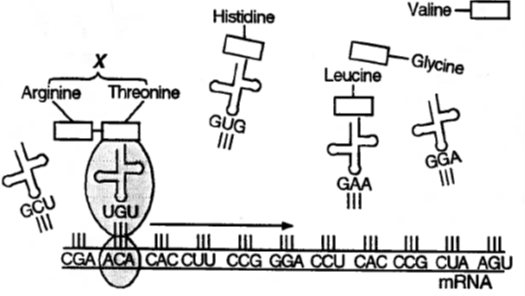

Which amino acid would be coded for by the codon AGA?
Ser
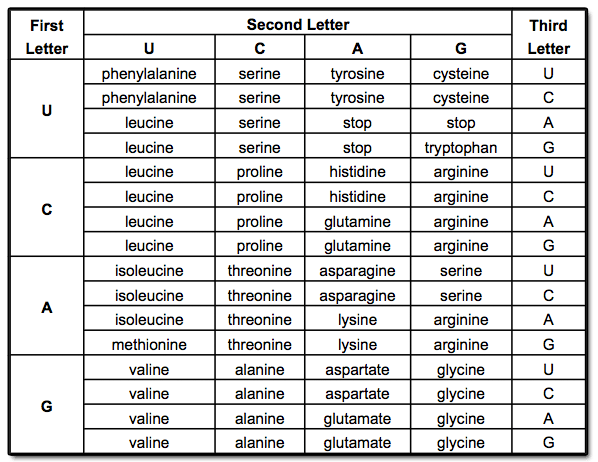
What is the correct amino acid sequence for the mRNA code: AUG CCA GUA UGA
What mutation has occurred here?
T-G-A-C-C-A
T-G-A-G-C-A
Substitution
Deletion
Insertion
Frameshift
Most mutations are ______________.
neutral
harmful
beneficial
A mutation is defined as:
A change in the cell's structure
Anything that changes in an embryo
Any change in the physical features of a human
A change in the DNA sequence
Why are insertion and deletion (frameshift) mutations so harmful?
They change all of the codons from the mutation on down the line, which changes the amino acid sequence
They insert things that an organism doesn't need.
They often delete things that organisms need.
Insertion and deletions are not any more harmful than substitution mutations.
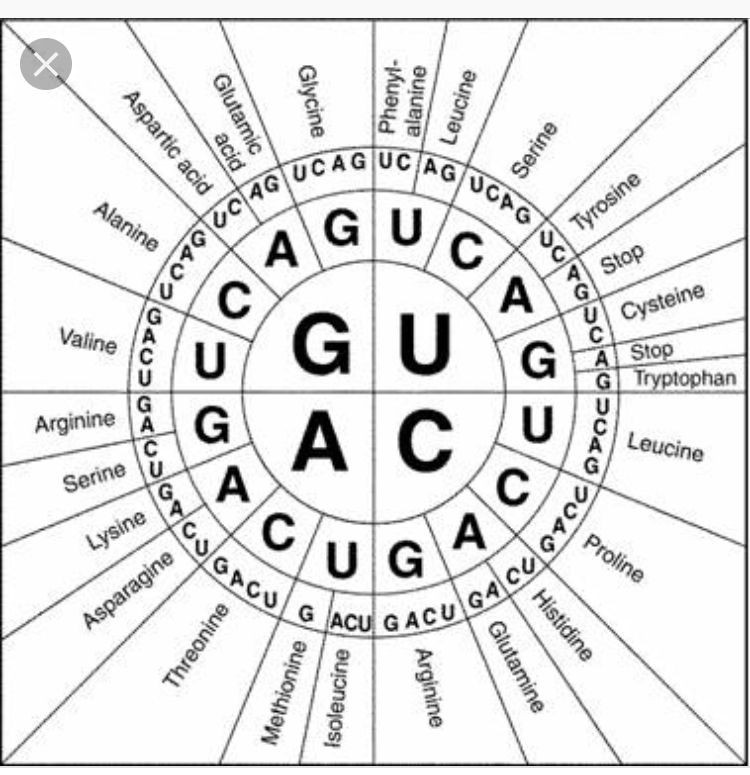
If UCU is changed to UCC in a mRNA transcript, this is a _______________________________.
silent mutation
missense mutation
nonsense mutation
frameshift mutation
Mutations can be beneficial because they increase genetic _____________________ and can make the individual and species more likely to survive.
diseases
complications
disorders
diversity
T/F: If you go outside in freezing weather, homeostasis will cause you to shiver to compensate. Thus, homeostasis will always keep you safe no matter the outside conditions.
True
False
Which best describes the stimulus-response model?
Stimulus -> receptor -> effector -> control center -> response
Stimulus -> receptor -> control center -> effector -> response
Stimulus -> effector -> control center -> receptor -> response

