
Font size
 Worksheets
Environmental Organization Quiz
Total questions: 68
Worksheet time: 2hrs 57mins
Part of the environment made of living things.
The part of the environment consisting of nonliving factors.
List and describe 5 levels of Environmental Organization.
Organism, Population, Community, Ecosystem, Biosphere
Cell, Tissue, Organ, Organ System, Organism
Atom, Molecule, Macromolecule, Cell, Tissue
Individual, Species, Genus, Family, Order
A group of individuals of the same species that live in a specific geographical area is known as _.
All populations of a species that live in the same habitat and interact with each other is known as _.
A community of living organisms (biotic factors) in an area as well as its physical environment (abiotic factors) is known as _.
The place on Earth's surface where life exists is known as _.

Identify the abiotic factors.
Fungi
Water

What are producers?
Organisms that produce their own food
Consumers that eat other organisms
Decomposers that break down dead matter
Organisms that do not require food
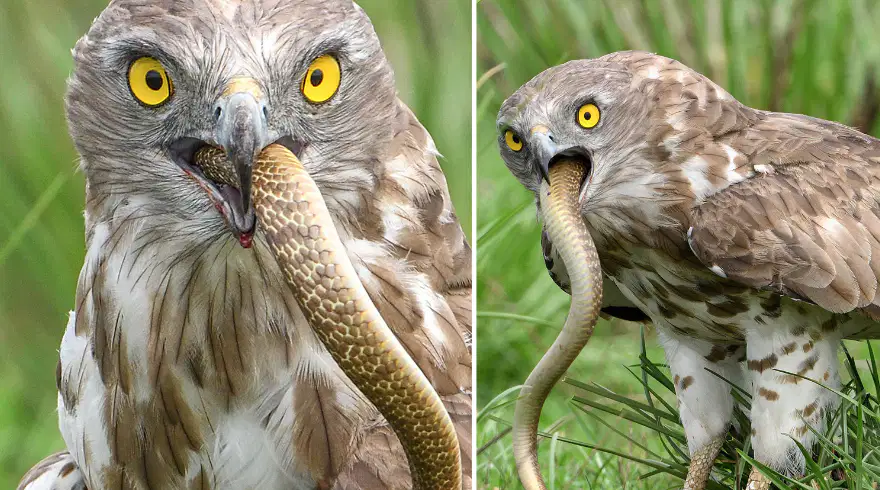
What is a consumer in biology terms?
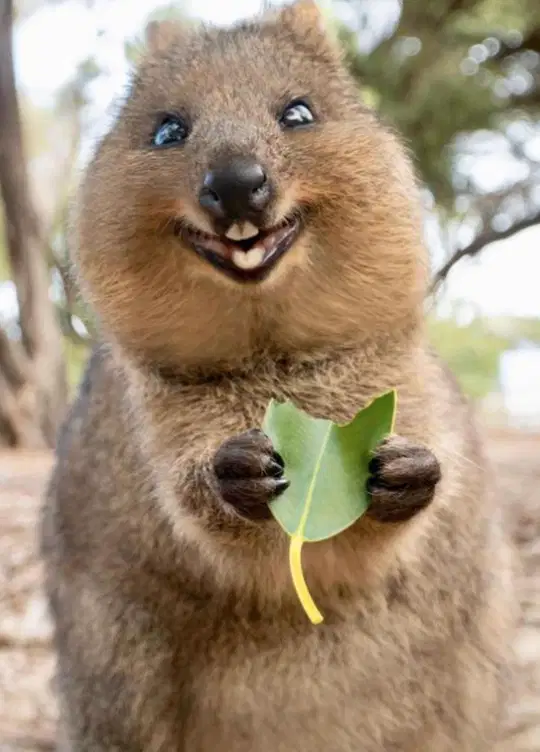
A herbivore eats _?

A carnivore eats _?
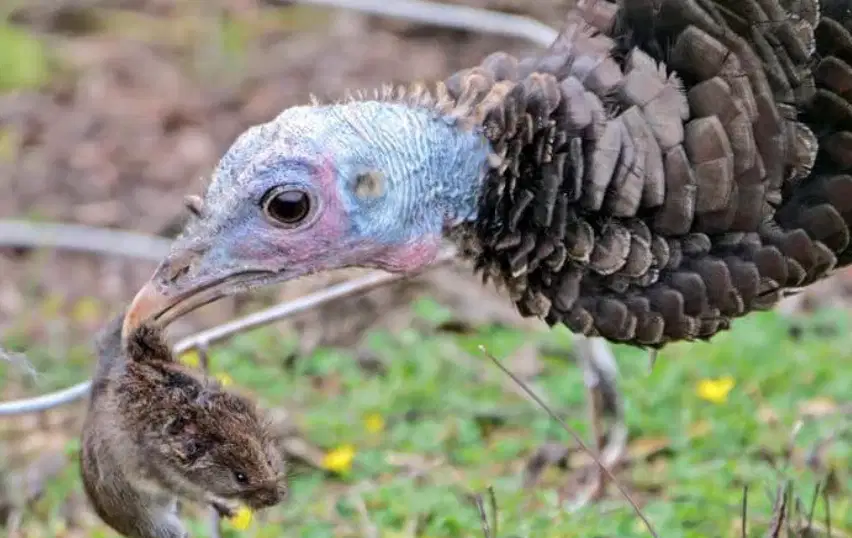
An omnivore eats _?
Only plants
Only meat
Both plants and meat
None of the above

A scavenger eats _?
Plants
Fresh meat
Carrion
Fruits
What does the word autotroph mean?
An organism that can produce its own food
An organism that relies on other organisms for food
A type of carbohydrate
A process in cellular respiration
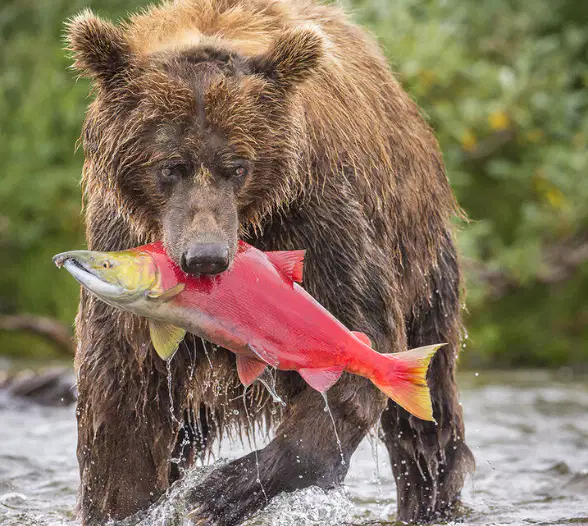
What is a heterotroph?
An organism that produces its own food
An organism that consumes other organisms for food
A type of plant that eats insects
A mineral essential for plant growth
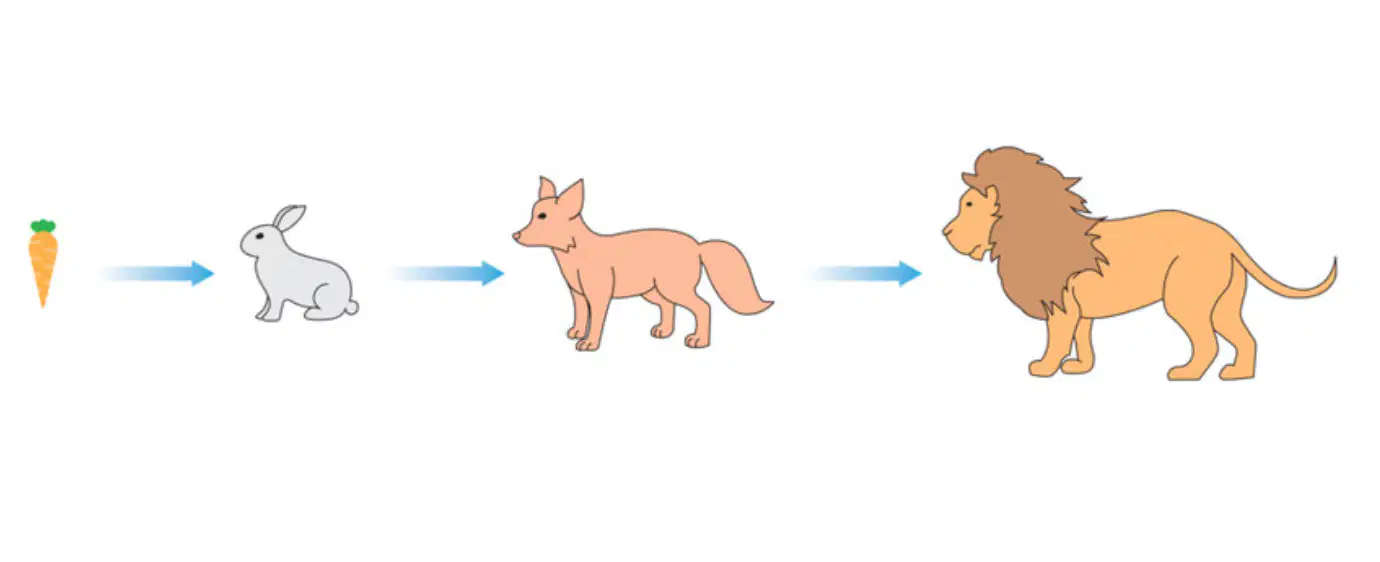
What is a primary consumer?
An organism that produces its own food through photosynthesis
An organism that feeds on producers
An organism that feeds on secondary consumers
An organism that decomposes dead matter
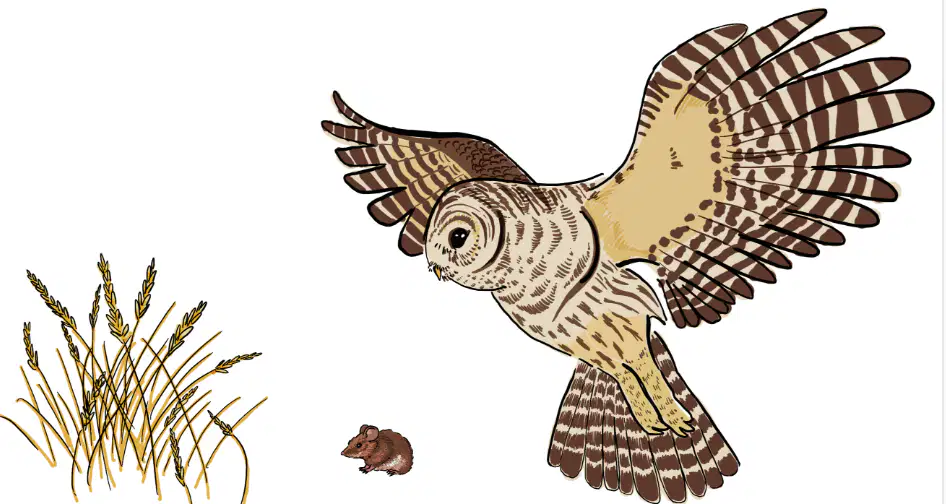
What is a secondary consumer?
An organism that produces its own food
An organism that eats primary consumers
An organism that decomposes dead matter
An organism that eats plants

What is a tertiary consumer?
An organism that produces its own food
An organism that eats primary consumers
An organism that eats secondary consumers
An organism that decomposes dead matter
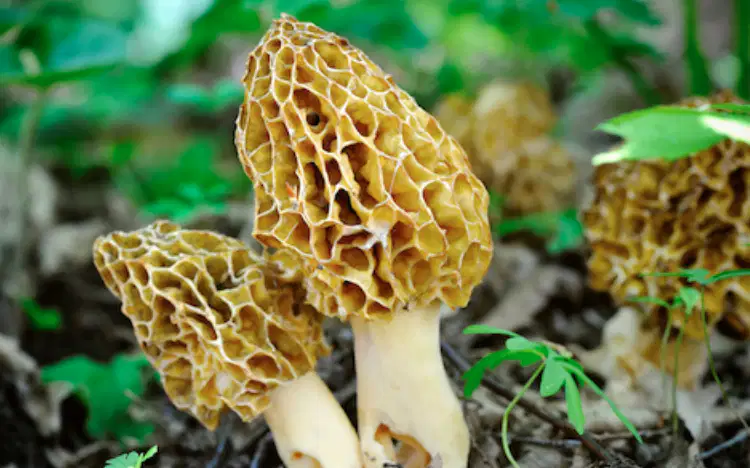
What is a decomposer?
An organism that breaks down dead or decaying organisms
An organism that produces its own food through photosynthesis
An organism that feeds on living plants and animals
An organism that lives in water and filters nutrients
What is a trophic level?
A category of organisms that are linked by their feeding position in a food chain
A type of biological classification for plants
A measurement of water depth in marine biology
A classification for different types of soil in an ecosystem

Answer the following questions from the following food web. What does the fox say eat?
Squirrel
Berries
Both mouse and berries
Great Horned Owl
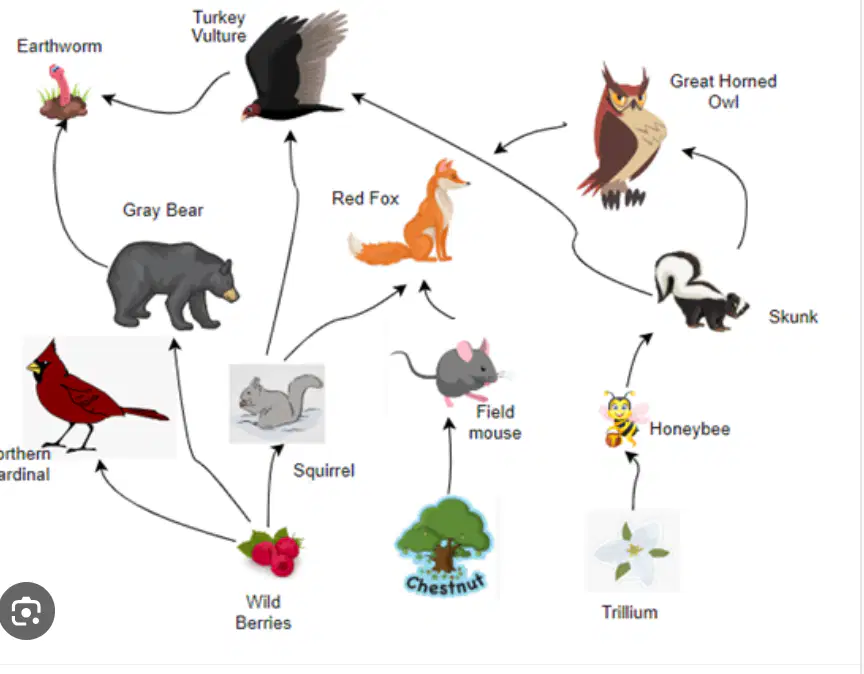
What level of consumer is the owl?
Primary Producer
Primary Consumer
Secondary Consumer
Tertiary Consumer
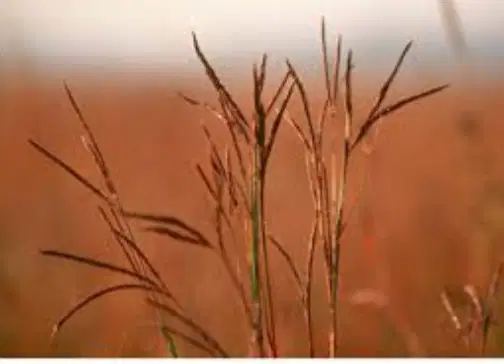
What trophic level is grass?
Primary consumer
Secondary consumer
Producer
Tertiary consumer
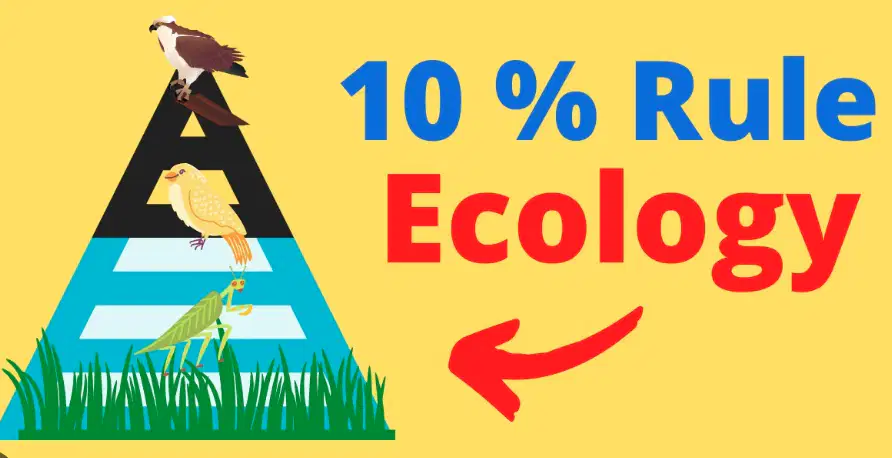
What is the 10% rule?
A principle in environmental science that states only 10% of energy is passed on from one trophic level to the next
A financial rule to save 10% of one's income
A guideline in project management to allocate 10% of the total work hours for contingency
A dietary rule to limit sugar intake to 10% of daily calories
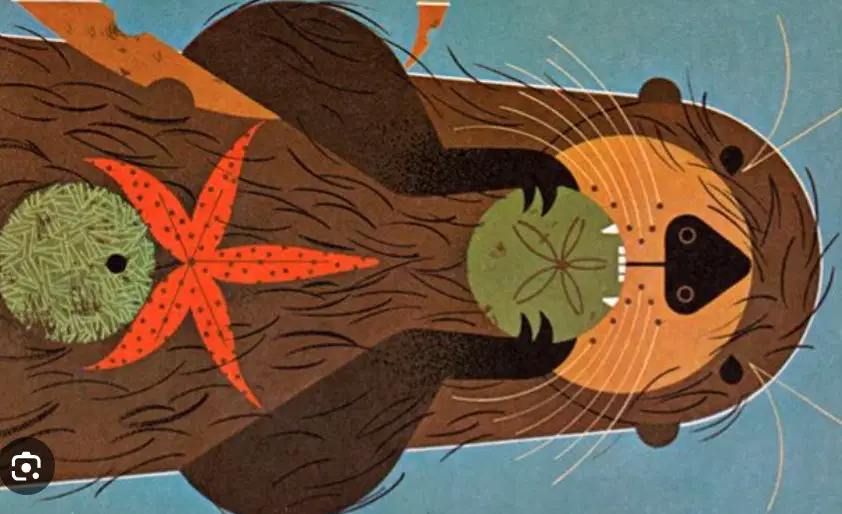
What is a keystone species?
A species which is hunted for its valuable skin
A species that plays a critical role in maintaining the structure of an ecological community
A species that is most abundant in an ecosystem
A species introduced from another ecosystem
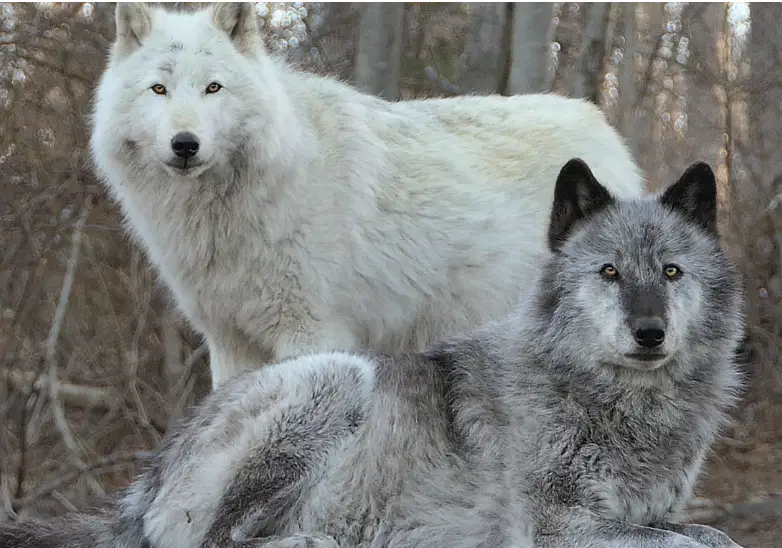
What is a trophic cascade?
A natural process that starts at the top of the food chain and works its way down
A type of waterfall found in tropical forests
A method of farming that increases crop yield
A weather phenomenon causing heavy rainfall

Why do species have more babies than could possibly survive?
To ensure the survival of the species by increasing the chances that some will survive
Because of unlimited resources in their habitats
To increase genetic diversity within the species
All of the above
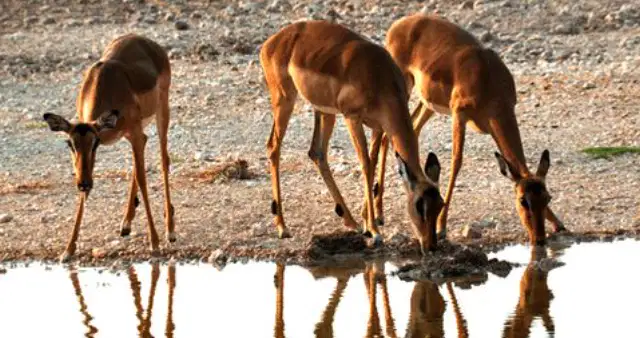
What is meant by limiting factors in biology?
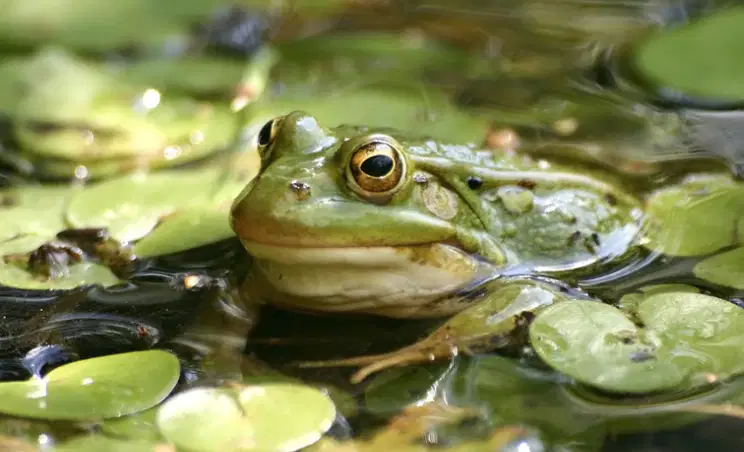
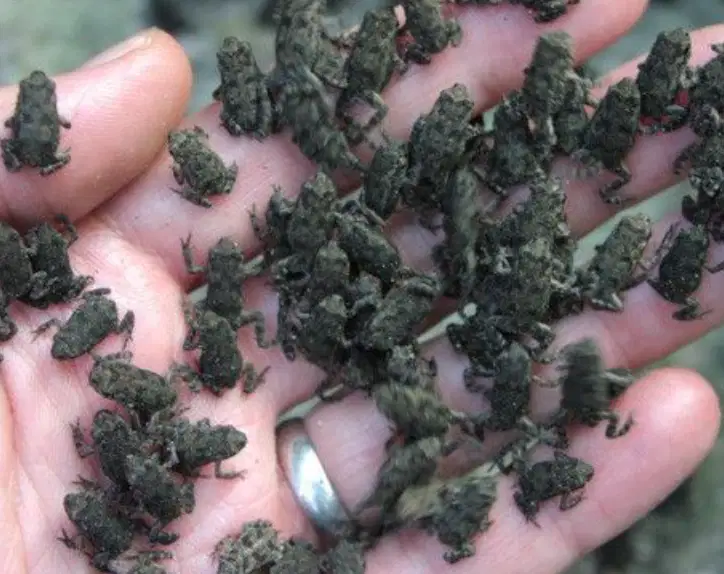
List 2 limiting factors for baby frogs in a pond?
Predation and disease
Sunlight and soil type
Availability of food and habitat space
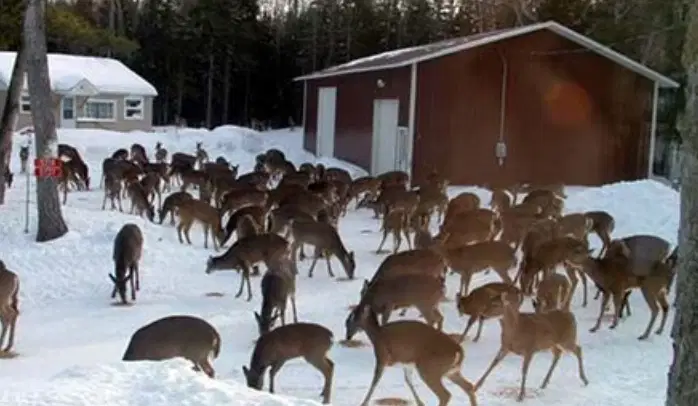
What is carrying capacity?
The maximum population size of the species that the environment can sustain indefinitely
The speed at which a population grows in an environment
The total number of species in a specific habitat
The amount of resources consumed by a population
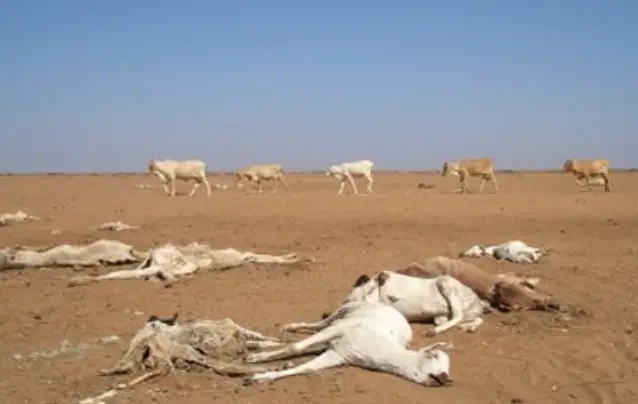
How would drought affect carrying capacity of herbivores?
Increase the carrying capacity
Decrease the carrying capacity
No effect on the carrying capacity
Only affects aquatic herbivores
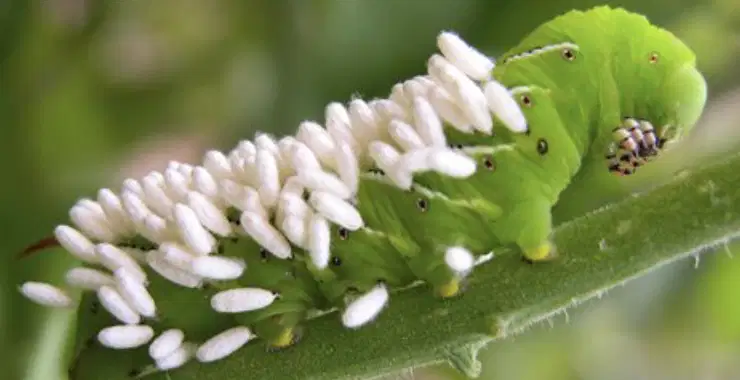
What 4 ways species & individuals affect each other?
Predation, Competition, Mutualism, Commensalism
Habitat destruction, Pollution, Overfishing, Climate change
Migration, Hibernation, Camouflage, Mimicry
Photosynthesis, Respiration, Transpiration, Decomposition
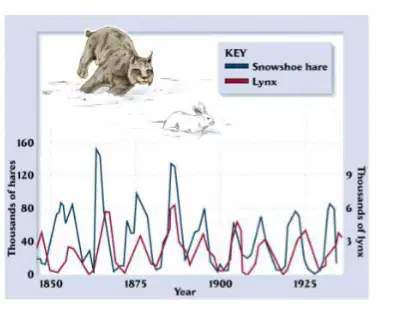
What does the graph show us about the predator-prey relationship?
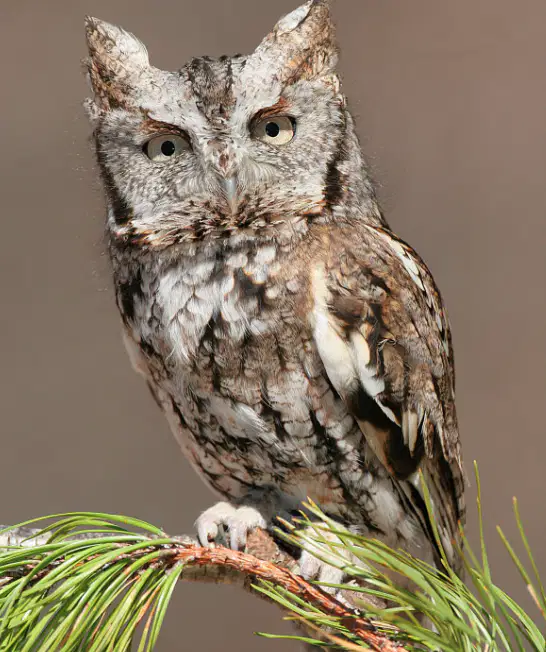
What are some adaptations made by predators?
Sharp teeth and claws
Ability to fly
Photosynthesis
Gills for breathing underwater
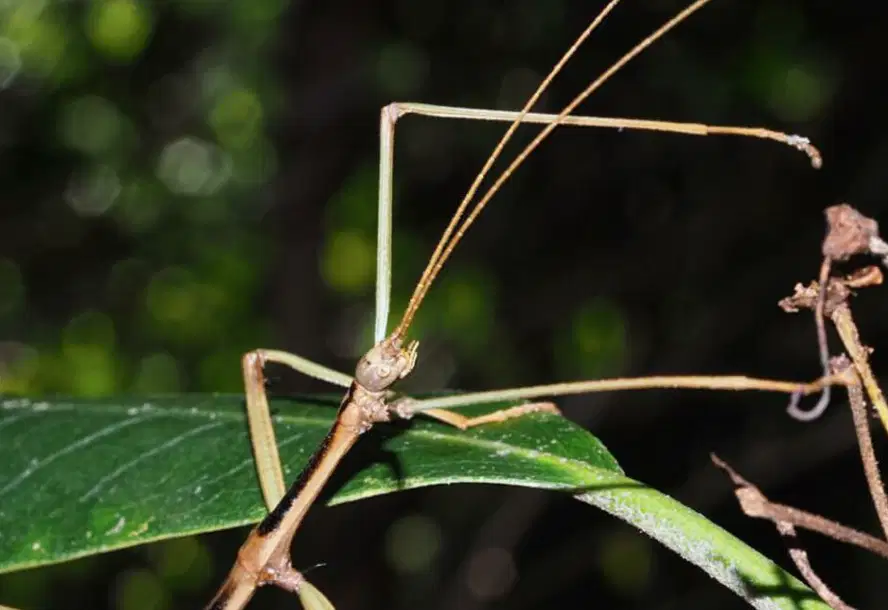
What are some adaptations made by prey?
Camouflage
Mimicry
Speed
All of the above
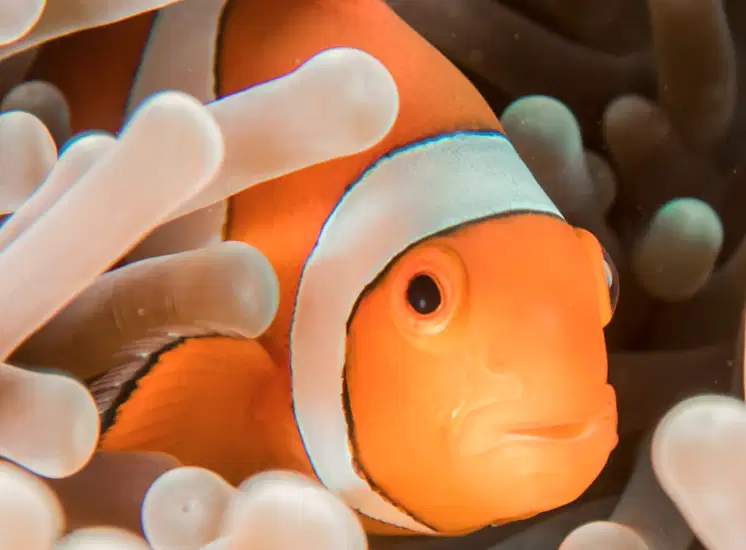
What is a symbiotic relationship?
A relationship between two people
A relationship between two different species that live together and benefit from each other
A type of competitive relationship in nature
A scientific term for a food chain
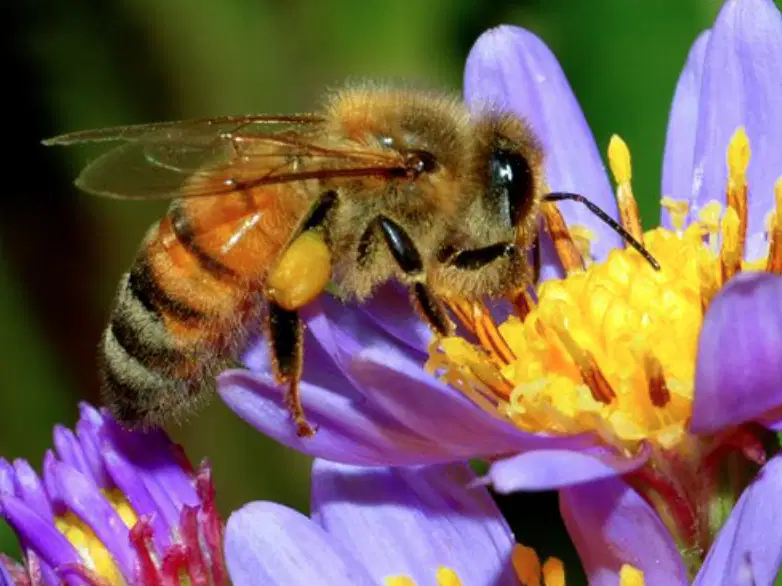
What is mutualism?
A symbiotic relationship where both parties benefit
A type of competition between two species
A relationship where one organism benefits and the other is harmed
A process where an organism lives independently
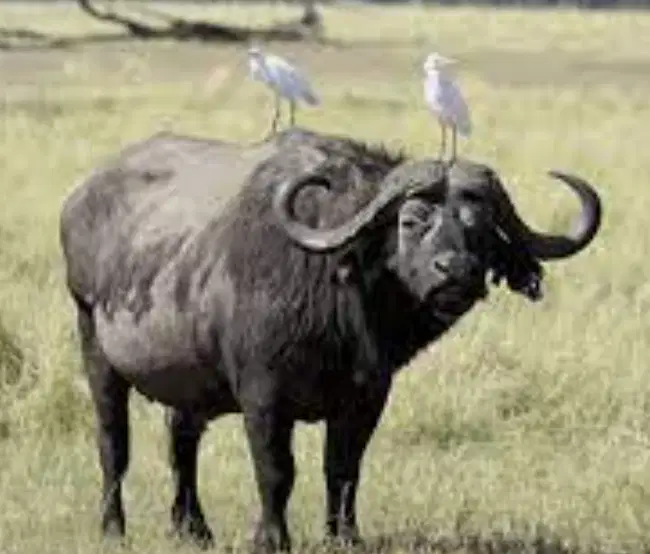
What is Commensalism?
A relationship where one organism benefits and the other is neither helped nor harmed
A relationship where both organisms benefit
A relationship where one organism is harmed and the other benefits
A relationship where both organisms are harmed
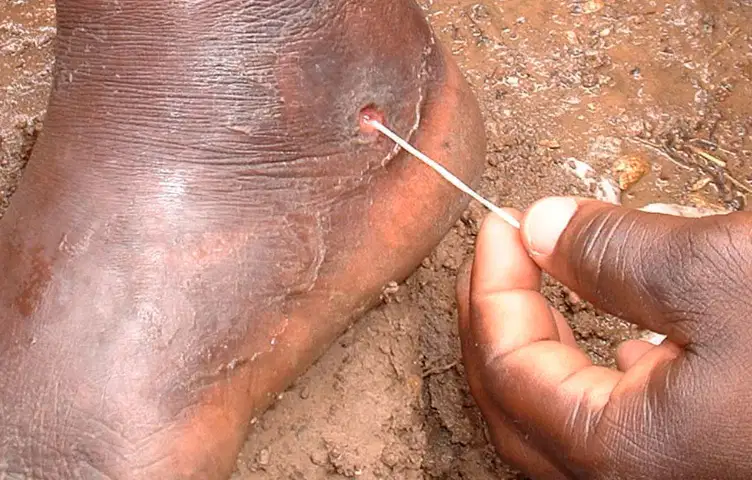
What is Parasitism?
A relationship where one organism benefits and the other is harmed
A relationship where both organisms benefit
A relationship where one organism benefits and the other is unaffected
A non-interactive relationship between two organisms
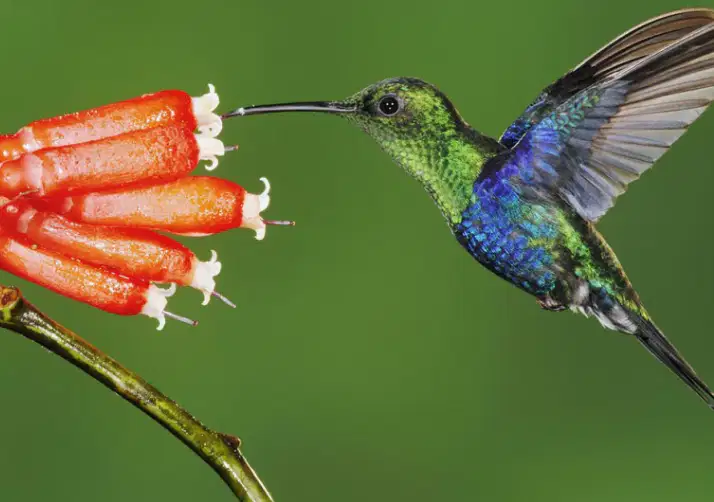
What is coevolution?
The process by which two or more species evolve in response to changes in each other
The evolution of a single species over time
A theory that describes how the universe was formed
The study of how living organisms interact with their environment

What is a fitting description for this diagram?

The Mayfly is a food source for which 3 organisms?

The trout is a source of food for the human and the eagle. When there are more than one organism vying for the same source we call this____?
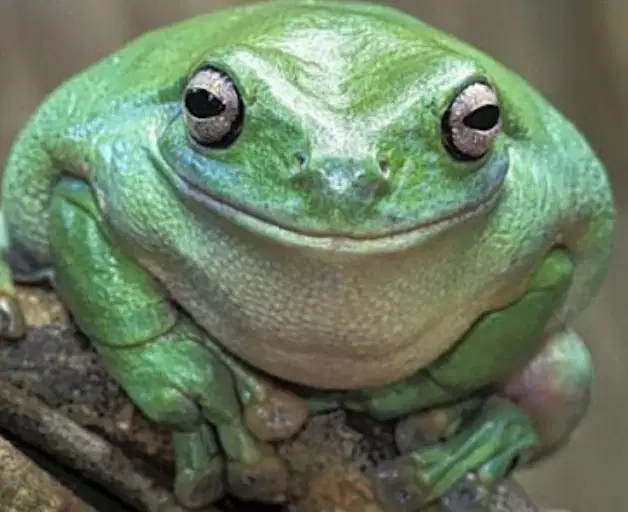

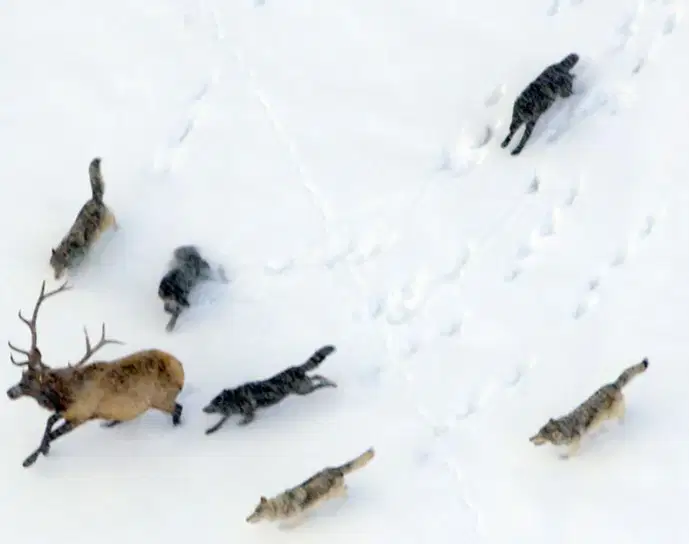
What is a keystone species?
A species that is most abundant in an ecosystem.
A species that plays a critical role in maintaining the structure of an ecological community.
A species that has no predators in its ecosystem.
A species that can live in a variety of ecosystems.
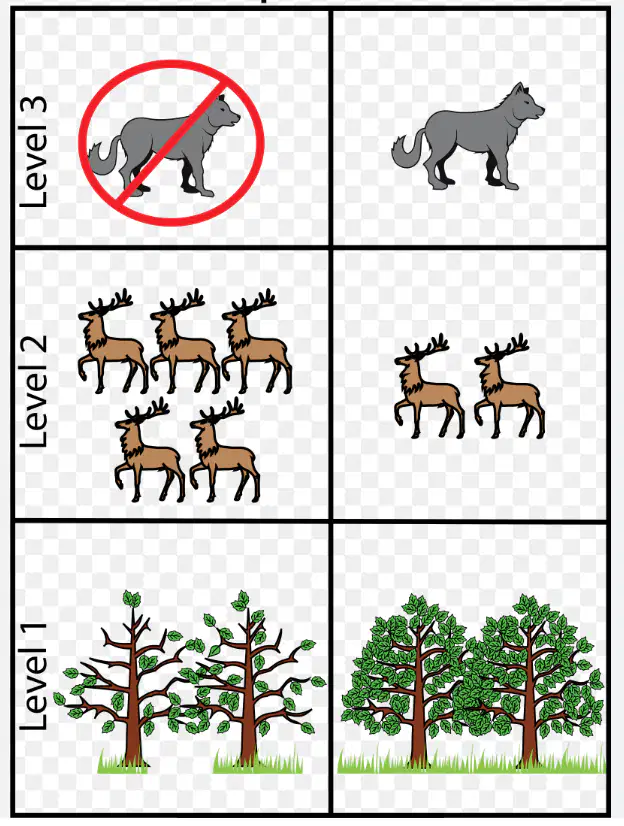
What is a trophic cascade?
A process where nutrients flow from one trophic level to another.
A series of secondary extinctions triggered by the primary extinction of a key species in an ecosystem.
The migration of species from one habitat to another.
The increase in population size of a species at the bottom of the food chain.
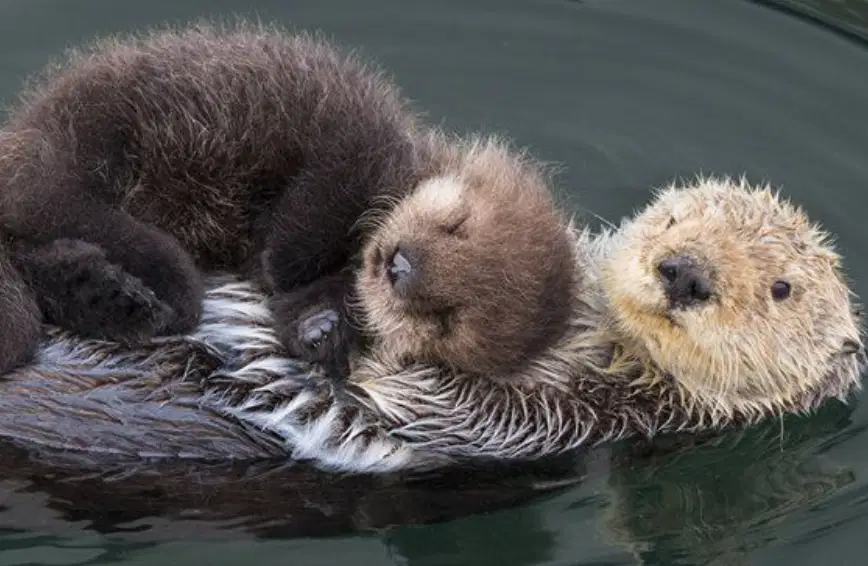
How can the removal of a keystone species affect an ecosystem?
It can increase biodiversity.
It can lead to a more stable ecosystem.
It can cause a trophic cascade and disrupt the ecosystem balance.
It has no significant effect.

In a food chain, what is the primary source of energy?
Carnivores
Herbivores
Decomposers
The Sun
Which of the following best describes a food web?
A linear sequence of who eats whom in an ecosystem.
A single pathway of feeding relationships among organisms in an ecosystem.
A complex network of feeding relationships among organisms in an ecosystem.
A graphical representation of the energy flow in an ecosystem.
What happens to energy as it moves up the food chain?
It increases exponentially.
It remains constant.
It decreases due to energy loss at each trophic level.
It is completely recycled.
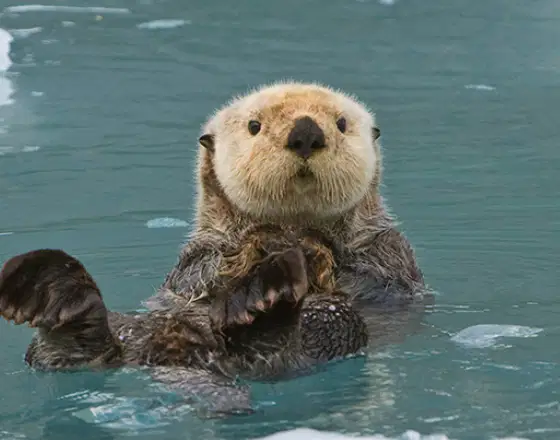
Why are keystone species important for biodiversity?
They are the most numerous species in their ecosystems.
They provide food for all other species.
They help to maintain the structure and integrity of the ecosystem.
They have no predators, ensuring their survival.
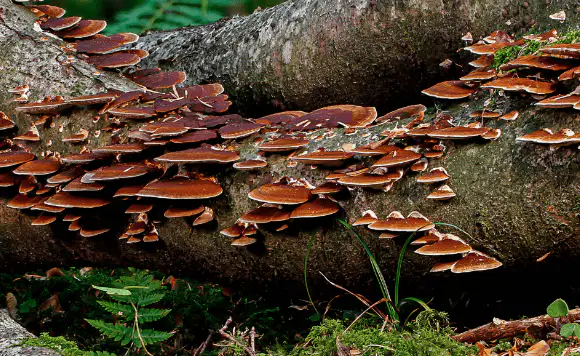
What role do decomposers play in a food web?
They produce their own food through photosynthesis.
They consume living plants and animals.
They break down dead organisms, returning nutrients to the soil.
They are the primary source of energy in an ecosystem.
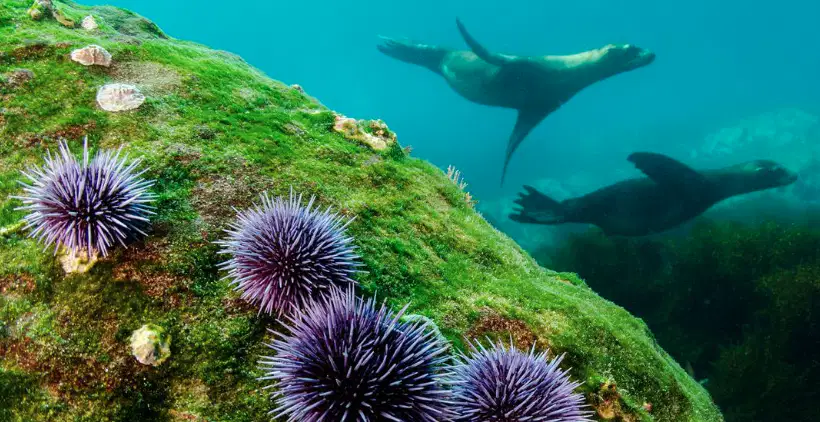
What could be a direct consequence of removing a top predator from an ecosystem?
A decrease in the population of primary consumers.
An increase in the diversity of plant species.
A decrease in the overall biodiversity of the ecosystem.
An increase in the population of herbivores, leading to overgrazing.
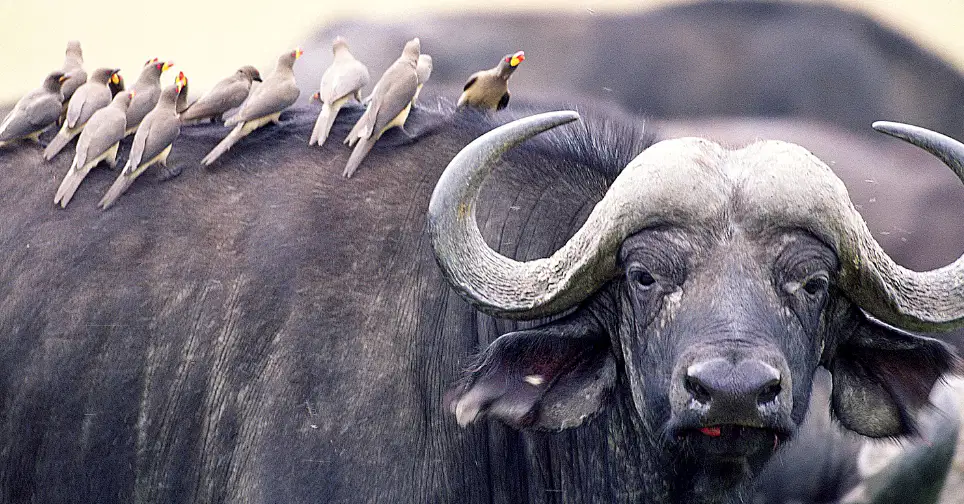
Which of the following is an example of symbiosis?
A mother bear taking care of her cub.
A married couple who agree to split the rent and share chores.
A worm living in a cow's intestine.
One chimp cleaning and grooming the hair of another chimp.
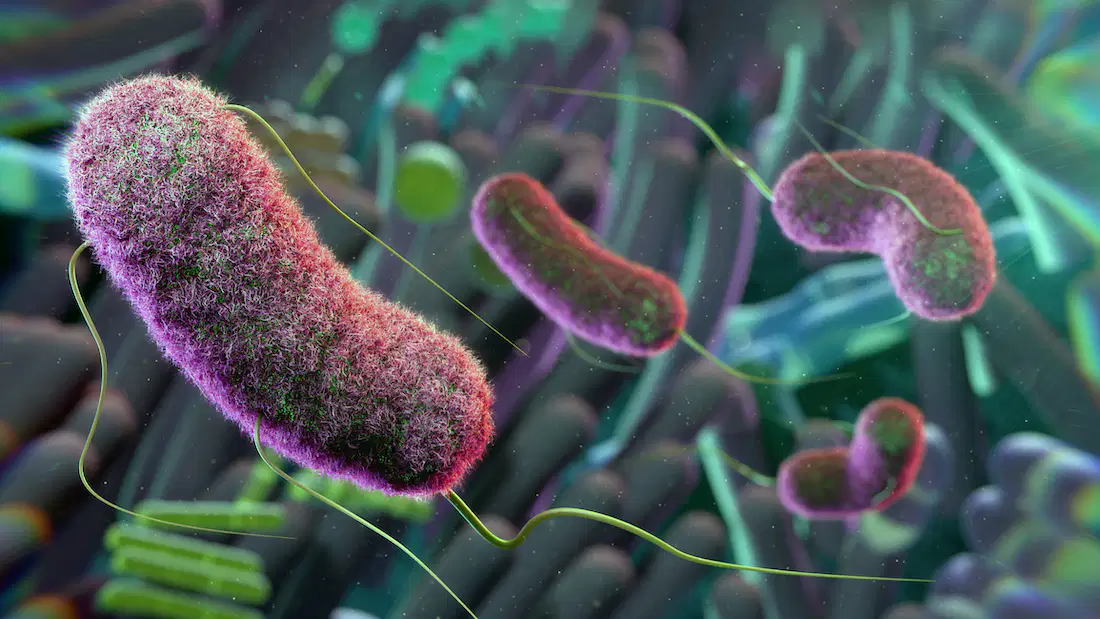
What might happen if we didn't have bacteria living in our intestines.
We might not be able to go to the bathroom.
We might not be able to digest certain kinds of foods.
We might get sick less often.
Viruses and parasites might be able to invade our digestive system.

When a honeybee pollinated flowers, the bee gets access to nectar, while the flowers gain the chance to reproduce. This is an example of:
Commensalism
Parasitism
Amensalism
Mutualism

Remoras are fish that swim alongside sharks, eating scraps that the shark leave behind. This is an example of:
Parasitism
Commensalism
Mutualism
Amensalism

Clownfish live inside sea anemones. They eat creatures that harm the anemones, while the anemones protect the clownfish from predators. This is an example of:
Mutualism
Commensalism
Parasitism
Amensalism

Mistletoe is a plant that grows in the branches of other plants. It grows by taking nutrients and water from these plants. This is an example of:
Mutualism
Commensalism
Parasitism
Amensalism
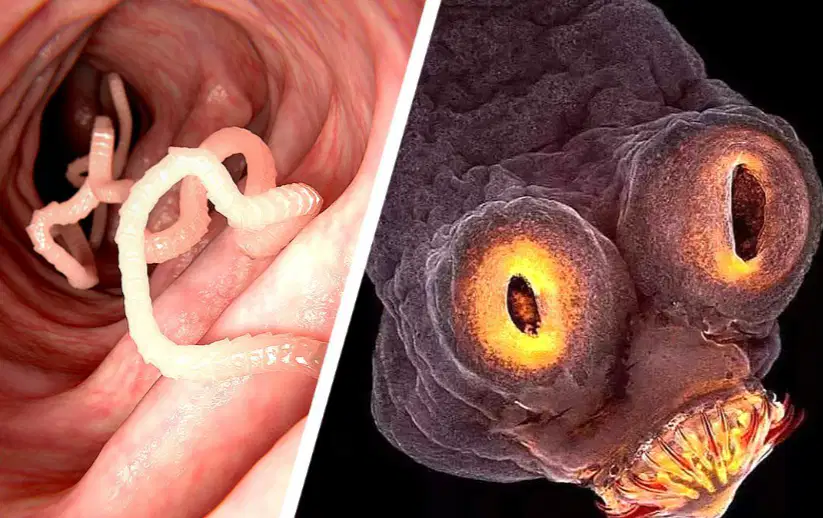
Scientifically, what can you infer about parasites?
They are evil
They are extremely small
They only affect mammals
Most of them cannot survive without a host organism
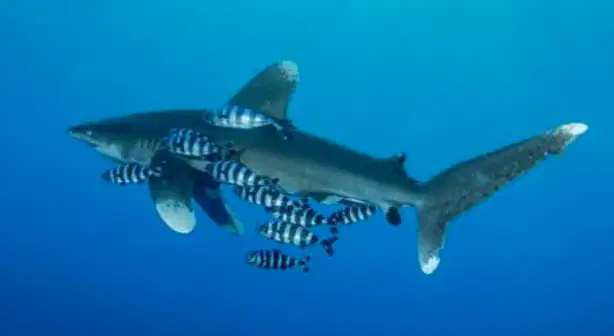
What is commensalism?
One species benefits and the other is harmed
Both species benefits
One species benefits and the other is unaffected
One species is eaten and the other gets a meal
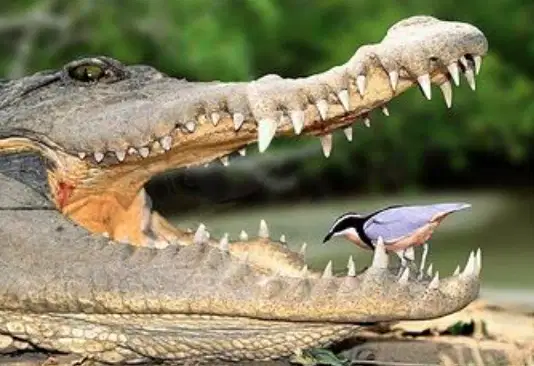
What is mutualism?
Both species benefits
One species benefits and the other is harmed.
One species benefits and the other is unaffected.
One species is eaten and the other get a meal
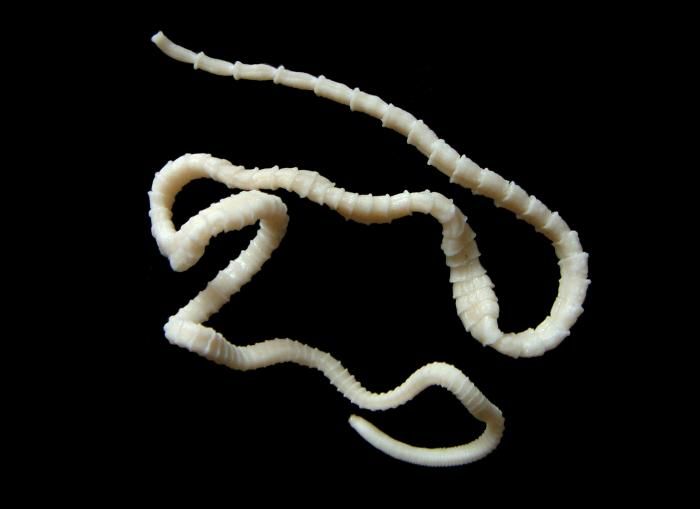
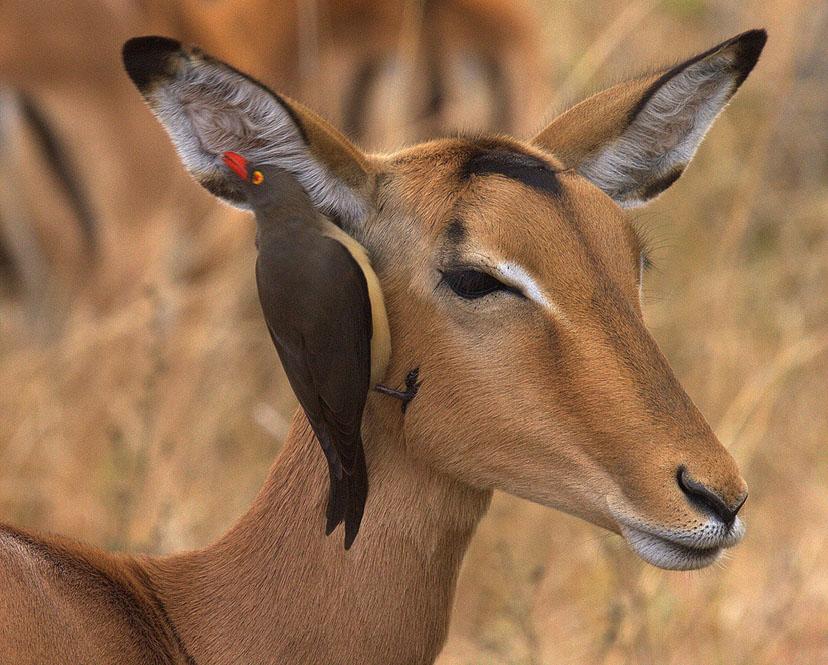
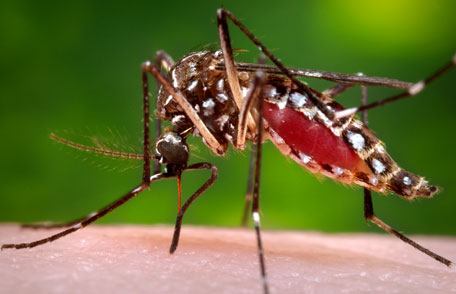
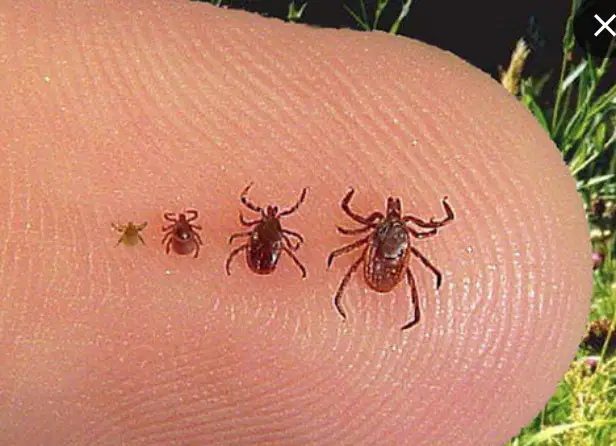
What is parasitism?
Both species benefits (+,+)
One species benefits and the other is unaffected (+,0)
One species benefits and the other is harmed (+,-)
One species benefits by having a meal and the other dies

