wayground logo

Free Printable Worksheets

Font size

S
M
L
XL
Worksheets

ENVS Unit 4- Geosphere Review

Total questions: 202

Worksheet time: 7hrs 51mins

Name
Class
Date
1.
What is the outermost layer of the Earth?
a)
crust
b)
mantle
c)
outer core
d)
inner core
2.
What layer is 2?
a)
Crust 
b)
Mantel
c)
Outer Core
d)
Inner Core
3.
True or False. The Earth's crust is thick melted rock
a)
True
b)
False
4.
Which is thicker, continental or oceanic crust?
a)
continental
b)
oceanic
5.
What layer is 4?
a)
Crust
b)
Mantel
c)
Outer Core
d)
Inner Core
6.
What layer of the mantle is flexible like plastic?
a)
lithosphere
b)
asthenosphere
c)
lower mantle
7.
True or False.  The Earth's crust is made of rock
a)
True
b)
False
8.
What layer is 1?
a)
Crust
b)
Mantel
c)
Outer Core
d)
Inner Core
9.
What layer of the mantle breaks into plates and is like the crust?
a)
lithosphere
b)
asthenosphere
c)
lower mantle
10.
True or False. The mantle is a solid piece of rock.
a)
True
b)
False
11.
True or False. The Earth's crust is thicker than the inner layers.
a)
True 
b)
False
12.
Which part of the core is liquid metal?
a)
outer core
b)
inner core
13.
True or False. The Earth's land forms are found on Earth's crust.
a)
True
b)
False
14.
What two metals make up the core?
a)
aluminum and silver
b)
iron and nickel
15.
True or False. The mantle is hotter than the crust.
a)
True
b)
False
16.
What Layer is 3?
a)
Crust
b)
Mantle
c)
Outer Core
d)
Inner Core
17.
True or False. The mantle is thick liquid rock.
a)
True
b)
False
18.
What layer is the thickest?
a)
crust
b)
mantle
c)
inner core
d)
outer core
19.
What layer is 5?
a)
Crust
b)
Mantle
c)
Outer Core
d)
Inner Core
20.
True or False. The mantle is the outside layer of the earth.
a)
True
b)
False
21.
The ______ is the layer of the Earth under the crust.
a)
core
b)
mantle
c)
magma
d)
none of the above
22.
Which of these is NOT a type of plate boundary?
a)
convergent
b)
divergent
c)
bivergent
d)
transform
23.
This is the process of warm liquids rising while cooler liquids sink.
a)
convection
b)
subduction
c)
boiling
d)
uplift
24.
This type of plate boundary is when two plates slide past each other.
a)
convergent
b)
transform
c)
divergent
d)
subductive
25.
This type of plate boundary is when two plates crash into each other.
a)
convergent
b)
transform
c)
divergent
d)
subductive
26.
This type of plate boundary is when two plates move apart.
a)
convergent
b)
transform
c)
divergent
d)
subductive
27.
This is when two plates converge but one slides under the other due to density.
a)
uplift
b)
subduction
c)
trench
d)
none of the above
28.
When plates converge and form mountains, scientists call it _______.
a)
uplift
b)
subduction
c)
elevation
d)
none of the above
29.
Which of the following causes Earth's tectonic plates to move?
a)
Energy from the Sun
b)
Magnetic Pole Reversal
c)
Convection currents in the mantle
d)
Faults in Mountain Ranges
30.
What kind of plate boundary is shown here?
a)
divergent
b)
convergent
c)
transform
d)
strike slip
31.
Which is true about hotter material in the mantle?
a)
more dense, sinks
b)
less dense, sinks
c)
less dense, rises
d)
more dense, rises
32.
What geologic feature/event would you most likely to find at a convergent boundary between two pieces of continental crust?
a)
Volcano
b)
Mountain
c)
Rift
d)
Island Arc
33.
Plates move towards one another at ______________ boundaries.
a)
divergent
b)
convergent
c)
transform
d)
detergent
34.
Why did the continental plate get volcanoes?
a)
It is made of thicker continental crust
b)
It gets stuck and folds
c)
It has a subducted plate under it that melts
d)
It is more dense
35.
What would you be most likely to find at a convergent boundary between a continental and oceanic plate?
a)
Mountains
b)
Volcanoes
c)
Mid-Ocean Ridge
d)
Rift
36.
What type of plates are colliding
a)
2 oceanic plates
b)
oceanic and continental plate
c)
2 continental plates
37.
What would you be most likely to find at a convergent boundary between two pieces of continental crust?
a)
Volcano
b)
Mountain
c)
Rift
d)
Island Arc
38.

What type of plates are colliding?

a)

oceanic - oceanic plates

b)

Oceanic - continental plate

c)

continental - continental plates

39.

What geologic feature/event would you most likely to find at a convergent boundary between two pieces of oceanic crust?

a)
Volcano
b)

Trench

c)
Rift
d)
Island Arc
40.

What is the minimum number of seismograph stations needed to locate an earthquake epicenter?

a)

1

b)

2

c)

3

d)

5

41.

Measures the magnitude or size, of an Earthquake

a)

epicenter

b)

focus

c)

Richter scale

d)

Mercalli Scale

42.

What is the measure of the amount of energy released in an earthquake?

a)

Intensity

b)

Epicenter

c)

Magnitude

d)

Seismogram

43.

The place where an earthquake originates inside the Earth's surface is called...

a)

Epicenter

b)

Focus

c)

Underground

d)

Crust

44.

The place on the Earth's surface, above the origin of the earthquake.

a)

Epicenter

b)

Focus

c)

Surface

d)

Crust

45.

What is the instrument used to measure earthquakes?

a)

Seismograph

b)

Seismologist

c)

Scale

d)

Seismogram

46.

Which city is closest to the epicenter?

a)

A

b)

B

c)

C

47.

Which seismogram represents a city that is far from the epicenter of an earthquake?

a)

New York, NY

b)

Nome, Alaska

c)

Guadalajara, Mexico

48.

This is created by earthquakes that occur on the ocean floor.

a)

longshore current

b)

gulf stream

c)

tsunamis

d)

high tide

49.

What is a Tsunami?

a)

A large storm with high speed winds

b)

A tropical cyclone that occurs in the Pacific Ocean

c)

A large and powerful ocean wave

d)

A type of tornado

e)

Any earthquake that causes significant damage

50.

A Tsunami wave can move at over _______ miles per hour.

a)

10

b)

50

c)

500

d)

1000

51.

A Tsunami wave can be as tall as

a)

10 Feet

b)

50 Feet

c)

75 Feet

d)

100 Feet

52.
What is molten rock that has formed deep within the Earth?
a)
Hot Spot
b)
Magma
c)
Lava
d)
Volcano
53.
What is molten rock that has reached the Earth's surface?
a)
Aa
b)
Lava
c)
Magma
d)
Pahoehoe
54.
Vocanoes are found...
a)
on land
b)
under water
c)
on islands
d)
all of the above
55.
What is a volcano?
a)
A mountain that has lava all over it 
b)
A giant hill filled with magma
c)
A long high sea wave 
d)
A hole in the Earth where magma erupts
56.
The difference between magma and lava is _____
a)
where it is found (above or below the surface)
b)
how hot the molten rock is (lava is hotter than magma)
c)
 the type of boundary where it forms
d)
the viscosity of the molten rock (lava has a lower viscosity)
57.
Where are most volcanoes found?
a)
Southern Hemisphere
b)
Ring of Fire
c)
Mid-Atlantic Ridge
d)
Hot Spots
58.
Why does magma tend to rise to the surface?
a)
It has large amounts of silica.
b)
It contains very little silica.
c)
It is denser than the surrounding material.
d)
It is less dense than the surrounding material.
59.
What is the definition of dormant?
a)
sleeping
b)
extinct
c)
active
d)
invisible
60.
Most volcanoes occur at which 2 types of plate boundaries? 
a)
convergent w/ subduction and divergent
b)
divergent and transform
c)
divergent and hot spots
d)
convergent w/ subduction and hot spots
61.
A dead volcano, one that is unlikely to erupt again
a)
Dormant volcano
b)
Extinct volcano
c)
Shield volcano
d)
Caldera
62.

Where do volcanoes typically form?

a)

At plate boundaries.

b)

In the middle of tectonic plates.

63.

What is an active volcano?

a)

A volcano that has erupted at least once in the last 10,000 years.

b)

A volcano that hasn’t erupted in the last 10,000 years, but could still erupt.

c)

A volcano that should never erupt again.

64.

What is a dormant volcano?

a)

A volcano that has erupted at least once in the last 10,000 years.

b)

A volcano that hasn’t erupted in the last 10,000 years, but could still erupt.

c)

A volcano that should never erupt again.

65.

What is an extinct volcano?

a)

A volcano that has erupted at least once in the last 10,000 years.

b)

A volcano that hasn’t erupted in the last 10,000 years, but could still erupt.

c)

A volcano that should never erupt again.

66.

Which type of soil has the lowest rate of permeability?

a)

sand

b)

silt

c)

clay

d)

loam

67.

Soil is made of ---

a)

weathered rocks and minerals.

b)

dead plants and animals.

c)

air and water.

d)

all of the above

68.

Which layer of soil is on the bottom of a soil profile?

a)

topsoil

b)

subsoil

c)

bedrock

d)

humus

69.

Which of the following is NOT one of the three layers of soil?

a)

topsoil

b)

undersoil

c)

subsoil

d)

bedrock

70.
Which layer of soil are these roots growing in?
a)
subsoil
b)
topsoil
71.

Horizontal layers of soil are called ---

a)

Soil profiles

b)

Soil horizons

72.

The texture of soil depends mainly on ---

a)

the types of plants that grow in the soil.

b)

the size of the particles in the soil.

c)

the color of the soil.

d)

the number of worms in the soil.

73.

What is the layer of soil that contains humus, leaf litter, and other organic matter called?

a)

O - Organic

b)

A - Topsoil

c)

B - Subsoil

d)

R - Bedrock

74.

Where does most of the water go when it rains?

a)

In the ocean

b)

In the rivers

c)

In the gutters

d)

It absorbs into the soil.

75.

What is the common name for Horizon A?

a)

bedrock

b)

topsoil

c)

subsoil

76.

Why is soil an important natural resource?

a)

soil is used to make buildings

b)

soil can grow crops

c)

soil comes from bedrock

d)

soil is full of microbes

77.
Which factors are primarily responsible for decomposition of organic materials in soil?
a)
Animal action and plant action
b)
Animal action and fungus action
c)
Fungus action and microorganisms
d)
Microorganisms and animal action
78.

Permeability is...

a)

when soil gets carried away

b)

when soil is broken down by wind, water, or ice

c)

how fast water travels through the soil

d)

how much water the soil holds

79.

Which of the following is NOT a property of soil that can be observed?

a)

Composition

b)

Texture

c)

Particle Size

d)

O2 given off

e)

Soil Profile

80.

What are soil layers called?

a)

Rock

b)

Horizons

c)

Layers

d)

Profile

81.

What are the 3 main soil horizons for a mature profile?

a)

topsoil, subsoil, parent material

b)

humus, topsoil, subsoil

c)

subsoil, parent material, bedrock

d)

humus, topsoil, bedrock

82.

In which horizon do most animals such as bugs live?

a)

Humus

b)

Topsoil

c)

Subsoil

d)

Parent Material

e)

Bedrock

83.

What is decayed organic material in soil?

a)

topsoil

b)

humus

c)

subsoil

d)

bedrock

84.

What is the origin of clay, silt, and sand?

a)

humus

b)

bedrock

c)

subsoil

d)

topsoil

85.

What does the size of the soil particles determine?

a)

pH

b)

mineral composition

c)

texture

d)

horizon posiition

86.

What are loam, clay loam, silt loam, and clay?

a)

Soil particle sizes

b)

Soil Textures

c)

Soil pH

d)

Soil composition

87.

What is permeability?

a)

how freely water passes through soil

b)

how much acid is in soil

c)

the size of the soil particles

d)

the composition of soil

88.

What is the best pH for plants to grow?

a)

4-6

b)

7 only

c)

5-7

d)

6-8

89.

Which layer is the parent material?

a)

Horizon O

b)

Horizon A

c)

Horizon B

d)

Horizon C

e)

Horizon R

90.

Which layer is the subsoil?

a)

Horizon O

b)

Horizon A

c)

Horizon B

d)

Horizon C

e)

Horizon R

91.
Which of the following is NOT one of the three types of soil?
a)
clay
b)
sand
c)
silt
d)
mud
92.
_______ is the type of soil used most often with plants. It is a mixture of clay, sand, and silt.
a)
loam
b)
humus
c)
mud
d)
dirt
93.
Humus is.....
a)
the dead parts of plants and animals in soil.
b)
A food we eat with pretzels.
c)
The tiny particles inside of soil
d)
The roots that come off of a plant and live in soil.
94.
When there are not enough plants to hold topsoil in place, water and  _______ carry the topsoil away, leaving the subsoil exposed
a)
sunlight
b)
birds
c)
magnetic fields
d)
wind
95.
Which of the following is the largest particle in soil?
a)
sand
b)
silt
c)
humus
d)
clay
96.
Many plants cannot grow in sandy soil. Why is this true?
a)
Sandy soil does not hold enough water.
b)
Oxygen cannot pass through sandy soil.
c)
Roots cannot easily push through clay soil.
d)
Sandy soil has too many nutrients.
97.
Wind blowing dirt and sand through the air is an example of...
a)
weathering 
b)
erosion
98.
Are there minerals in soil?
a)
Yes
b)
No
99.
What is the process of rocks being broken down over time called?
a)
Weathering
b)
Accumulation
c)
Condensation
d)
Evaporation
100.
THIS LAYER CONTAINS UNWEATHERED SOLID ROCK AND IS BENEATH ALL OTHER LAYERS......
a)
HORIZON A
b)
HORIZON O
c)
HORIZON D
d)
HORIZON C
101.
THIS HORIZON IS MADE OF DECAYING LEAVES, TWIGS AND ANIMAL REMAINS/WASTES......
a)
A
b)
B
c)
C
d)
O
102.
Which of the following is not an example of soil damage?
a)
Erosion
b)
Overgrazing
c)
Digging for buried treasure
d)
Mining
103.
What is the soil conservation technique in which rows of trees are planted along the edges of a field to block the wind from eroding fields and trap the soil?
a)
Terracing
b)
Cover Crops
c)
Windbreaks
d)
Conservation Plowing
104.
Which soil conservation technique helps preserve the quality of soil?
a)
Terracing
b)
Contour Plowing
c)
Conservation Plowing
d)
Cover Crops
105.
Which of the following is the way to stop soil loss by plowing fields along curves of a slope to prevent soil from washing away with the rain?
a)
Contour Plowing 
b)
Cover Crops
c)
Conservation Plowing
d)
Terraces
106.

Which of the following is not a method to reduce soil erosion?

a)

Conservation plowing

b)

Crop rotation

c)

Contour plowing

d)

Clearing vegetation

107.
Which is a negative of mining?
a)
Increased chances for erosion
b)
Obtaining valuable resources
c)
Getting rich
d)
Making energy and electricity
108.
People moving from the rural areas to cities is called...
a)
Ruralization
b)
Urbanization
c)
Colonization
d)
None of these
109.
Which of the following is an example of a nonrenewable resource?
a)
wind
b)
natural gas
c)
sunlight 
d)
fresh water
110.
Which of the following forestry methods causes the LEAST harm to the environment? 
a)
clear cutting
b)
selective cutting
c)
slash and burn
111.
Which of the following would PREVENT soil erosion on a farm? 
a)
over-grazing
b)
deforestation
c)
plowing
d)
crop rotations
112.
The process of returning the land back to its original state after mining is called...
a)
subsidence
b)
reclamation
c)
solar evaporation
d)
slash and burn
113.
What creates heat islands in cities? 
a)
too much concrete
b)
too many trees
c)
people breathing
d)
urban crisis
114.
what is the leading cause of deforestation?
a)
Diseases 
b)
Housing market
c)
Agriculture and Farming
d)
Paper mill
115.
What is deforestation?
a)
throwing someone out of a window
b)
selectively cutting trees for lumber, making sure the forest remains healthy
c)
allowing more animals to graze on the land than it can support
d)
cutting and removal of rainforest
116.
What are impacts of overgrazing?
a)
pollution and use of more resources
b)
loss of biodiversity, loss of native topsoil, desertification
c)
more people than the infrastructure can support
d)
creation of heat islands
117.
What are some consequences of deforestation?
a)
increased population in cities
b)
building of more infrastructure
c)
soil erosion, loss of biodiversity, loss of ability to remove CO2
d)
more mercury and cyanide released into rivers
118.

Urbanization has a negative impact on:

a)

Biodiversity, pollution, and ecosystems

b)

Biodiversity, ecosystems, and education

c)

Ecosystems, education, and economy

d)

Economy, pollution, and biodiversity

119.

This type of land use allows pesticides to get into our soil, which often end up in our water supply.

a)

Forestry

b)

Mining

c)

Agriculture

d)

Urbanization

120.

Is it ALWAYS possible to reclaim land after it is used?

a)

Yes

b)

No

121.

Agriculture uses this part of the lithosphere.

a)

The rockbed

b)

The subsoil

c)

The magma

d)

The topsoil

122.

_______ is an important nutrient for plants to grow.

a)

calcium

b)

nitrogen

c)

beryllium

d)

carbon

123.

No-till farming

a)

decreases soil erosion

b)

increases soil erosion

c)

is not sustainable

d)

is a rare practice in agriculture

124.

Rotating crops

a)

conserves nutrients

b)

increases soil erosion

c)

is a cause for deforestation

d)

is the same thing as cover crops

125.

Natural gas and oil are obtained through

a)

digging

b)

mining

c)

harvesting

d)

drilling

126.

Uranium, plutonium, and coal are obtained through

a)

digging

b)

mining

c)

harvesting

d)

drilling

127.

What is a con of oil?

a)

Non-renewable

b)

It is cheap

c)

It is reliable

d)

It encourages economic growth

128.

What is a con of nuclear energy?

a)

Nuclear power emits low levels of CO2

b)

Provides stable, large-scale energy

c)

Cost for operation are low

d)

Waste storage requires the use of facilities for long periods of time.

129.

What is a pro of natural gas?

a)

Non-renewable

b)

Emits CO2 when burned

c)

Cleanest of all fossil fuels

d)

Explosive, potentially dangerous

130.

What is a possible consequence of agriculture?

a)

Water pollution caused by soil erosion & the use of chemicals (fertilizer, pesticides etc)

b)

Decrease in animal's natural habitats

c)

Increase of flooding due to less areas for water infiltration

d)

Provides jobs for many people

131.

Which area probably faces the greatest problem with erosion?

a)

a flatland with forest

b)

a heavily farmed area

c)

all areas face an equal erosion problem

d)

a mountain with a lot of forest

132.
What are some reasons deforestation occurs?
a)
clearing land for agriculture, ranching, and mining
b)
just wanting to destroy things
c)
Population moving from rural areas to cities
d)
to make room for infrastructure
133.

What term best describes how our land use has changed over the past 100 years?

a)

Deforestation

b)

Urbanization

c)

Elimination

d)

Ruralization

134.
Which of the following would PREVENT soil erosion on a farm? 
a)
over-grazing
b)
deforestation
c)
plowing
d)
crop rotations
135.
Which is a negative of mining?
a)
Increased chances for erosion
b)
Obtaining valuable resources
c)
Getting rich
d)
Making energy and electricity
136.
What are common practices that lead to overgrazing?
a)
grazing cattle instead of sheep and goats
b)
getting into conflicts with neighbors over grazing rights
c)
using sheepdogs instead of human shepherds
d)
too many animals, lack of rotation, grazing at wrong times in plant life cycle
137.
Deforestation of areas considered to be rich sources of genetic material could limit future agricultural and medical advances due to
a)
the maintenance of dynamic equilibrium 
b)
the loss of biodiversity 
c)
an increase in the ecosystem’s carrying capacity
d)
the depletion of the ozone layer
138.

What is a negative impact of mining?

a)

Material left after ore is extracted can release toxic chemicals into the groundwater

b)

Mining can improve the air quality where miners work

c)

Quarries attract new species to the area

d)

Mining can decrease soil erosion

139.

Which of the following is NOT one of the three primary nutrients needed by plants?

a)

Manganese

b)

Nitrogen

c)

Phosphorus

d)

Potassium

140.

A large-scale farming operation that practices monoculture is which of the following?

a)

Community farming

b)

Traditional farming

c)

Organic farming

d)

Industrial farming

141.

This type of agriculture relies on human and animal labor.

a)

Industrial agriculture

b)

Traditional agriculture

c)

Organic agriculture

d)

Community agriculture

142.

This type of agriculture produces 80% of the worlds food supply.

a)

Industrial agriculture

b)

Traditional agriculture

c)

Organic agriculture

d)

Community agriculture

143.

Which of the following is not a benefit of GMOs

a)

Increases pest resistance

b)

Decreases biodiversity

c)

Increases drought resistance

d)

Reduces cost of manufacturing

144.

Industrial/modern commercial agriculture refers to

a)

large scale agriculture using machines to produce large amounts of crops for sale

b)

large scale agriculture using machines to produce small crops for individual families

c)

small scale, intensive agriculture

d)

small scale, extensive agriculture

145.

A positive impact of industrial/commercial agriculture is

a)

a decrease in amount of crops produced

b)

an increase in amount of crops produced

c)

increased water and air pollution

d)

decrease in the amount of machinery used

146.

A negative impact of industrial/commercial agriculture is

a)

a decrease in amount of crops produced

b)

an increase in amount of crops produced

c)

increased water and air pollution

d)

decrease in the amount of machinery used

147.

Are farmers allowed to to keep seeds produced from patented crops (seed cleaning) that they purchased from Monsanto?

a)

Yes

b)

No

148.

Who has a staff of 75 people devoted to suing and prosecuting farmers?

a)

Kirkland

b)

Mansanto

c)

Johnson & Johnson

d)

Quicksilver

149.

Desertification includes natural processes and humans.

a)

True

b)

False

150.

All of the following are physical factors that influence agriculture EXCEPT:

a)

Labour

b)

Soil

c)

Climate

d)

Water Supply

151.

The content of the soil, its depth and texture significantly influence agricultural activity

a)

TRUE

b)

FALSE

152.

What name is given to the soil conservation technique used on steep slopes?

a)

Terrain Cultivation

b)

Crop Rotation/ Shifting

c)

Terracing

d)

Soil Creep

153.
Which is a negative of mining?
a)
Increased chances for erosion
b)
Obtaining valuable resources
c)
Getting rich
d)
Making energy and electricity
154.
Land that supplies forage or vegetation (grasses, grass-like plants, shrubs) for grazing and browsing animals, and is not intensively managed is the definition of _________. 
a)
Rangeland 
b)
Forest 
c)
Barren Land 
d)
Wetland 
155.
A large area covered with trees and undergrowth is the definition of _________________.
a)
Forest
b)
Barren Land 
c)
Rangeland 
d)
Urban or Built up land 
156.
Land devoted to agriculture, the systematic and controlled use of other forms of life—particularly the rearing of livestock and production of crops—to produce food for humans is the definition of _________. 
a)
Rangeland 
b)
Agricultural Land
c)
Forest 
d)
Tundra 
157.
A geographic area with a population of 2,500 or more. The number of people used in this definition may vary, with some countries setting the minimum number of people at 10,000 to 50,000 is the definition of ____________. 
a)
Urban or Built up land
b)
Rangeland 
c)
Forest 
d)
Wetland
158.
A land area that is saturated with water, either permanently or seasonally, such that it takes on the characteristics of a distinct ecosystem. The primary factor that distinguishes wetlands from other land forms or water bodies is the characteristic vegetation of aquatic plants, adapted to the unique hydric soil. a definition of ______________. 
a)
Forest 
b)
Wetland 
c)
Rangeland 
d)
Urban or Built up land 
159.

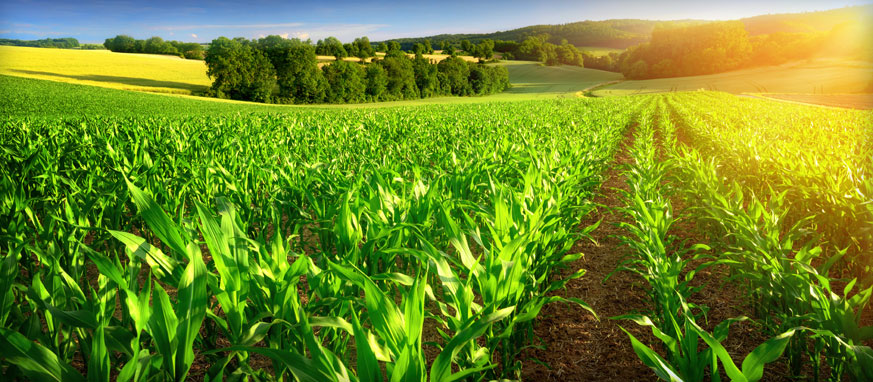
This image is an example of what type of land use

a)

Residential

b)

Commercial

c)

Agricultural

d)

Recreational

160.

Choose the following that describes why land is important to humans . (Choose all that apply)

a)

fossil fuels for energy

b)

nutrients for plants to grow

c)

space for buildings

d)

materials for construction

161.

What are the main sources of water pollution?

a)

Plastic, Paper, and Metal

b)

Snails in water

c)

Help, there is a boot with a snake inside of it that somehow in the nearby lake.

d)

Agriculture, Industry, and Community

162.

Nutrient depletion occurs when farmers do which of the following?

a)

rotate the crops they plant each year

b)

plant the same crop every year

c)

plant a mix of crops in the same area

163.

land used for recreation, scenic, enjoyment, and for preserving native animal and plant communities and ecosystems

a)

rangeland

b)

parks and preserves

c)

wetlands

d)

farmland

164.

Choose 3 methods that people are using to prevent problems relating to land use.

a)

Zoning regulations

b)

Permits for construction

c)

Conservation easements

d)

Elimination of public transportation (buses, trains, etc.)

e)

Increased city taxes

165.

Which is NOT a principle of organic farming?

a)

avoiding synthetic fertilizers

b)

keeping as much organic matter as possible on the farm

c)

increasing soil mass and biological activity

d)

avoiding the use of fossil fuels

166.

How did the Industrial Revolution change rural life and contribute to the development of cities?

a)

Rural life and urban life both increased

b)

Rural and urban life both decreased

c)

rural life increased while urban life decreased

d)

urban life increased while rural life decreased

167.

How did science and technology change society?

a)

it caused people to move to farms

b)

it worsened medicine

c)

it caused religion to disappear

d)

it caused factory work to increase

168.

38% of the earth's surface is used for...

a)

Cities

b)

Parks and recreation

c)

Agriculture and farming

d)

Parking lots

169.
What are the effects of deforestation ?
a)
loss of habitat
b)
increased green house gasses 
c)
soil erosion and flooding
d)
all of the above
170.
Ore is 
a)
any type of rock
b)
a rock with metals
c)
a rock with metals worth something to someone
d)
a rock with minerals
171.
Which of the following is NOT a risk of mountaintop removal?
a)
dust/air pollution
b)
acid mine drainage
c)
boulders in houses
d)
men getting stuck in a mine
172.
Acid mine drainage is the result of 
a)
ash and air debris creating acid rain
b)
boulders and debris blocking the flow of rivers/streams
c)
toxins in tailings leaching into the soil
d)
minerals from mining being left behind creating pollution
173.
Compared to mining for materials 100 or even 50 years ago, minerals are 
a)
easier to access
b)
more difficult to access
c)
found only in national parks
d)
usually accessed by strip mining
174.
Which regulation allowed miners to claim any land, even government owned and mine it
a)
General Mining Act of 1872
b)
Mineral Leasing Act of 1920
c)
Surface Mining Control and Reclamation Act
175.
Which regulation requires miners to clean up after themselves?
a)
General Mining Act of 1872
b)
Mineral Leasing Act of 1920
c)
Surface Mining Control and Reclamation Act
176.
Which regulation prevents claims on fossil fuel minerals?
a)
General Mining Act of 1872
b)
Mineral Leasing Act of 1920
c)
Surface Mining Control and Reclamation Act
177.

a naturally occurring solid material from which a metal or valuable mineral can be profitably extracted.

a)

Minerals

b)

Ore

c)

Oil

d)

Water

178.

Mining that is done above ground is called...

a)

surface mining.

b)

subsurface mining.

179.

Mining that is done below ground is called...

a)

surface mining.

b)

subsurface mining.

180.

This type of mining involves moving HUGE amounts of Earth to access ore.

a)

surface mining

b)

subsurface mining

181.

When ore is extracted from near the surface by digging deep into the ground.

a)

Strip Mining

b)

Contour Mining

c)

Mountaintop Removal

d)

Open Pit Mining

182.

When ore is removed in layers by removing the soil that is on top.

a)

Open Pit Mining

b)

Oil Derricks

c)

Strip Mining

d)

Fracking

183.

Whether or not something is mined is determined by its monetary value.

a)

True

b)

False

184.

This form of mining uses tunnels and shafts to bring ore to the surface.

a)

surface mining

b)

subsurface mining

185.

Removing ore along a seam in a hillside.

a)

Open Pit Mining

b)

Fracking

c)

Mountaintop Removal

d)

Contour Mining

186.

A natural resource that can only be replaced only through geological, physical, and chemical processes that take millions of years.

a)

Renewable Resource

b)

Nonrenewable Resource

187.

Removing a mountaintop to reach the ore that lays underneath.

a)

Open Pit Mining

b)

Fracking

c)

Mountaintop Removal

d)

Contour Mining

188.

A natural resource that can be replaced by nature in a short period of time.

a)

Renewable Resource

b)

Nonrenewable Resource

189.

This type of mining does less damage to the environment.

a)

surface mining

b)

subsurface mining.

190.

The controversial method for getting natural gas in rock deep underground is called...

a)

fracking.

b)

rigging.

c)

contouring.

d)

derricks.

191.

This type of mining is cheaper and safer for miners.

a)

surface mining

b)

subsurface mining.

192.

What do you call the process of drilling and injecting fluid into a ground at a high pressure in order to break or fracture the shale rocks to release natural gas inside?

a)

Drilling

b)

Fracking

c)

Perforation

d)

Sedimentation

193.

Which of the following is not a disadvantage of fracking?

a)

Causes water pollution

b)

Millions of gallons are wasted during drilling

c)

Unhealthy for workers

d)

Creates job opportunities

194.
Fracking deals with 
a)
Rain Water and Oil Extraction
b)
Oil Extraction and Drilling
c)
Rock and Rain Water
d)
Natural Gas and Oil Extraction
195.
Which of the following is TRUE of hydraulic fracturing?
a)
It uses very little water
b)
It does not create environmental concerns
c)
it uses water, sand, and chemicals to break rock formation
d)
all of these answers are correct
196.
Fracking is another term used for?
a)
Water Fracturing
b)
Oil Fracturing
c)
Hydraulic Fracturing
d)
Hydro Fracturing
197.

What is the most abundant fossil fuel?

a)

coal

b)

oil

c)

natural gas

d)

nuclear power

198.

What are some advantages of using natural gas?

a)

burns cleaner than other fossil fuels

b)

easy and safe to transport

c)

abundant in the US

d)

can be used in a variety of applications (cooking, heating, electricity, etc.)

199.

Where does the highest production of oil occur?

a)

Russia

b)

Middle East

c)

US

d)

Canada

200.

Which energy resources are mined using fracking?

a)

coal

b)

natural gas

c)

oil

d)

nuclear

201.

What percentage of the world's energy do fossil fuels provide?

a)

40%

b)

50%

c)

70%

d)

80%

202.

What energy source is most oil used for in the US?

a)

coal

b)

gasoline

c)

electricity

d)

heating