
 Worksheets
Hydrology II
Total questions: 130
Worksheet time: 3hrs 46mins


Wetlands store flood waters. How is this beneficial? Choose the best answer.
Its not really beneficial because this may flood peoples homes.
It releases the water is increments which will really increase the wildlife in that area.
It releases the water in increments ( a little at a time) which slows the water down thus slowing erosion.
Its really not beneficial because this will flood the habitats of the wildlife living there.
where are wetlands found?
only in south carolina
all over the USA
only in ohio
in the ocean
Many different species of animals, plants, and other organisms living in a certain area is called?
biodiversity
wetland
biomes
watershed
An estuary is best defined as a place where--
fresh and salt water meet
a river meets the Chesapeake Bay
a group of animals are gathered
the water from the land flows into a river
What is one use of an estuary to help increase biodiversity?
Used as a place to help predators capture their prey
Used as a "nursery" to help organisms raise babies
Used as a place the filter sediment and trap pollution
Used as an "overflow" area to prevent flooding
The measure of the amount of salt dissolved in water is:
pH
salinity
solution
miscibility
Which type of water has a higher density?
Freshwater
They are the same
Saltwater
Neither have density

Estuaries act like a ______ to help absorb flood water and storm surges.
forest
sandy beach
river
barrier

Estuaries are not only habitats for animals but they can provide this for people:
Recreational area
Food source
Educational and learning environment
All of these
As you walk out onto North Carolina beaches from your car, you will see the following in this order:
dunes, open beach, then intertidal zone
intertidal zone, open beach, then dunes
open beach, dunes, then intertidal zone
intertidal zone, dunes, then open beach
To protect our estuaries, you can...
Recycle
Stop Littering
Be mindful of your waste and where it's going
All of these
Wetlands store extra water. What role does this play in the ecosystem?
It causes increased flooding of people's homes and the habitats of wildlife.
It releases the water slowly over time, which helps prevent erosion and keeps lakes, rivers, and ponds at steadier water levels.
It soaks up all the water, which dries up nearby rivers, lakes, and ponds, causing them to turn into grasslands.
The Florida Everglades wetlands animals include:
egrets & herons
Florida panther
alligators & crocodiles
all of these
Freshwater habitats, like lakes, rivers, streams, and wetlands, cover how much of Earth’s surface?
less than 1%
about 10%
30%
Wetlands can store up to 50% more carbon than rainforests can.
True
False
Which of the following are types of estuaries?
Bays.
Lagoons.
Mangrove swamps.
All of the above.
Those areas of land that are covered by water all year or part of the year, and help control floods and serve as natural filters
rivers
wetlands
seas
floodplains
Why are estuaries important to our environment?
Estuaries filter pollutants
Estuaries provide nurseries for marine life
Estuaries act as home for many wildlife
All of the other choices are good
What is one way we can protect wetlands and estuaries?
Not polluting in our river basin
Dumping chemicals down drains
Littering in waterways
Washing a car in a driveway instead of a car wash
What is one use of an estuary to help increase biodiversity?
Used as a place to help predators capture their prey
Used as a "nursery" to help organisms raise babies
Used as a place the filter sediment and trap pollution
Used as an "overflow" area to prevent flooding
The measure of the amount of salt dissolved in water is:
pH
salinity
solution
miscibility
Which type of water has a higher density?
Freshwater
They are the same
Saltwater
Neither have density
Of the following, estuary animals have to be adapted for varying levels of:
Dissolved Oxygen
Salinity
Temperature
All of these

Which ocean zone allows plants to grow??
midnight zone
photic zone
twilight zone
intertidal zone

MOST sealife lives in the:
Photic zone
Twilight zone
Midnight zone
Deep zone
The zone in the oceans layers with the warmest temperatures that is warmed by sunlight and most life exist there?
Photic Zone
Depth
Water temperature
Mid- Ocean Ridge

Phytoplankton are abundant in this ecosystem, because they are buoyant and float in the upper part of the water.
Intertidal zone (high tide)
Ocean (aphotic zone)
Ocean (photic zone)
Intertidal zone (low tide)

the earth's surface from the edge of a continent to the deep part of the ocean
aphotic zone
deep zone
open ocean
continental shelf
Which contributes most in supporting life on the deep ocean floor?
cold water temperatures
extreme water pressures
hydrothermal vents
lack of preators
What are hydrothermal vents and how do they support unique ecosystems?
Hydrothermal vents are fissures in the ocean floor that release geothermally heated water, and they support unique ecosystems by providing a habitat for organisms that can withstand extreme temperatures and high levels of minerals.
Hydrothermal vents are large rocks in the ocean that release cold water, and they support unique ecosystems by providing a habitat for polar bears.
Hydrothermal vents are man-made structures that release cold water, and they support unique ecosystems by providing a habitat for tropical fish.
Hydrothermal vents are natural springs on land that release hot water, and they support unique ecosystems by providing a habitat for desert plants.
Describe the process of chemosynthesis and its role in deep-sea ecosystems.
Chemosynthesis is the process by which certain organisms use chemical energy to produce carbohydrates, and it provides the primary source of energy for deep-sea ecosystems.
Chemosynthesis is the process of converting sound energy into lipids in deep-sea ecosystems.
Chemosynthesis is the process of using mechanical energy to produce proteins in deep-sea ecosystems.
Chemosynthesis is the process of converting light energy into carbohydrates in deep-sea ecosystems.
Discuss the adaptations of organisms in the deep ocean zones to survive in extreme conditions.
They have adaptations such as camouflage, ability to survive without water, and resistance to extreme cold.
They have adaptations such as gills for breathing air, ability to live on land, and resistance to extreme heat.
They have adaptations such as bioluminescence, pressure resistance, and efficient use of limited food resources.
They have adaptations such as flying ability, fur coat, and hibernation.
Compare and contrast chemosynthesis and photosynthesis in terms of energy production.
Chemosynthesis and photosynthesis both use sunlight to produce energy.
Chemosynthesis and photosynthesis both use inorganic compounds to produce energy.
Chemosynthesis uses inorganic compounds to produce energy, while photosynthesis uses sunlight to produce energy.
Chemosynthesis uses sunlight to produce energy, while photosynthesis uses inorganic compounds to produce energy.
What are the major challenges faced by organisms living in the deep ocean zones?
High pressure, lack of sunlight, scarcity of food
Low pressure, abundance of sunlight, excess of food
Moderate pressure, lack of sunlight, abundance of food
High pressure, abundance of sunlight, scarcity of food
What percentage of the ocean is taken up by coral reefs?
10-12 percent
25 percent
less than one percent
more than fifty percent
What percentage of the ocean's sea life lives in coral reefs?
10 -15%
20%
45%
25%
Coral reefs are endangered by
climate change
overfishing
pollution
all of the above
Coral Reefs are found in
tropical waters
waters around the South pole only
sub-tropical waters
A and C
Coral reefs are home to how many species?
thousands
billions
hundreds
millions
What causes coral bleaching?
oil spills
warmer water temperatures
overfishing
red tide
What is one way scientists trying to save the coral reefs?
by growing coral and planting it in the ocean
by restricting access to reefs
by adding new species of fish to the reefs
by adding fertilizer to the coral reefs
What is the largest coral reef on the planet?
Rainbow Reef, Fiji
Great Chago Archipelago, Indian Ocean
Amazon Reef, Brazil
Great Barrier Reef, Australia
Where are coral reefs found?
cold, shallow water
warm, deep water
warm, shallow water
What are Coral Reefs made of?
tiny animals
sand and shells
crabs
plants
What are Coral Reefs made of?
tiny animals
sand and shells
crabs
plants
What does increased carbon dioxide levels in the atmosphere have on the chemistry of the ocean?
Increases dissolved oxygen
Decreases pH
Decreases Salinity
Decreases temperature
Coral bleaching occurs when
calcium carbonate is secreted
bleach is used to whiten corals
zooxanthellae are expelled from the coral
coral is exposed to the atmosphere
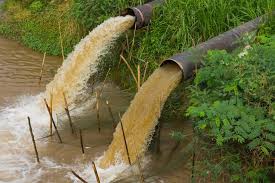
Chemicals released from an Industrial Plant directly into a river
Point
Non-Point
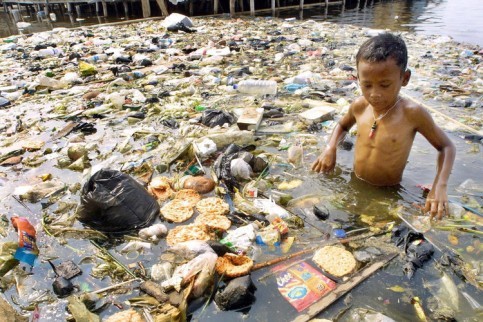
Logging operations used to use a technique called clear-cutting, in which all of the trees in an area are cut down. What type of water pollution will this most likely lead to?
Toxic
Sediment
Nutrient
Bacterial
A farmer applies excess fertilizer to one of her fields just before a rainstorm. What kind of pollution is this most likely to lead to?
Toxic
Sediment
Nutrient
Bacterial
At a research lab, a scientist carelessly pours cultures of living microbes down the drain. What type of water pollution does this cause?
Toxic
Sediment
Nutrient
Bacterial
Can be traced back to the point of origin.
Point Source Pollution
Non-point source pollution
Cannot easily be traced to the source of the pollution.
Point Source Pollution
Non-point source pollution

A ship carrying gasoline runs into shore and spills large amount of gasoline.
Point
Non-Point

Power plants cool hot water pipes in a local river
Point
Non-Point
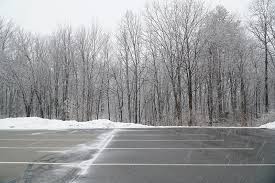
Snow melts in parking lots and carries oils into nearby waterways
Point
Non-Point
Chemicals released from an Industrial Plant directly into a river
Point
Non-Point

Washing your car in your driveway
Point
Non-Point

Cattle ranches allow livestock to feed along streams
Point
Non-Point

Construction sites sediments wash away into a stream.
Point
Non-Point
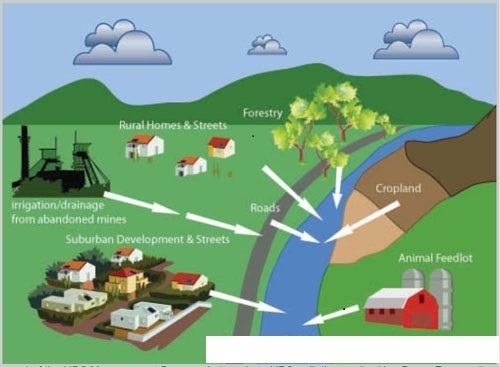
______________________ is water pollution/waste that comes from many different sources.
What can happen to fish when there is not enough oxygen in the water?
They can suffocate
They can't float
They can't see.
Nothing. Fish don't need oxygen.

A new mall and movie theatre are being built on the outskirts of suburbia. Trees and brush are cleared away, the land is bulldozed, and a silt fence is installed across part of the development. However, construction is delayed for a year, leaving the land exposed to the elements.
Toxic
Sediment
Nutrient
Bacterial
______ causes deep ocean currents
The Coriolis Effect
gravity
wind
density differences
______ causes surface currents.
The Coriolis Effect
gravity
density differences
wind
Decreasing ocean temperature causes the density of the water to ______.
decrease
increase
stay the same
fluctuate
Which is not true about salty water?
Floats on top of freshwater
Higher density
It has more molecules than freshwater
It sinks at the bottom of a container

What does the blue line represent in the Thermohaline circulation?
Warm salty water
Warm water
Cold water
Cold salty water

What does the red line represent?
Warm water
Warm salty water
Cold water
Cold salty water
Thermohaline circulation distributes which of the following?
heat
nutrients
carbon dioxide
all of the above
Which pictures shows the correct "Global Conveyor Belt"?


Which of the following types of water would SINK the fastest?
warm and salty
cold and salty
warm and fresh
cold and fresh
The more scientific name of the Global Conveyor Belt is _____.
halinethermal circulation
thermohaline circulation
thermodensity circulation


The arrow above the water is coming down and is blue because
the water is warm so it warms the air and warm air sinks.
the water is cold so it warms the air and cool air sinks.
the water is cold so it cools the air and cool air sinks.
the water is warm so it warms the air and cool air sinks.
The arrow above the land is going up and is red because
the land is warm so it warms the air and warm air rises.
the land is cold so it warms the air and cool air sinks.
the land is cold so it cools the air and cool air sinks.
the land is warm so it warms the air and cool air rises.

The H pressure area involves cold air moving _____________ and is near the _____________.
down ; land
up ; water
down ; water
up ; land
The L pressure area involves warm air moving _____________ and is near the _____________.
down ; land
up ; land
down ; water
up ; water
Air moves from areas of ____ pressure to areas of _____ pressure.
H ; H
L ; H
L ; L
H ; L
A Sea Breeze occurs during the
night.
day.
night and day.
alien encounter.
H pressure areas involve cold, __________ ______________ air pushing down.
less dense
warm dense
more dense
less cool

The arrow above the land is coming down and is blue because
the land is warm so it warms the air and warm air sinks.
the land is cool so it cools the air and cool air sinks.
the water is warm so it cools the air and warm air sinks.
the land is warm so it warms the air and cool air sinks.
The arrow above the water is going up and is red because
the water is warm so it warms the air and warm air sinks.
the water is warm so it cools the air and cool air sinks.
the water is warm so it warms the air and warm air rises.
the land is warm so it warms the air and cool air sinks.
The H pressure area involves cold air moving _____________ and is near the _____________.
up ; land
down ; water
down ; moon
down ; land
Air moves from areas of ______ pressure to areas of _____ pressure.
H ; L
L ; L
H ; H
L ; H
L pressure areas involve warm, __________ ______________ air moving upward.
less dense
more dense
less cold
more cold
Which of the following best explains why the sand at the beach is hotter than the water?
Sand has a higher specific heat than water.
Sand has a lower specific heat than water.
There is more water than sand at the beach.
There is more sand than water at the beach.
The amount of energy required to raise the temperature 1ºC for every gram is called____?
Thermal Energy
Specific Heat
Temperature
Kinetic Energy

The Gulf Stream is a warm water current that:
Has a high heat capacity
Transports cool water to the equator
Warms up the northern latitudes
Regulates local weather

