
 Worksheets
Biology EOC Review
Total questions: 82
Worksheet time: 3hrs 44mins
A person with swollen gums rinses his mouth with warm salt water, and the swelling decreases. Which has occurred?
The swollen gums have absorbed the saltwater solution
The saltwater solution lowers the temperature in the gums
The salt in the solution has moved against the concentration gradient
The water in the gums has moved from a high to a low concentration of water
Which organism is most likely to use anaerobic respiration?
bird
moss
tree
yeast

Which amino acid sequence can be coded from the DNA sequence CAG TAG CGA?
Valine - Isoleucine - Glycine
Valine - Aspartic Acid - Alanine
Valine - Isoleucine - Alanine
Valine - Phenylalanine - Alanine
Which disease most likely occurs after excessive exposure to ultraviolet radiation?
malaria
asthma
skin cancer
polio
RNA and DNA are which type of organic compound?
carbohydrate
lipid
nucleic acid
protein
Which is an example of osmosis?
potassium ions moving in and out of an animal cell
carbon dioxide moving into the leaf cells of a plant
oxygen moving into the bloodstream from the lungs
water moving into the root cells of a plant
A scientist treats a cell with a chemical that destroys the ribosomes. As a result, which cell process will be stopped?
osmosis
photosynthesis
protein synthesis
respiration
Hitchhiker’s thumb (H) is dominant to no hitchhiker’s thumb (h). A woman who does not have hitchhiker’s thumb marries a man who is heterozygous for hitchhiker’s thumb. What is the probable genotypic ratio of their children?
0% Hh : 100% hh
50% Hh : 50% hh
75% Hh : 25% hh
100% Hh : 0% hh
What will most likely be the result if all of the mitochondria are removed from a plant cell?
It will be unable to carry out respiration
It will lose water through osmosis
It will break down the ribosomes in the cell
It will be unable to photosynthesize
During strenuous exercise, body temperature increases. The body responds to the increase in temperature by sweating, which helps to reduce the body temperature. Which is demonstrated in this situation?
excretion
metabolism
homeostasis
synthesis
What is the function of autotrophs in the carbon cycle?
To use oxygen to produce glucose
To take in excess water
To use carbon dioxide to produce glucose
To feed herbivores
A strand of DNA has these bases:
AGC CAT GTA TAC
What is the complementary DNA strand?
ACG GAT CTA TAG
TCG GTA CAT ATG
TGC CTA GAT ATC
UCG CUA CAU AUG
What is the difference between the full classification of organisms and their scientific names?
The full classification of organisms and their scientific names vary in different countries.
The scientific names of organisms include the order and family of the organisms, but the full classification includes only the species name.
The full classification of organisms will include more categories of organisms than their scientific names.
The scientific names of organisms include a single nomenclature, but the full classification includes various nomenclatures.
What type of organic molecule are enzymes?
carbohydrates
lipids
nucleic acids
proteins
How does the amount of energy resulting from fermentation compare with that of aerobic respiration?
Aerobic respiration results in less energy
Aerobic respiration results in more energy
Each process results in equal amounts of energy
Each process results in variable amounts of energy
Which best explains why muscle cells are different from blood cells?
A mutation occurs during the development of muscle cells but not in blood cells.
Different genes are activated in muscle cells than in blood cells.
Muscles cells experience different environmental influences than blood cells.
Muscle cells are produced by the brain, but blood cells are produced by the heart.
During which phase of the cell cycle is the cell growing and preparing for cellular division?
cytokinesis
anaphase
prophase
interphase
The yucca plant releases a strong scent at night when the yucca moth is active. The yucca moth, attracted by the scent, gathers pollen from the yucca flower. The yucca moth then deposits her eggs and the pollen on another plant. This ensures that the plant will be cross-pollinated and that the yucca moth larvae have a steady food supply. Which relationship does this best illustrate?
commensalism
mutualism
parasitism
predation
Which environmental concern is most associated with burning fossil fuels?
global climate change
pollution of ocean waters
ozone layer destruction
decrease in levels of atmospheric carbon dioxide
Which is a step in the process of producing transgenic bacteria?
A plasmid is used to replace a faulty gene in a human cell.
A chain of bacterial amino acids is inserted into human DNA.
A human gene is inserted into a bacterial plasmid.
A mutation is produced in a bacterial cell.
Some marine worms and mollusks go through similar larval stages during development. Which can be inferred about their relationship?
They share a common ancestor
The mate with each other
They compete for a habitat
The share the same food source
Which statement best describes natural selection?
As the weather changes, organisms that are able to find shelter need less energy to live.
Organisms that eat only plants need less food than organisms that eat animals.
Organisms better adapted to their environment are more likely to reproduce and pass on their traits to their offspring.
Small organisms are more likely to survive than larger organisms.
Which word equation best represents the process of cellular respiration?
carbon dioxide + glucose → oxygen + water
carbon dioxide + water → glucose + oxygen
glucose + oxygen → carbon dioxide + water
oxygen + water → carbon dioxide + glucose
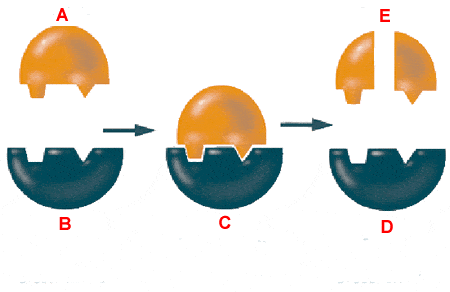
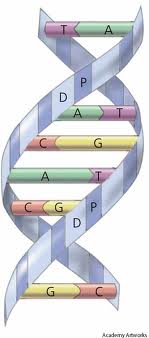

A contractile vacuole helps protists eliminate excess liquid. This is a "pumping" process which reduces pressure inside the cell and prevents the cell from bursting. What is most likely the source of energy for this process?
DNA
lipids
ATP
ribosomes


What would happen if the population of zebras decreased?
There would be less grass for other animals.
Populations of lions & hyenas would decrease.
Termites would have no food.
Baboons would have more competition for food.

If more lions were introduced to the ecosystem
the amount of hyenas would increase
the amount of giraffes would decrease
the amount of zebras would decrease
the cheetahs would have less competition

Which organism fills more than one role in this ecosystem?
carrots
owls
birds
grasshoppers

This image shows
primary succession
secondary succession

This image shows
primary succession
secondary succession

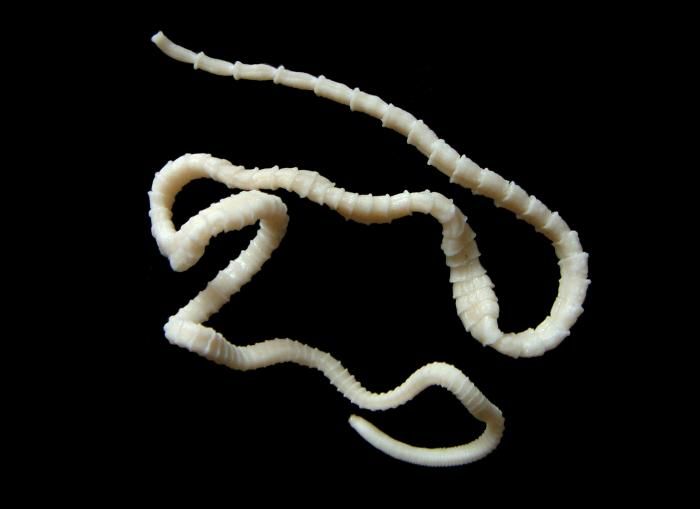
A tapeworm lives in the intestine of a cat absorbing nutrients through its skin. A tapeworm and a cat have this type of relationship.
mutualism
parasitism
commensalism
competition
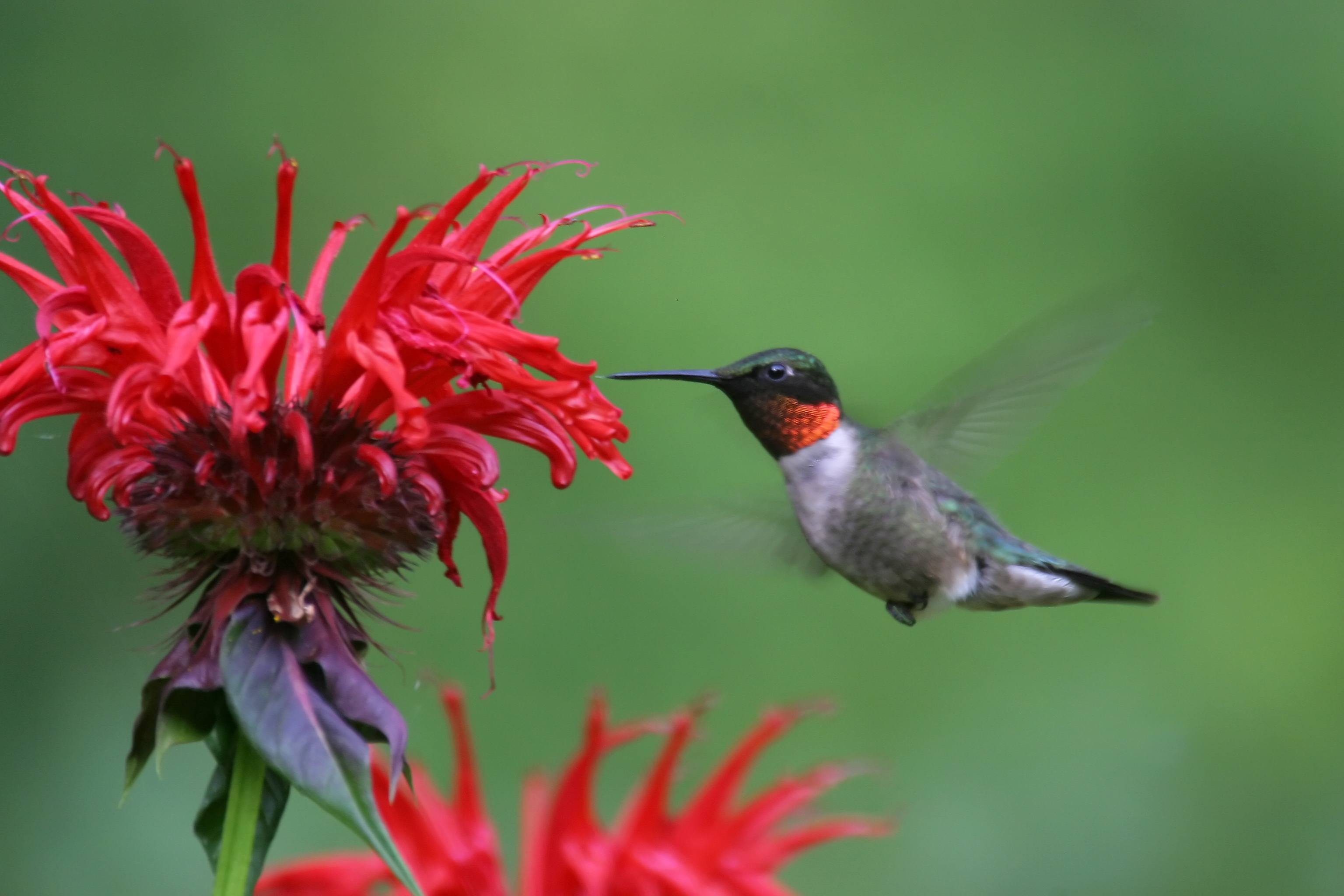
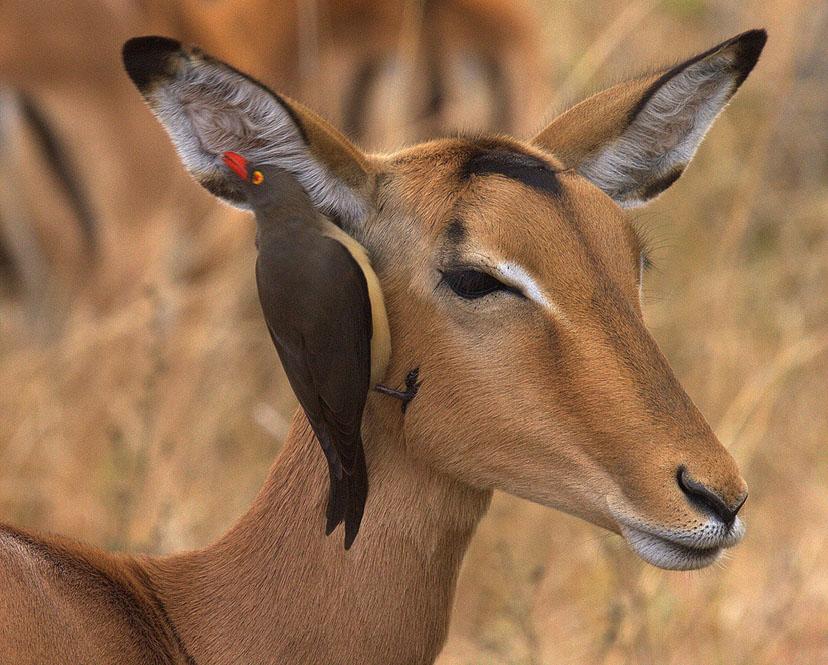

The organelle that captures the energy from sunlight and converts it into chemical energy stored in food during photosynthesis:
Chloroplast
Mitochondrion
Cell Wall
Nucleus

The organelle that converts the chemical energy stored in food molecules into compounds that are more convenient for the cell to use:
Cell Wall
Cell Membrane
Mitochondrion
Centrioles
The movement of particles from an area of low concentration to an area of high concentration
The movement of particles from an area of high concentration to an area of low concentration
Diffusion is an example of _________________ transport.
Active
Passive
Both Active and Passive
None of the above
Endocytosis is an example of ________________ transport.
Active
Passive
Both Active and Passive
None of the above
The sodium potassium pump is an example of ______________________ transport.
Active
Passive
Both Active and Passive
None of the above
The diffusion of water through a selectively permeable membrane is called ________________.
Diffusion
Facilitated Diffusion
Osmosis
Both diffusion and facilitated diffusion
THE END RESULT OF MEIOSIS IS...
FOUR UNIDENTICAL GAMETES
FOUR IDENTICAL GAMETES
TWO IDENTICAL GAMETES
TWO UNIDENTICAL GAMETES
Which of the following is not a eukaryote?
fungi
animals
plants
archaea
If a strand of DNA had bases in the following order - ATCCGTC, what would be the replicated complementary strand?
UAGGCAG
ATCCGTC
TAGGCAG
TUGGCTG
If a strand of DNA had bases in the following order - ATCCGTC, what would be the transcribed mRNA sequence?
TAGGCAG
UAGGCAG
TUGGCUG
None of the above are correct
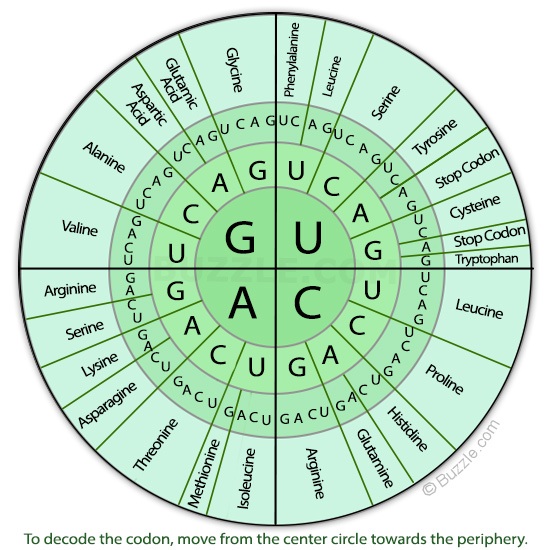
A sequence of a DNA template strand is shown.
3' TCC AAT GGC TTA TTT 5'
Which of these is the correct amino acid chain produced from the DNA template strand?
Arginine, Leucine, Proline, Asparagine
Tryptophan, Phenylalanine, Leucine
Serince, Leucine, Proline, Asparagine
Tryptophan, Phenylalanine, Leucine, Glycine
What is the primary cause of genetic variation during meiosis?
chromosomes lining up
"crossing over" of chromosomes
separation of chromosomes
chromosomes pulling apart
The failure of one or more pairs of homologous chromosomes or sister chromatids to separate "normally" during meiosis is called _____________________.
nondisjunction
anaphase I
nondiploidy
karyotype
What mutation has occurred here?
T-G-A-C-C-A
T-G-A-G-C-A
Substitution
Deletion
Insertion
Frameshift
Which of the following would result in a frameshift mutation?
Insertions only
Substitution only
Deletion only
Insertions and Deletions
DNA molecule segment is : TTACGCAAG
The mutated DNA segment is TTCGCAAG. This is an example of ___ mutation.
Substitution
Deletion
Insertion
Inversion
An inheritance pattern in which both alleles for a gene are expressed in the offspring so that both traits show up on its body is known as ---
Codominance
Incomplete dominance

____ is an inheritance pattern that results in offspring that are a MIXTURE of the two traits of its parents, like yellow and blue flowers making green offspring.
incomplete dominance.
codominance

What type of inheritance pattern is shown here?
Codominance
Incomplete dominance

Incomplete dominance occurs in cats, which allows them to be Black, White, or gray as shown on this Punnett square. What percentage of the offspring will be gray?
25
50
75
100
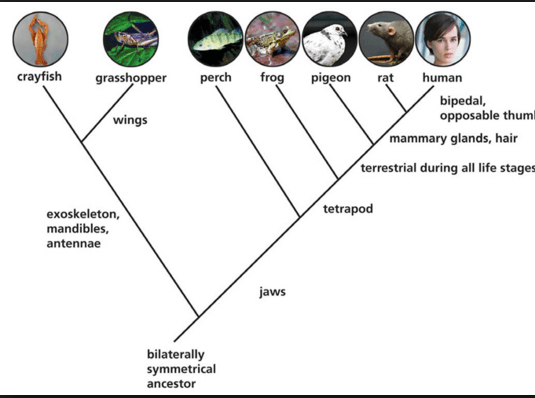
What is the correct order of classification?
kingdom, domain, phylum, class, order, family, genus, species
domain, kingdom, phylum, class, order, family, genus, species
domain, phylum, class, order, kingdom, family, genus, species
species, genus, family, phylum, order, class, domain, kingdom
The 4 eukaryote kingdoms are Animals, Plants, Fungi, and
Bacteria
Archaea
Humans
Protists
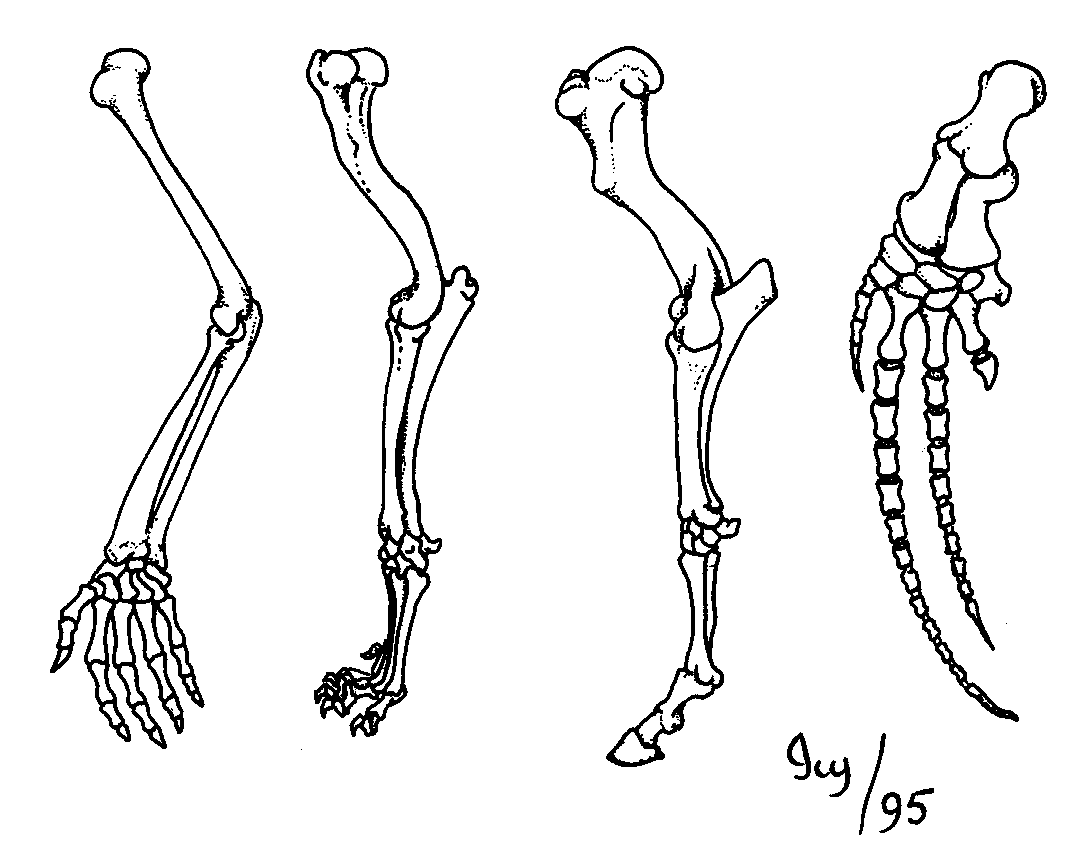

Which of the following can be determined by observing the embryos shown in the diagram

Mutations are important because they bring about
death of the organism in which they develop
genetic variation needed for a population to evolve
benefits for the individual, not for the population
Hardey-Weinberg equilibrium within a population
Which of these claims is most likely true of two species that share a recent common ancestor?
The two species have different developmental patterns
The two species have similar arms and legs
The two species share DNA sequences
The ancestors of each species looked very different
Antibiotic resistant bacteria can
Survive
Reproduce
Pass on the resistant gene to their offspring
All of the above

A forest fire ignites in the Sam Houston State Forest and kills many members of a population of pigmy rattlesnakes.
Gene Flow
Genetic Drift

Select the best answer based on the image.
Gene Flow
Genetic Drift

If there is 1000 Kcal available in the producers in trophic level 1, how much energy is available in the herbivores in trophic level 2?
10Kcal
1Kcal
100Kcal
1000Kcal

Carrying capacity is...
The maximum number of individuals that can fit into an area
Ability of an area to accommodate a growing population
The greatest # of individuals an area can support over time.
The maximum number of species that can co-exist in an area


