
Font size
 Worksheets
Rock Cycle
Total questions: 77
Worksheet time: 2hrs 36mins


Which rock is formed form the cooling of volcanic ash on Earth's surface?
intrusive igneous
foliated metamorphic
extrusive igneous
organic sedimentary
This is a natural solid that is made of one or more minerals.
Mineral
Fossil
Rock
Sediment
This is the continuous process of rock changing from one type to another.
Igneous rocks
Sedimentary rocks
Metamorphic rocks
Rock Cycle
What type of rock might contain evidence of past life?
Sedimentary Rock
Igneous Rock
Metamorphic Rock
Which of the following lists the steps an igneous rock undergoes in order to become a sedimentary rock, in the correct order?
Deposition, erosion, melting, cooling
Erosion, weathering, eruption, cooling
Dissolving, deposition, cooling, fracture
Weathering, erosion, deposition, cementation
Limestone is a sedimentary rock. During the rock cycle, limestone is changed into marble, a metamorphic rock. The processes that act on limestone and change it into marble are
weather and erosion
heat and pressure
compacting and cementing
melting, cooling, and hardening
If a lot of heat is applied to a rock, it will turn into
magma
rocks
sediment
metamorphic rocks
A rock formed from material that is deposited by water, wind, or glaciers. It is formed from this material when it is squeezed or cemented together when water moves through the rock and soil. It could have fossils.
igneous
metamorphic
sedimentary
deposition
Rocks that are formed from cooled magma that are often very hard or full of small holes (porous). They have minerals in the form of crystals.
igneous
metamorphic
sedimentary
deposition
A rock that has gone through a transformation by heat, pressure, or other processes. It is then a new type of rock that usually has bands and swirls in it.
igneous
metamorphic
sedimentary
deposition
The breaking down or dissolving of rocks and minerals on Earth’s surface.
weathering
erosion and transport
burial and compaction
the rock cycle
The process by which soil and rock particles are worn away and moved elsewhere by gravity, or by a moving transport agent – wind, water or ice.
weathering
erosion and transport
burial and compaction
the rock cycle
Minerals grow and solidify in magma or lava. The growth is a highly organized three-dimensional structure that is repeated.
crystallization
burial and compaction
deposition
uplift
The processes that turn any rock into magma and then later, under the right conditions, solidify the magma back into rock.
deposition
uplift
burial and compaction
melting and cooling
____ rocks form when rock buried deep inside the earth change without melting or weathering
igneous
sediment
metamorphic
sedimentary
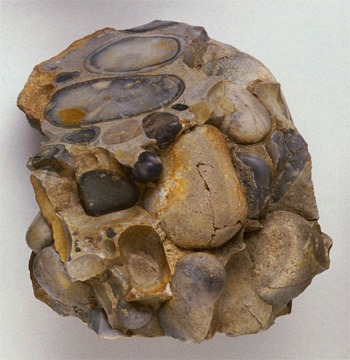
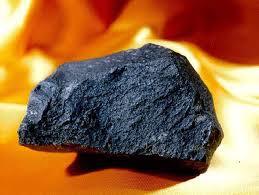
This rock was found near the mouth of a volcano. What type of rock is this?
Sedimentary
Extrusive Igneous
Metamorphic
Intrusive Igneous
Which type of rock results from melting and cooling of magma?
Igneous
Metamorphic
Sedimentary
clastic
Magma that cools slowly underneath Earth's surface hardens into
extrusive igneous rock
intrusive igneous rock
metamorphic rock
magma


Name of the impression of a plant or animal, in the soil, that existed in the past
diamond
hardness
fossil
where does most metamorphic rock form ?
At the Surface
Just below the Surface
in ocean waters
deep underground
What is the product of Melting?
Igneous Rock
Sediments
Sedimentary rock
Magma
Metamorphic rock
What is the product of Deposition and Lithification?
Igneous Rock
Sediments
Sedimentary rock
Magma
Metamorphic rock
Which two have to occur for the creation of sedimentary rock?
cementation and compaction
heat and pressure
cementation and melting
melting and compaction
What type of rock contains large crystals?
metamorphic
sedimentary
igneous
What type of rock might contain holes from gases?
metamorphic
sedimentary
igneous
To turn Metamorphic into Sedimentary you need:
heat and pressure
weathering & cementation
melting
weathering and heat
To turn Igneous into Metamorphic you need
heat and pressure
pressure and weathering
weathering and cementation
melting and pressure
To turn Metamorphic into Igneous you need:
melting
heat and pressure
weathering and cementation
cementation and heat
To turn Sedimentary into Igneous you need
weathering and cementation
melting
heat and pressure
pressure and melting
To turn Igneous into Sedimentary you need
weather and cementation
melting
heat and pressure
pressure and melting
To turn Sedimentary into Metamorphic you need
melting
heat and pressure
weathering and cementation
pressure
Rocks that form from colling magma inside Earth?
Igneous intrusive
Igneous extrusive
Metamorphic foliated
Metamorphic nonfoliated

Marble is an example of...
Igneous
Sedimentary
Metamorphic
Clastic & non-clastic are 2 types of.....
Sedimentary
Igneous
Metamorphic

Which type of rock was MOST LIKELY formed by the Tennessee River over the last 100 million years?
Igneous
Sedimentary
Mountainous
Metamorphic


This rock was another type of rock that was heated and compressed over time. What type of rock is this?
Sedimentary
Igneous
Metamorphic
______________ is responsible for the constant formation of rocks.
Earth's rotation
Plate Tectonics
Earth's axis
Severe weather
How long does the rock cycle take?
A few years
Decades
Millions of years
Hundreds of years
What is lithification?
The process of turning sediment into rock
The melting of rock
The erosion of rock
The cooling of magma
What does 'igneous' mean?
Under pressure
Formed from sediment
Fiery or burning hot
Derived from water
What is the difference between lava and magma?
Lava is found only in oceans, magma is found under continents
Lava is molten rock below the ground, magma is above
Lava is molten rock above the ground, magma is below
There is no difference, they are the same
Identify the series of geologic processes that can transform magma into granite (igneous rock), granite into sand (sediment), and sand into sandstone (sedimentary rock).
Cooling; weathering and erosion; compacting and cementing
Melting; heat and pressure; cooling
Weathering and erosion; compacting and cementing;
Weathering and erosion; compacting and cementing; heat and pressure

When water and other minerals move through open spaced between larger sediments, gluing them together, ____________ occurs.
Compaction
Deposition
Cementation
Erosion

Which part of the rock cycle is number 1?
Magma and Lava
Igneous Rock
Sediment
Sedimentary Rock
Metamorphic rock
Which part of the rock cycle is number 2?
Magma and Lava
Igneous Rock
Sediment
Sedimentary Rock
Metamorphic rock
Which part of the rock cycle is number 3?
Magma and Lava
Igneous Rock
Sediment
Sedimentary Rock
Metamorphic rock
Which part of the rock cycle is number 4?
Magma and Lava
Igneous Rock
Sediment
Sedimentary Rock
Metamorphic rock
Which part of the rock cycle is number 5?
Magma and Lava
Igneous Rock
Sediment
Sedimentary Rock
Metamorphic rock
What happens as rocks are affected by weathering and erosion?
igneous rocks are formed
sediments are formed
metamorphic rocks are formed
lava is formed

__________________ is small, solid pieces of material that come from rocks or living things (sand, silt, mud)
Crystal
Mineral
Sediment
Soil
Granite is often used for decoration and sculpting because the large crystal formations are very beautiful. The large crystals are formed when magma cools slowly. What type of rock is granite?
Igneous
metamorphic
sedimentary
marble
What needs to happen for igneous rock to be transformed into sedimentary rock?
Weathering and erosion need to wear away the igneous rock, forming particles that will eventually cement into sedimentary rock.
Low temperatures at the poles need to freeze the igneous rock, cooling and hardening it into extremely dense sedimentary rock.
Tectonic plates must collide near the igneous rock, driving it under the surface, where it melts into sedimentary rock.
High pressure needs to compact the igneous rock, eventually melting it and forming sedimentary rock as it cools.
Which explanation describes how metamorphic rocks are formed?
Metamorphic rock is formed when sedimentary and igneous rocks change over time under heat and pressure.
Metamorphic rock is formed when earthquakes shake up the rocks so they are broken into small pieces.
Metamorphic rock is formed when sedimentary rocks are broken down over time by wind and rain.
Metamorphic rock is formed when lava that erupts from a volcano cools in the atmosphere.


