Wayground logo

Free Printable Worksheets

Font size

S
M
L
XL
Worksheets

Correction Assignment for Superhero/Villain Project

Total questions: 100

Worksheet time: 3hrs 30mins
Name
Class
Date
1.

The energy we use to function in our everyday lives can be classified as...

a)

Renewable or non-renewable

b)

Natural or non-renewable

c)

Renewable and Natural

d)

All of them

2.
Why is solar energy considered renewable energy?
a)
It's cheaper than fossil fuels
b)
The sun's energy would not run out for billions of years
c)
Solar energy recharges batteries
d)
All of them
3.
_____________ power is electricity produced by flowing water.
a)
Solar 
b)
Wind 
c)
Hydroelectric 
d)
water
4.

Renewable energy resources produce less_____________ than fossil fuels.

a)

pollution

b)

energy

c)

wind

d)

light

5.
Which energy uses water held behind a dam?
a)
Geothermal
b)
Hydroelectric
c)
Nuclear
d)
Solar
6.

What is a renewable resource?

a)

A resource you can reuse over and over

b)

An object you cannot replace

c)

Fossil fuels

d)

A resource that has a nearly unlimited supply
7.
Energy produced by burning organic matter such as wood, food scraps, and animal matter is called______________ energy.
a)
Biomass
b)
Thermal energy
c)
Solar
d)
Wind
8.
What is a disadvantage of wind power?
a)
We have too many rainy days in US
b)
It is not always windy in some places
c)
Companies charge too much to make the wind blow
d)
The sun is not always out
9.
Heat transferred from beneath the surface of Earth and used to produce energy for human use is...
a)
Hydropower
b)
Wind Energy
c)
Geothermal Energy
d)
Solar Energy
10.

All of the following are considered renewable energy sources EXCEPT –

a)

Wind

b)

Coal

c)

Biomass

d)

Solar

11.
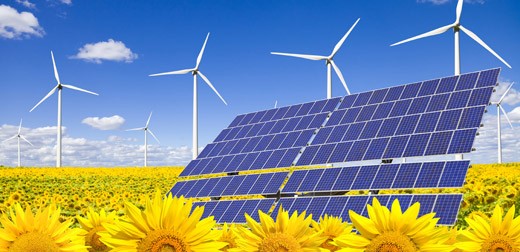
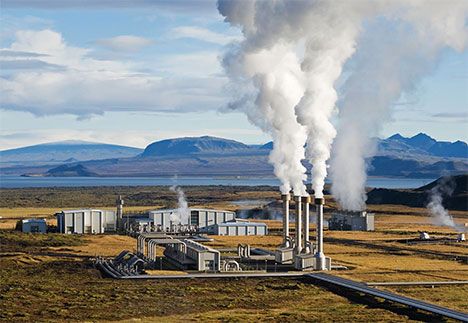
Which type of alternative energy source is shown in this picture?
a)
Wind
b)
Solar
c)
Hydroelectric
d)
Geothermal
12.
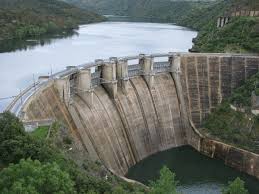
This power plant produces electricity most likely by using - 
a)
fossil fuels
b)
biofuels
c)
solar energy 
d)
geothermal energy 
13.

Renewable Resources are the SAME as ...

a)

Non-Renewable Resources

b)

Green Energy

14.
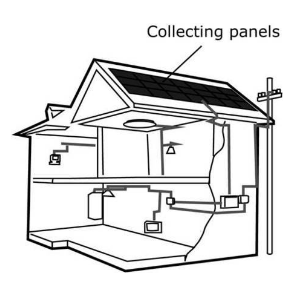
The house illustrated here uses panels on the roof to collect a natural resource and convert it into electricity that can be used.
Which alternative energy source does this house use?
a)
Water
b)
Wind
c)
Solar
d)
Geothermal
15.
Which of the following is a fossil fuel?
a)
Wind
b)
Coal
c)
Solar
d)
Biomass
16.
What characteristic do all renewable resources share?
a)
Produced by waste products
b)
Form underground from dead organisms.
c)
Replaced in a short period of time
d)
Allow energy to pass through them easily
17.
Water is renewable because it.......
a)
can be frozen
b)
important to all life
c)
can be replaced constantly
d)
can evaporate
18.
What do we call large areas of windmills?
a)
Wind farms
b)
Hurricanes
c)
Turbines
d)
Wind tunnels
19.

A con for wind energy is...

a)

the wind turbines are unpleasant to look at

b)

the wind turbines are unpleasant to listen to

c)

they are cheap to build

d)

they provide income for farmers

20.

A positive aspect of investing in geothermal energy is...

a)

it is expensive to start using

b)

it is very efficient & reliable

c)

there is an unlimited supply of heat from within the Earth

d)

it is limited to certain areas

21.

What % of the energy in the WORLD comes from renewable energy?

a)

5.5%

b)

14%

c)

26%

d)

85%

22.

The Hoover Dam uses ________ energy

a)

Hydropower

b)

Solar

c)

Geothermal

d)

Water

23.

What % of the energy in the U.S. comes from renewable energy?

a)

5.5%

b)

14%

c)

26%

d)

85%

24.
__________ is an energy resource that WILL NOT run out in the next several hundred years.
a)
Renewable Energy Resource
b)
Nonrenewable Energy Resource
25.
Solar energy is 
a)
Energy from the uneven heating of the earth.
b)
Energy from burning fossil fuels.
c)
Energy from the sun.
d)
Energy from turbines.
26.

Items that can easily degrade by natural processes

a)

BIODEGRADABLE

b)

BIOMASS

c)

REDUCE

d)

RECYCLABLE

27.

Any significant change in measures of climate, such as temperature lasting for an extended period of a decade or longer.

a)

BIOTECHNOLOGY

b)

CLIMATE CHANGE

c)

CONVECTION

d)

COMPOST

28.

A natural fuel (coal, oil, or gas) formed in the geological past from the remains of living organisms.

a)

FUEL CELL

b)

WIND ENERGY

c)

SOLAR ENERGY

d)

FOSSIL FUEL

29.

Energy stored in the earth in the form of heat.

a)

GEOTHERMAL

b)

SOLAR ENERGY

c)

WIND ENERGY

d)

NUCLEAR ENERGY

30.

The use of flowing water from waterfalls and dams to produce electricity.

a)

HYDRO & TIDAL POWER

b)

SOLAR ENERGY

c)

WIND ENERGY

d)

NUCLEAR ENERGY

31.

Energy stored in the nucleus of an atom.

a)

HYDRO & TIDAL POWER

b)

SOLAR ENERGY

c)

WIND ENERGY

d)

NUCLEAR ENERGY

32.

To decrease the amount of products purchased or produced with the intent of minimizing waste

a)

REDUCE

b)

POLLUTION

c)

RECYCLE

d)

CONSUMER

33.

The process of making new products from materials that were used in another product.

a)

REDUCE

b)

POLLUTION

c)

RECYCLE

d)

CONSUMER

34.

A contaminant to the environment, especially human-made waste.

a)

REDUCE

b)

POLLUTION

c)

RECYCLE

d)

CONSUMER

35.

A person or household that purchases goods or services.

a)

REDUCE

b)

POLLUTION

c)

RECYCLE

d)

CONSUMER

36.

Plant materials and animal waste used especially as a source of fuel.

a)

BIODEGRADABLE

b)

BIOMASS

c)

REDUCE

d)

RECYCLABLE

37.

The ratio of the useful energy delivered by a dynamic system to the energy supplied to it.

a)

BIODEGRADABLE

b)

BIOMASS

c)

REDUCE

d)

EFFICIENCY

38.

Energy from the sun.

a)

HYDRO & TIDAL POWER

b)

SOLAR ENERGY

c)

WIND ENERGY

d)

NUCLEAR ENERGY

39.

Energy derived from wind by means of windmills or wind turbines.

a)

HYDRO & TIDAL POWER

b)

SOLAR ENERGY

c)

WIND ENERGY

d)

NUCLEAR ENERGY

40.

Device that combines hydrogen and oxygen and produces electricity in the process

a)

FUEL CELL

b)

SOLAR ENERGY

c)

WIND ENERGY

d)

NUCLEAR ENERGY

41.

Printing on both sides of the paper helps to ________ paper waste.

a)

REDUCE

b)

REUSE

c)

RECYCLE

42.

Using an old jar to store items in the kitchen is an example of what?

a)

REDUCE

b)

REUSE

c)

RECYCLE

43.

Taking old cans and bottles to the bottle return is an example of...

a)

REDUCE

b)

REUSE

c)

RECYCLE

44.

Which type of energy produces Carbon Dioxide, which can be harmful to our planet and cause pollution?

a)

Solar Energy

b)

Wind Energy

c)

Fossil Fuels (Coal, oil, and gas)

d)

Nuclear Energy

45.

A resource that can be replaced when needed.

a)

Fossil Fuels

b)

Nonrenewable Energy

c)

Exhaustible Energy

d)

Renewable Energy

46.

Renewable energy resources are?

a)

Resource that cannot be readily replaced by natural means on a level equal to its use.

b)

Invisible resources

c)

Renewable resources that can be naturally restored.

d)

All the above

47.

Coal and oil are?

a)

Non-Renewable energy resources

b)

Renewable energy resources

c)

None of the above

48.

___________ energy comes directly from the sun.

a)

Warm

b)

Solar

c)

Hydro

d)

Bio-fuels

49.
Do renewable energy sources run out?
a)
Yes 
b)
No
50.
Non-Renewable resources are also known as what?
a)
Fossil Fuels
b)
Renewable
c)
Scarce fuels
d)
Hydroelectric Energy
51.
Where does most of earth`s energy come from?
a)
The sun
b)
Mars
c)
Wind
d)
Water
52.
What is a non-renewable resource?
a)
Solar energy
b)
A resource that cannot be reused/ recycled
c)
Wind energy
d)
Biomass
53.
Fossil fuels are renewable resources. True or False?
a)
True
b)
False
54.
What is a non-renewable resource?
a)
water
b)
wind
c)
coal
d)
biomass
55.
What is a renewable resource?
a)
A resource you can reuse
b)
An object you cannot replace
c)
Fossil fuels
d)
polluted resources
56.
What is a fossil fuel?
a)
oil
b)
biomass
c)
wind 
d)
water
57.
Which renewable resource gets its direct energy from the sun? 
a)
Geothermal
b)
Solar
c)
Wind
d)
Hydrogen
58.
Why do we use non-renewable resources instead of renewable resources? 
a)
They are less expensive 
b)
They provide more energy than renewable sources.
c)
They support our current consumer economy. 
d)
All of the above.
59.
Energy we get from burning living things s called...
a)
Hydroelectricity 
b)
Wind Energy
c)
Biomass Fuel
d)
Hydrogen Power
60.
Energy we get from earth's interior heat is called...
a)
Geothermal
b)
Solar Energy 
c)
Wind Energy 
d)
Hydroelectricity 
61.
What is Deforestation?
a)
A forest in which there are too many trees/
b)
A forest party where deers hang out
c)
The addition of trees to a forest.
d)
The clearing or destruction of trees; transforming of a forest into flat land.
62.
Water from rivers, lakes and streams eventually end up in the ocean. 
a)
True
b)
False
63.
When energy is generated from the burning of wood or other organic matter, we call it_______.
a)
Solar Energy
b)
Biomass Energy
c)
Thermal Energy
64.
Using the heat from the Earth to generate electricity would be called...
a)
Hydroelectric
b)
Biometric
c)
Geothermal
d)
Fossil Fuels
65.
These fuels are made from living things such as leaves, food wastes, and manure.
a)
geothermal fuels
b)
hydrogen fuels
c)
biomass fuels
66.
What do we call large areas of windmills?
a)
Wind farms
b)
Hurricanes
c)
Turbines
d)
Wind tunnels
67.
Trees, crops, garbage, & landfill gas are all examples of 
a)
Energy
b)
Biomass
c)
Heat
d)
Nuclear waste
68.
Energy that uses heat that comes from within the Earth is called
a)
Geophysical
b)
Geography
c)
Geothermal
d)
Geographic
69.
What is hydroelectric power?
a)
electricity produced by flowing water
b)
wind power
c)
energy from the sun
70.
What is energy from the sun called?
a)
solar energy
b)
nuclear energy
c)
hydroelectric power
71.
Which renewable resource gets its direct energy from the sun? 
a)
Geothermal
b)
Solar
c)
Wind
d)
Hydrogen
72.
What is a non-renewable resource?
a)
Solar energy
b)
A resource that cannot be reused/ recycled
c)
Wind energy
d)
Biomass
73.
Most water pollution is the result of
a)
human pollution activities.
b)
drought.
c)
volcanic eruptions.
d)
storms.
74.
Coal, gas, and petroleum are all examples of...
a)
Recycled fuels
b)
Fossil Fuels
c)
Renewable fuels
d)
Fancy Fuels
75.
Solar energy is energy from the _____________.
a)
Moon
b)
Stars
c)
Wind
d)
Sun
76.
Thermal energy from Earth's interior is called____________ energy
a)
geothermal
b)
microthermal
c)
potential
d)
action
77.
Energy produced by burning organic matter such as wood, food scraps, and animal matter is called______________ energy.
a)
Biomass
b)
Thermal energy
c)
Solar
d)
Wind
78.
Which energy source has the least negative environmental impact?
a)
Biomass
b)
Nuclear
c)
Natural Gas
d)
Solar
79.
All of the following are considered alternative energy sources EXCEPT –
a)
Wind
b)
Coal
c)
Biofuel
d)
Solar
80.
What does the three R's of recycling mean?
a)
risk corridors reinsurance and risk adjustment
b)
reading writing and arithmetic
c)
nothing
d)
Reduce Reuse Recycle
81.
The following is an example of reducing: 
a)
bringing newspapers to a recycling center. 
b)
using plastic bags as small garbage bags.  
c)
using less water when you shower.  
d)
all of the above.  
82.
What is the term used to describe objects that are being washed and used again?
a)
recycling
b)
reducing
c)
reusing
d)
buying 
83.
Which of the following can be recycled?
a)
soda bottle
b)
plastic spoon
c)
paper plates
d)
zip lock bags
84.
What does it mean if an item is 'biodegradable'?
a)
It means that it will eventually break down completely in nature
b)
It means that it is bad for the environment
c)
It means that it is perfect for composting
d)
It means that it can be eaten?
85.
What are harmful material in the environment?
a)
Nonrenewable resources
b)
recycle
c)
reuses
d)
pollution
86.
Which word means to use less of a resource?
a)
reduce
b)
reuse
c)
recycle
d)
conservation
87.
Which words means to break down a product and use its material again?
a)
reuse
b)
reduce
c)
recycle
d)
conservation
88.
What are resources that can be replaced during a human lifetime?
a)
renewable resources
b)
nonrenewable resources
c)
conservation
d)
pollution
89.
Which word means to use something again and again?
a)
reduce
b)
reuse
c)
recycle
d)
conservation
90.
What are resources that cannot be replaced during a human lifetime called?
a)
pollutants
b)
conservation
c)
natural resources
recycle
d)
nonrenewable resources
91.
Which word means to save resources by using them wisely?
a)
conservation
b)
recycle
c)
pollution
d)
reuse
92.
What are materials found in nature that are used by living things?
a)
pollutants
b)
trash
trash
c)
natural resources
d)
reuse
93.
What type of resource is a tree?
a)
nonrenewable
b)
natural
c)
fresh
d)
capitol
94.
What is one way to cut down on pollution?
a)
drive cars
b)
walk to school
c)
dump oil in the ocean
d)
throw trash on the street
95.
What type of resource is gas?
a)
renewable
b)
nonrenewable
nonenewable
c)
natural
d)
capitol
96.
Why should we pick up litter if I see it on the ground?
a)
because litter is harmful
b)
because litter is helpful
c)
because litter can be sold
d)
because litter looks nice
97.
Which of the following is an example of conservation?
a)
planting trees
b)
building more roads
c)
using lots of water
d)
driving a big car
98.
Which type of runoff may pollute the water?
a)
farm chemicals
b)
drinking water
c)
plastic bags
d)
newspapers
99.
Which of the following is a way to conserve water?
a)
stop washing
b)
use cold water
c)
fix a leaky faucet
d)
water the lawn each day
100.
Why would people in a desert environment need to conserve water more than people in other environments?
a)
There is little rain in the desert so there is not a lot of water. 
b)
They don't need to conserve water because they can just go to a lake a get the water from there.