wayground logo

Free Printable Worksheets

Font size

S
M
L
XL
Worksheets

W.E.D - TX ECOREGIONS - SUCCESSIOIN

Total questions: 100

Worksheet time: 3hrs 21mins

Name
Class
Date
1.
Plant life starting to grow on a volcano
a)
primary succession
b)
secondary succession
c)
tertiary succession
d)
variable succession
2.
What is the order of succession shown in this figure?
a)
A, B, C, D
b)
B, A, D, C
c)
C, D, A, B
d)
D, A, B, C
3.
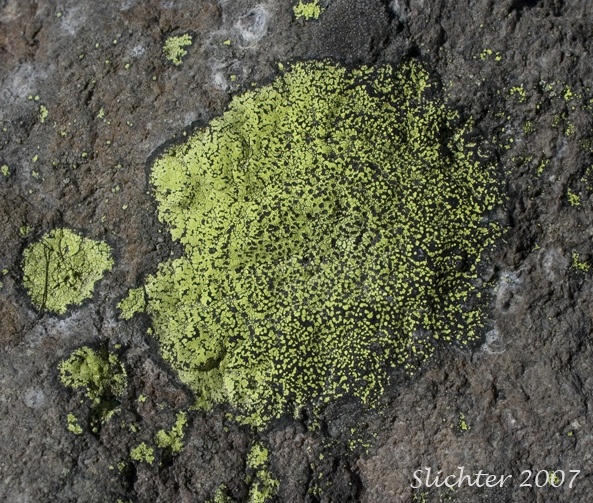
What is the first species you will see after a primary succession? (in picture)
a)
lichens
b)
grasses
c)
small plants
4.
A pioneer species is...
a)
a large organism
b)
the first organisms to adapt to a new environment 
c)
The best organism 
d)
Abiotic organisms 
5.

What is colonize?

a)

When an ecosystem is harm in any way.

b)

to establish a colony in or of

c)

The reappearance of organisms

d)

none

6.
the process by which a new community forms where no community lived before 
a)
resource
b)
invasive (non- native) species
c)
primary succession
d)
competition
7.
Which is the correct order in primary succession?
a)
Rocks, Lichens & Mosses, Bushes & Shrubs, Trees
b)
Lichens & Mosses, Rocks, Trees, Bushes & Shrubs 
c)
Trees, Bushes and Shrubs, Lichens & Mosses, Lichens & Mosses
d)
Rocks, Grass, Trees, Bushes & Shrubs
8.
succession that occurs in an area with no soil
a)
ecological succession 
b)
primary succession 
c)
secondary succession
d)
pioneer speciles
9.
the first organisms that appear in an ecological community
a)
ecological succession 
b)
primary succession 
c)
secondary succession
d)
pioneer speciles
10.
succession that occurs in an area where soil is already present
a)
ecological succession 
b)
primary succession 
c)
secondary succession
d)
pioneer speciles
11.
What type of succession is shown going from figure A to figure B?
a)
primary succession
b)
eutrophication
c)
secondary succession
d)
intermediate
12.
The picture shows what type of succession?
a)
primary
b)
secondary
c)
tertiary
d)
quadanary
13.

Secondary succession (thnk soil) forms after a catastrophic event like a forest fire and has a ___________ growth rate than primary succession because soil already exists.

a)

extremely slower

b)

slower

c)

faster

14.
What is a pioneer organism? It is the ______ organism in _________ succession. 
a)
is the first , in primary succession
b)
is the last in secondary succession, 
15.

Primary succession begins where there was no ecosystem and no soil such as

a)

a severe storm

b)

a volcanic eruption

c)

an old farm is abandoned

d)

a forest fire

16.

What is ecological succession?

a)

A series of predictable changes that occur in a community over time.

b)

It is the number of fish increasing.

c)

It is the seasons of the year.

d)

It is that rain follows cloud formation.

17.

What is a pioneer species?

a)

Pioneer means first- so it must be the first thing to grow where nothing has grown before.

b)

Pioneer means last -it's the last thing in an ecosystem

c)

Pioneer has to do with covered wagons and traveling west during the 1800s.

18.

Give an example of primary succession.

a)

Colonization of bare rock by lichens and mosses

b)

Establishment of a mature forest after a wildfire.

c)

Formation of a coral reef.

d)

Growth of grasses and shrubs in a forest understory.

19.

Give an example of secondary succession.

a)

Urban area undergoing gentrification.

b)

Ocean ecosystem recovering from an oil spill.

c)

Forest destroyed by wildfire

d)

Grassland converted into farmland.

20.

What are the stages of primary succession?

a)

Shrubs and small trees establish, pioneer species colonize, mosses and lichens break down rocks, grasses and small plants grow.

b)

Grasses and small plants establish, larger trees and diverse ecosystem develop, pioneer species colonize, mosses and lichens break down rocks.

c)

Pioneer species colonize, mosses and lichens break down rocks, grasses and small plants grow, shrubs and small trees establish, larger trees and diverse ecosystem develop.

d)

Mosses and lichens establish, shrubs and small trees grow, pioneer species colonize, diverse ecosystem develops.

21.
a stable ecological community that has reached equilibrium
a)
ecological succession 
b)
climax community
c)
secondary succession
d)
pioneer speciles
22.
reaches a climax community quicker because soil is already present
a)
primary succession 
b)
secondary succession
c)
both types of succession
23.

After a volcanic eruption, lava covers the land. What is the order that plants grow to repopulate the area?

a)

Lichens → Shrubs → Grasses → Trees

b)

Lichens → tree → shrubs→Grasses

c)

Grasses → Lichens → Shrubs → Trees

d)

Lichens → Grasses → Shrubs → Trees

24.
the first organisms that appear in an ecological community
a)
ecological succession 
b)
primary succession 
c)
secondary succession
d)
pioneer speciles
25.
succession that occurs in an area with no soil
a)
ecological succession 
b)
primary succession 
c)
secondary succession
d)
pioneer speciles
26.
succession that occurs in an area where soil is already present
a)
ecological succession 
b)
primary succession 
c)
secondary succession
d)
pioneer speciles
27.
the first organisms that appear in an ecological community
a)
ecological succession 
b)
primary succession 
c)
secondary succession
d)
pioneer speciles
28.
a stable ecological community that has reached equilibrium
a)
ecological succession 
b)
climax community
c)
secondary succession
d)
pioneer speciles
29.
starts with bare rock followed by lichen
a)
primary succession 
b)
secondary succession
c)
both types of succession
30.
reaches a climax community quicker because soil is already present
a)
primary succession 
b)
secondary succession
c)
both types of succession
31.
The picture shows what type of succession?
a)
primary
b)
secondary
c)
tertiary
d)
quadanary
32.
Natural disasters such as flooding and tornadoes are linked to ________________.
a)
primary
b)
secondary
c)
old field
d)
ecosystem
33.

Breaking News! A new island has formed off of Hawaii! What must occur for it to become an ecosystem?

a)

Secondary Succession

b)

Aquatic succession

c)

Primary Succession

d)

Ferns must grow

34.

Which ecoregion receives the most impact from hurricanes and experiences a lot of flooding due to its low elevation, close proximity to the coast, and average annual rainfall of 30-50 inches?

a)

High Plains

b)

Edwards Plateau

c)

Piney Woods

d)

Gulf Coast Prairies and Marshes

35.

Which ecoregion is located in the northeast and has 85 different species of trees?

a)

High Plains

b)

Trans Pecos

c)

Piney Woods

d)

Edwards Plateau

36.

This is a picture of the _________ ecoregion of Texas. The most common type of erosion this ecoregion sees is due to waves and hurricanes.

a)

Hill Country/Edwards Plateau

b)

Piney Woods

c)

Gulf Coast Plains and Marshes

d)

High Plains

37.
In the Edwards Plateau, the limestone rocks are highly
vulnerable to chemical and physical weathering. Which of the following land formations would be expected in this area?
a)
Canyons
b)
Lakes
c)
Rivers
d)
Caves
38.

When rocks break down into smaller rocks, this is called. . .

a)

Erosion

b)

Deposition

c)

Weathering

d)

All of these are correct

39.

When rocks are moved by a force this is called . . .

a)

Weathering

b)

Erosion

c)

Deposition

d)

All of these are correct

40.

Galveston is in the Gulf Coast Marsh ecoregion and has beaches that are often exposed to hurricanes originating in the Gulf of Mexico. It is reasonable to predict that hurricane activity may...

a)

create new rivers near Galveston

b)

move sand from the beach to offshore sand bars

c)

cause local earthquakes after the storm

d)

create new river deltas along the beaches

41.

What type of erosion do the high plains get a lot of due to a low precipitation average of only 15-22 inches per year?

a)

Water erosion

b)

Chemical erosion

c)

Biological erosion

d)

Wind erosion

42.

The Rolling Plains ecoregion contains may rivers and tributaries that are responsible for shaping the landscape we see today. Which statement best describes the features we commonly see in the Rolling Plains?

a)

canyons formed from river erosion

b)

caves formed from chemical erosion

c)

plateaus due to sediment deposition

d)

sand dunes due to wind erosion and deposition

43.

#1

(a)  

44.

#2

(a)  

45.

#3

(a)  

46.

#4

(a)  

47.

#5

(a)  

48.

#6

(a)  

49.

#7

(a)  

50.

#8

(a)  

51.

#9

(a)  

52.

#10

(a)  

53.

Which ecoregion has the most abundant water resource?

a)

Trans Pecos

b)

Gulf Coast Prairies and Marshes

c)

Rolling Plains

d)

High Plains

54.

Which ecoregion has the least amount of vegetation?

a)

Trans Pecos

b)

Cross Timbers

c)

South Texas Plains

d)

Post Oak Savannah

55.

Which ecoregion is also known as hill country?

a)

Trans Pecos

b)

High Plains

c)

Edward's Plateau

d)

Piney Woods

56.

Which ecoregion experiences the coldest winter temperatures?

a)

Gulf Coast Plains

b)

Edwards Plateau

c)

Trans Pecos

d)

High Plains

57.

Over growth of algae in a river could be a result of

a)

Excess fertilizer carried to the river in runoff

b)

too many fish in the river

c)

a drought

d)

chemicals from factories

58.
Rain washing away soil from a hillside
a)
Weathering
b)
Erosion
c)
Deposition
59.
Which of the following natural disasters have the MOST impact on TEXAS?
a)
hurricanes
b)
floods
c)
tornadoes
d)
earthquakes
60.

All human development _____ the rate of erosion on the land.

a)

decreases

b)

increases

61.

True or False: Wind is powerful enough to weather down a boulder.

a)

True

b)

False

62.

A beautiful display of bluebonnets bloomed along the bank of the river, but after the storm last night, the flowers and a large section of the soil in which they grew is gone. What is this an example of?

a)

weathering

b)

erosion

c)

deposition

63.

When we walk along the seashore, we look for shark teeth in the sand. Sometimes we also find unbroken sand dollars, too. This is an example of

a)

weathering

b)

erosion

c)

deposition

64.

Which process breaks rock into sediments?

(a)  

65.

Which process moves sediment from its original location to another location?

(a)  

66.

Which process drops sediment off in a new location?

(a)  

67.

As a river approaches the ocean, the water speed __________ and sediments are ______________.

a)

increases; deposited

b)

decreases; weathered

c)

decreases; weathered

d)

decreases; deposited

68.

How does freezing water cause the weathering of rocks?

a)

It keeps the rocks in place.

b)

It expands cracks and breaks rocks.

c)

It makes the rocks last longer

d)

It causes rocks to fall in landslides

69.

The image above depicts the effects of chemical weathering breaking down limestone. Which type of chemical weathering causes this reaction?

a)

Acid rain

b)

Oxidation

c)

Exfoliation

d)

Abrasion

70.

This type of weathering in which rock is physically broken into smaller pieces.

a)

Chemical weathering

b)

Erosion

c)

Mechanical weathering

d)

Deposition

71.

What do we call the process in which rock is broken down by changes in its chemical makeup.

a)

Chemical weathering

b)

Mechanical weathering

c)

Erosion

d)

Deposition

72.

The grinding/scratching away of rock by other rock particles carried in water, ice, or wind

a)

Frost wedging

b)

Exfoliation

c)

Oxidation

d)

Abrasion

73.

A type of chemical weathering in which a substance combines with oxygen, as when iron oxidizes, forming rust.

a)

Acid rain

b)

Oxidation

c)

Reaction to water

d)

Exfoliation

74.

Which of the following agents is the usually responsible for the formation of canyons?

a)

Gravity pulling

b)

Wind blowing

c)

Flowing water

d)

Glaciers moving

75.

The tallest sand dunes in North America are found in Great Sand Dunes National Park and Preserve in Colorado. These dunes were formed from the sand at the bottom of a dry lake bed. Which of the following agents is most likely responsible for the formation of the sand dunes?

a)

Wind

b)

Water

c)

Ice

d)

Gravity

76.

Which three processes below are examples of chemical weathering?

a)

Oxidation

b)

Hydrolysis

c)

Carbonation

d)

Root Wedging

77.
During chemical weathering, what can happen to the type of rock that has undergone chemical weathering?
a)
a new rock is produced that is larger than the original rock
b)
a new rock is produced that is the same as the original rock
c)
a new rock is produced that is different from the original rock 
d)
no new rock is created - it is just smaller in size
78.
How do plants weather rocks?
a)
during photosynthesis
b)
when roots grow into cracks of rocks and expand the rock
c)
when the plant moves water from the roots to the leaves
79.

carbon dioxide dissolves in water then weathers marble and limestone

a)

chemical weathering

b)

mechanical weathering

c)

erosion

d)

deposition

80.

The type of climate where chemical weathering will occur more slowly due to lack of moisture.

a)

Mechanical

b)

Oxidation

c)

Desert

d)

Tropical

e)

Carbonic Acid

81.
What is the movement of rocks and soil from one place to another?
a)
weathering 
b)
erosion 
c)
deterioration
d)
deposition
82.
What is the breaking up of rocks into smaller pieces without changing the chemistry of it?
a)
physical weathering
b)
chemical weathering
83.
What is the process in which rock is broken down by changes in its chemical makeup?
a)
physical weathering
b)
chemical weathering
84.
When fossil fuels are burned, these chemicals combine with water in the atmosphere to produce..
a)
deposition 
b)
cleaner air
c)
stronger acids
d)
physical weathering
85.
Agents of physical weathering include _________, plant, and animal actions.
a)
temperature changes
b)
oxidation 
c)
fossil fuels
d)
deterioration
86.
What agent of chemical weathering, causes rocks to break down and change composition?
a)
burrowing animals 
b)
roots of plants
c)
acid rain
d)
wind abrasion 
87.
The breakdown of rock material by physical and chemical processes is called...
a)
weathering 
b)
erosion
c)
oxidation
d)
deposition 
88.
What can caused a rock to break without any change in the minerals that form the rock?
a)
oxidation
b)
acid rain
c)
freezing water
d)
fossil fuels
89.
What causes minerals in rocks to be changed and leads to the deterioration of the rock?
a)
chemical weathering
b)
physical weathering
90.
Rain, ice, and snow has shaped our _____ by physically and chemically weathering rock and soil.
a)
weather
b)
environment
c)
climate
91.
________ is the process in which rocks and soil are dropped.
a)
weathering 
b)
erosion
c)
oxidation
d)
deposition 
92.
Physical weathering can be caused by water or wind and is also known as...
a)
mechanical weathering
b)
chemical weathering
93.
An increase in temperature will cause ____ as its atoms move about more and atoms take up more space.
a)
rocks to expand
b)
rocks to contract
94.
A decrease in temperature will cause a ________ as its atoms slow down and atoms take up less space.
a)
rocks to expand
b)
rocks to contract
95.
Repeated temperature changes can ________ of a rock, causing it to crumble.
a)
strengthen the structure
b)
weaken the structure
96.
Burrowing animals can move soil and rock to the surface which exposes rocks and can cause...
a)
physical weathering
b)
chemical weathering
97.
Roots of plants can slowly grow overtime into small cracks in rocks which causes...
a)
physical weathering
b)
chemical weathering
98.
Rock can be broken down by the action of other rocks over time in a process called...
a)
erosion
b)
oxidatioin
c)
deterioration 
d)
abrasion 
99.
Oxygen in the air or water can cause rock surfaces to change color in a process called...
a)
erosion
b)
oxidatioin
c)
deposition 
d)
abrasion 
100.
Fossil fuels burning and combining with water in the atmosphere is an example of...
a)
chemical weathering
b)
physical weathering