
 Worksheets
7th Grade Spring Review
Total questions: 125
Worksheet time: 30hrs 6mins

Which is the structure that we can't find in animal cells?
Mitochondria
Nucleus
Cell membrane
Cell wall

The organelle in charge of transforming the energy of the sunlight into chemical energy (glucose)?
Mitochondria
Golgi bodies
Chloroplast
Nucleus

What is the main control center of cells?
Nucleolus
Nucleus
Golgi Body
Lysosomes

the basic unit of structure and function in living organisms
Cell
Atom
Nucleus
Proton

regulates what goes into and out of the cell
Chloroplast
Cell wall
Cell membrane
Brain

all organisms are composed of one or more cells
Cell phone
Cell components
Cell wall
Cell Theory

gives structure to plant cells
Cell Wall
Cell membrane
Cellulose
Mitochondria

site of photosynthesis in plant cells
Nucleus
Cell wall
Chloroplast
Chlorophyll

fluid that surrounds the organelles
Cytoplasm
Cell
Nucleus
Vacuole

converts energy from food into energy a cell can use
Chloroplast
Mitochondria
Nucleus
Vacuole

contains genetic material and controls the use of genes; found in eukaryotic cells
Vacuole
Cell Wall
Cell Membrane
Nucleus

storage area for cells; water storage in plants
Vacuole
Organ
Organelle
Mitochondria
Which of the following are true?
All cells come from other cells.
Cells are the basic building blocks of life.
All organisms are composed of one or more cells.
All of the above are true.
Which statement of levels of organization from simplest to most complex?
cells, tissue, organs, organ system, organisms
organisms, organ system, organs, tissue, cells
organ, cells, tissue, organ system, organisms
tissue, cells, organ system, organism, organ
have a nucleus and other membrane bound organelles
eukaryotic cells
prokaryotic cells
cytoplasm
do not have a nucleus or other membrane bound organelles
prokaryotic cell
eukaryotic cell
cytoplasm
Which type of cell DOES NOT have a nucleus?
Prokaryotic
Eukaryotic
What is an element?
A substance that cannot be broken down into simpler substances by chemical means.
A substance that can be broken down into simpler substances by physical means.
A substance that is composed of only one type of atom.
A substance that can be broken down into simpler substances by chemical means.
What is a compound?
A compound is a substance formed by the physical combination of two or more elements.
A compound is a substance formed by the chemical combination of two or more elements in random proportions.
A compound is a substance formed by the chemical combination of two or more elements in indefinite proportions.
A compound is a substance formed by the chemical combination of two or more elements in definite proportions.
Define physical change.
A physical change is a change in which the physical properties of the substance remain the same.
A physical change is a change in which the chemical composition of the substance is altered.
A physical change is a change in which the physical properties of the substance are altered, and its chemical composition remains the same.
A physical change is a change in which the physical properties of the substance, such as shape, size, or state of matter, are altered, but its chemical composition remains the same.
What is a chemical change?
A chemical change is a process that results in the formation of new substances with properties opposite to the original substances.
A chemical change is a process that results in the formation of new substances without properties.
A chemical change is a process that results in the formation of new substances with properties different from the original substances.
A chemical change is a process that results in the formation of new substances with the same properties as the original substances.
Provide an example of a chemical change.
Cutting a piece of paper
Mixing salt and water
Burning wood
Melting ice
All matter is made of _________.
energy
atoms
electrons
compounds
What is at the center of each atom?
An electron
A compound
A molecule
A nucleus

What does the nucleus of an atom contain?
Electrons and neutrons
Protons and neutrons
Neutrinos and positrons
DNA and RNA

Atoms are made up of ________________
energy
electrons
subatomic particles
gasses

The subatomic particles that make up an atom.
solid, liquid, gas
electrons, protons, nucleus
energy, protons, nucleus
electrons, protons, neutrons

__________ are negatively charged particles that are in the orbitals around the nucleus.
protons
nucleus
neutrons
electrons

A proton has a ___________ charge.
positive
negative
neutral
massive.
A neutron has _________ charge or is ________.
negative ... neutral
positive .... neutral
no .... negative
no ... neutral

Which is an electron?
A
B
C
True or False
In a chemical reaction, no new atoms are created, and no atoms are destroyed.
TRUE
FALSE
What is the right part of a chemical equation called...
2H2 + O2 --> 2H2O
Reactants
Yields
Products
Chemical Equation
What is the left part of a chemical equation called?
2H2 + O2 --> 2H2O
Reactants
Yields
Products
Chemical Equation
Which is NOT an indication of a chemical change?
Temperature Change
Shape Change
Formation of a precipitate
Production of light
When a new substance forms as a result of a chemical reaction, what type of change has occurred?
Chemical Change
Physical Change
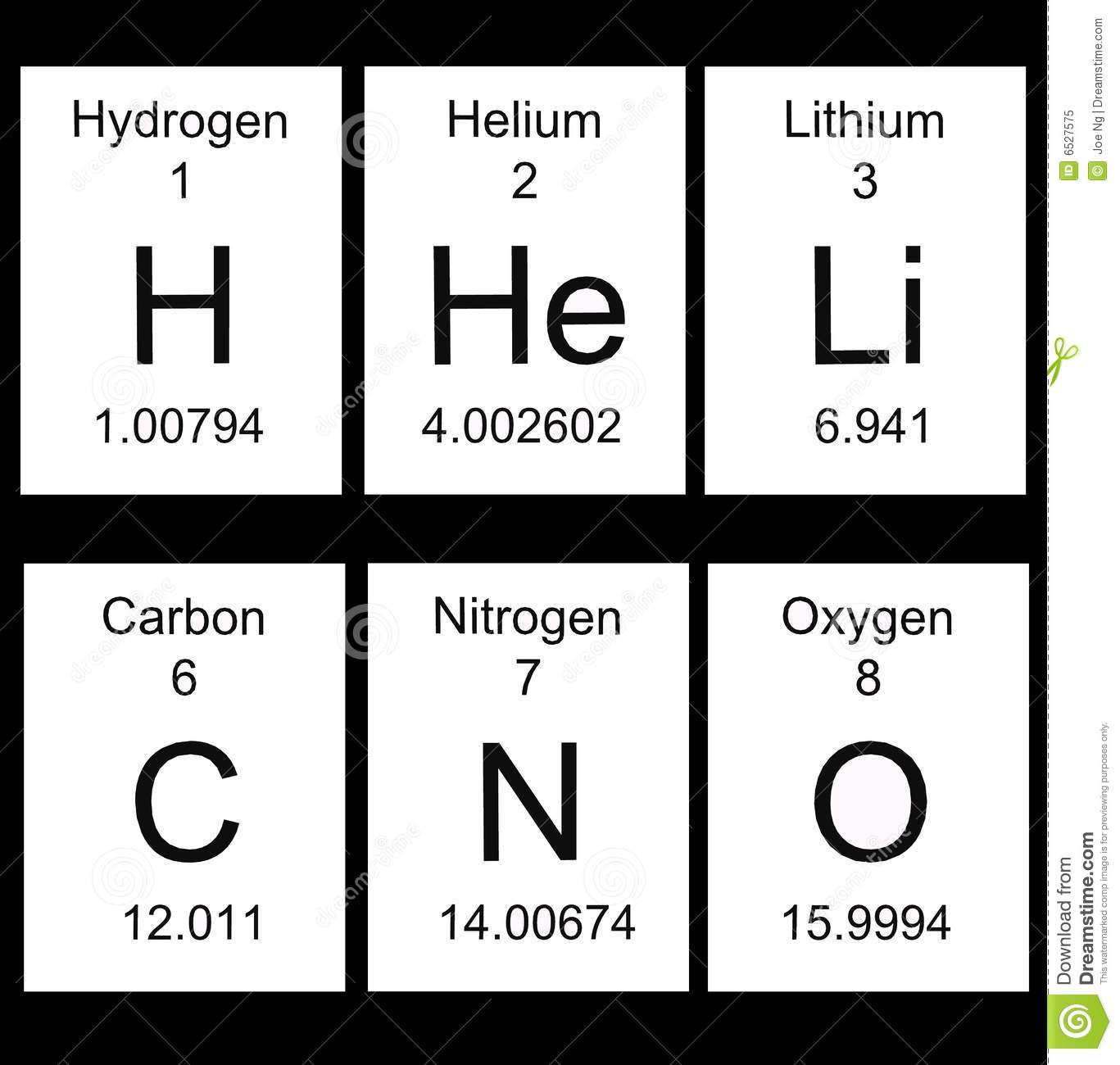
What is the chemical symbol for Lithium?
H
He
Li
N
The chemical symbol for an element is always represented by only 1 letter
True
False
What are the elements found in a water molecule?
Helium and oxygen
Hydrogen and Oxygen
A particle with NO charge is a:
proton
neutron
electron
nucleus
Negatively charged particles in an atom are known as:
protons
neutrons
electrons
Together, the protons and _____________ make up almost all the mass of an atom
neutrons
electrons
atoms
______________is the number of protons in the nucleus of an atom, this defines the element:
atomic mass
atomic number
energy level
What is a tiny, negatively charged particle that moves around the outside of the nucleus of an atom?
proton
neutron
electron
______________ is a small particle in the nucleus of an atom, with no electrical charge
proton
neutron
electron
Surrounding the nucleus is a cloud-like region of moving _________________________.
protons
neutrons
electrons

The powerhouse of the cell
Nucleus
Golgi Complex
Endoplasmic Reticulum
Mitochondria
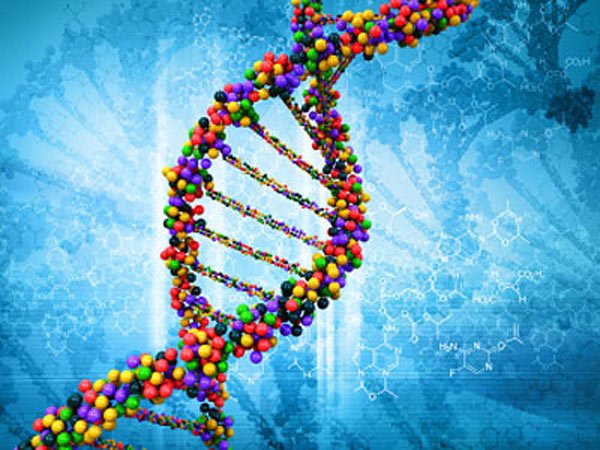
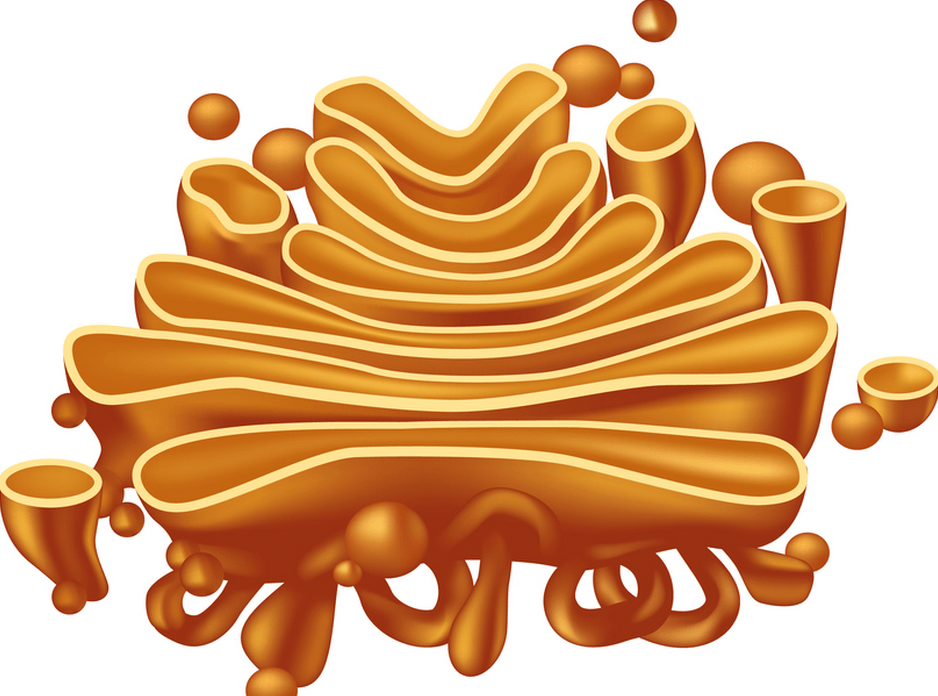

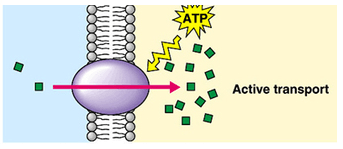
Which of the following pictures shows a higher concentration?


Which of the following is the BEST definition for passive transport?
Movement of substances through a cell membrane from a high to low concentration without the use of energy
Movement of substances through a cell membrane from a low to high concentration requiring the use of energy
Movement of substances through a cell membrane from a low to high concentration without the use of energy
Movement of substance through a cell membrane from a high to low concentration requiring the use of energy
A lysosome's main function is to...
Use light energy to make food
Protect the cell
Break down materials
Fight off infections
Plant Cells, Animal Cells, or BOTH?
"Mitochondria is the only available energy
transforming organelle."
Plant Cells ONLY
Animal Cells ONLY
BOTH Plant Cells and Animal Cells
Plant Cells, Animal Cells, or BOTH?
"Nucleus stores DNA."
Plant Cells ONLY
Animal Cells ONLY
BOTH Plant Cells and Animal Cells
Plant Cells, Animal Cells, or BOTH?
"Cell wall provides structural framework."
Plant Cells ONLY
Animal Cells ONLY
Both Plant Cells and Animal Cells
Plant Cells, Animal Cells, or BOTH?
"Ribosomes build proteins."
Plant Cells ONLY
Animal Cells ONLY
BOTH Plant Cells and Animal Cells
Plant Cells, Animal Cells, or BOTH?
"Cell membrane is the only outer boundary for the
cell."
Animal Cells ONLY
Plant Cells ONLY
BOTH
Plant cells, Animal cells, or BOTH?
"Chloroplast and mitochondria essential for energy
transfer."
Animal Cells ONLY
Plant Cells ONLY
BOTH Plant Cells and Animal Cells
Plant Cells, Animal Cells, or BOTH?
"Vacuoles are used for storage"
Animal Cells ONLY
Plant Cells ONLY
BOTH Plant Cells and Animal Cells
When an atom loses an electron, it becomes a ____.
positive ion
negative ion
neutral ion
neutral atom
Electrons involved in bonding between atoms are ____.
valence electrons
inside the nucleus
closest to the nucleus
positively charged
What happens when chemical bonds break and new bonds form?
a physical change
a chemical reaction
matter is destroyed
surface area increases
What is the chemical name for the compound with the formula Na2S?
sodium fluoride
magnesium sulfide
lithium oxide
sodium sulfide
What is a double bond?
a bond between two atoms
one pair of electrons shared between two atoms
two pairs of electrons shared between two atoms
two pairs of electrons shared between four atoms
Ions that are made of more than one atom are examples of ____.
polyatomic ions
negative ions
positive ions
neutral ions
A chemical bond formed when two atoms share electrons is called a (an) ____.
ionic bond
covalent bond
polyatomic bond
crystal bond
The substances listed on the left side of a chemical equation are the ____.
products
coefficients
precipitates
Reactants
What is the greatest number of valence electrons an atom can have?
2
3
8
12
A chemical reaction that absorbs energy in the form of heat is described as
endothermic
exothermic
combustion
unbalanced
An ionic bond is the attraction between ____.
similarly charged ions
oppositely charged ions
neutral ions
neutral atoms
A covalent bond in which electrons are shared unequally is ____.
polar
a double bond
ionic
polyatomic
Magnesium bromide is an ionic compound with the chemical formula MgBr2. What does the "2" tell you?
Bromide has a 2 charge.
There are two magnesium ions to every bromide ion.
There are two bromide ions for every magnesium ion.
Bromide has a 2+ charge.
A shorter, easier way to show chemical reactions, using symbols instead of words, is called a ____.
chemical equation
chemical formula
symbol
subscript
CaCO3 represents a chemical ____.
symbol
formula
subscript
reaction
The only sure evidence for a chemical reaction is ____.
the formation of a gas
a color change
the production of one or more new substances
changes in properties
Which of the following is a balanced chemical equation?
H2O2 H2O + O2
2 Fe2O3 + 3 C 4 Fe + 3 CO2
SO2 + O2 + 2 H2O 4 H2SO4
2 Mg + HC1 MgCl2 + H2
When an atom gains an electron, it becomes a (a) ion.
The attraction between a positive ion and a negative ion results in a(n) (a) bond
When electrons are (a) between two atoms a covalent bond is formed
Nitrate (NO3–), ammonium (NH4+), and carbonate (CO32–) are examples of (a) ions.
Bonds that form between two nonmetal atoms usually are (a) bonds.
Elements in Group 1 lose one electron to form ions with a (an) (a) charge.
In a chemical equation, a (an) (a) tells you how many atoms or molecules of a reactant or a product take part in a reaction.
The principle of (a) states that during a chemical reaction, matter is not created or destroyed.

Which letter represents decomposition?
A
B
C
D
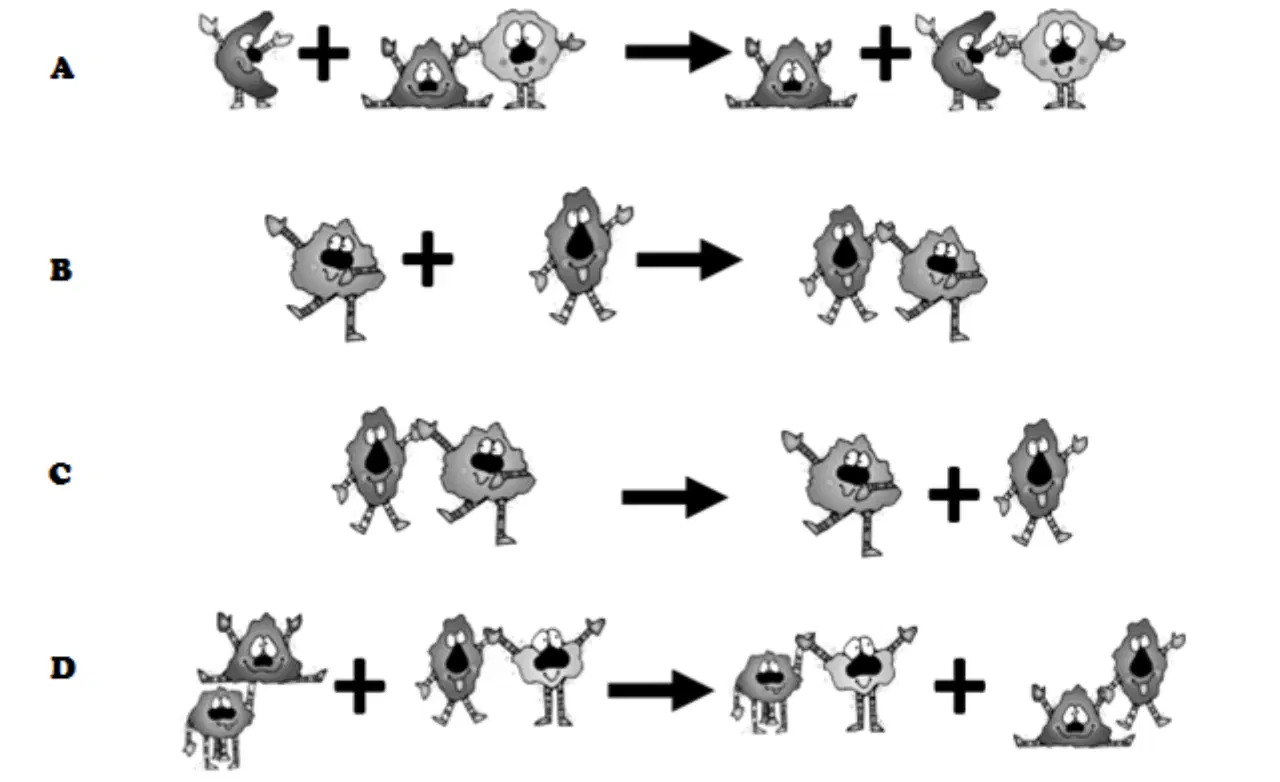
Which letter represents single displacement?
A
B
C
D

Which letter represents synthesis?
A
B
C
D

Which letter represents double displacement?
A
B
C
D

What are the reactants in Equation A?
(a)

What are the products in Equation B?
(a)

What do the coefficients tell you about the ratio of the reactants in Equation B?
(a)
PCl5+_ H2O→_ HCl+H3PO4

PCl5+_ H2O→_ HCl+H3PO4
_Zn+_HCl-->_ZnCl2 +_H2
_Mg + _Cl2 --> _MgCl2
_N2 + _H2 --> _NH3
H2 + O2 -> H2O
_2_H2 + _1_O2 -> _2_H2O
H2 + O2 -> H2O
H2 + O2 -> H2O
_ H2 + O2 -> 2 H2O
Al + O2 → 2Al2O3
What is the arrow in a chemical equation...
H2 + O2 --> H2O
Reactants
Products
Yields
Chemical Equation
MgCl2 --> Mg4+ Cl2
FeS + 2HCl -->
FeCl2 + H2O
2Li + Cl2 -> LiCl
Match the cell theory contributor with their correct invention/discovery
Discovered cells and coined the term "cell"
Robert Hooke
Invented the first compound microscope
Hans and Zacharias Janssen
Discovered red blood cells and bacteria
Antoni van Leeuwenhoek
Discovered that all plants are made of cells
Matthias Schleiden
Discovered that all animals are made of cells
Theodor Schwann
Janssen
Invent the Microscope
Hooke
Named the Cell
Leeuwenhoek
Father of Microbiology
Schleidan and Schwann
Cell Theory
Virchow
Father of Modern Pathology
A transportation system within the cell
Endoplasmic Reticulum
Builds Proteins
Ribosome
Manages the Actions of a the cell
Nucleus
Match the organelle to its description.
Proteins are made on these small structures.
Ribosomes
Controls all activity in the cell (the brain) and stores DNA
Nucleus
The fluid that fills the cell and
keeps the organelles in place
Cytoplasm
Power plant of the cell. They
create energy called ATP.
Mitochondrian
Outer lining the cells.
Controls what goes
in and out.
Cell Membrane
(a) are to the cell as a storage closet is to a classroom. (b) store water and other materials for the cell, much like a storage closet holds supplies for a classroom.

