
 Worksheets
Final Exam 2024
Total questions: 100
Worksheet time: 1hrs 12mins


What is this?
beaker
telescope
microscope
spring scale

Which force pulls objects towards the Earth
Friction
Fore
Air resistance
Gravity
What is a sign that a chemical change has occurred?
The physical properties are the same
The state of the matter has changed
The production of heat, light, or smoke is observed
The substance seems to have disappeared

What part of the microscope is labeled 1?
objective lenses
ocular lens
stage
coarse adjustment knob

What part of the microscope is labeled 2?
Body Tube
base
Light source
Diaphragm

What part of the microscope is labeled 3?
Arm
Stage
Objective Lenses
Nose piece

Which part of the microscope is labeled 4?
Fine adjustment knob
Coarse Adjustment knob
Stage clips
Arm

Which part of the microscope is labeled 5?
Ocular Lens
Objective Lenses
Diaphragm
Light Source

Which part of the microscope is labeled 6?
Stage clips
Stage
Body Tube
Fine Adjustment knob

Which part of the microscope is labeled 7?
Stage clips
Base
Stage
Diaphragm

Which part of the microscope is labeled 8?
Fine adjustment knob
Coarse adjustment knob
light source
objective lenses

Which part of the microscope is labeled 9?
Diaphragm
Light source
base
stage

Which part of the microscope is labeled 10?
Ocular Lens
Fine adjustment knob
base
light source

Which part of the microscope is labeled 11?
Coarse adjustment knob
Fine adjustment knob
base
body tube

Which part of the microscope is labeled 12?
Light Source
Nose piece
Base
Body tube
What does it mean to make the object appear larger than it actually is?
magnification
resolution
What does it mean to make the object become clearer, sharper, or more in focus?
magnification
resolution

What does a microscope do?
Produces a magnified (bigger) image of something too small for the eye to see
Helps us look at stars
Produces a smaller image of something too big to see at once
Helps us look at our teeth

What is the name of this part of the microscope?
Eye piece
Objective lenses
Arm
Light source

True or False: You should avoid letting the objective lenses touch your glass slide.
True
False

Where on the microscope do you place the slide you are investigating?
Stage
Base
Eye piece
Light source

Which part of the microscope moves the stage up quickly?
Coarse adjustment knob
Fine adjustment knob
Diaphragm
Base

Which part of the microscope moves the stage up slowly in order to focus the image so it isn't blurry?
Coarse adjustment knob
Fine adjustment knob
Diaphragm
Base
Which picture below shows the responsible way to have your microscope at your table?


A change that results in the formation of new chemical substances
chemical change
physical change
Most chemical changes cannot be reversed.
True
False


The following are examples of evidence of a chemical reaction....
ice melting into a liquid
condensation
endothermic reaction
change in color, production of gas bubbles
Which is NOT evidence of a chemical change?
Unexpected color change
gas produced
breaking
light produced
Which is NOT evidence of a chemical change?
Unexpected color change
gas produced
melting
temperature change

This change is a
chemical reaction
physical change
musical change
Ice Ice baby
Physical change
(Shape)
Cutting paper
Physical change
(solubility)
Dissolving
Kool-Aid
Chemical Change
(Flammability)
Lighting a match
Chemical Change
Creating a new substance
Both a Physical & Chemical change
Bubbles
Evidence of a new substance formed from a chemical change: a release of energy during a chemical change
Production of Heat or Light
Physical and chemical characteristics of matter used to describe or identify a substance
Properties
Distinct forms of matter known in everyday experience: solid, liquid, and gas; also referred to as phases
States of Matter
Choose all of the following that are PHYSICAL changes.


Choose all of the following that are CHEMICAL changes.


The metal is rusting.
Is it a physical or chemical change?
Physical
Chemical

Leaves changing colors in the fall.
Is it a physical or chemical change?
Physical
Chemical

Mixing sugar and water.
Is it a physical or chemical change?
Physical
Chemical
A physical change...
changes the physical properties of an object, but does not create a new substance.
creates a new substance and cannot be undone.
A chemical change
changes the physical properties of an object, but does not create a new substance.
creates a new substance and cannot be undone.

Is this an example of a physical or chemical change?
physical
chemical

Is this an example of a physical or chemical change?
physical
chemical

Is this an example of a physical or chemical change?
physical
chemical

Is this an example of a physical or chemical change?
physical
chemical

Is this an example of a physical or chemical change?
physical
chemical

Is this an example of a physical or chemical change?
physical
chemical
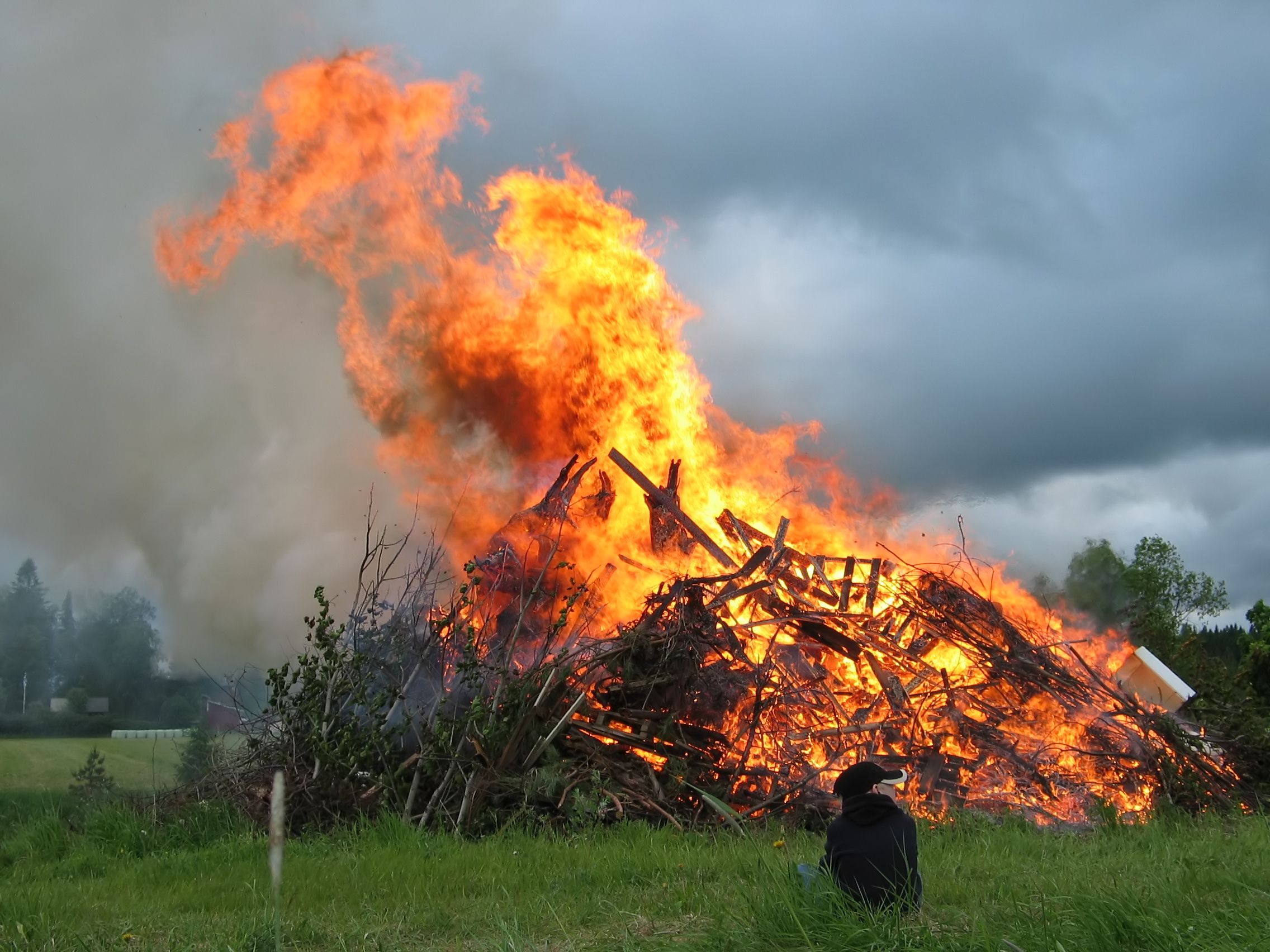
Wood that is burning in a brush pile has heat, and produces ashes.
Physical
Chemical
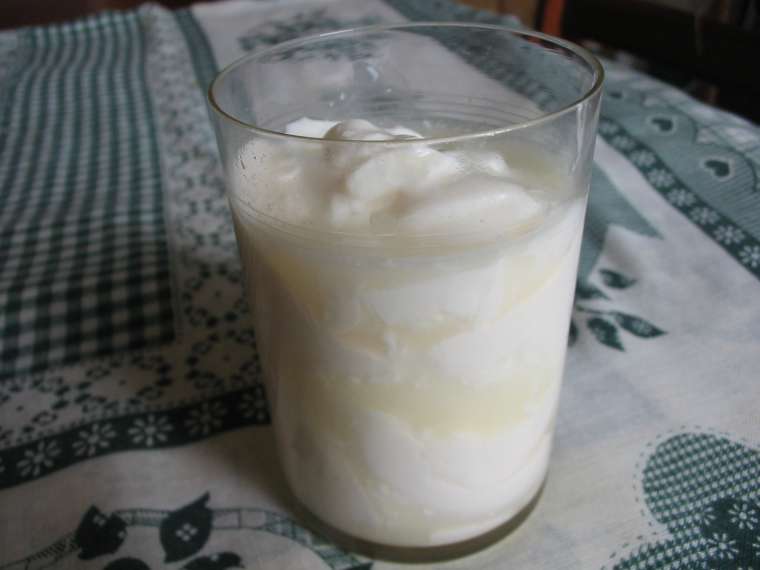
Is milk going sour a physical or chemical change?
Physical
Chemical


Is this a physical change?
Yes
No
Maybe
Which of the following is an example of a physical change?
mixing baking soda and vinegar causing bubbles to form
dissolving sugar into sweet tea
heating sugar until it turns black
letting milk spoil, forming a solid from a liquid
Mark all the examples that result in a chemical change.
Cooking / Baking
Boiling Water
Rusting
Tearing food with teeth
mixing food with saliva and enzymes to break it down into glucose
Check all the examples of a chemical change.
Formation of a solid out of a liquid
fizzing and bubbling after two liquids are mixed
Salt Dissolving in Hot water
Food broken down in by saliva in the mouth and acid in the stomach
Leaves turning brown

Boiling water is a _.
chemical change
physical change
Rocket blasting off - PHYSICAL or CHEMICAL change?
physical change
chemical change
Water evaporates from the ocean - PHYSICAL or CHEMICAL change?
physical change
chemical change

One advantage of solar and wind power over fossil fuels is that
wind and solar are presently much less expensive than fossil fuels.
wind and solar come from natural processes and fossil fuels do not.
wind and solar are nonrenewable resources and fossil fuel are renewable.
wind and solar are continuously renewable and fossil fuels take millions of years to be formed.

Renewable or Nonrenewable: Coal
Renewable
Nonrenewable

Renewable or Nonrenewable: Natural Gas
nonrenewable
renewable

Renewable or Nonrenewable: Oil
Nonrenewable
Renewable

Renewable or Nonrenewable: Sunlight
Renewable
Nonrenewable

Renewable or Nonrenewable: Water
Nonrenewable
Renewable

Renewable or Nonrenewable: Wind
Renewable
Nonrenewable

This energy is from moving air.
Wind Energy
Geothermal Energy
Fossil Fuel Energy
Biofuel

This is electrical energy that comes from the force of energy of moving water. It is the most widely used type of renewable energy.
Coal
Hydroelectric Power
Wind Energy
Geothermal Energy

This is a liquid fuel derived from plant materials.
wind energy
biofuel (from biomass)
geothermal energy
solar energy

This is the energy generated in the Earth's core and produces steam and hot water.
Solar Energy
Hydroelectric Power
Fossil Fuels
Geothermal

Solar energy is a completely renewable resource.
Advantage
Disadvantage

Fossil Fuels produce carbon dioxide that pollutes the atmosphere.
Advantage
Disadvantage

Nuclear Power can generate high amounts of electrical energy in a single plant.
Advantage
Disadvantage

Biomass requires a lot of space.
Advantage
Disadvantage

Wind energy is pollution free.
Advantage
Disadvantage

Hydropower can have a negative impact on river wildlife.
Advantage
Disadvantage

Geothermal power is geographically limited-not available in many locations.
Advantage
Disadvantage

Fossil Fuels are a nonrenewable resource.
Advantage
Disadvantage
Energy sources which naturally renew or replenish themselves over a period of time
non-renewable resources
renewable resources
fossil fuel resources
perishable resources
Which of the following answer choices is NOT listed as a fossil fuel?
coal
biomass
petroleum
natural gas
Energy from any material that comes from plants or dead organisms is called-
geothermal
fossil fuels
biomass
hydroelectric
Energy made from flowing water
geothermal
solar
hydroelectric
wind
Which of the following is NOT an advantage of using hydroelectrical energy?
Dams are expensive to build
Energy is inexpensive to harness
Energy from water is free and reliable
Creates no greenhouse gases
Energy from deep within the Earth
biomass
Earth
solar
geothermal
All of the answer choices are advantages of using wind energy Except
Creates no greenhouse gases
Wind turbines can disrupt wildlife
Wind creates electricity that can last for 25 years
Wind turbines reduce the use of solar energy
Energy resources which do not naturally renew or replenish themselves
renewable resources
reduce, reuse, recycle
non-renewable resources
solar resources
Currently the world's most primary energy source
coal
nuclear
fossil fuels
solar
Energy resource recovered through mining
coal, non-renewable
coal, renewable
oil, renewable
natural gas, non-renewable
Choose the one answer that is a disadvantage of coal
inexpensive
no shortage anytime soon
impact on miner's health
creates jobs
Which of the following statements are true?
renewable energy leads to more air pollution than non-renewable energy
renewable energy offers fewer jobs than non-renewable
renewable resources are easier to replenish than non-renewable energy
Wind and solar energy are more reliable than non-renewable energy
Which statement is an disadvantage of oil?
Spills can cause water and land pollution an death to wildlife
easy to produce
easy to transport
small amount produces a lot of energy
This type of energy is extracted through drilling and is known as odorless, colorless, and flammable
biomass
crude oil
petroleum
natural gas
Solar, wind, and hydroelectric energy are All
renewable resources
non-renewable resources
takes millions of years to replenish
inexpensive resources
Find the one answer than is an disadvantage of using natural gas
best among fossil fuels
gas leaks can be dangerous and can lead to explosions
less damage to the environment
cheaper and safer

