
 Worksheets
Spring Semester Review
Total questions: 85
Worksheet time: 1hrs 9mins
Which sequence of DNA bases would pair with this partial strand
ATG TGA CAG
ATG TGA CAG
GTA AGT GAC
TAC ACT GTC
CAT TCA CTG
Which of the following units are repeatedly joined together to form a strand of DNA?
amino acids
nucleotides
fatty acids
polysaccharides
Which 2 molecules form the sides (backbone) of the DNA ladder?
deoxyribose sugar and phosphate
deoxyribose sugar and adenine
deoxyribose sugar and the nucleus
deoxyribose sugar and a hydrogen bond
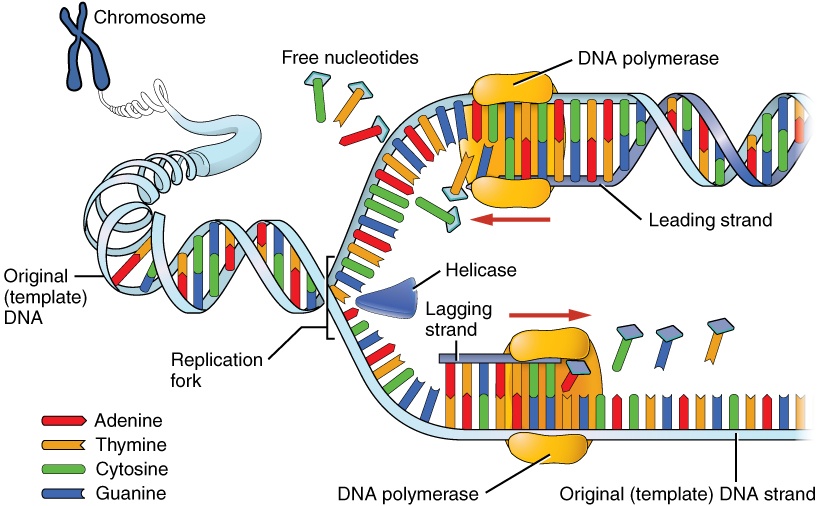
The enzyme that unzips the DNA to prepare for replication
polymerase
helicase
replicase
synthase
Normal - GAG-GTC-GAC-AGA
Mutant - GAG-GTC-CAC-AGA
Substitution
Inversion
Insertion
Deletion
Original: ATC CAT
Mutation: ATC GCAT
What mutation occurred?
Insertion
substitution
deletion
no mutation
5'-ATGCCAT-3'
Which enzyme is responsible for adding the free nucleotides to the replicating DNA?
DNA Helicase
DNA Ligase
DNA polyermase
RNA Polymerase
Okazaki fragments appear on which strand of DNA during DNA replication?
lagging
leading
DNA is built in this direction
5' to 3' (new nucleotides added to the 3' end)
3' to 5' (new nucleotides added to the 5' end)
3' to 5' (new nucleotides added to the 3' end)
5' to 3' (new nucleotides added to the 5' end)
The total number of Chromosomes in a human cell?
48
24
46
23
When does the cell make copies of its chromosomes (DNA)?
when the cell divides
before the cell divides
after the cell divides
How many cell divisions does meiosis have?
0
2
1
3
How many daughter cells does meiosis produce?
1
3
2
4
The daughter cells produced by meiosis are also called __________.
somatic cells
gametes
germ cells
stem cells
What is the purpose of meiosis?
to create diversity in offspring
to help the organism grow
to repair damaged cells
to heal injuries

What gender is this person?
Male
Female

What disorder is this?
Monosomy
Trisomy
Review
A ________ is a small section of DNA that codes for a protein.
chromatid
gene
subset
jean
Which of these is not a type of chromosomal mutation?
Inversion
Deletion
Transcription
Translocation
Which statement best defines a mutation?
a physical trait that negatively impacts the organism
an adaptive trait that allows the individual to be better fit for survival
a change in the order, number, or type of bases in the genetic code
an identical copy of the original DNA strand
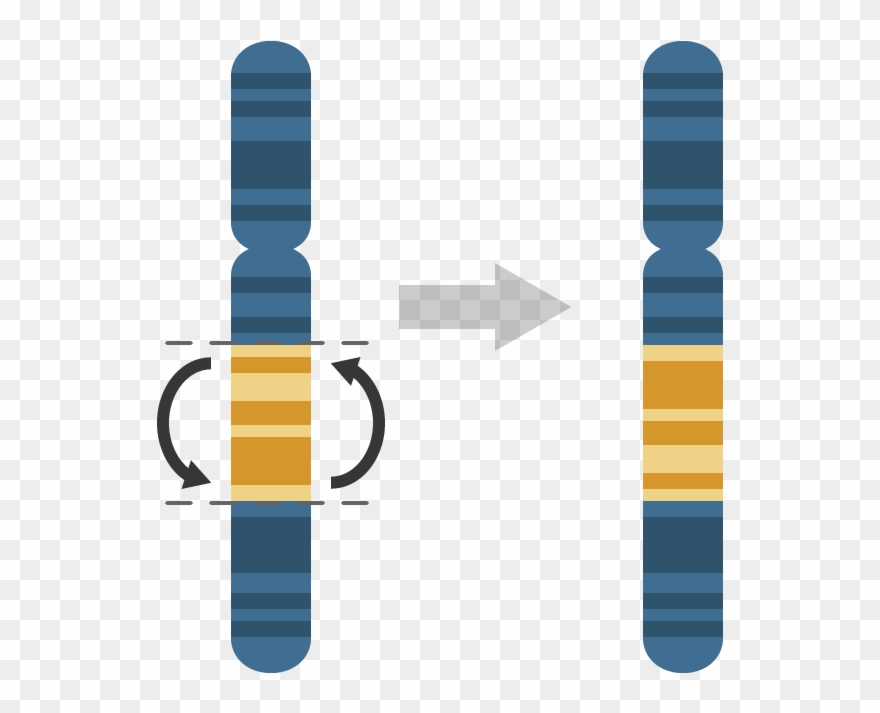
If part of the chromosome is turned around in the opposite direction this is called:
inversion
translocation
deletion
duplication
If the dominant trait is having freckles (F) and the recessive trait is no freckles (f), which allele combination(s) below would represent a person who has freckles? (select all that apply)
FF
Ff
ff
The combination of genes a person has, represented by letters, is their...
Genotype
Phenotype
Chromosome
Punnett Square

What belongs in the last box?
RR
Rr
rr
ff

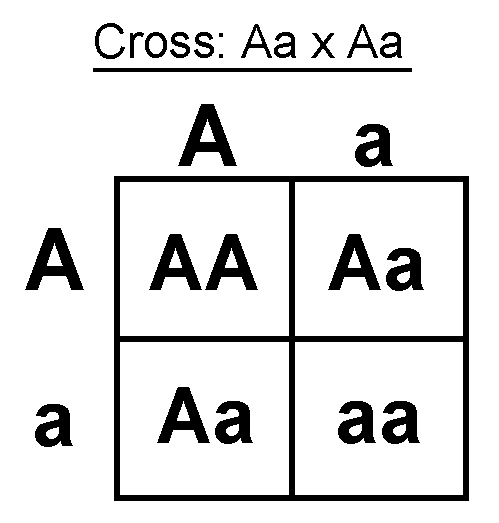
In the punnett square below, what belongs in the missing square

Look at the punnett square. What is the probability that the offspring would have homozygous alleles for the trait?
100%
75%
50%
25%
0%

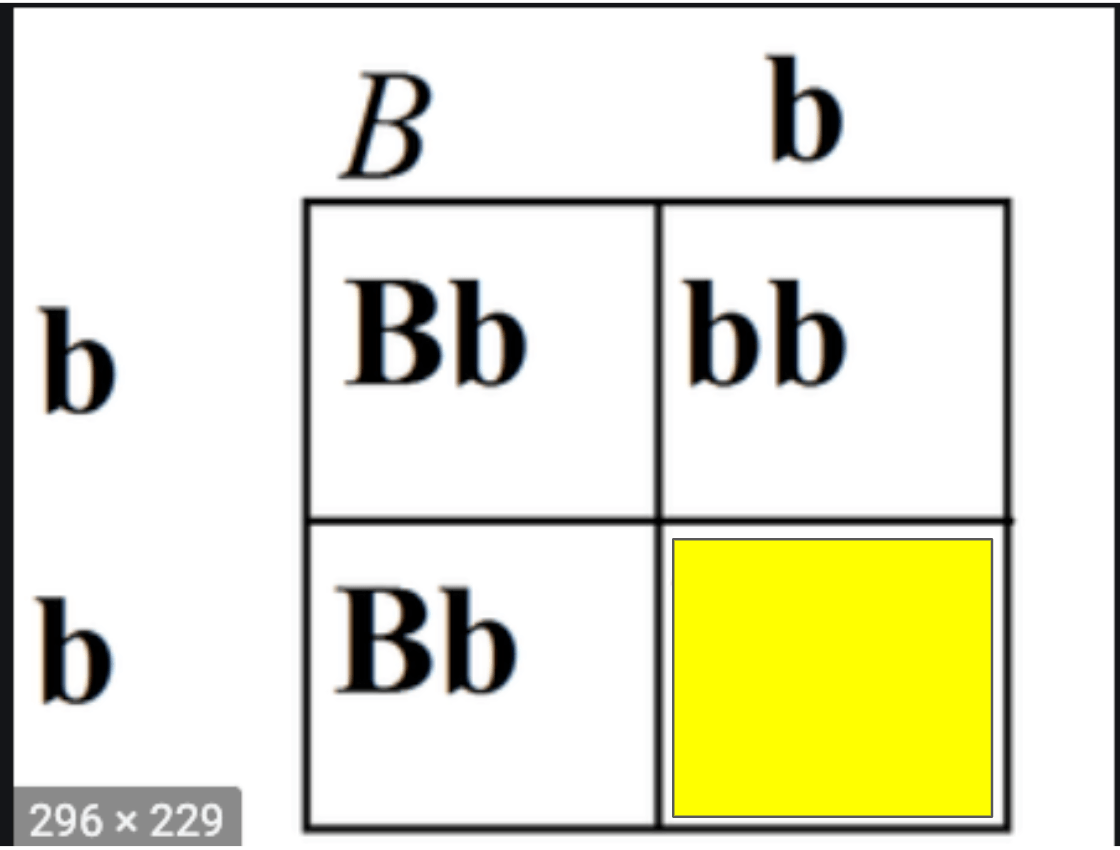
Fill in the Yellow Box
Bb
BB
bb
Which of the following allele pairs is heterozygous?
RR
ss

What type of bond is found BETWEEN water molecules?
hydrogen bonds
ionic bonds
nonpolar covalent bonds
polar covalent bonds
Surface tension of water is the cohesive force between water molecule and other molecule.
True
False


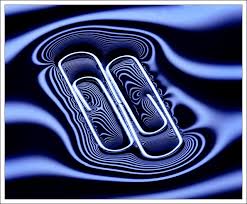
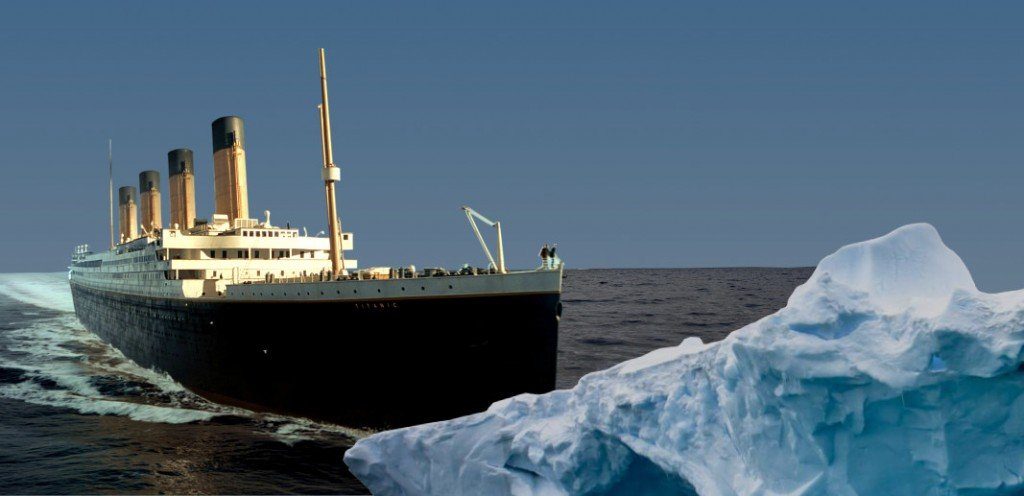
Why does ice float?
water expands when it freezes, making ice less dense than water
water compacts when it freezes, making ice more dense than water
hydrogen bonds in water push the ice to the surface
ice is afraid of water, and avoids it
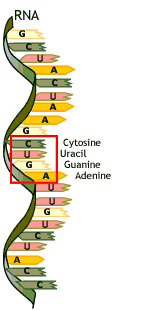
A small organelle in the cell on which proteins are assembled, It is a type of protein.
Mitochondria
Ribosome
Nucleus
Lysosome
Where does TRANSCRIPTION occur?
Nucleus
Ribosome
Cytoplasm
Mitochondria
When these bond together, they form a protein
Amino Acids
Peptide Bonds
Ribose
Nucleotides

Choose the sequence of the mRNA strand that would be match up with to the following strand:
GTAGTCA
UATUAGA
ACGACTG
CAUCAGU
CATCAGT
Which of the following are differences in the structure between RNA and DNA
DNA uses deoxyribose sugar, RNA uses sugar ribose
DNA pairs Adenine with Uracil, RNA pairs Adenine with Thymine
DNA is a double helix, RNA is a single helix
DNA pairs Adenine with Thymine, RNA pairs Adenine with Uracil
During transcription, this type of ribonucleic acid is responsible for copying the DNA and brining it out of the nucleus.
tRNA
mRNA
rRNA
dRNA
A string of nucleotides that contain the information to make a specific protein
Ribose
Amino Acids
tRNA
Gene
During translation, this type of ribonucleic acid is responsible for delivering amino acids to help make a protein.
mRNA
rRNA
tRNA
dRNA
There are a total of ____ different amino acids
20
1
4
unlimited
mRNA occurs during this process
Translation
Transcription
Replication
Delivery
How many amino acids are found on one tRNA?
20
4
1
3

In humans, the haploid number of chromosomes is ____.
23
46
69
92
Which of the following is the best definition for MEIOSIS?
the process of two haploid cells uniting
the counting of chromosomes within a diploid cell
a two-step process that reduces the number of chromosomes in half such that there is only one copy of all the chromosomes
the equational division of a cell into two identical copies

In which stage of MEIOSIS does crossing over occur? (The exchange of genetic material between chromosomes in a tetrad.)
Anaphase I
Metaphase I
Prophase I
Telophase I
At the start of Meiosis II, which of the following is NOT true?
There are two cells.
The cells are haploid.
The chromosomes are paired up as homologues.
DNA is present as two sister chromatids joined at the centromere.
Which part of MEIOSIS is identical to MITOSIS?
Meiosis I
Meiosis II
The products of MEIOSIS have _______ number of chromosomes.
haploid
diploid


A version of a gene is called a(n)
allele
characteristic
specific gene
trait

A trait that is expressed if one copy of the allele is present is a(n)
characteristic
dominant trait
gene
recessive trait

An organism’s physical expression of a trait is called a(n)
dominant trait
genotype
phenotype
recessive trait

What is it called when both alleles in a genotype are the same?
Dominance
Heterozygous
Homozygous
Recessiveness

What is it called when the alleles in a genotype are different?
Dominance
Heterozygous
Homozygous
Recessiveness
What are physical characteristics of an organism?
Alleles
Genotypes
Genes
Traits
WHY IS DNA REPLICATION CONSIDERED SEMI-CONSERVATIVE?
BECAUSE EACH STRAND OF DNA IS NEW
BECAUSE EACH STRAND OF DNA IS RECYCLED
BECAUSE ONE STRAND IS NEW AND THE OTHER STRAND IS RECYCLED
BECAUSE EACH STRAND HAS ONLY PART OF THE ORIGINAL INFORMATION

