
 Worksheets
Ultimate Quizizz Game
Total questions: 195
Worksheet time: 3hrs 15mins
Name
Class
Date
1.
What is the definition of the word resource population?
a)
A group of the same type of organism living in the same area
b)
A molecule that organisms can use to release the energy they need to survive
c)
A population that eats organisms from another population
d)
A population that is eaten by organisms from another population
2.
What is the definition of chemical reaction?
a)
The relative size of things
b)
A starting substance that is part of a chemical reaction
c)
A process in which atoms rearrange to form new substances
d)
An ending substance that is made during a chemical reaction
3.
What is a molecule?
a)
the energy that an object has because it is moving
b)
a pull between two molecules that is always the same for a substance
c)
a group of atoms joined together in a particular way
d)
the way molecules in a substance move around relative to each other
4.
Which definition match's your vocab word habitable?
a)
Having the conditions necessary to support life
b)
A set of interacting parts forming a complex whole
c)
An event or series of events that causes changes in the geosphere, such as flowing water or flowing lava
d)
Information about the natural world that is used to support or go against (refute) a claim
5.
Select the 4 planets that are called rocky planets?
a)
Mercury
b)
Venus
c)
Mars
d)
Earth
e)
Jupiter
6.
Which definition match's your vocab word geologic process?
a)
Information about the natural world that is used to support or go against (refute) a claim
b)
An event or series of events that causes changes in the geosphere, such as flowing water or flowing lava
c)
Having the conditions necessary to support life
d)
A set of interacting parts forming a complex whole
7.
The Earth can be divided up into 4 spheres. Which sphere is all the living things on Earth?
a)
Atmosphere
b)
Hydrosphere
c)
Geosphere
d)
Biosphere
8.
Which definition match's your vocab word channel?
a)
A long, narrow groove that forms where water, lava, or other liquid flows
b)
A set of interacting parts forming a complex whole
c)
Having the conditions necessary to support life
d)
Information about the natural world that is used to support or go against (refute) a claim
9.
The Earth can be divided up into 4 spheres. Which sphere is the solid part of Earth from its rocky surface to iron core?
a)
Atmosphere
b)
Hydrosphere
c)
Geosphere
d)
Biosphere
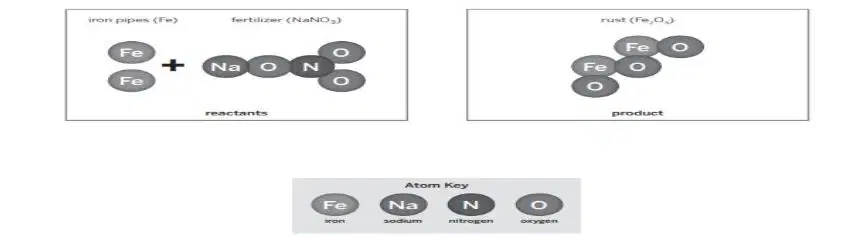
10.
Which definition match's your vocab word system?
a)
A proposed answer to a question about the natural world
b)
A set of interacting parts forming a complex whole
c)
Information about the natural world that is used to support or go against (refute) a claim
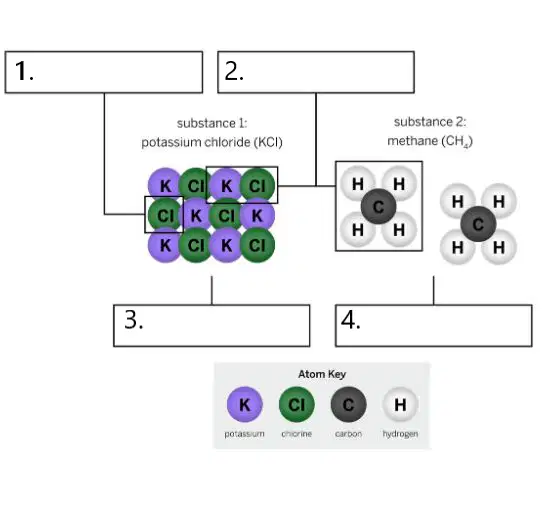
d)
An object, diagram, or computer program that helps us understand something by making it simpler or easier to see
11.
The Earth can be divided up into 4 spheres. Which sphere is the mixture of the gases surrounding Earth?
a)
Atmosphere
b)
Hydrosphere
c)
Geosphere
d)
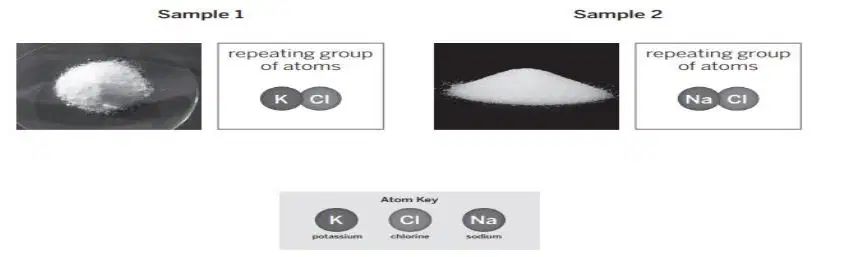
Biosphere
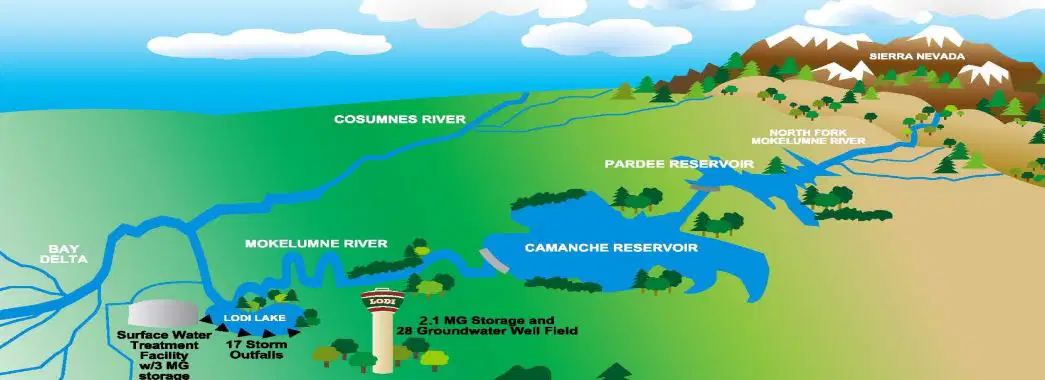
12.
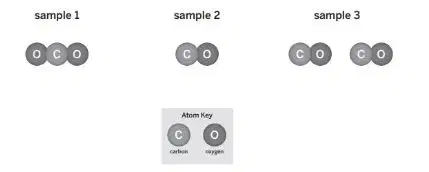
Which definition match's your vocab word rocky planet?
a)
A proposed answer to a question about the natural world
b)
An object, diagram, or computer program that helps us understand something by making it simpler or easier to see
c)
Any planet with a solid surface, such as Earth or Mars
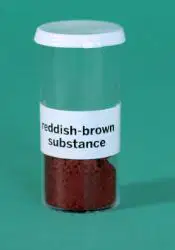
d)
A set of interacting parts forming a complex whole
13.
What are the 2 things a planet needs in order to be habitable?
a)
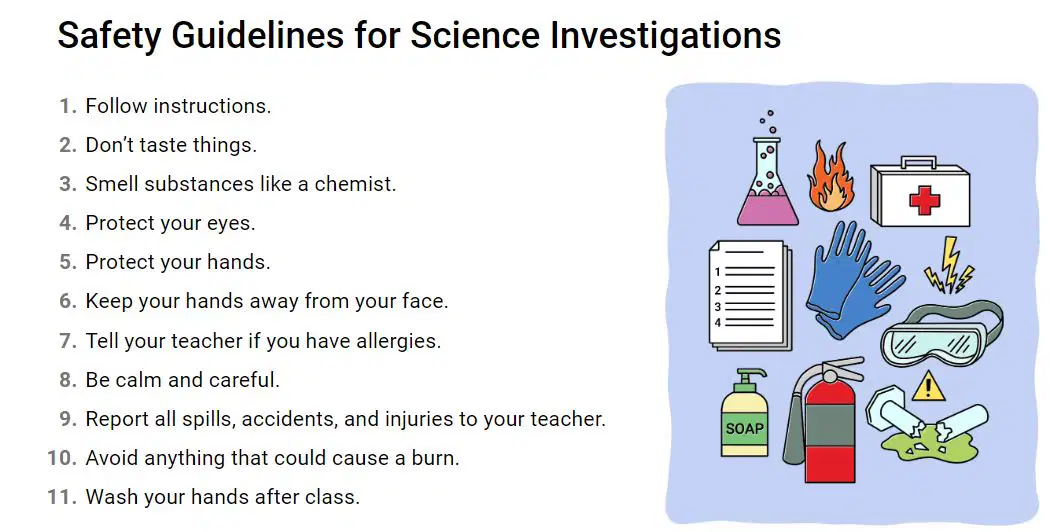
Soil
b)
Energy
c)
Liquid water
d)
Insects
14.
Which definition match's your vocab word model?
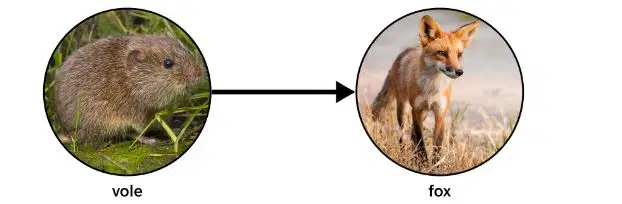
a)
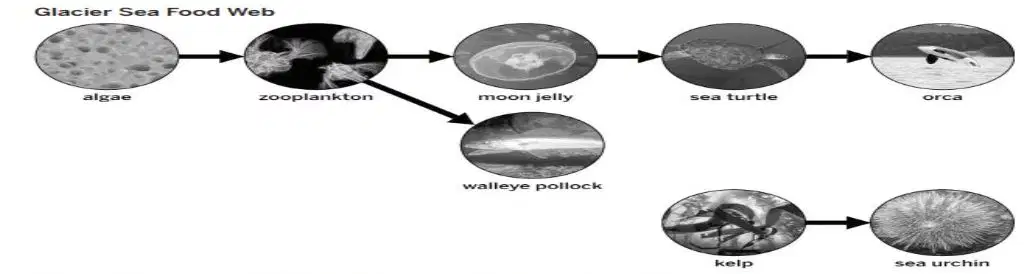
An object, diagram, or computer program that helps us understand something by making it simpler or easier to see
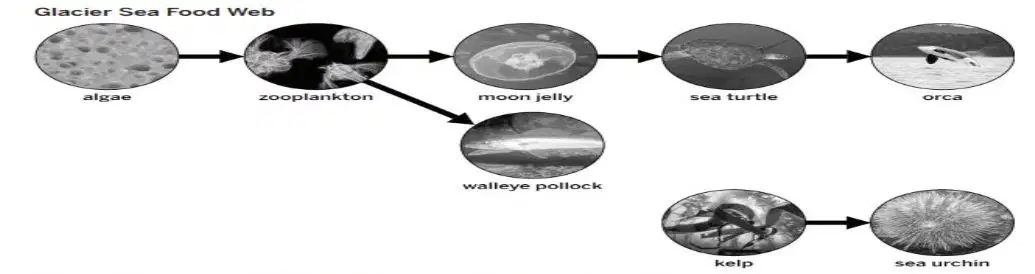
b)
A proposed answer to a question about the natural world
c)
Having the conditions necessary to support life
d)
A set of interacting parts forming a complex whole
15.
The Earth can be divided up into 4 spheres. Which sphere is the water that makes the oceans, lakes, rivers, ice caps and more?
a)
Atmosphere
b)
Hydrosphere
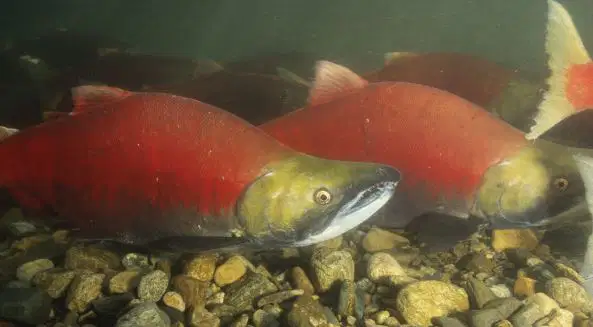
c)
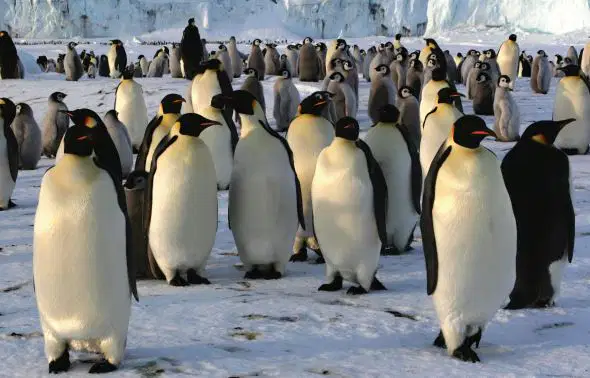
Geosphere
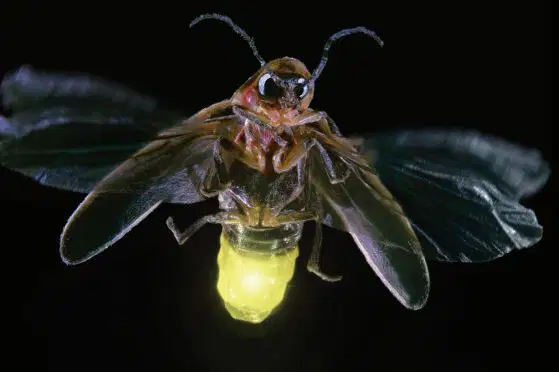
d)
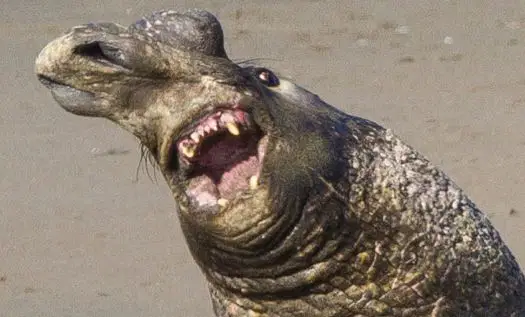
Biosphere
16.
Which definition match's your vocab word landform?
a)
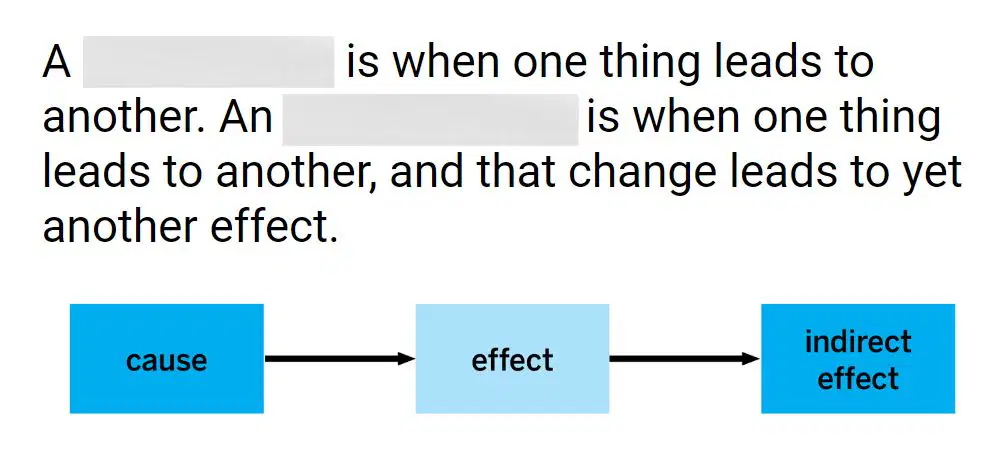
A set of interacting parts forming a complex whole
b)
An object, diagram, or computer program that helps us understand something by making it simpler or easier to see
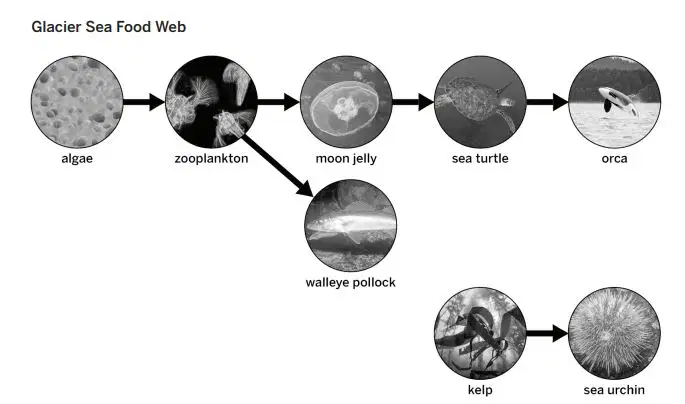
c)
Having the conditions necessary to support life
d)
A feature that forms on the surface of a planet, such as a mountain, channel, or sand dune
17.
Which definition match's your vocab word evidence?
a)
A set of interacting parts forming a complex whole
b)
A proposed answer to a question about the natural world
c)
Information about the natural world that is used to support or go against (refute) a claim
d)
An event or series of events that causes changes in the geosphere, such as flowing water or flowing lava
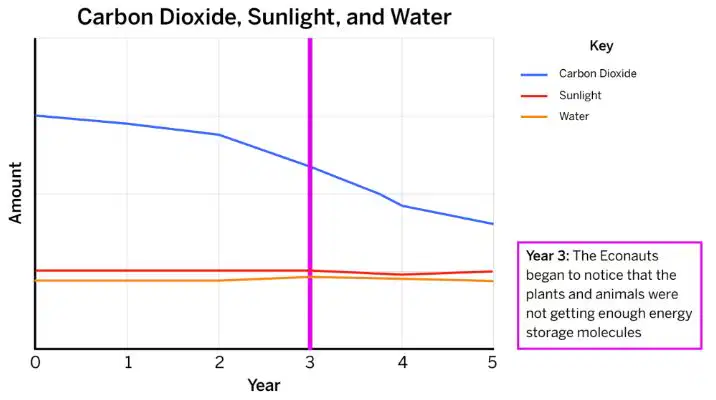
18.
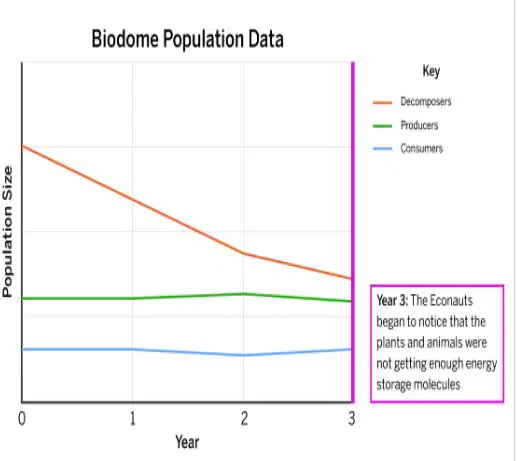
Which definition match's your vocab word claim?
a)
A proposed answer to a question about the natural world
b)
Information about the natural world that is used to support or go against (refute) a claim
c)
A set of interacting parts forming a complex whole
d)
An object, diagram, or computer program that helps us understand something by making it simpler or easier to see
19.
Which claim is correct?
a)
Claim 1: The South American Plate and African Plate moved apart suddenly.
b)
Claim 2: The South American Plate and African Plate moved apart gradually.
20.
Earths plates are constantly moving. What evidence do scientist use to support this claim? (Hint there is more then one answer check all that apply)
a)
Earthquakes
b)
Volcanic activity
c)
GPS measurements
d)
They watch the plates move with there eyes
21.

Who is this?
a)
Jim John
b)
Alfred Wegener
c)
Alfred Johnson
d)
Jimmy Dean
22.
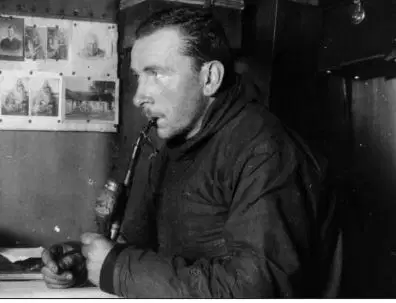
What did he discover?
a)
Lava is hot
b)
Continental Drift
c)
Land is hard solid rock
d)
He was the the 1st person to hit the gritty
23.
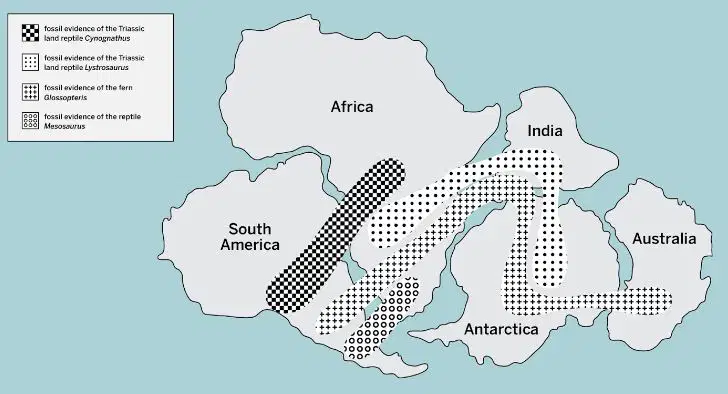
What's the name of this super continent?
a)
Wonkaland
b)
Gondwanaland
c)
Pangea
d)
Kento region
24.
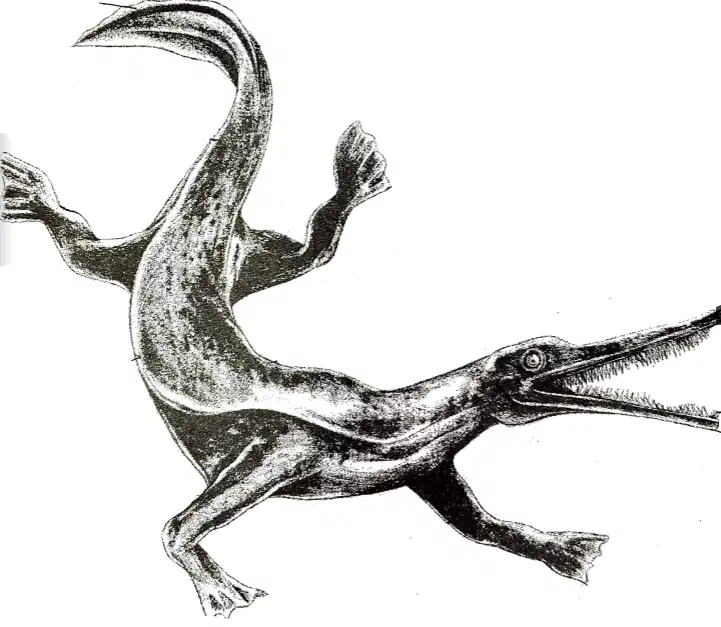
What is the name of this creature?
a)
Stegosaurus
b)
Megalosaurus
c)
Mesosaurus
d)
Spinosaurus
25.
Which definition match's your vocab word convergent?
a)
Moving apart in different directions
b)
Moving toward the same place
c)
The place where two plates meet
d)
The layer of soft, solid rock underneath Earth’s plates
26.
Which definition match's your vocab word rate?
a)
How often or fast something happens
b)
Evidence of life from the past, such as fossilized bones, footprints, or leaf prints
c)
Any of the many processes (such as eruptions and lava flows) in which gas, lava, and ash are pushed out on the surface of Earth
d)
Something we observe to be similar over and over again
27.
Which definition match's your vocab word volcanic activity?
a)
Any of Earth’s main continuous areas of land, such as Africa, Asia, and North America
b)
Any of the many processes (such as eruptions and lava flows) in which gas, lava, and ash are pushed out on the surface of Earth
c)
A long, deep indentation in the ocean floor formed when two plates move together
d)
A set of interacting parts forming a complex whole
28.
Earth’s plates move on top of a soft, solid layer of rock called the mantle.
a)
True
b)
False
29.
Which definition match's your vocab word cross section?
a)
An object, diagram, or computer program that helps us understand something by making it simpler or easier to see
b)
Evidence of life from the past, such as fossilized bones, footprints, or leaf prints
c)
A feature that forms on the surface of a planet, such as a mountain, channel, or sand dune
d)
A diagram that shows what the inside of something looks like
30.
Which definition match's your vocab word evidence?
a)
A set of interacting parts forming a complex whole
b)
A proposed answer to a question about the natural world
c)
Information about the natural world that is used to support or go against (refute) a claim
d)
An event or series of events that causes changes in the geosphere, such as flowing water or flowing lava
31.
If the mantle is cold will plates move?
a)
Yes they will move.
b)
No they will not move.
c)
The mantle has nothing to do with plates moving.
d)
Water makes the plates move not the mantle.
32.
Which definition match's your vocab word claim?
a)
A proposed answer to a question about the natural world
b)
Information about the natural world that is used to support or go against (refute) a claim
c)
A set of interacting parts forming a complex whole
d)
An object, diagram, or computer program that helps us understand something by making it simpler or easier to see
33.
What is the name of a scientist who study's fossils?
a)
Archaeologist
b)
Planetary Geologist
c)
Paleontologist
d)
Geologist
34.
Select all that apply
When is there hard solid rock underneath you?
a)
When you are on a boat
b)
Walking home from school
c)
When you are on the field playing sports
d)
At home
e)
When swimming in a pool
35.
Which claim is correct?
a)
Claim 1: Plates move, which can cause earthquakes.
b)
Claim 2: Earthquakes cause the plates to move.
36.
Which definition match's your vocab word divergent?
a)
Moving apart in different directions
b)
Moving toward the same place
c)
The place where two plates meet
d)
The layer of soft, solid rock underneath Earth’s plates
37.
Which definition match's your vocab word mantle?
a)
The layer of soft, solid rock underneath Earth’s plates
b)
Hot liquid rock on the surface of Earth
c)
Any of Earth’s main continuous areas of land, such as Africa, Asia, and North America
d)
Any of the many processes (such as eruptions and lava flows) in which gas, lava, and ash are pushed out on the surface of Earth
38.
Which definition match's your vocab word mid-ocean ridge?
a)
A long, deep indentation in the ocean floor formed when two plates move together
b)
Something we observe to be similar over and over again
c)
Any of Earth’s main continuous areas of land, such as Africa, Asia, and North America
d)
An underwater mountain range formed when two plates move apart
39.
Which definition match's your vocab word outer layer?
a)
Earth’s outermost layer of hard, solid rock that is underneath the soil, vegetation, and water
b)
Any of the many processes (such as eruptions and lava flows) in which gas, lava, and ash are pushed out on the surface of Earth
c)
Any of Earth’s main continuous areas of land, such as Africa, Asia, and North America
d)
A long, deep indentation in the ocean floor formed when two plates move together
40.
Which definition match's your vocab word pattern?
a)
An extinct reptile that lived about 300 million years ago
b)
Evidence of life from the past, such as fossilized bones, footprints, or leaf prints
c)
A set of interacting parts forming a complex whole
d)
Something we observe to be similar over and over again
41.
Which definition match's your vocab word plate?
a)
Any of Earth’s main continuous areas of land, such as Africa, Asia, and North America
b)
A set of interacting parts forming a complex whole
c)
One of the very large sections of hard, solid rock that make up Earth’s outer layer
d)
Evidence of life from the past, such as fossilized bones, footprints, or leaf prints
42.
Which definition match's your vocab word plate boundary?
a)
Any of the many processes (such as eruptions and lava flows) in which gas, lava, and ash are pushed out on the surface of Earth
b)
The place where two plates meet
c)
Any of Earth’s main continuous areas of land, such as Africa, Asia, and North America
d)
A set of interacting parts forming a complex whole
43.
Which definition match's your vocab word trench?
a)
Hot liquid rock on the surface of Earth
b)
Any of Earth’s main continuous areas of land, such as Africa, Asia, and North America
c)
A long, deep indentation in the ocean floor formed when two plates move together
d)
A set of interacting parts forming a complex whole
44.
Divergent means moving apart in different directions
a)
True
b)
False
45.
Convergent means moving towards the same place
a)
True
b)
False
46.
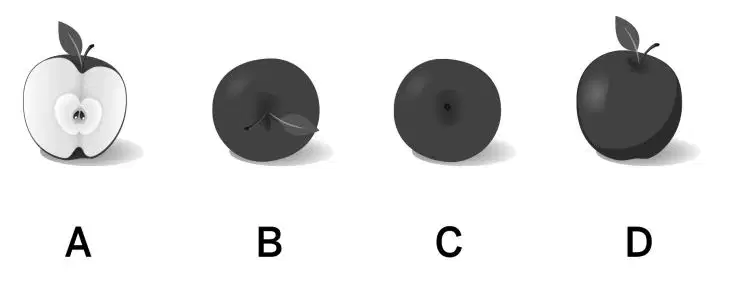
Scientists often study cross sections to better understand what the inside of something looks like. If we took a cross section of an apple by cutting it vertically, what would the cross section look like?
a)
A
b)
B
c)
C
d)
D
47.
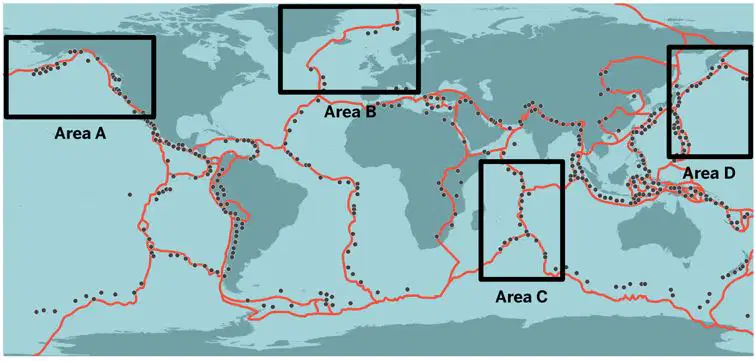
What are BLACK dots on this map?
a)
They are volcanos
b)
They are earthquakes
c)
They are holes on earths surface
d)
It's were fossils were found
48.
The place where two plates meet is known as a
a)
Outer Layer
b)
Pattern
c)
Cross Section
d)
Plate Boundary
49.
What is phase?
a)
a noticeably different form or state of the same substance
b)
the way molecules in a substance move around relative to each other
c)
a pull between two molecules that is always the same for a substance
d)
the energy that an object has because it is moving
50.
What does it mean to refute something?
a)
the energy that an object has because it is moving
b)
a pull between two molecules that is always the same for a substance
c)
the way molecules in a substance move around relative to each other
d)
to provide evidence that goes against a claim
51.
What is scale?
a)
the relative size of things
b)
a pull between two molecules that is always the same for a substance
c)
the energy that an object has because it is moving
d)
the way molecules in a substance move around relative to each other
52.
A liquid does not flow and can not take the shape of its container.
a)
True
b)
False
53.
A solid holds its shape and does not take
the shape of its container.
a)
True
b)
False
54.
A gas has no visible shape and fills its
container.
a)
True
b)
False
55.
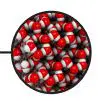
What state of matter is this?
a)
Gas
b)
Liquid
c)
Soild
56.
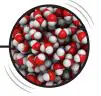
What state of matter is this?
a)
Gas
b)
Liquid
c)
Soild
57.
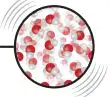
What state of matter is this?
a)
Gas
b)
Liquid
c)
Soild
58.
What is the main substance found in the lakes and seas on Titan's surface?
a)
Thick, tar-like substances such as methane and ethane
b)
Ammonia
c)
Water
d)
Carbon dioxide
59.
What is the name of the moon that orbits the planet Saturn?
a)
Enceladus
b)
Ganymede
c)
Titan
d)
Miranda
60.
What is the main component of Titan's thick, hazy atmosphere?
a)
Carbon dioxide gas
b)
Water vapor
c)
Oxygen gas
d)
Methane gas
61.
Who was one of the first people to determine that air is matter?
a)
Aristotle
b)
Isaac Newton
c)
Tom Holland
d)
Robert Boyle
62.
What did Boyle and Hooke use to perform their pressure and temperature experiments?
a)
A plastic tube filled with water
b)
A metal cylinder filled with air
c)
A J-shaped glass tube filled with mercury
d)
A round glass container with a cork
63.
What did Boyle’s experiments help people understand about air?
a)
That air is a form of energy
b)
That air is matter and behaves in predictable ways
c)
That air is just nothing
d)
That air is made up of basic materials
64.
How did Boyle change the way scientists made discoveries?
a)
He based his information on evidence that could be observed and retested
b)
He relied on ideas passed down from Aristotle
c)
He performed experiments without any evidence
d)
He used mathematical equations to explain phenomena
65.
What are the three different forms of water that exist on Earth?
a)
dew, snow, and rain
b)
liquid water, smoke, and solid ice
c)
water droplets, frozen ice, and steam
d)
liquid water, solid ice, and water vapor
66.
What causes flash floods in slot canyons?
a)
Water molecules sticking together in a liquid phase
b)
Hot air forcing water vapor upward
c)
Heavy rainwater flowing through cracks in the ground
d)
Volcanically heated rock melting ice in glaciers
67.
What causes Niagara Falls to partially freeze during cold winters?
a)
Flash floods washing away bits of rock.
b)
The water changing phase from liquid to solid due to cold temperatures.
c)
Hot volcanic rock heating up glaciers.
d)
Water vapor changing phase into liquid and forming storm clouds.
68.
What is freedom of movement?
a)
the way molecules in a substance move around relative to each other
b)
the energy that an object has because it is moving
c)
a group of atoms joined together in a particular way
d)
a pull between two molecules that is always the same for a substance
69.
Which state of matter has a definite shape and volume?
a)
None
b)
Liquid
c)
Solid
d)
Gas
70.
What is the main factor that determines whether a material burns or melts?
a)
Color and texture
b)
Pressure
c)
Flash point and melting point
d)
Size and weight
71.
What can be done to make liquid chocolate back into solid chocolate?
a)
Adding energy (heating it)
b)
It can not return to solid form after melting
c)
Removing energy (letting it cool)
d)
Mixing it with water hot water
72.
When you transfer energy into a substance, what happens to the temperature?
a)
It stays the same
b)
It decreases
c)
It becomes negative
d)
It increases
73.
When you transfer energy into a substance, what happens to the molecules’ kinetic energy?
a)
It decreases
b)
It increases
c)
It stays the same
d)
It disappears
74.
Is burning a phase change?
a)
Yes
b)
Trick question none of these are right
c)
It is a chemical reaction
75.
When energy is transferred to or from a substance, it can change the molecules’ freedom of movement.
a)
True
b)
Neither true nor false
c)
False
d)
Not enough information
76.
What happens to the kinetic energy of a substance when it transfers that energy to another substance?
a)
It is converted to potential energy
b)
It stays the same
c)
It loses kinetic energy
d)
It increases its kinetic energy
77.
What is kinetic energy?
a)
a pull between two molecules that is always the same for a substance
b)
the way molecules in a substance move around relative to each other
c)
a group of atoms joined together in a particular way
d)
the energy that an object has because it is moving
78.
What is the difference between a claim and evidence?
a)
A claim is a statement or belief, while evidence is factual information that supports the claim.
b)
A claim is always true, while evidence can be subjective.
c)
They are the same thing.
d)
A claim is presented first, while evidence is presented later.
79.
What color is liquid oxygen?
a)
Yellow
b)
Clear
c)
Pale blue
d)
Green
80.
If the Titan lake froze, how would the change in kinetic energy affect the speed of the molecules found in the lake?
a)
The kinetic energy would decrease. The molecules would move slower.
b)
There would be no change in kinetic energy. The molecules would move at the same speed.
c)
The kinetic energy would increase. The molecules would move faster.
81.
If the Titan lake evaporated, how would the change in kinetic energy affect the speed of the molecules found in the lake?
a)
There would be no change in kinetic energy. The molecules would move at the same speed.
b)
The kinetic energy would increase. The molecules would move faster.
c)
The kinetic energy would decrease. The molecules would move slower.
82.
What happened to the lake on Titan?
a)
The lake on Titan froze
b)
There was no lake on Titan
c)
It moved to another location on Titan
d)
The lake on Titan evaporated
83.
What is molecular attraction?
a)
the energy that an object has because it is moving
b)
a pull between two molecules that is always the same for a substance
c)
a group of atoms joined together in a particular way
d)
the way molecules in a substance move around relative to each other
84.
What does the 'Claim' in CER represent?
a)
The data or observations
b)
The logical reasoning
c)
The statement or answer to a question
d)
The explanation for the data
85.
Which component of CER involves providing supporting facts or information?
a)
Claim
b)
Hypothesis
c)
Reasoning
d)
Evidence
86.
What is a claim?
a)
A statement that asserts a belief or point of view
b)
A conclusion drawn from evidence
c)
A source of information
d)
A piece of evidence
87.
What is evidence?
a)
A guess to answer a question
b)
A statement that asserts a belief or point of view
c)
Facts, data, or information that supports a claim
d)
A conclusion drawn from evidence
88.
How should you connect evidence to your claim?
a)
By providing additional evidence
b)
By explaining how or why the evidence supports the claim
c)
By restating the evidence
d)
By disregarding contradictory evidence
89.
Can molecules change there attraction to one another?
a)
Yes
b)
No
c)
Depends on the situation
d)
Molecules are not attracted to each other
90.
The molecular attraction of a substance always changes.
a)
True
b)
False
91.
A phase change occurs when the kinetic energy decreases enough so that the attraction between molecules pulls them together.
a)
True
b)
False
92.
Different substances can have the same molecular attraction.
a)
True
b)
False
93.
In class we did a lab observing the evaporation of Isopropanol (Rubbing Alcohol) versus water. Which answer best explains what the result was and why?
a)
The water evaporated before the alcohol because it has weaker molecular attraction.
b)
The alcohol evaporated before the water because it has a stronger molecular attraction.
c)
The water evaporated before the alcohol because it has stronger molecular attraction.
d)
The alcohol evaporated before the water because it has weaker molecular attraction.
94.
If you transfer energy into two solid substances, which would melt first?
a)
a substance with stronger molecular attraction
b)
a substance with weaker molecular attraction
95.
If you transfer energy out of two substances in the gas phase, which would
condense first?
a)
a substance with stronger molecular attraction
b)
a substance with weaker molecular attraction
96.
Chapter 3 Question
Why Didn’t the Liquid Methane Change Phase
Before 2007 on Titan?
a)
The liquid methane changed phase only after 2007 because it took time for the liquid methane to collect enough molecular bonds to change phase
b)
The liquid methane changed phase only after 2007 because it took time for the molecular bonds of the methane to change attraction levels so it could evaporate
c)
The liquid methane changed phase only after 2007 because it took time for the liquid methane to collect enough kinetic energy to overcome its molecular attraction to change phase
d)
The liquid methane changed phase only after 2007 because it took time for the liquid methane to change its molecular attraction so the molecules would repel each other
97.
An office worker at the Universal Space Agency returned from lunch to find someone left him
a gift—a cold can of soda to drink! But when the office worker picked up the can, he realized it
was wet. The can was covered in a thin layer of liquid.
How did the liquid get onto the surface of the can?
a)
The can came out of a refrigerator which was cold. The refrigerator uses cold water mist to make things cold. The water on the outside of the can was a result of the conditions of the refrigerator that made it cold.
b)
The can was wet because the cold can forced some water molecules to move through the atoms of the aluminum can. This resulted in a thin layer of liquid outside the can as the water molecules escaped the can.
c)
The can was cold and removed energy from the water vaper in the air. The water vaper turned into liquid water and condensed into droplets of water on the cold surface of the can.
d)
The can was probably cooled down with ice and the liquid is a result of the left over pieces of ice on the can melting. As the ice melted the can got wet on the outside.
98.
What is the definition of rearrange?
a)
To change the order or position of something
b)
A starting substance that is part of a chemical reaction
c)
A process in which atoms rearrange to form new substances
d)
An ending substance that is made during a chemical reaction
99.
Chapter 2 Question
How did the rust form?
a)
Molecules rearranged to make new rust atoms
b)
The fertilizer became the rust
c)
Atoms of both the fertilizer and the iron pipes rearranged making rust molecules.
d)
Atoms where created when the fertilizer and iron pipes came into contact with each other making a new substance called rust
100.
Did all the atoms that made up both reactants (the iron pipe and the fertilizer) rearrange to form the product (rust)?
a)
Yes
b)
No
101.
Article Question
Meet a Scientist Who Preserves Artwork
What is Lora Angelova's profession?
a)
Artist
b)
Chemist
c)
Historian
d)
Archaeologist
102.
Article Question
Meet a Scientist Who Preserves Artwork
How does Lora Angelova analyze artwork without harming it?
a)
By exposing it to UV radiation
b)
By using invasive chemical tests
c)
By employing non-destructive techniques
d)
By applying abrasive cleaning methods
103.
Article Question
What Happens When Fuels Burn
What are fuels, and why are they important?
a)
Substances that release energy when they burn; used for various purposes such as powering vehicles and heating homes.
b)
Substances that cool down when ignited; used for extinguishing fires.
c)
Substances that release light when they combust; used for decorative purposes.
d)
Substances that absorb energy from their surroundings.
104.
Article Question
What Happens When Fuels Burn
Why is hydrogen considered a potentially cleaner fuel compared to gasoline, despite its challenges in usage and production?
a)
Because it is cheaper to produce.
b)
Because it produces less harmful emissions, primarily water vapor, when burned.
c)
Because it is easier to store.
d)
Because it generates more energy per unit than gasoline.
105.
Article Question
Endothermic and Exothermic Reactions
Give an example of an exothermic reaction mentioned in the text.
a)
Photosynthesis
b)
Lighting something on fire
c)
Using an instant cold pack
d)
Combining carbon dioxide and water
106.
Article Question
Endothermic and Exothermic Reactions
Give an example of an endothermic reaction mentioned in the text.
a)
Photosynthesis
b)
Lighting something on fire
c)
Using an instant cold pack
d)
Combining carbon dioxide and water
107.
Which of these is the correct order of labels?
a)
1. Atom 2. Extended structure 3. Repeating atom group 4. Molecules
b)
1. Atom 2. Repeating atom group 3. Extended structure 4. Molecules
c)
1. Repeating atom group 2. Atom 3. Extended structure 4. Molecules
d)
1. Molecules 2. Repeating atom group 3. Extended structure 4. Atom
108.
What is the definition of reactant?
a)
The relative size of things
b)
A starting substance that is part of a chemical reaction
c)
Something that can be observed about a substance, such as its color, smell, or boiling point
d)
An ending substance that is made during a chemical reaction
109.
What is the definition of product?
a)
A starting substance that is part of a chemical reaction
b)
Something that can be observed about a substance, such as its color, smell, or boiling point
c)
Something that is made of all the same atoms or groups of atoms
d)
An ending substance that is made during a chemical reaction
110.
True or False
During a chemical reaction, one or more starting substances (products) change into one or more different substances (reactants).
a)
True
b)
False
111.

Based on this evidence, which claim about the reddish-brown substance is best supported?
a)
Claim 1: The reddish-brown substance is the same as the substance that makes up the pipes.
b)
Claim 2: The reddish-brown substance is the same substance as the fertilizer.
c)
Claim 3: The reddish-brown substance is not the same as either the fertilizer or the substance that makes up the pipes.
112.
Chapter 1 Question
What is the reddish-brown substance in the water?
a)
Iron
b)
Fertilizer
c)
Rust
d)
Lead
113.
What are substances that are produced by humans instead of being found in nature called?
a)
Synthetic
b)
Natural
c)
Organic
d)
Biodegradable
114.
According to the article you read which one of these is an example of a synthetic material that you probably use every day?
a)
Wood
b)
Plastic
c)
Glass
d)
Wool
115.
What is mentioned in the article as a rich source of medicines for humans, but is at risk of being gone soon due to deforestation?
a)
Deserts
b)
Mountains
c)
Oceans
d)
Rainforests
116.
Different substances have different properties.
a)
True
b)
False
117.
What is the definition of model?
a)
The relative size of things
b)
an object, diagram, or computer program that helps us understand something by making it simpler or easier to see
c)
Something that can be observed about a substance, such as its color, smell, or boiling point
d)
Something that is made of all the same atoms or groups of atoms
118.
Do these samples share all the same properties?
a)
Yes
b)
No
c)
Maybe
119.
Using the this map answer the question below:
Which one of these sources of water does Lodi get its water from?
a)
Bay Delta
b)
Sierra Nevada
c)
Colorado River
d)
Flint Michigan
120.
Based on the atomic-scale models of the samples, which of the following claims do you think is correct?
a)
Claim 1: All three samples have the same properties. Therefore, they are the same substance.
b)
Claim 2: Two samples have the same properties. Therefore, they are the same substance. However, one sample has a different set of properties. Therefore, this sample is a different substance.
c)
Claim 3: All three samples have different properties. Therefore, they are different substances.
d)
Claim 4: All of these claims are to distract from the real question we have been asking ourselves. Which flavor of milkshake is best?
121.
Which one of these is a key concept?
a)
Different atoms have different sizes
b)
Every property is a fact that can not be argued
c)
Things that are too small (or too large) to see can be studied with models
d)
When two molecules come together it makes bigger molecules
122.

What real life location had lead in its water in 2014?
a)
Fresno Michigan
b)
Ferndale Michigan
c)
Flint Maryland
d)
Flint Michigan
123.
What is scale?
a)
A pull between two molecules that is always the same for a substance
b)
The energy that an object has because it is moving
c)
The way molecules in a substance move around relative to each other
d)
The relative size of things
124.
What is the definition of your vocab word property?
a)
Something that can be observed about a substance, such as its color, smell, or boiling point
b)
The tiny pieces that all matter—all the stuff in the world—is made of
c)
Something that is made of all the same atoms or groups of atoms
d)
The relative size of things
125.
What is an atom?
a)
The relative size of things
b)
The tiny pieces that all matter—all the stuff in the world—is made of
c)
Something that can be observed about a substance, such as its color, smell, or boiling point
d)
Something that is made of all the same atoms or groups of atoms
126.
What is a substance?
a)
The relative size of things
b)
The tiny pieces that all matter—all the stuff in the world—is made of
c)
Something that is made of all the same atoms or groups of atoms
d)
Something that can be observed about a substance, such as its color, smell, or boiling point
127.
Which one of these is a property of this substance?
a)
It is cool looking
b)
It is red
c)
It might be spicy
d)
It is blue
128.
Which one of these is a key concept?
a)
Different atoms have different sizes
b)
Every property is a fact that can not be argued
c)
Different substances have different properties
d)
When two molecules come together it makes bigger molecules
129.

Both students were given the same samples. Which students observations would be most useful to a chemist and why?
a)
David's would most useful because he kept is simple
b)
Luisa's would be most useful because she got the correct samples
c)
David's would be most useful because he had more detail in his observations
d)
Luisa's would be most useful because she had more detail in her observations
130.
What is smaller an atom or a molecule?
a)
An atom
b)
A molecule
c)
They are both the same size
d)
They are the same thing
131.
Why can't you see atoms without special tools?
a)
They are invisible
b)
They move to fast to see with our eyes
c)
They are super small
d)
You can see them is you try
132.
Which of these are important?
a)
Only 1, 4, 7, and 11
b)
Only 2, 6, and 9
c)
Only 4, 8, 9, and 10
d)
All of these are important
133.
Chapter 3 Question
What was produced during the reaction between the iron pipes and the fertilizer?
(Hint) Everything that was produced
a)
sodium nitrite
b)
potassium chromate
c)
sodium nitrite and rust
d)
rust
134.
Sodium nitrite is very safe to have in your water.
a)
True
b)
False
135.
What is an Exothermic reaction?
a)
it is a reaction where the energy in an object disappears form existence
b)
it is a reaction that takes in energy from its surroundings and stores the energy away
c)
it is a reaction that releases stored energy
d)
it is a reaction that can only happen on certain planets in our solar system
136.
What is an Endothermic reaction?
a)
it is a reaction where the energy in an object disappears form existence
b)
it is a reaction that takes in energy from its surroundings and stores the energy away
c)
it is a reaction that releases stored energy
d)
it is a reaction that can only happen on certain planets in our solar system
137.
What is the definition of the word energy storage molecule?
a)
A group of the same type of organism living in the same area
b)
A small part that is meant to show what the whole is like
c)
A molecule that organisms can use to release the energy they need to survive
d)
A population that is eaten by organisms from another population
138.
What is the definition of the word consumer population ?
a)
When something stays mostly the same over time
b)
A small part that is meant to show what the whole is like
c)
A population that eats organisms from another population
d)
A population that is eaten by organisms from another population
139.
The ________________ is the variable that you’ll change. It is what you are trying to see the effect of.
a)
Independent variable
b)
Controlled variable
c)
Dependent variable
d)
Uncontrolled variable
140.
The _____________________ is what you’ll observe and record. It’s the result.
a)
Independent variable
b)
Controlled variable
c)
Dependent variable
d)
Uncontrolled variable
141.
In a food web what does the arrow mean?
a)
The vole eats the fox
b)
The fox is friends with the vole
c)
The energy storage molecules from the vole are being transferred to the fox
d)
The energy storage molecules from the fox are being transferred to the vole
142.
According to this food web what eats the moon jelly's?
a)
Zooplankton
b)
Moon jelly's
c)
Algae
d)
Sea turtles
143.
According to this food web what do the moon jelly's eat?
a)
Zooplankton
b)
Moon jelly's
c)
Algae
d)
Sea turtles
144.

Billy Bob the 3rd (a family name) wants to test if his dog Little Bow Wow likes gravy in his dog food.
Billy put out 3 bowls of identical dog food for Little Bow Wow. The 1st has no gravy the 2nd has a little gravy, and the 3rd has a lot of gravy.
Little Bow Wow completely finished the bowl with no gravy.
Little Bow Wow ate a little bit of the bowl that had a little bit of gravy.
Little Bow Wow did not touch the bowl with a lot of gravy.
Which one of these was the independent variable?
a)
The 1st bowl of dog food
b)
The gravy
c)
The bowl the dog food was put in
d)
Which bowl Little Bow Wow liked best
145.

Billy Bob the 3rd (a family name) wants to test if his dog Little Bow Wow likes gravy in his dog food.
Billy put out 3 bowls of identical dog food for Little Bow Wow. The 1st has no gravy the 2nd has a little gravy, and the 3rd has a lot of gravy.
Little Bow Wow completely finished the bowl with no gravy.
Little Bow Wow ate a little bit of the bowl that had a little bit of gravy.
Little Bow Wow did not touch the bowl with a lot of gravy.
Which one of these was the dependent variable?
a)
The time of day he ate
b)
The gravy
c)
The bowl the dog food was put in
d)
That Little Bow Wow liked the bowl without gravy the best.
146.
What is the definition of the word competition?
a)
A group of the same type of organism living in the same area
b)
A molecule that organisms can use to release the energy they need to survive
c)
A population that eats organisms from another population
d)
When two or more populations use the same resource, such as the same food source
147.
What is the definition of the word ecosystem?
a)
A group of the same type of organism living in the same area
b)
All the living and nonliving things interacting in a particular area
c)
The process of creating offspring
d)
A small part that is meant to show what the whole is like
148.
What is the definition of the word energy?
a)
The ability to make things move or change
b)
A group of the same type of organism living in the same area
c)
When something stays mostly the same over time
d)
A small part that is meant to show what the whole is like
149.
What is the definition of the word population?
a)
All the living and nonliving things interacting in a particular area
b)
A group of the same type of organism living in the same area
c)
When something stays mostly the same over time
d)
A small part that is meant to show what the whole is like
150.
What is the definition of the word reproduction?
a)
All the living and nonliving things interacting in a particular area
b)
The ability to make things move or change
c)
A group of the same type of organism living in the same area
d)
The process of creating offspring
151.
What is the definition of the word sample?
a)
All the living and nonliving things interacting in a particular area
b)
A small part that is meant to show what the whole is like
c)
The process of creating offspring
d)
When something stays mostly the same over time
152.
What is the definition of the word stability?
a)
A group of the same type of organism living in the same area
b)
The process of creating offspring
c)
When something stays mostly the same over time
d)
A small part that is meant to show what the whole is like
153.

Based off this evidence what was the the birth and death rate of the Moon Jelly's?
a)
The death rate and birth rate were the same
b)
The death rate was high and birth rate was low
c)
The death rate was low and the birth rate was high
d)
The death rate was low and the birth rate was low
154.
Chapter 1 Question
What caused the size of the moon jelly population in Glacier Sea to increase?
a)
There were more deaths than births in the moon jelly population.
b)
There were more births than deaths in the moon jelly population.
c)
The moon jelly's had a predators and were not being killed .
d)
The Glacier sea increased in size letting the Moon Jelly's to grow and expand their population.
155.
How do sockeye salmon prepare for reproduction, and what challenges do they face during the process?
a)
Swimming upstream from the ocean
b)
Flying around and searching for mates
c)
Warming their eggs with body heat
d)
Hunting and eating in the ocean
156.
What challenges do emperor penguins face in reproducing, and how do they overcome them?
a)
Building mud chambers for larvae
b)
Catching bugs and small rodents
c)
Surviving in harsh, freezing conditions
d)
Flying away to mate in warmer climates
157.
How do fireflies attract mates, and what role does energy play in their reproductive process?
a)
Hunting and eating insects as larvae
b)
Fighting over mating territories
c)
Swimming in the ocean to find partners
d)
Lighting up to attract mates
158.
What are the challenges male elephant seals face in reproducing, and how do they overcome these challenges?
a)
Swimming long distances to lay eggs
b)
Fighting over mating territories on the beach
c)
Hunting and eating crabs in the ocean
d)
Digging nests and burying eggs in the sand
159.
Why is biodiversity important in an ecosystem?
a)
Because it makes the ecosystem more colorful
b)
Because it strengthens the ecosystem and reduces the likelihood of breakdown
c)
Because it helps organisms compete for resources
d)
Because it attracts tourists to the ecosystem
160.
How do wetlands filter water?
a)
By acting as a blender
b)
By absorbing harmful substances into the air
c)
By releasing toxins into the water
d)
By acting like a strainer and absorbing substances into their roots
161.
What role do forests play in filtering water?
a)
They shield the ground from rain and keep soil in place, allowing water to be cleaned by bacteria
b)
They release harmful gases into the air
c)
They provide habitats for birds and insects
d)
They increase the acidity of water
162.
What is the definition of the word indirect effect?
a)
A group of the same type of organism living in the same area
b)
A molecule that organisms can use to release the energy they need to survive
c)
When two or more populations use the same resource, such as the same food source
d)
The result of one cause leading to an effect that causes one or more other effects
163.
What goes in the blanks?
a)
1.cause 2.effect
b)
1.indirect effect 2.direct effect
c)
1.direct effect 2.indirect effect
d)
1. effect 2.cause
164.

What do you think would happen to the lion population if the hyena population increases in size? Assume that the populations were stable before this change.
a)
The lion population would increase
b)
The lion population would decrease
c)
The lion population would not change
165.
You’ve already discussed how the zooplankton and sea turtle populations might have caused the size of the moon jelly population to increase. Which other populations do you think could have caused the size of the moon jelly population to increase? (Hint there are 3 answers to this questions)
a)
walleye pollock
b)
algae
c)
orca
d)
sea urchin
e)
kelp
166.
What are organelles?
a)
A cell that does a specific job
b)
Molecules such as carbon dioxide
c)
A tiny part of a cell that does a specific job
d)
Energy storage molecules
167.
What listed here is a organelle in a plant cell?
a)
Energy storage molecule
b)
Chloroplast
c)
Carbon
d)
Photosynthesis
168.
How did chloroplasts end up in producer's cells?
a)
They were always in producers cells
b)
Ancient photosynthetic consumers were absorbed by other, smaller microorganisms and became part of them
c)
Ancient photosynthetic bacteria were absorbed by other, larger microorganisms and became part of them
d)
Chloroplasts are not in producer cells they are only in animal cells
169.
What are two ways to increases the amount of energy storage molecules producers can make?
a)
increase sunlight.
b)
decrease sunlight.
c)
burn dead matter.
d)
bury dead matter.
e)
trap carbon dioxide.
170.
What are two ways to decrease the amount of energy storage molecules producers can make?
a)
increase sunlight.
b)
decrease sunlight.
c)
burn dead matter.
d)
bury dead matter.
e)
trap carbon dioxide.
171.
Photosynthesis is done by _________________________.
a)
Oxygen
b)
Consumers
c)
Carbon
d)
Producers
172.
Photosynthesis requires 1.__________________ from sunlight and 2.______________________ from abiotic matter.
a)
1. Energy 2. Oxygen
b)
1. Energy 2. Carbon dioxide
c)
1. Carbon dioxide 2. Energy
d)
1. Oxygen 2. Energy storage molecules
173.
Photosynthesis makes _______________________________ for an ecosystem
a)
Energy storage molecules and oxygen
b)
Energy storage molecules and carbon dioxide
c)
Oxygen and carbon
d)
Producers and consumers
174.
What is the name of the process that allows carbon to move from abiotic matter to biotic matter?
a)
Abiotic to biotic transformation
b)
Photosynthesis
c)
Vaporization
d)
Sublimation
175.
Is carbon considered abiotic matter or biotic matter?
a)
It can be both abiotic and biotic matter
b)
Abiotic matter
c)
Biotic matter
d)
It is neither Abiotic or Biotic it is something completely different
176.
What is abiotic matter?
a)
The process by which plants use sunlight to produce food.
b)
Matter that makes up the nonliving parts of an ecosystem, such as air, water, and rocks.
c)
A molecule that organisms can use to release the energy they need to survive.
d)
An organism that can make its own energy storage molecules.
177.

What is this called?
a)
Photosynthesis
b)
Cellular respiration
c)
System
d)
Decomposer
178.

What is this called?
a)
Photosynthesis
b)
Cellular respiration
c)
System
d)
Decomposer
179.
What does this chart tell you?
a)
Producers were dying quickly
b)
The biodome was losing carbon dioxide quickly
c)
Everything was great in the biodome
d)
There was not enough sunshine
180.
What does this chart tell you?
a)
Carbon dioxide was disappearing
b)
There was not enough sunlight in the biodome
c)
Decomposers were dying quickly
d)
Producers were dying quickly
181.
Chapter 2 question
What caused carbon dioxide to decrease in the air (abiotic matter) of the biodome?
a)
There was not enough water to water the plants so they started dying.
b)
Decomposers were dying and not able to produce carbon dioxide because the people in the biodome buried their dead matter in garbage bags and did not put worms in the biodome.
c)
Decomposers did not like the food that they were provided and choose not to eat and died.
d)
The producers did not put enough carbon dioxide in the air as a result the biodome did not have the carbon dioxide needed to support the life in the biodome.
182.
What is biotic matter?
a)
A set of interacting parts forming a complex whole.
b)
A molecule made of carbon and oxygen atoms.
c)
Matter that makes up the living and dead organisms in an ecosystem.
d)
To link two or more things.
183.
Carbon is best described as which of the following?
a)
The chemical reaction that releases energy into cells.
b)
A type of atom that makes up molecules such as carbon dioxide and energy storage molecules.
c)
All the living and nonliving things interacting in a particular area.
d)
An organism that needs to eat in order to get energy storage molecules.
184.
What is carbon dioxide?
a)
A set of interacting parts forming a complex whole.
b)
Matter that makes up the nonliving parts of an ecosystem.
c)
A molecule made of carbon and oxygen atoms.
d)
An organism that can make its own energy storage molecules.
185.
A consumer is defined as:
a)
An organism that can make its own energy storage molecules.
b)
A type of atom that makes up molecules such as carbon dioxide.
c)
An organism that needs to eat in order to get energy storage molecules (such as starch and fat).
d)
All the living and nonliving things interacting in a particular area.
186.
What are energy storage molecules?
a)
A) Matter that makes up the nonliving parts of an ecosystem.
b)
B) A molecule that organisms can use to release the energy they need to survive.
c)
C) To link two or more things.
d)
D) The process by which plants use sunlight to produce food.
187.
An ecosystem is:
a)
A type of atom that makes up molecules such as carbon dioxide.
b)
All the living and nonliving things interacting in a particular area.
c)
An organism that needs to eat in order to get energy storage molecules.
d)
A molecule made of carbon and oxygen atoms.
188.
Photosynthesis can be described as:
a)
A molecule that organisms can use to release the energy they need to survive.
b)
The process by which plants and other producers use energy from sunlight to change carbon dioxide and water into oxygen and glucose.
c)
To link two or more things.
d)
Matter that makes up the living and dead organisms in an ecosystem.
189.
A producer is:
a)
An organism that can make its own energy storage molecules (such as glucose).
b)
A molecule made of carbon and oxygen atoms.
c)
Matter that makes up the nonliving parts of an ecosystem.
d)
All the living and nonliving things interacting in a particular area.
190.
What is a system?
a)
An organism that needs to eat in order to get energy storage molecules.
b)
A set of interacting parts forming a complex whole.
c)
The process by which plants use sunlight to produce food.
d)
A molecule that organisms can use to release the energy they need to survive.
191.
Why might leaving out worms from the biodome be a problem?
a)
Worms are unnecessary for ecosystems
b)
Worms could eat plant roots
c)
There would be too much sunlight
d)
Lack of soil aeration and nutrient recycling of dead matter
192.
What problems could arise from the Econauts picking biodome jobs based on personal interests?
a)
Increased enthusiasm for the project
b)
Improved efficiency and productivity
c)
Potential mismanagement and harm to the ecosystem
d)
Better team dynamics
193.
When you breathe out, you release which form of carbon?
a)
Methane
b)
Carbon monoxide
c)
Carbon dioxide
d)
Carbon fiber
194.
What crucial role does sunlight play across different ecosystems like the Arctic, coral reefs, and rainforest canopies?
a)
It provides warmth but doesn't affect the ecosystems' life.
b)
Sunlight is essential for photosynthesis, supporting life in these ecosystems.
c)
Sunlight mainly affects the migration patterns in these ecosystems.
d)
It causes seasonal changes but has no role in supporting life.
195.
How does photosynthesis work?
a)
Plants convert sunlight into carbon dioxide and water.
b)
Sunlight is absorbed by animals to create energy.
c)
Plants take in sunlight, carbon dioxide, and water to produce glucose and oxygen.
d)
Chloroplasts in animals use sunlight to make food.
100 %

