
 Worksheets
Spring Final Review (Biology)
Total questions: 75
Worksheet time: 3615secs

Which of the following is the best definition for heredity?
Heredity is the passing of particles from high concentration to low concentration.
Heredity explains how DNA copies itself.
Heredity is the passing of traits from parent to offspring.
Heredity is the forming of clones.

Y= yellow pod
y= green pod
What is the percentage of yellow pod when you cross a hybrid pod plant with a purebred green pod plant?
25%
50%
75%
100%
Which of the following is showing a genotype that would be described as homozygous recessive (purebred)
Dd
dd
DD
dD

Segments of DNA that code for specific traits are referred to as:
RNA
genes
DNA splicing
Chromosome
The genotype is:
the genetic makeup of an organism.
the physical appearance of an organism.
the deletion of a chromosome.
the passing of traits from parent to offspring.
Which of the following shows a genotype that would be considered homozygous? Choose all that apply.
GG
gg
Gg
Bb
bb
An allele is:
different genes that code for different characteristics.
different chromosomes.
different forms of the same gene.
section of the nucleus that forms chromosomes.

A human sex cell contains:
46 chromosomes
23 chromosomes
46 pair chromosomes
20 chromosomes
What is the probability of an offspring becoming male or female?
50 to 50
male 25 to 75 female
75 male to 25% female
40 male to 60& female

According to outcome of offspring. What genotypes must the parents be?
both are Aa
one parent is Aa the other is aa
both are aa
one is AA the other is aa
An heterozygous almond eye person breeds with a round eye person. What is the probability of having a round eyed offspring?
50%
25%
100%
75%
Two parents have children. The dad has freckles while mom does not. They have 6 children, all of which have freckles like dad. What must the children's genotypes be?
freckled
homozygous recessive
homozygous dominant
heterozygous
Cells found only in the reproductive system are known as
Gametes
Somatic Cells
Diploid Cells
Brain Cells
Which of the following is NOT true about sexual reproduction?
It requires energy
It creates new genetically unique offspring
It helps create new identical somatic cells
It's used in the gonads
Which of the following is NOT a somatic cell?
Brain
Skin
Sperm
Muscle
Mitosis
produces 2 genetically identical cells
produces 2 genetically different cells
produces 4 genetically identical cells
produces 4 genetically different cells
Sister chromatids are
similar chromosomes
pairs you get each from your parents
identical copies of one another
also known as homologous pairs

Which process influences genetic variation according to the picture shown?
Gene crossover
Independent assortment
Mutations
Binary Fission
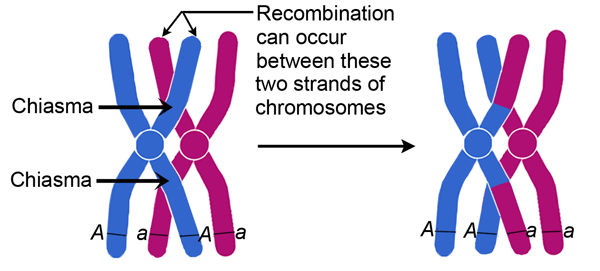


In which stage of MEIOSIS does crossing over occur? (The exchange of genetic material between chromosomes in a tetrad.)
Anaphase I
Metaphase I
Prophase I
Telophase I


During Meiosis, cells divides __________.
once
twice
three times
four times
Mutation: ATC GCAT
What mutation occurred?
New Gene: BBC
What mutation
ATTGAGCC - Mutated
The example above is an example of a
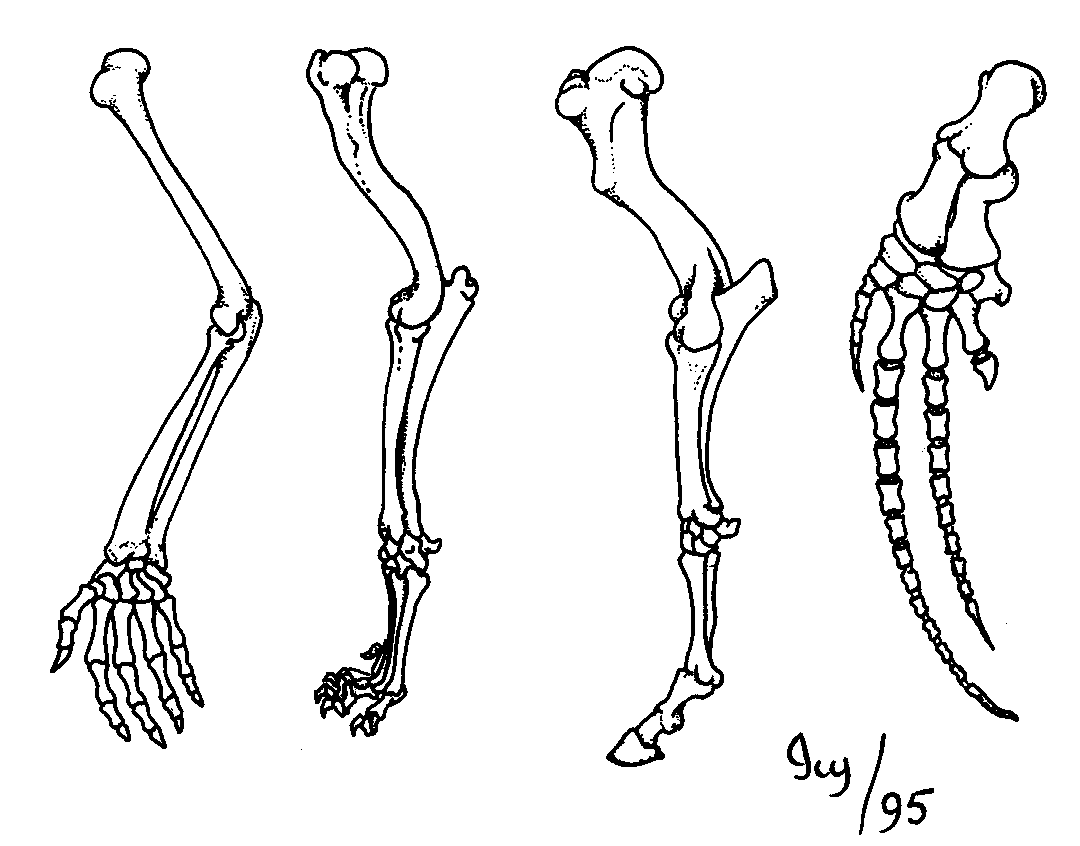

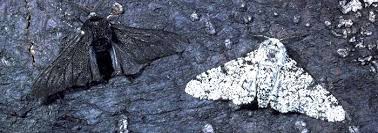
Recently, scientists have been able to use ___________to find common proteins and amino acids to determine how closely related species are.
DNA
Vestigial structures
Fossils
Homologous structures
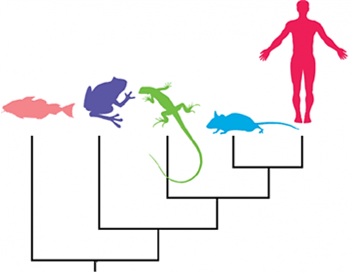
According to this phylogenetic tree, which creature is the least related out of all pictured?
Fish
Frog
Salamander
Human


Use the cladogram to determine which of these animals does not have/produce an amniotic egg?
Turtle
Leopard
Lamprey
All three of these animals produce the amniotic egg

Each of the nodes indicated on the cladogram, are described as __________________________.
Derived characteristics
Trait nodes
Branching elements
Clades
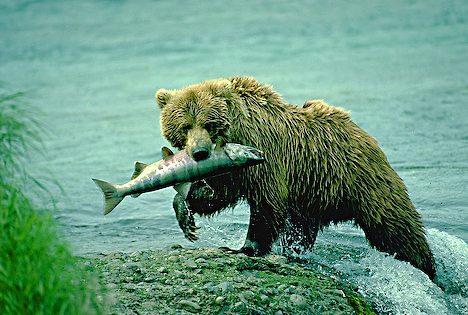
A grizzly bear survives because he is well-adapted to his environment. When he reproduces he passes on those traits to his offspring. this process is called
Natural Selection
Selective Breeding
Random mutations
Variations in a species
Traits are based on improving the next generation are known as
fitness
physiology
behavior
anatomy
Fitness is best defined as
the ability to survive, reproduce, and have it's own offspring
strength and agility
quickest and biggest competitor
longest living, ability to lead, and hunt
Of the following, which brown bear is viewed as the fittest?
Jeff: lived 13 years, 800 lbs, and had 20 cubs in which 8 survived
Dan: lived 19 years, 1,100 lbs, and had 11 cubs in which 3 survived
Mark: lived 9 years, 1, 000 lbs, and had 15 cubs in which 13 survived
Russ: lived 11 years, 1,300 lbs,and had 14 cubs in which 5 survived
Jeff
Dan
Mark
Russ
Environmental challenges that dictate which individuals will live or die or can alter evolutionary change is known as
Adaptation
Selective Pressure
Mutations
Foilage

individuals with alleles for an extreme type are more likely to survive and reproduce
stabilizing selection
directional selection
disruptive selection
genetic drift

the selection pressure favors the extreme phenotypes, dividing the population into 2 distinct groups
directional selection
stabilizing selection
geographic selection
disruptive selection
Labradoodles and cockapoos are different varieties of domestic dogs that can be purchased from dog breeders.
directional selection
stabilizing selection
disruptive selection
artificial selection
sexual selection


If the blueberry bush produces 45,000 kg of biomass, how much energy would the hawk get if he eats the shrew?
45,000 kg
4,500 kg
450 kg
45 kg
Biomass
the total quantity or weight of organisms provides
the amount of energy an individual provided

As the trophic levels move up energy and biomass _________
Decreases
Increases
Remains the same
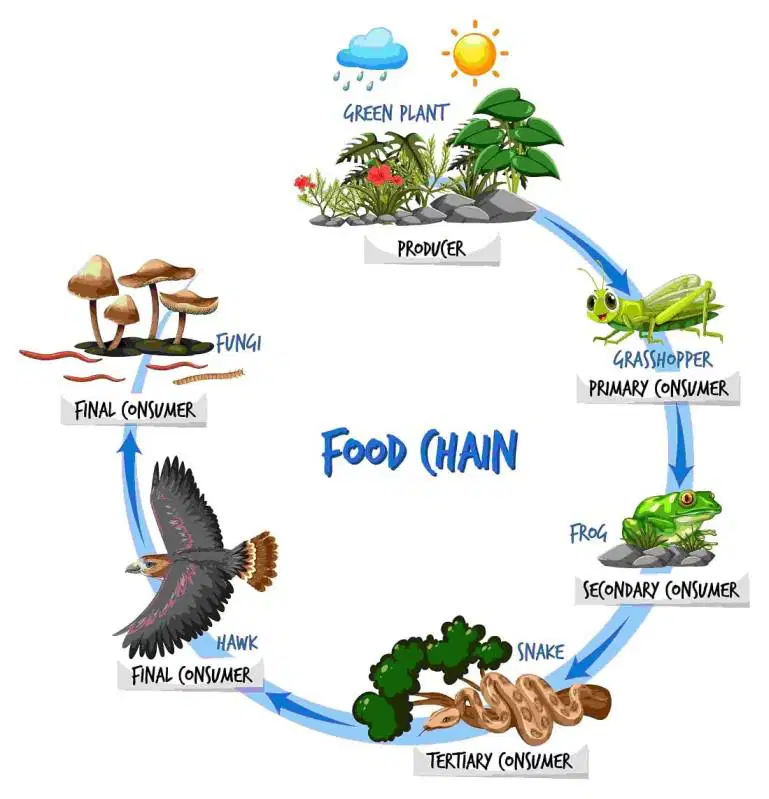
If the producer makes 6,800,000 kcal (biomass) of energy, how much would the snake get in the food chain?
6,800 kcal
6,800,000 kcal
68,000 kcal
680 kcal

Exponential population growth can be described as
growth when resources are limited
a j-shaped curve
a s-shaped curve
growth that reaches carrying capacity
What limits Population Growth?
birth rates increasing
resources being used up
natural selection taking place
none of the above

Which country will have the most rapid population growth?
Sweeden
United States
Mexico
None

Density-independent limiting factors to population growth includes
stress from overcrowding
parasitism
competition
natural disasters

What could cause exponential growth in population in a community?
people lifting heavy stuff
a community leaving
someone spreading a plague
people moving to the community/unlimited resources

What is a population ?
Disturbance has removed vegetation but left soil intact.
The natural birth, growth and development of ecosystem.
All organisms of a species that live in the same area.
A community of interacting organisms and their environment.

Exponential Growth occurs when-
populations have plenty of food/space
home to keystone species
have few evasive species in a habitat
have little to no competition or predators
Causes of death in a population may be-
density dependent & density independent
dispersion independent
density independent
independent density
Factor that causes population growth to decrease.
growth factor
limiting factor
density factor
environmental factor

Individuals that have a high survivorship success up until their reproductive age then decreases dramatically at post-reproductive age is known as
Type I
Type II
Type III
Individuals that have a steady decrease is survivorship from pre-reproductive to post-reproductive age is now as
Type I
Type II
Type III
What is the population change equation?
B - D + I - E
B + E - D - I
D - E + B + I
B - I + D - E
Population (N) is 500. Births = 15, Deaths = 15, Immigration= 20, Emigration= 30. What is the population after 1 year?
490
510
580
420
How does an increase in predators affect the prey population in terms of logistic growth?
It increases the carrying capacity for the prey.
It decreases the carrying capacity for the prey.
It has no effect on the carrying capacity but increases the growth rate.
It leads to an exponential growth of the prey population.

