
 Worksheets
Anatomy final exam review
Total questions: 92
Worksheet time: 4hrs 49mins
The study of the structure of a part.
anatomy
physiology
biology
neurology
This structure is proximal to the wrist.
digits (fingers)
metacarpals
radius
carpals
All of the following is considered anatomical position EXCEPT which one?
Upright position
Head turned to the right eyes closed
Feet flat on the floor and facing forward
Head and eyes directed straight ahead.
Term meaning closer to the midline of the body
proximal
distal
lateral
medial
Which body cavities are separated by the diaphragm
Thoracic and Pelvic
Pelvic and Abdominal
Thoracic and Abdominal
Ventral and Dorsal
Prone
Face up
Face down
Toward the back
Below some other body pa
Superficial
Above some other body part
Below some other body part
Toward the center of the body or organ
Near the surface of the body or organ
The integumentary system is made up of the ---
Skin, Muscle, and Bone
Hair, Nails, and Sweat
Nails, Hair, and Skin
3 layers of tissue
What are the three main layers of the skin?
The epidermis, the dermis, and the hypodermis
The epidermis, the dermis, and the sebaceous glands
The dermis, the sebaceous glands , and the hypodermis
The follicles, the dermis, and the epidermis
Which statement is not a function of the skeletal system?
Protects organs
stores minerals
circulates blood in the body
helps with movement
Which bone structure makes new blood cells?
Compact
Spongy
Red Marrow
Yellow Marrow
What is cartilage?
joints that connect bone to tissue
Connective tissue that acts as balance for the body
Connective tissue near joints that act as a shock absorber
a piece of tissue that is attached to the scapula
What connects bones together?
ligaments
brains
trachea
heart
Which of the following is NOT a bone area associated with the axial skeleton?
pelvic girdle
the skull
rib cage
vertebral column
Bone forming cells:
osteocytes
osteoblasts
osteoclasts
osteomasts
Bone destroying cells:
osteocytes
osteoblasts
osteomasts
osteoclasts
Bone tissue composed of small needle-like pieces of bone with open spaces:
lacunae
compact bone
canaliculi
spongy bone

These muscles are found in internal organs.
Skeletal
Muscular
Smooth
Cardiac
These muscles are connected to the bone.
Smooth
Skeletal
Cardiac
What neurotransmitter is used at the neuromuscular junction that sends a signal from the motor neuron to the skeletal muscle?
Glutamate
Acetylcholine
Norepinephrine
Dopamine
What do calcium ions do once they are released?
Calcium enters the muscle tissue
Cause sodium ions to enter the muscle
Cause potassium ions to exit the muscle
Cause acetylcholine to be released
What is a cross-bridge?
When troponin and tropomyosin undergo a shape change
When the active site of actin is revealed
When the myosin heads bind to the actin active site
When the actin filaments slide past the myosin filaments
How do the actin filaments "slide"?
With the help of acetylcholine
With the help of ADP
With the help of ATP
With the help of calcium
Muscle fatigue is...
when the muscle is unable to contract
when you are too tired to exercise
when the muscle is contracted more than 30 secondsd
when O2 comes from direct phosphorylation
What is the correlation between muscle fatigue and oxygen debt?
When O2 decreases, muscle fatigue increases
When O2 increases, muscle fatigue decreases
When O2 is obtained, muscle fatigue decreases
The lesser the oxygen debt, the lesser the muscle fatige
What is the correlation between lactic acid, ATP, and muscle contractions?
increase in lactic acid, decrease ATP, decrease in muscle contraction
increase in lactic acid, decrease ATP, increase in muscle contraction
increase in lactic acid, increase in ATP, decrease in muscle contraction
increase in lactic acid, increase in ATP, increase in muscle contraction
What are the two divisions of the nervous system?
Central and Lower nervous systems
Central and Peripheral nervous systems
Lower and Cerebral nervous systems
Central and Muscular nervous systems
An involuntary, automatic response to a stimulus controlled by the spinal cord is a ____.
stimulus
reflex
paralysis
cerebellum
What part of peripheral nervous system controls voluntary movement via skeletal muscle ?
central nervous
Somatic Nervous System
peripheral nervous system
autonomic nervous system
What are the flaps of tissue found in veins, that prevent blood from flowing backward.
valves
platelets
ventricle
antibodies

Which component of blood makes up the majority (highest percent)?
plasma
white blood cells
red blood cells
platelets
An iron-containing protein found in red blood cells is
hemoglobin
red pigment
platelets
erythrocyte
Platelets are important for which process?
fighting bacteria
carrying oxygen
recycling water
clotting
This blood vessel has a thick muscular layer to carry highly oxygenated blood
veins
artery
capillaries
ventricle
Vessels that move deoxygenated (low oxygen) are called
veins
arteries
capillaries
ventricles
Which of the following is NOT a function of the Circulatory system?
to distribute heat throughout the body
carries disease fighting white blood cells
transports oxygen and nutrients
produces new RED blood cells
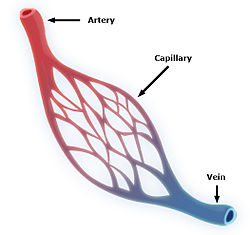

takes blood away from the heart
artery
vein
capillary
brings oxygenated blood from the lungs to the left atrium
vena cava
aorta
pulmonary veins
pulmonary artery
takes blood away from the right ventricle to the lungs for oxygen
vena cava
aorta
pulmonary veins
pulmonary artery
upper chamber of the heart
atrium
ventricle
artery
vein
the valve found at the opening of the aorta
tricuspid
bicuspid (mitral)
pulmonary
aortic
the valve found between right atrium and right ventricle
tricuspid
bicuspid (mitral)
pulmonary
aortic
the valve found between left atrium and right ventricle
tricuspid
bicuspid (mitral)
pulmonary
aortic
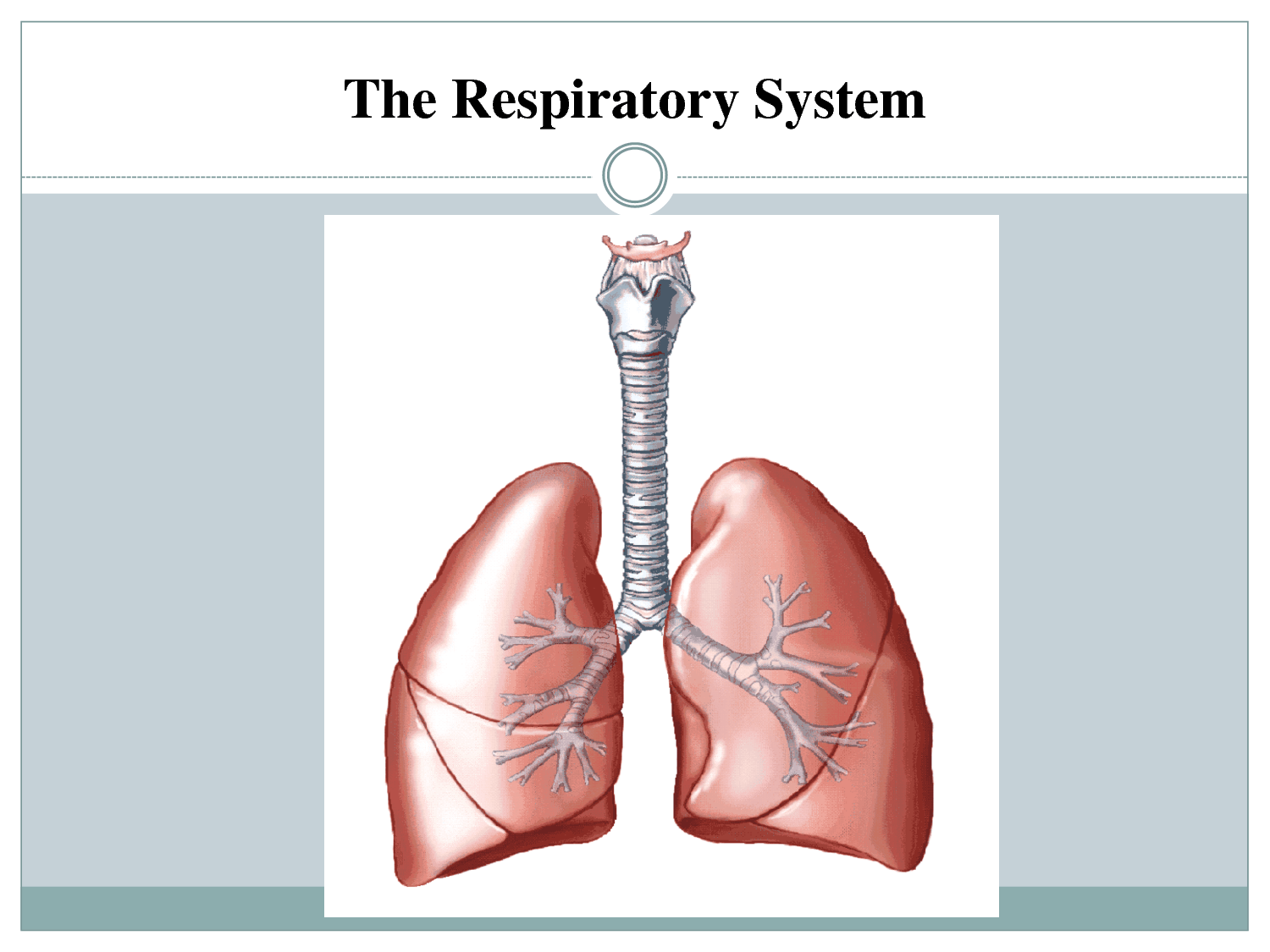
What is the main function of the respiratory system?
to provide oxygen and remove carbon dioxide from the body
o break down food and absorb nutrients
to remove oxygen from the body and deliver carbon dioxide
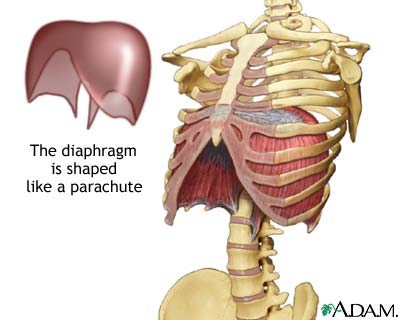
What is function of the dome-shaped diaphragm muscle?
This is where gas exchange happens.
Air passes through the diaphragm on the way to the lungs.
It attaches to the lungs and contracts and relaxes to help in breathing.
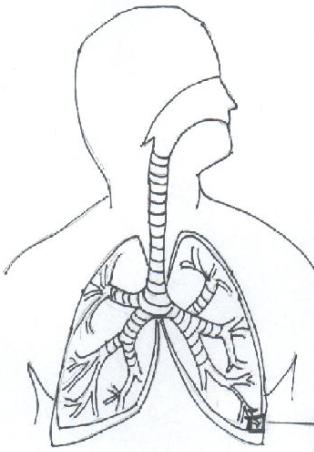

Flap of tissue that covers the opening to the windpipe during swallowing
Pharynx
Trachea
Epiglottis
Where does internal respiration take place?
In the lungs
Within cells of blood and tissues
In the stomach
In the bones
When food is chewed, mixed, and churned __________ digestion is taking place.
Chemical
Mental
Emotional
Mechanical
When food is broken down by enzymes or acid, __________ digestion is taking place.
Chemical
Mental
Emotional
Mechanical
The __________ is where digestion begins.
Stomach
Small Inestine
Mouth
Liver
What type of digestion takes place in the stomach?
mechanical
chemical
both mechanical and chemical
Where does the absorption of nutrients from food take place?
stomach
liver
small intestine
large intestine
What are the functions of the digestive system? Select ALL that apply:
where does salivary amylase act
mouth
esophagus
stomach
small intestine
where does pepsin act
small intestine
stomach
pancreas
mouth
What type of enzymes break down carbohydrates into simpler molecules?
Protease enzymes
Lipase enzymes
Amylase enzymes
Emulsification enzymes
Where does the enzyme pepsin function?
Small intestine
Stomach
Pancreas
Liver
What is the primary function of the large intestine in the digestive system?
To absorb nutrients from digested food
To produce digestive enzymes
To absorb water and salts from undigested food
To store undigested food
What connects the mouth to the stomach
epiglottis
pylorus
esophagus
tongue
What are the steps of the digetive process?
Digestion in the small intestine, chewing, in the stomach, absorption and waste elimination.
Chewing, digestion in the stomach, digestion in the small intestine, absorption and waste elimination.
Chewing, digestion in the stomach, waste elimination, absoption and digestion in the small intestine.
Which organ makes bile to help break down fats?
liver
gallbladder
pancreas

