
 Worksheets
6th Grade Science: Year in Review
Total questions: 110
Worksheet time: 1hrs 14mins
Fuels like coal, oil, and natural gas are made from the remains of ancient living things. What are these fuels called?
Renewable energy
Nuclear energy
Fossil fuels
Geothermal energy
According to the law of conservation of energy, what happens to energy?
It is created and destroyed
It is conserved
It is transformed into matter
It is converted into light
Fuels like coal, oil, and natural gas are made from the remains of ancient living things. What are these fuels called?
Renewable energy
Nuclear energy
Fossil fuels
Geothermal energy
According to the law of conservation of energy, what happens to energy?
It is created and destroyed
It is conserved
It is transformed into matter
It is converted into light
Which of the following is considered a safer source of energy?
Coal
Oil
Solar energy
Natural gas
What happens to energy according to the principle of conservation?
It is created and destroyed
It is conserved
It is transformed into matter
It is converted into light
Most power plants in the United States burn this fossil fuel to generate electricity.
Coal
Oil
Natural gas
Geothermal energy
What device transforms the potential energy of water into electrical energy?
Windmill
Solar panel
Hydroelectric dam
Nuclear reactor
Which of the following is an energy resource that is replenished continually?
Coal
Oil
Solar energy
Natural gas
What does a windmill convert the kinetic energy of wind into?
Heat energy
Mechanical energy
Electrical energy
Chemical energy
What are the 'factories' that provide the electricity we use in our everyday life called?
Power plants
Windmills
Solar panels
Hydroelectric dams
What kind of energy does the sun transform into thermal and radiant energy?
Nuclear energy
Electrical energy
Kinetic energy
Potential energy
What device transforms radiant energy directly into electrical energy?
Windmill
Solar panel
Hydroelectric dam
Nuclear reactor
What is the process of transforming the potential energy of water that is trapped behind a dam called?
Nuclear energy
Photosynthesis
Conduction
Hydroelectric power
What device with narrowly spaced fan blades turns the generator in power plants?
Windmill
Solar panel
Hydroelectric dam
Turbine
Which of the following energy resources are used up much faster than they can be replaced? (select all that apply)
Coal
Oil
Solar energy
Natural gas
What is the process of using the sun's energy directly through thermal or photovoltaic panels called?
Hydro-electricity
Nuclear Energy
Solar power
Fossil fuels
Resources that are used faster than they can be replaced by natural processes
Nonrenewable Resources
Renewable Resources
___________________ are fuels made from the remains of ancient organisms.
fossil fuels
waste energy
renewable energy
nuclear energy
Which one of these is not a fossil fuel?
coal
oil
natural gas
nuclear energy
What energy transformations take place when a battery operated radio is in use?
electrical to chemical to sound
thermal to nuclear to electrical
chemical to electrical to sound
chemical to sound to thermal
Plants turn_______ energy into _______ energy for food.
thermal, mechanical
radiant, chemical
electromagnetic, light
potential, kinetic
Which energy transformation below occurs in a blow dryer?
electrical ----> thermal
electrical -----> chemical
chemical -----> thermal
thermal ------> electrical


Light energy is also known as
radiant energy
thermal energy
heat energy
nuclear energy

Most of the world's energy is solar. Solar energy is energy from the
Earth
Solar panels
Sun
Moon
What is the source of almost all energy on Earth?
the Sun
Earth's hot core
moving water
stored carbon
What types of energy are produced when a light bulb is in a complete circuit?
thermal and light
magnetism and sound
sound and thermal
light and magnetism
What energy transformations take place in a kitchen toaster?
heat to mechanical
electrical to heat
heat to chemical
electrical to chemical
An electric current flowing in one direction only:
voltage
parallel current
direct current
electric current
An electric current that moves back and forth in a circuit
alternating current
direct current
parallel current
electric current

Diagram shows the flow of:
Alternating Current
Direct Current
Floating Current
Fluctuating Current

Diagram shows the flow of:
Alternating Current
Direct Current
Floating Current
Fluctuating Current
What is an object that allows electrical current to flow through it?
Conductors
Circuits
Nonconductors
Batteries

Electric current can flow only through a circuit that is ________.
open
diagrammed
closed
positive

Wires are often made of copper because copper __________.
is a filament
has high resistance
is a good conductor
uses fewer watts

Many wires are covered with rubber or plastic because these materials are ___________.
good conductors
grounded
good insulators
negatively charged
A unit that measures the force of a current is called ______
ampere
volt
watt
ohm
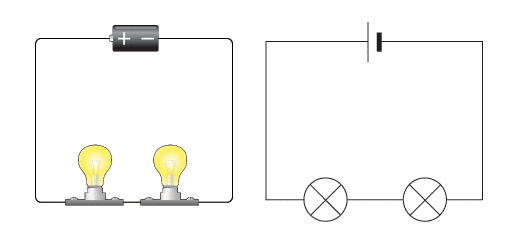
What type of circuit is this?
Series
Consecutive
Parallel
Training

What type of circuit is this?
Series
Consecutive
Parallel
Training
Which way do electrons flow?
Positive to negative
Negative to positive
Negative to negative
Positive to positive
Energy transformations occur when...
Energy is created through conduction
Energy changes from one form to another
Two forces slide together that are touching
A chemical reaction takes place
What does the Law of Conservation of Energy state?
Energy is the movement of electrons within an atom.
Energy is a means to an end.
Energy can be created when needed.
Energy cannot be created or destroyed.
What is Energy?
The ability to do anything
The ability to cause change
The study of nature
A fact of life
Energy cannot be created or destroyed.
True
False
Energy transformations occur when...
Energy is created through conduction
Energy changes from one form to another
Two forces slide together that are touching
A chemical reaction takes place
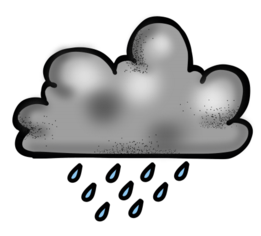
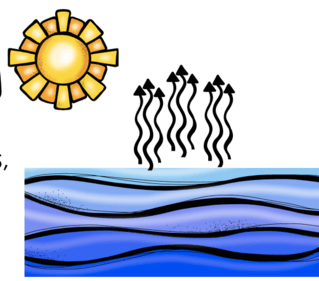
Where does the energy needed for the water cycle to occur, come from?
The Moon
The Sun
Producers
Omnivores
Where does the energy needed for the water cycle to occur, come from?
The Moon
The Sun
Producers
Omnivores
What percentage of Earth's fresh water that is not frozen
97%
1%
100%
3%
hydrosphere
all the water on Earth
regions that contain all the living things on Earth
the envelope of gases that surrounds Earth
living things on land
____ happens when liquid turns into a gas on Earth's surface
evaporation
condensation
respiration
transpiration
clouds
water storage areas during the water cycle
places reserved for water usage by humans and animals
made from water and ice that are too big to remain suspended in the air
made up of water droplets or ice crystals that are so small they remain suspended in the air
Evaporation adds water to the
biosphere
atmosphere
lithosphere
geosphere

Where does SOIL get its carbon from?
The sky
The sun
Dead animals and plants
Worms

Where does a TREE get its carbon from?
The sky
The sun
Dead animals and plants
Worms

Where does the SKY get its carbon from?
The sun
Animals breathing
Water
The sun

Where do ANIMALS get their carbon from?
The sun
Other animals breathing
The dirt
Their food
Label the following Carbon cycle.
Label the following Carbon cycle.
The constant movement of nitrogen through the biotic & abiotic parts of an ecosystem is known as the ______.
water cycle
nitrogen cycle
carbon cycle
life cycle
True or False...Bacteria play a very important role in the nitrogen cycle.
True
False
True or False...The nitrogen in the atmosphere is in a usable form and can be absorbed by living things.
True
False
What percent of the atmosphere is composed of nitrogen?
1%
21%
78%
100%
The area around a magnet in which magnetic forces can act is called what?
Motor
Magnetic Field
Magnet
Magnetic Poles


(a)

Iron, Nickel and cobalt are all (a) materials

Where on a magnet is the magnetic force the strongest?
at the poles
in the middle
above the magnet
below the magnet
What is the definition of magnetism?
A force that repels or attracts objects that are magnetic.
Any and all things that have mass and take up space.
using the five senses to describe matter.

A compass points toward the south pole of Earth's magnetic field, located near the Earth's geographical ________.
north
south
east
west
Every magnet has both a _________ pole and a __________ pole.
North, South
East, West
Positive, Negative
Positive, South
The red needle always points north because
The North Pole is the Magnetic North Pole, like poles attract
The North Pole is the Magnetic South Pole, opposites attract

This image shows
an attracting force
a repelling force
no force


Which of the following is not a good conductor?
Copper
Silver
Aluminium
Plastic


The picture above is an example of what?
Magnetic field
Electric field
Repulsion
Attraction

What would happen with the magnets in the picture above?
They would repel
Nothing
They would attract
They would repel and then attract

A generator is a machine that transforms ____________ energy to ______________ energy.
Electrical to Kinetic
Kinetic to Electrical
Radiant to Kinetic
Kinetic to Thermal
A simple electrical motor converts ______________ energy to ____________ energy.
Magnetic to Electrical
Electrical to Magnetic
Electrical to Kinetic
Kinetic to Electrical

The area around a magnet is called the .....
attraction zone
work area
magnetic field
hot zone



