wayground logo

Free Printable Worksheets

Font size

S
M
L
XL
Worksheets

Periodic table

Total questions: 74

Worksheet time: 2hrs 35mins

Name
Class
Date
1.

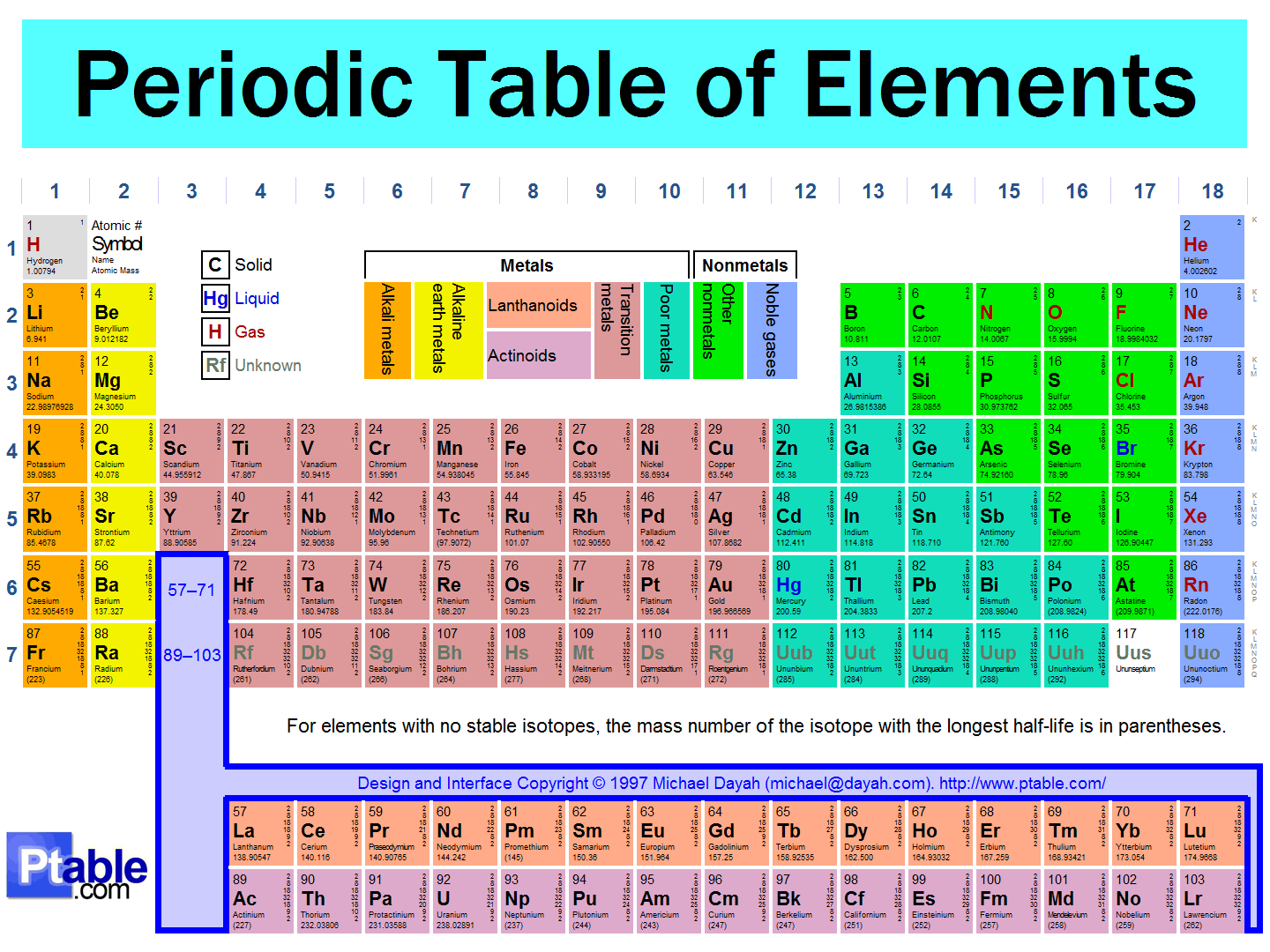
Elements on the Periodic Table of the Elements are classified into categories such as

a)

rocks and minerals

b)

molecules and atoms

c)

metals and nonmetals

2.

The majority (most) of the elements are:

a)

metals

b)

nonmetals

c)

metalloids

3.

The elements on the left side of the periodic table of elements are mainly:

a)

metals

b)

nonmetals

c)

metalloids

4.

The elements on the right side of the periodic table of elements are mainly:

a)

metals

b)

nonmetals

c)

metalloids

5.

The elements along zig zag line on the periodic table of elements are:

a)

metals

b)

nonmetals

c)

metalloids

6.

Based on its position in the Periodic Table, at room temperature, cadmium is most likely a

a)

metal

b)

nonmetal

c)

metalloid

7.

On the periodic table, elements with similar chemical characteristics are found in the same:

a)

period (row)

b)

group (column)

8.

Helium (He) belongs to the ______ family.

a)

alkali metal

b)

halogen

c)

noble gas

9.

Sodium, Na, belongs to the ______ family.

a)

Halogen

b)

alkali metal

c)

Noble gas

d)

alkaline earth metal

10.

Which element is a noble gas?

a)

Fluorine (F)

b)

Krypton (Kr)

c)

Phosphorus (P)

d)

Aluminum (Al)

11.

Chlorine, Cl, belongs to the ______ family.

a)

Noble gas

b)

alkaline earth metal

c)

Halogen

d)

Transition metal

12.

Which elements would react similarly to Chlorine? (Cl)

a)

Oxygen (G)

b)

Fluorine (F)

c)

Neon (Ne)

d)

Bromine (Br)

13.

Which element would react similarly to Gold (Au)?

a)

Silver (Ag)

b)

Mercury (Hg)

c)

Iron (Fe)

14.
How did Mendeleev arrange the elements?
a)
alphabetical 
b)
density
c)
melting point
d)
atomic mass
15.
The horizontal row on the periodic table is called a
a)
group
b)
family
c)
period
d)
atomic number
16.
Dimitri found that there was a pattern of properties that repeated every ____ elements.
a)
2
b)
4
c)
5
d)
7
17.
A vertical column is called...
a)
group
b)
tower
c)
period
d)
crew
18.
Which of the following is the most metallic element in period 3?
a)
Boron (B)
b)
Sodium (Na)
c)
Argon (Ar)
d)
Silicon (Si)
19.
Which of these element is the least metallic?
a)
Potassium (K)
b)
Carbon (C)
c)
Sulfur (S)
d)
Neon (Ne)
20.
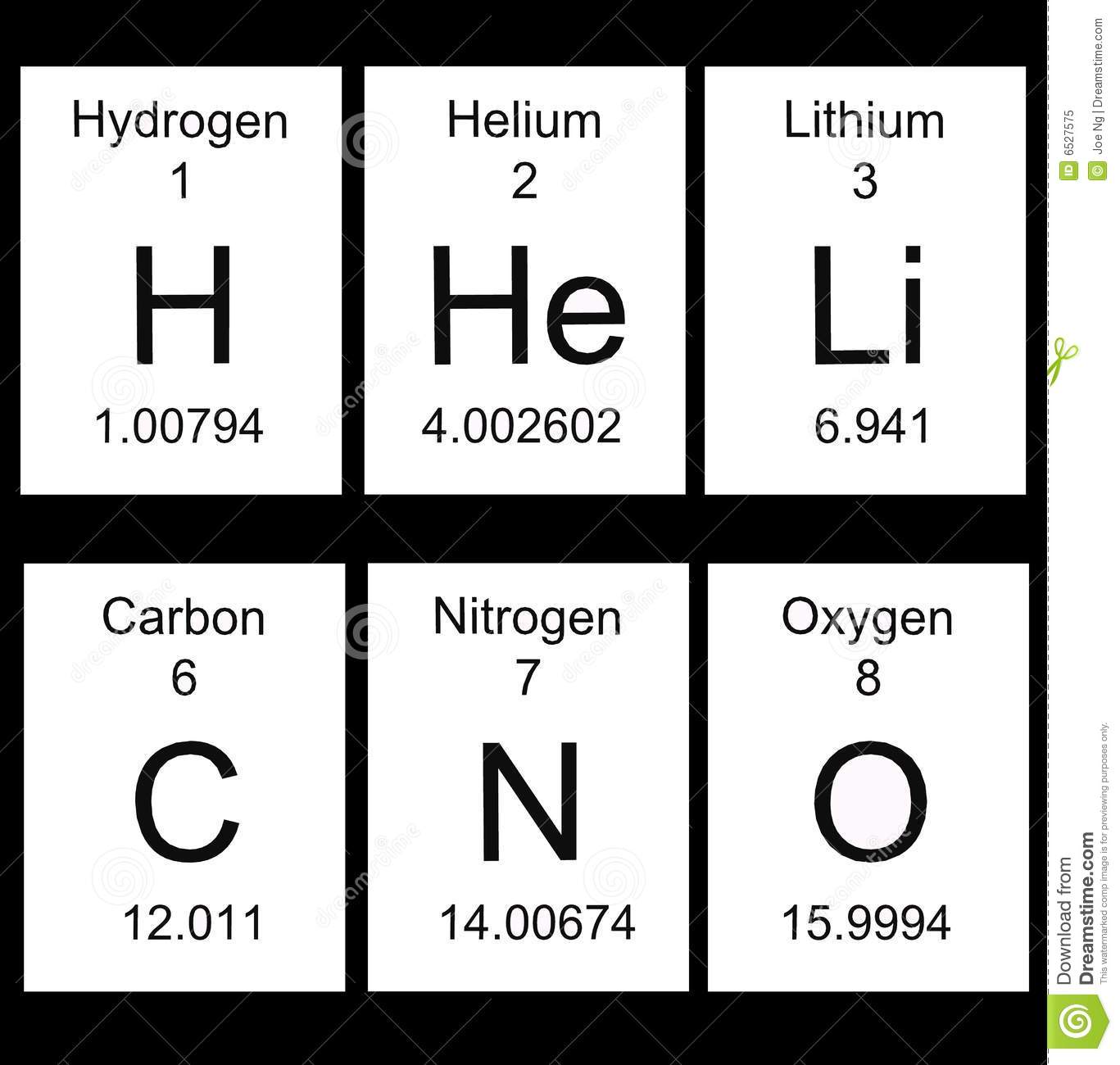
The number at the bottom of each square on the periodic table is the ...
a)
atomic number
b)
atomic mass
c)
chemical symbol
d)
element name
21.
The number at the top of each square on the periodic table is the ...
a)
atomic number
b)
atomic mass
c)
Chemical Symbol
d)
Element Name
22.
What is the chemical symbol for Lithium?
a)
H
b)
He
c)
Li
d)
N
23.
The months of the year are __________ because they repeat in the same order every 12 months.
a)
periodic
b)
group
c)
period
d)
halogens
24.
How many elements follow the periodic law?
a)
7
b)
98
c)
110
d)
All of them
25.
A rule that states that repeating chemical and physical properties of elements change periodically with the atomic number of the elements is the _________.
a)
periodic law
b)
alkaline-earth metals
c)
actinide
d)
group rule
26.
Pure forms of these elements are stored in oil so they won't react with oxygen and water in the air.
a)
Alkali Metals
b)
Alkaline-earth metals
c)
Halogens
d)
Noble Gases
27.
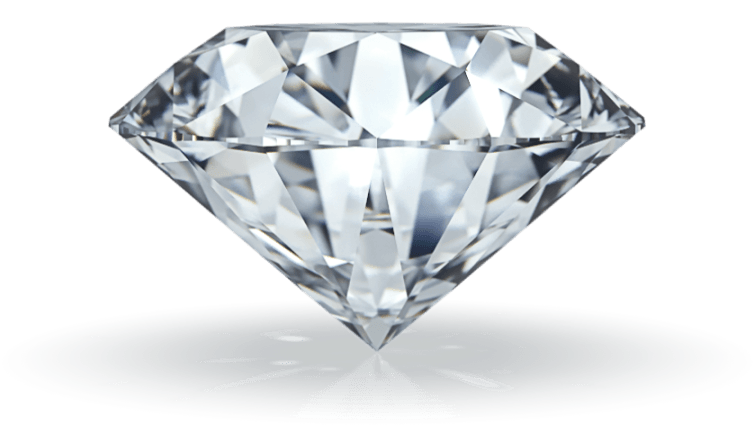
Diamonds are a pure form of what element?
a)
Carbon
b)
Oxygen
c)
Silicon
d)
Silver
28.
What group of elements don't have individual names?
a)
Alkaline-earth Metals
b)
Transition Metals
c)
Alkali Metals
d)
Halogens
29.
What element is used in light bulbs to help them last longer?
a)
Xenon
b)
Argon
c)
Helium
d)
Krypton
30.
All of the actinides are ___________.
a)
stable
b)
radioactive
c)
shiny
d)
named after scientists
31.
Most of the elements on the periodic table are classified as _____.
a)
Metals
b)
Nonmetals
c)
Metalloids
d)
Periods
32.
This class of elements are sometimes called "semiconductors."
a)
Metals
b)
Nonmetals
c)
Metalloids
d)
Groups
33.
Why do some elements have 3 letter chemical symbols?
a)
There are no elements with 3 letter symbols
b)
They are named after scientists
c)
They are named after places
d)
They have a temporary name until scientists agree on a new name.
34.
In the modern periodic table elements are arranged by:
a)
atomic mass
b)
atomic number
c)
valence electrons
d)
number of isotopes
35.
Each column in the periodic table is called a 
a)
period
b)
group
c)
cluster
d)
unit
36.
The atomic number tells you what?
a)
number of electrons
b)
number of protons
c)
number of neutrons
d)
both electrons and protons in an atom.
37.
Calcium is most like which of the following?
a)
Barium
b)
Potassium
c)
Cesium
d)
Nitrogen
38.
Beryllium is in group number______.
a)
Group 2
b)
Group 3
c)
Group 4
d)
Group 7
39.
The period for Bromine is ___________.
a)
3
b)
2
c)
4
40.
What is the name of the group that never reacts--ever ever they are stable with a full outermost ring!!!
a)
noble gases
b)
transition
c)
halogens
d)
borons
41.
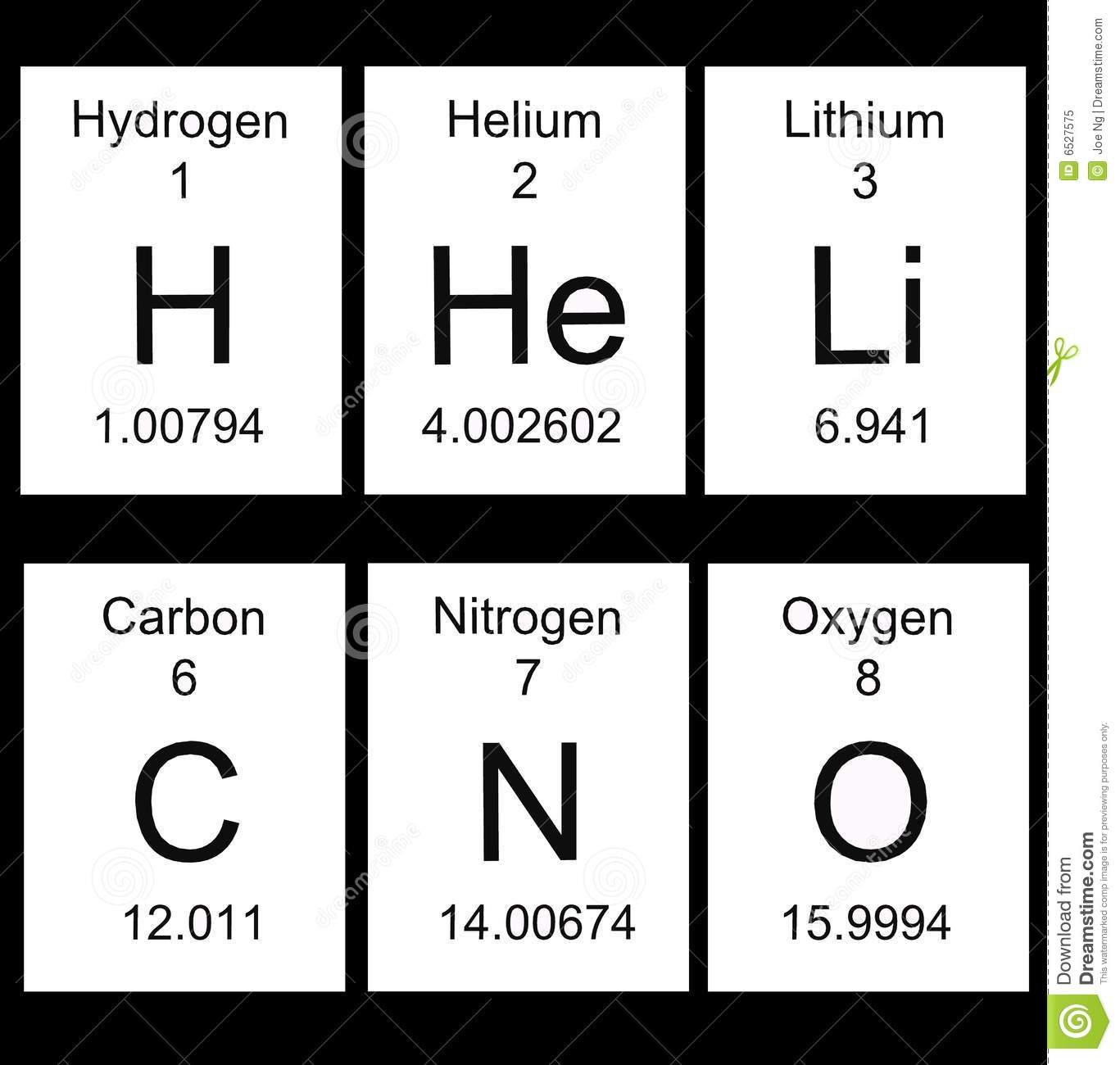
What is the chemical symbol for Lithium?
a)
H
b)
He
c)
Li
d)
N
42.
The number at the bottom of each square on the periodic table is the ...
a)
atomic number
b)
atomic mass
c)
chemical symbol
d)
element name
43.
The number at the top of each square on the periodic table is the ...
a)
atomic number
b)
atomic mass
c)
Chemical Symbol
d)
Element Name
44.
The horizontal row on the periodic table is called a
a)
group
b)
family
c)
period
d)
atomic number
45.
Which element is found in group 16 period 3?
a)
Sulfur (S)
b)
Selenium (Se)
c)
Chlorine (Cl)
d)
Carbon (C)
46.
Which element is found  in group 17 period 3?
a)
Chlorine
b)
Flourine
c)
Oxygen
d)
Phosphorous
47.
Which element is found in period 3 group 2?
a)
Sodium (Na)
b)
Magnesium (Mg)
c)
Yttrium (Y)
d)
Boron (B)
48.
Which element is found in group 18 period 4?
a)
Neon (Ne)
b)
Chlorine (Cl)
c)
Krypton (Kr)
d)
Xenon (Xe)
49.
Which element is found in group 1 period 2
a)
Lithium
b)
Magnesium
c)
Beryllium
d)
Potassium
50.
Which element is found in group 2 period 7?
a)
Radium (Ra) 
b)
Radon (Rn)
c)
Stontium (Sr)
d)
Lutetium (Lu)
51.
Which element is found in group 18 period 1?
a)
Neon (Ne)
b)
Helium (He)
c)
Chlorine (Cl)
d)
Krypton (Kr)
52.
Which element is found in group 2 period 4?
a)
Strontium (Sr)
b)
Barium (Ba)
c)
Calcium (Ca)
d)
Beryllium (Be)
53.
Which element is found in group 6 period 5?
a)
Chromium (Cr)
b)
Tungsten (W)
c)
Molybdenum (Mo)
d)
Tantalum (Ta)
54.
GOLD
a)
Al
b)
Ag
c)
Ar
d)
Au
55.
CHLORINE
a)
C
b)
Ca
c)
Cl
d)
Cu
56.
CALCIUM
a)
C
b)
Ca
c)
Cu
d)
Cl
57.
CARBON
a)
C
b)
Ca
c)
Cl
d)
Cu
58.
COPPER
a)
C
b)
Ca
c)
Cu
d)
Cl
59.
SULFUR
a)
Su
b)
S
c)
Sf
d)
Si
60.
SILVER
a)
Au
b)
Ag
c)
Al
d)
Ar
61.
SILICON
a)
S
b)
Si
c)
Su
d)
Sc
62.
SODIUM
a)
S
b)
So
c)
N
d)
Na
63.
POTASSIUM
a)
P
b)
Ka
c)
K
d)
Pt
64.
How many different elements are in this chemical formula: C2H2ClK3
a)
6
b)
8
c)
2
d)
4
65.
Which of the following is a pure substance?
a)
O2
b)
Al2CO5
c)
C6H12O6
d)
SiO2
66.
Which of the following atomic symbols for bromine is written correctly?
a)
bR
b)
BR
c)
Br
d)
br
67.
Which of the following chemical formulas represents a compound? 
a)
C3
b)
O2
c)
CH3CHO
d)
H2
68.
What is krypton?
a)
element
b)
compound
c)
mixture
69.
What is water?
a)
element
b)
compound
c)
mixture
70.
When two or more elements chemically combine
a)
element
b)
compound
c)
mixture
d)
solution
71.
What is the chemical symbol for mercury?
a)
Hg
b)
Mc
c)
My
d)
C
72.
a)
Element
b)
Compound
73.
a)
Element
b)
Compound
74.

What is the chemical symbol for iron?

a)

I

b)

Ir

c)

Fe

d)

R