
 Worksheets
End of year 9 Quiz
Total questions: 93
Worksheet time: 47mins
Which of the following is NOT a store of energy?
Kinetic
Gravitational Potential
Elastic potential
Thermal
Sound
Which of the following is NOT a transfer of energy?
Heating
Kinetically
Mechanically
Electrically
Waves
To calculate the kinetic energy of an object you must use this equation: Ek = 0.5 x mass x speed2. Which of the following objects has the most kinetic energy?
A 10 kg mass with a speed of 5 m/s.
A 5 kg mass with a speed of 10 m/s.
A 2 kg mass with a speed of 20 m/s.
A 0.1 kg mass with a speed of 100 m/s.
To calculate the elastic potential energy you must use the equation: Ee = 0.5 x spring constant x extension2. (Extension must be in metres, m) Calculate the elastic potential energy stored in a spring with a spring constant of 200 N/m that has been stretched from a length of 117 cm to a length of 127 cm.
0.1 J
1.0 J
10.0 J
100.0 J
Which is the correct equation that links work done, power and time?
power = work done x time
time = power x work done
work done = power x time
work done = power / time
A toaster takes 200 s to transfer 180,000 J of energy. What is the power of the toaster?
90 W
900 W
9,000 W
90,000 W
An electric motor transfers 24 J of energy usefully, but wastes 16 J of energy in doing so. What is the efficiency of the motor?
16 J ÷ 24 J = 0.67
24 J ÷ 16 J = 1.5
16 J ÷ 40 J = 0.4
24 J ÷ 40 J = 0.6
If the speed of an object is increasing, its (a) energy store is increasing.
As an object falls it gains kinetic energy as its _______________ ___________ energy store decreases.
(a)
Tick all the non renewable energy resources
Coal
Wind
Nuclear
Gas
Solar
Tick the renewable energy resources
Wind
Hydroelectric
Oil
Waves
Tick the energy resources that can be used for heating
Coal
Nuclear
Wind
Gas
Tick the energy resources that can be used for transport
Solar
Oil
Coal
Geothermal

Food is an example of __________ energy.
Kinetic
Thermal
Chemical
Potential
Gravitational Potential Energy (Ep) is...
the energy stored in a stretched object
the energy stored in an electrically charged object
the energy stored in a frozen object
the energy stored in a raised object

What is energy measured in?
joules
newtons
kilograms
metres
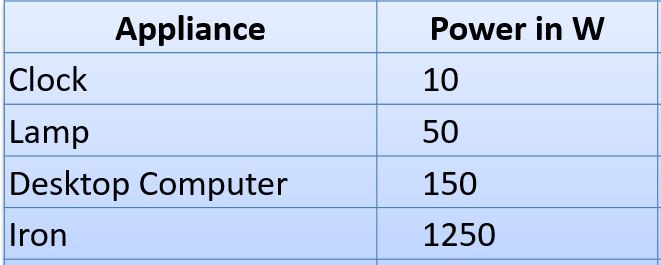

Which term describes the energy transferred to surroundings in less useful ways?
Conserved energy
Dissipated energy
Efficient energy
Potential energy
What is the main cause of global warming according to the document?
Deforestation
Increased solar radiation
Burning of fossil fuels releasing carbon dioxide
Overpopulation
What is kinetic energy dependent on?
The color and texture of the object
The mass and velocity of the object
The temperature of the object
The position of the object in space
Energy is measured in.....
kilograms
metres per second
Joules
metres
Energy cannot be created or destroyed, it can only be _________ between the stores
removed
dissipated
transferred
stored
When a kettle boils, energy is transferred from the electrostatic store to the _________________ energy store.
chemical
kinetic
elastic
thermal
On a rollercoaster, the gravitational potential is at its highest/lowest when it reaches the top of the track
highest
lowest
On a rollercoaster, gravitational energy is transferred to which other two energy stores?
thermal and electrostatic
kinetic and chemical
kinetic and nuclear
thermal and kinetic
Work done is another way of saying energy is transferred. What are the units of measurement fir work done?
kilograms
Joules
Degrees celcius
Joules per kilogram degrees celcius
What is the equation to work out gravitational potential energy?
mass x gravitational field strength x height
0.5 x mass x velocity2
mass x height
height x gravitational field strength
What is the unit of measurement for mass?
grams
kilograms
metres
metres per second

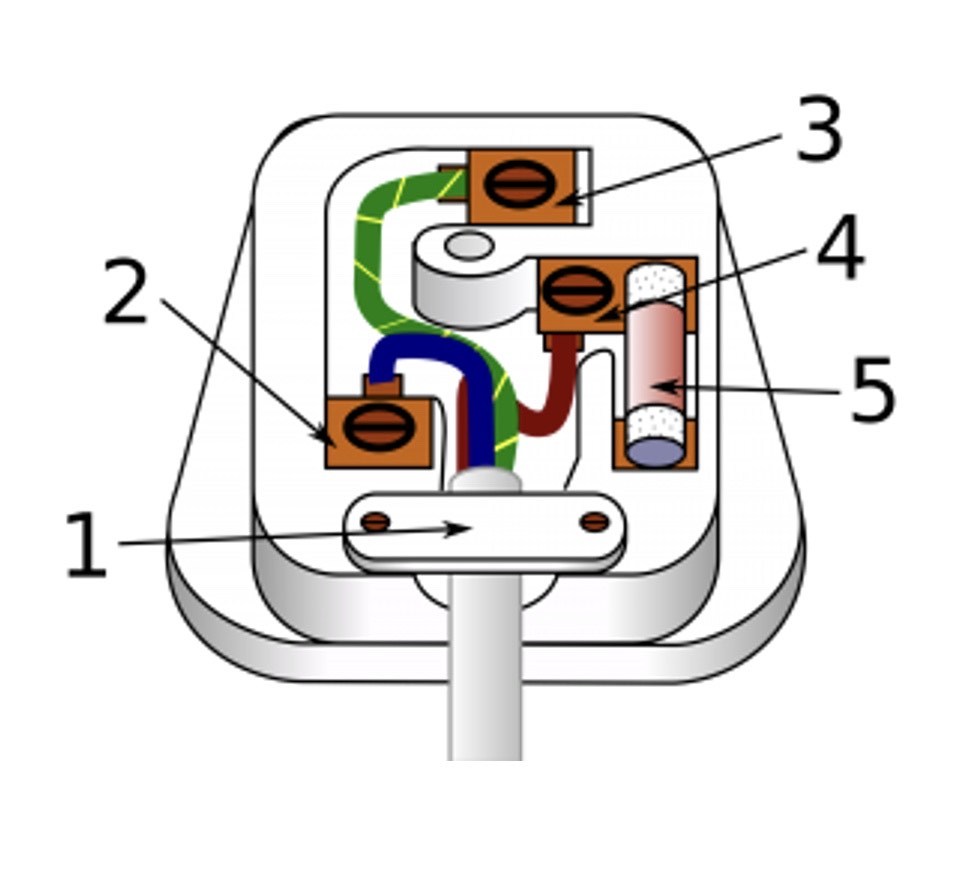
What is the name of the pin labelled 2 in the diagram?
Earth
Neutral
Live
What colour is the Earth wire in a plug?
Red
Red and black
Green
Green and yellow
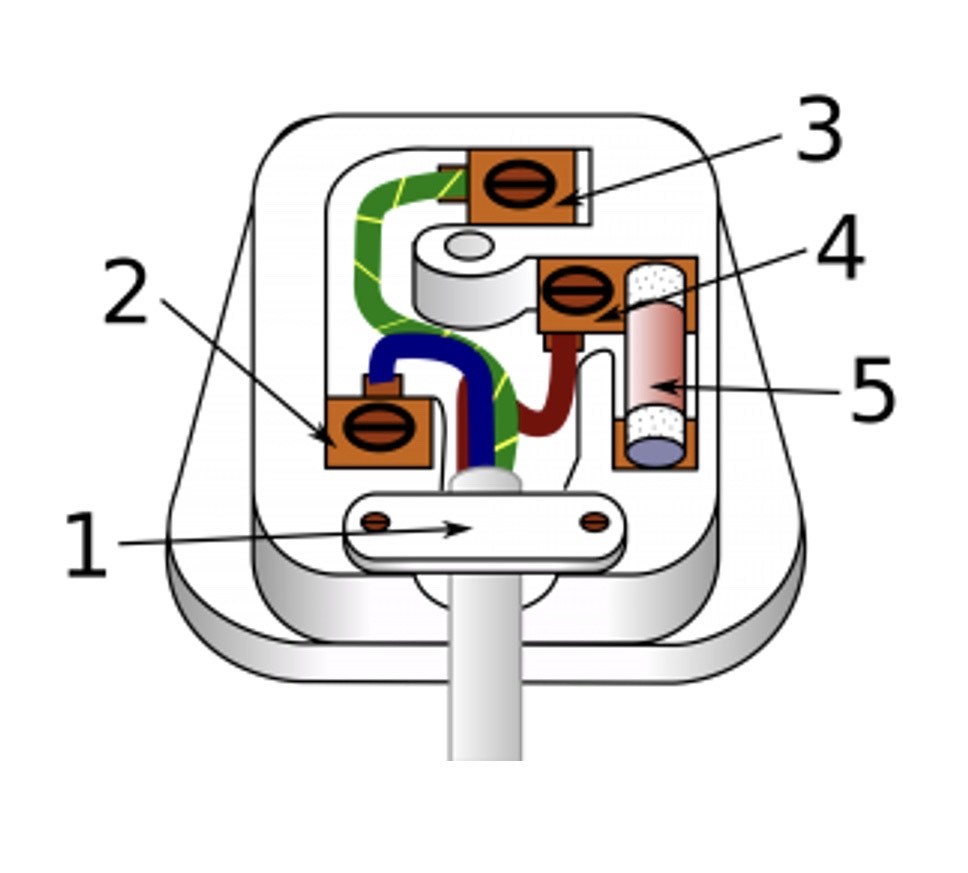
Which is the live wire in the diagram?
Number 2
Number 3
Number 4
Number 5
What is the potential difference of the mains electricity supply? (a) volts
What is the frequency of the mains electricity supply? (do not worry about the units here)
(a)
What is the unit of frequency?
(a)
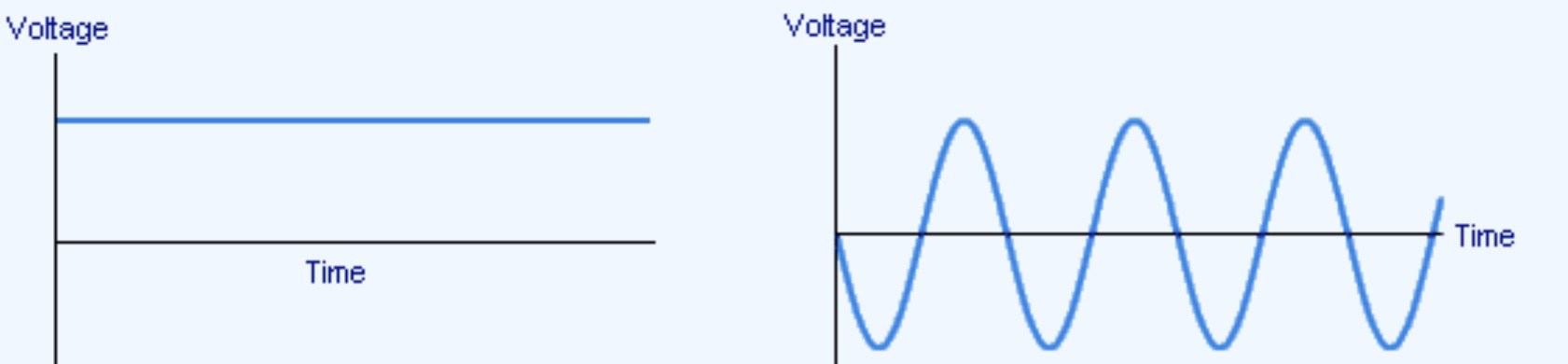
What does the graph on the left show?
direct current
alternating current
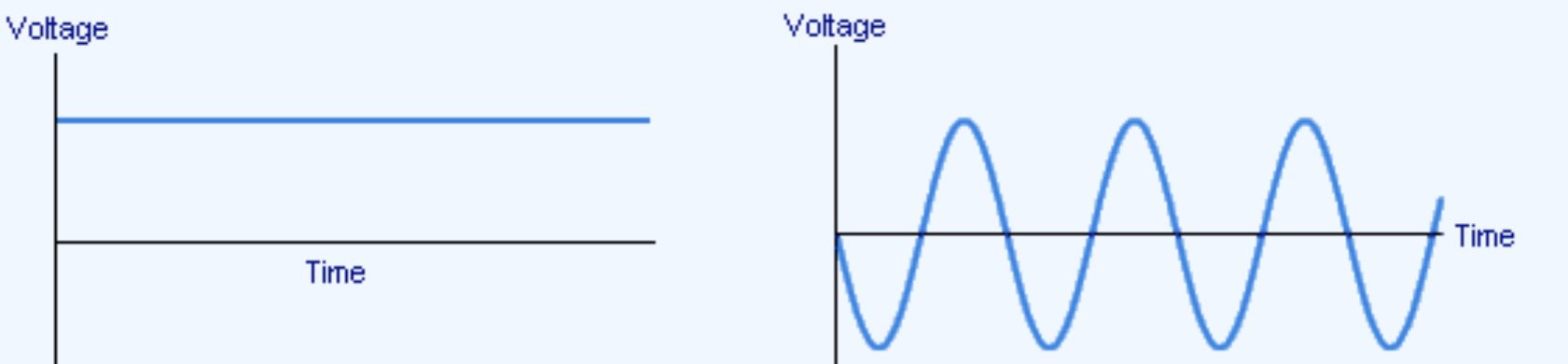
Which diagram shows an oscilloscope trace of alternating current?
left hand diagram
right hand diagram

Imagine the diagrams are numbered 1,2,3,4 from left to right.
Which is the symbol for a fuse?
1
2
3
4

Imagine the symbols are numbered 1,2,3,4 from left to right.
What is number 3 the symbol for?
A variable resistor
A fuse
A lamp
A fixed resistor

What does this symbol represent?
Buzzer
Cell
Bulb
Motor
Which of these is the correct symbol for a cell?


Which of these materials is not an electrical insulator?
wood
rubber
copper
plastic

Why is there plastic coating around a metal wire?
to keep the wire warm
to insulate electricity
so it looks nice
to conduct electricity

If you added an extra battery to a circuit with a bulb, what would happen to the bulb?
become dimmer
no change
become brighter
turn off
Which of these is the correct symbol for a bulb?


The diagram shows the circuit used to obtain the data needed to plot the current-potential difference graph for a filament lamp.
Why is component M included in the circuit?
To keep the current constant.
To keep the potential difference constant.
To vary the current.
To vary the bulbs resistance.
What is a conductor?
A material that allows electricity to go through it
The area of a conductor through which a current is able to move
A battery, or other device, which provides energy for a circuit
When there is only one path for the electricity to flow

Cell or battery - You decide!
Battery
Cell

Motor
Ammeter
Voltmeter
Switch

Motor
Resitor
Ammeter
Variable Resistor

This circuit will..........You Choose
work because everything is connected and the switch is closed
will not work because the battery is the wrong way round
will work as the lamps are in series and the battery is connected
will not work, although it is set up correctly the switch is open
Which type of radiation travels the furthest in air?
Alpha
Beta
Sound
Gamma
What material can be used to absorb gamma radiation?
Thin aluminium (a few mm thick)
Thick lead or concrete
A piece of wood
A sheet of paper
What is Ms. M's birth country?
Iraq
USA
Italy
Iran
What is Ms. M's favourite food?
Everything
Pizza
Steak
Pasta
How old is Ms. M?
35
40
29
57
How many kids does Ms. M have?
1
2
0
1.5
What did Ms. M study in the university?
Maths
Electrical engineering
Physics
Chemistry
How many years have Ms. M been in the UK?
3
2
5
7
Ms. M's favourite hobbies are
Cooking
Drawing
Crafts
Reading

