
 Worksheets
Year 8 - Chemistry Recap
Total questions: 72
Worksheet time: 36mins
All matter is made up of tiny _______________
energy
particles (atoms and molecules)
bits
antimatter
The particles of ___________________ are tightly packed.
solids
liquids
gases
none
The particles of liquids can:
vibrate
move past each other
both
none
The forces of attraction between particles of _________ are weakest.
solids
liquids
gases
none


Which of the following sentences are true about solids?
Solids are rigid, have a fixed shape but not a fixed volume
Solids are not rigid, have a fixed shape and no fixed volume
Solids are rigid, have a fixed shape and a fixed volume
Particles are always moving.
True
False
Something that goes from liquid to gas is...
Evaporation
Melting
Freezing
Sublimation
Which image shows particles in a solid?


Which image shows particles in a liquid?
Which image shows particles in a gas?

Solid
Liquid
Gass
Particles always ________________ each other, this gets stronger as the particles get ___________________.
attract, farther apart
attract, closer together
repel, farther apart
repel, closer together
It refers to the space that matter occupies.
volume
mass
weight
density
It is the amount of matter in an object.
volume
mass
weight
density
Which of the following determines an object’s ability to float in water?
volume
mass
weight
density
Matter is
Anything that has volume
Anything that has mass
Anything that has mass and volume

What state of matter does the picture below represent?
solid
liquid
gas
plasma
What is a Solid?
Matter that has a fixed shape and size.
Matter that has a fixed size and no fixed shape
Matter that has no fixed shape or size
Matter that has no fixed shape and size
The state of matter that keeps its shape and volume when it is placed in a different container is called ______.
gas
liquid
solid
The state of matter that expands to fill its container is called ______.
gas
liquid
solid
What is matter made up of?
particles that are too large to be seen
tiny butter particles
particles that are too small to be seen
tiny water particles
Which state of matter has its own shape
Gas
Solid
LIquid

The diagram shows arrangement of particles in a
Solid
Liquid
Gas
Define a liquid.
Matter that has fixed shape but no fixed volume
Matter that has fixed shape and fixed volume
Matter that has fixed volume, but no fixed shape
The measure of how much space something takes up is ______.
matter
mass
volume
density
What is a gas?
Matter that has fixed shape but no fixed volume
Matter that has no fixed shape and no fixed volume
Matter that has no fixed shape but fixed volume
compounds

What state is represented in the gif?
Solid
Liquid
Gas
The atomic mass is the
number of protons and neutrons inside the nucleus
number or electrons or protons
number of protons, neutrons and electrons
All matter is made of _________.

Identifies the number of protons in an atoms nucleus.
Electron Cloud
Atomic Theory
Atomic Number
Mass Number

The negatively charged particles in an atom
Proton
Electron
Neutron
Electron Cloud

The number of protons in an atom is called the .....
Mass
Atomic Number
Nucleus
Orbital

The mass number of an atom is the mass of ______ + _____
protons + neutrons
protons + electrons
neutrons + nucleus
protons + nucleus

What is the CHEMICAL SYMBOL in this element tile?
10
Ne
Neon
20.18

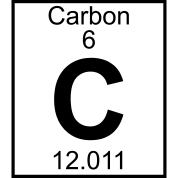
A subatomic particle that has a positive charge and that is found in the nucleus of an atom
Proton
elecrtron
groups
neutrons
A subatomic particle that has a negative charge
nobles gases
protons
electrons
neutrons
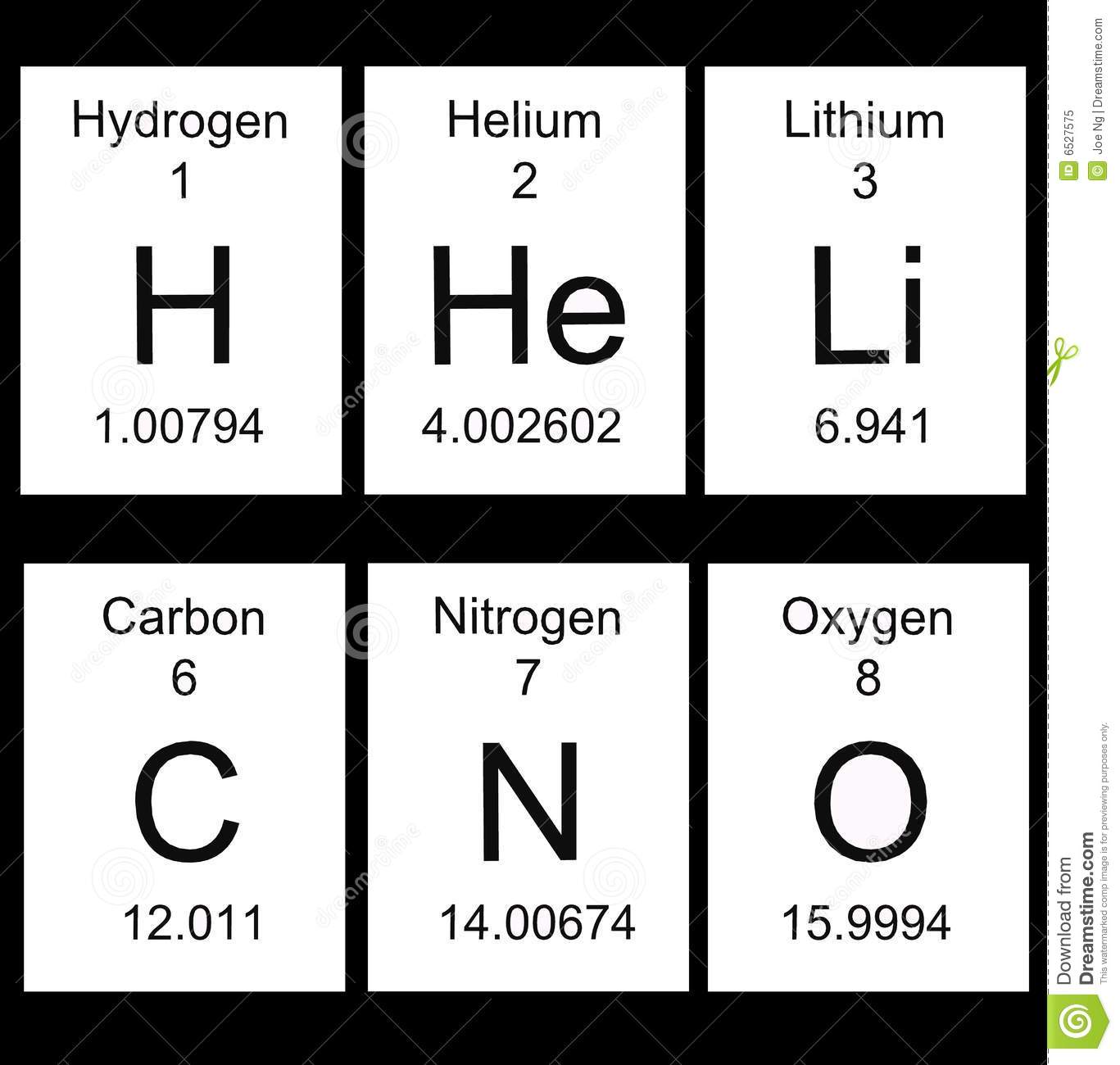

What is the number of electrons in sulfur?
32
16
32.06
6

How many neutrons are in Phosphorous?
15
30.97
16
5
The periodic table is arranged using which of the following characteristics?
atomic number
boiling point
color
oxidation state
The atomic number of an atom refers to the ___________.
number of electrons the atom will gain, lose or share
sum jof protons and neutrons in its nucleus
number of protons in the nucleus
number of neutrons in the nucleus

How many protons are in a nitrogen atom?
5
7
14
28

In an atom, which subatomic particles are always equal?
protons and electrons
protons and neutrons
neutrons and electrons
protons, neutrons, and electrons
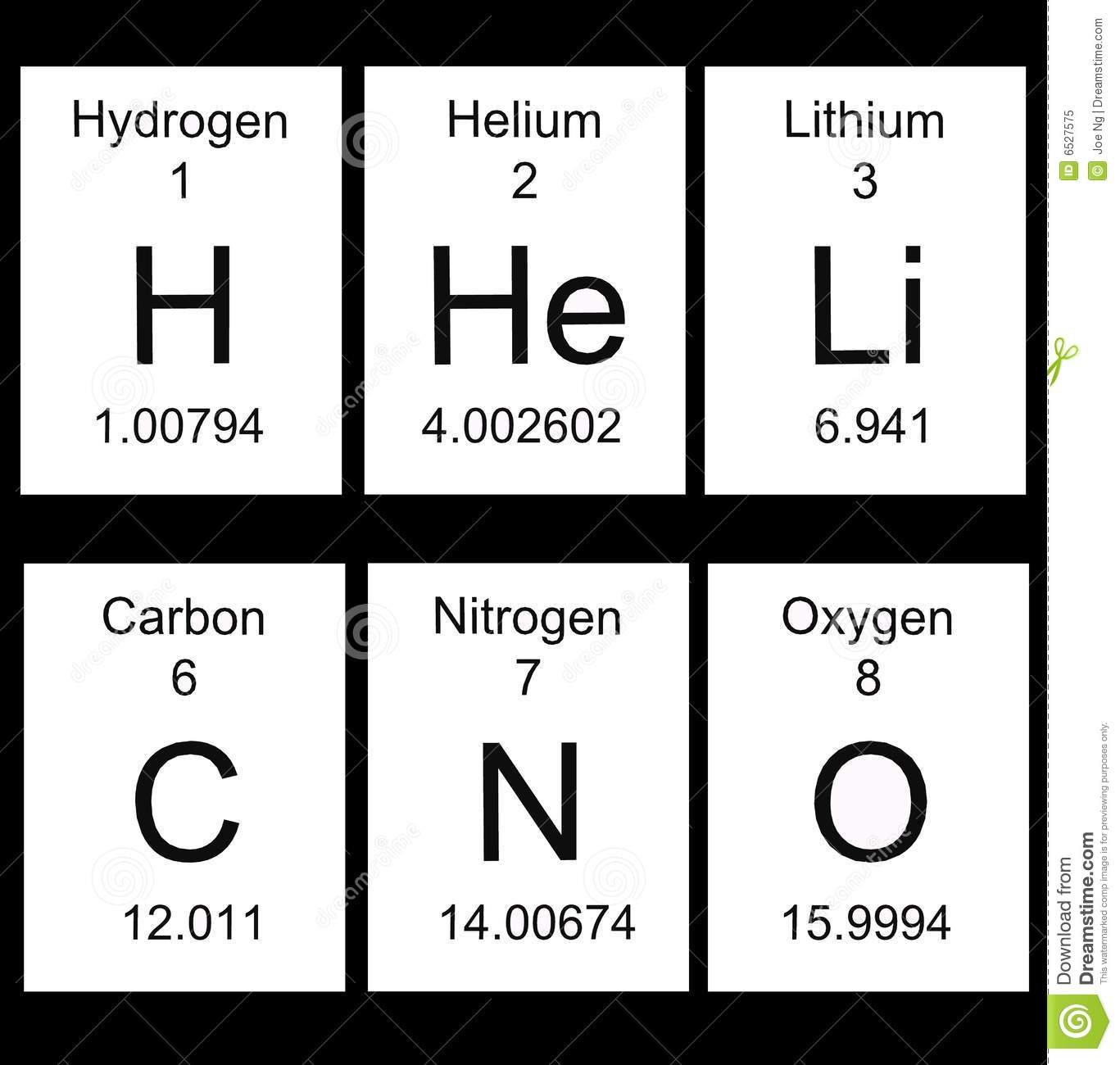

From this element key of Nitrogen, determine the atomic mass of nitrogen
7
7.01
14.01
21.01

What is the element that has one more proton than tin (Sn)?
antimony
iodine
lead
indium

How many total electrons to xenon atoms have?
8
54
131
132

