
 Worksheets
Environment Revision Quiz
Total questions: 101
Worksheet time: 2hrs 34mins
State what is meant by the term “biodiversity”.
The variety of life in the world or in a particular habitat or ecosystem.
The study of ecosystems and their components.
The process of photosynthesis in plants.
The migration patterns of birds.
Give examples of organisms that are included in the biodiversity of an area.
Name 3 species that are part of Scotland's biodiversity.
What should you do if all your traffic lights are green after revising the topic?
Where should you go for instructions on Revision 1: What is Biodiversity?
What is the second step in revising the topic according to the document?
What should you do if you have any red or amber after traffic lighting the learning outcomes and success criteria?
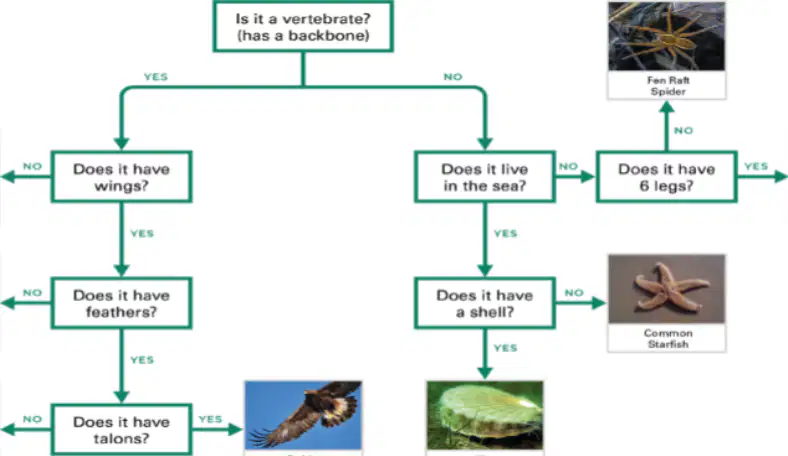
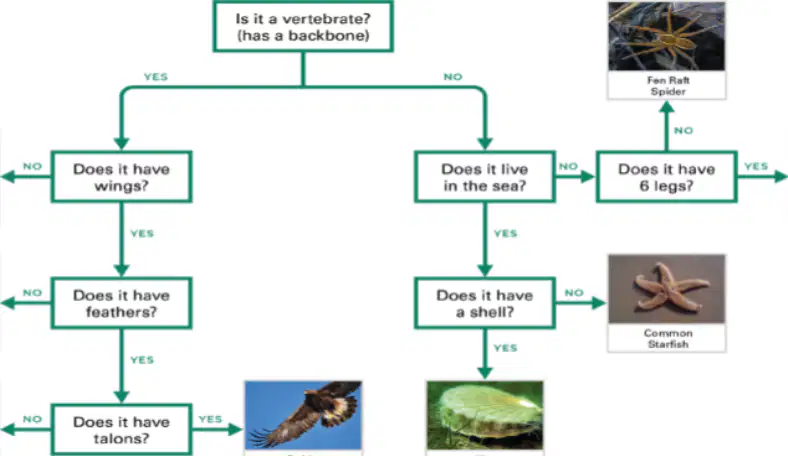
Using information in the key above, give three features of a king scallop.
Has a shell, lives in the sea, is a vertebrate.
Has a shell, lives in the sea, is not a vertebrate.
Has wings, lives in the sea, is not a vertebrate.
Has feathers, lives in the sea, is a vertebrate.
Using information in the key above, give two features of an otter.
Has wings, is a vertebrate.
Lives in the sea, has a shell.
Is a vertebrate, does not have wings.
Has feathers, is not a vertebrate.
Using information in the key above, give ONE difference between a spider and a cricket.
Spider has 6 legs, cricket does not.
Spider is a vertebrate, cricket is not.
Spider lives in the sea, cricket does not.
Spider does not have 6 legs, cricket has 6 legs.
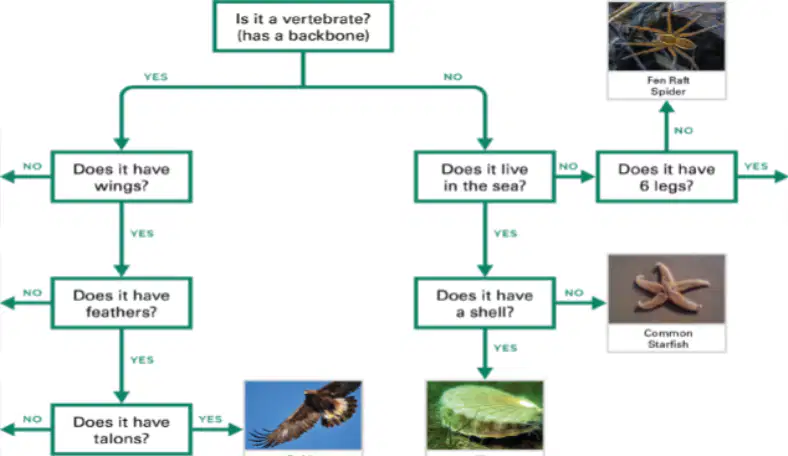
Which animal in the key is identified as having talons?
European Robin
Golden Eagle
Common Pipistrelle Bat
King Scallop
Which animal in the key is identified as living in the sea and not having a shell?
Common Starfish
King Scallop
Fen Raft Spider
Rosel's Bush Cricket
Which animal in the key is identified as not having a backbone?
Eurasian Otter
Common Pipistrelle Bat
King Scallop
European Robin
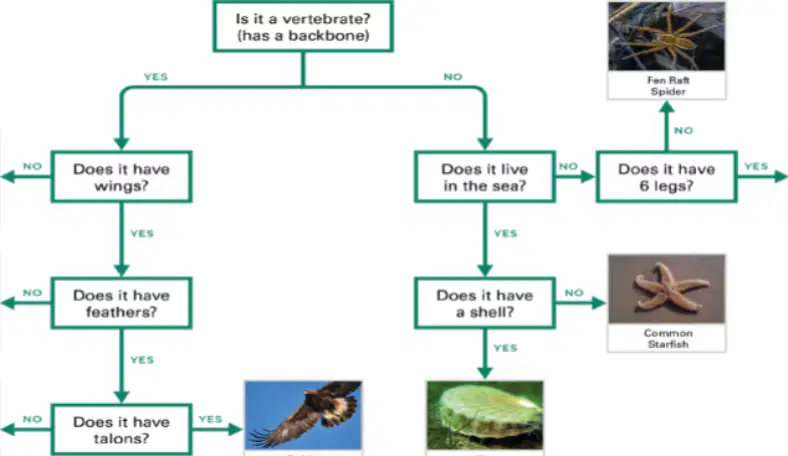
According to the key, which animal is identified as not having talons?
Golden Eagle
European Robin
Common Pipistrelle Bat
King Scallop
What is the term for the control of a pest species by using natural predators?
Herbicide
Pesticide
Biological control
Fertiliser

A (a) is how different species get (b) from other species.

A producer gets energy from the (a)
Label the food chain
The (a) gives an ecosystem all it's energy.
The Sun's energy allows (a) to produce their own food.
A producer is a living thing that makes it's own (a) .
Without a producer, other organisms would (a) .
A (a) is a living thing that consumes food.
Label this food chain
sun
producer
primary consumer
secondary consumer
decomposer
Match the following term to the definition
Carnivore
Animal that only eats other animals
Herbivore
Animal that only eats plants
Omnivore
Animal that eats both animal and plants
Prey
An animal that is hunted
Predator
An animal that hunts other animals
Identify the producer.
Identify the secondary consumer.
Identify the top predator.
Identify the herbivore.
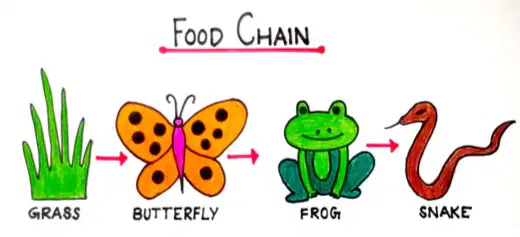
In the pictured food chain the grass is a (a) because it gets it's energy from the (b) . The butterfly is a (c) because it only eats (d) . The snake is a (e) .
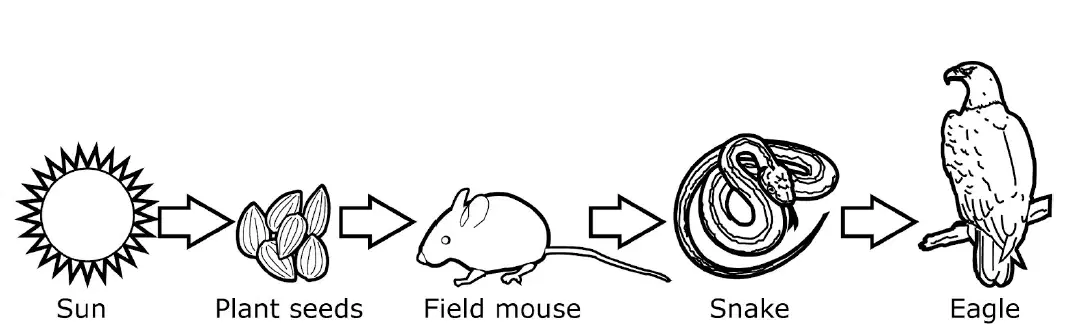
What is likely to happen if the snake population decreases?
The eagle population will thrive.
The field mice population will increase.
The temperature of the sun will increase
The field mice population will decrease.
How many global goals are there?
10
15
17
20
What is the term used to describe the variety of life on Earth?
Ecosystem
Biodiversity
Habitat
Conservation
How can humans protect biodiversity?
By reducing the waste we produce
By increasing pollution
By overfishing
By burning more fuels
Why is biodiversity important?
It provides us with food, medicine, clean air, jobs, and many other things
It increases pollution
It reduces the number of species
It causes habitat destruction
Which of the following is true about Scotland's biodiversity?
It has no unique species
It includes species like the Scottish primrose and the Scottish crossbill
It is not important for human health
It is decreasing rapidly
Which of the following statements is true about vertebrates?
Vertebrates do not have a backbone.
Vertebrates have a backbone.
Vertebrates have an exoskeleton.
Vertebrates are all cold-blooded.
Which of the following statements is true about invertebrates?
Invertebrates have a backbone.
Invertebrates do not have a backbone.
Invertebrates are all warm-blooded.
Invertebrates have a backbone and an exoskeleton.
Which of the following helps scientists identify and name living organisms?
Habitat
Biodiversity
Classification
Sampling
Which of the following habitats is characterized by high temperatures and low rainfall?
Tropical waters
Cold oceans
Desert
Rainforest
Which sampling technique is used to sample invertebrates living on the ground?
Tree beating
Pitfall traps
Sweep nets
None of the above
Which sampling technique is used to sample invertebrates living in trees?
Tree beating
Pitfall traps
Sweep nets
None of the above
Which sampling technique is used to sample plants?
Tree beating
Pitfall traps
Sweep nets
None of the above
Which sampling technique is used to sample invertebrates living in long grass?
Tree beating
Pitfall traps
Sweep nets
None of the above
What sampling technique would you use to sample a small beetle living on the branches of a tree?
Tree beating
Pitfall traps
Sweep nets
None of the above
Name the sampling technique that would be used to estimate the number of buttercups in the school playing field.
Pitfall trap
Sweep net
Tree-beating
Quadrat
Name the sampling technique that scientists would use to estimate the population of butterflies in a meadow.
Pitfall trap
Sweep net
Tree-beating
Quadrat
Give the names of two organisms that could be sampled using a quadrat.
Butterflies and beetles
Buttercups and daisies
Beetles and ants
Butterflies and bees
Give the names of two organisms that could be sampled using a pitfall trap.
Butterflies and beetles
Buttercups and daisies
Beetles and ants
Butterflies and bees
Give the names of two organisms that could be sampled using a sweep net.
Butterflies and beetles
Buttercups and daisies
Beetles and ants
Butterflies and bees
Give the names of two organisms that could be sampled using tree-beating.
Butterflies and beetles
Buttercups and daisies
Beetles and ants
Butterflies and bees
What type of keys help scientists identify and name living organisms?
Identification Keys
Isolation Keys
Integration Keys
Interaction Keys
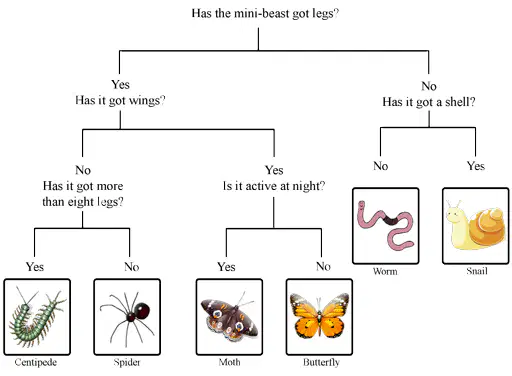
I have legs, wings and am active at night - what am I?
Centipede
Spider
Moth
Butterfly
Worm
I have more than eight legs but no wings - what am I?
Centipede
Spider
Moth
Butterfly
Worm
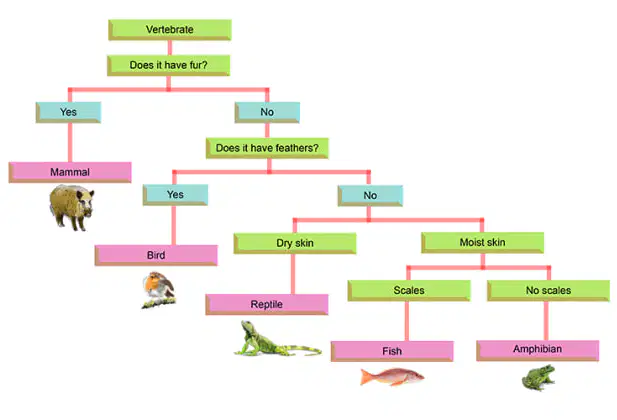
I don't have fur or feathers but have moist scaly skin - what am I?
(a)
I have no fur but I do have feathers - what am I?
(a)
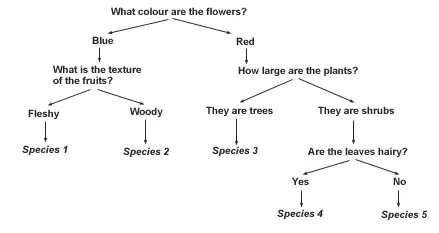
I am a red tree sized plant - what species am I?
1
2
3
4
5
I am a red shrub sized plant with hairy leaves - what species am I?
1
2
3
4
5
I am a blue flowered plant with a woody textured fruit - what species am I?
1
2
3
4
5
What is the term for the place where an organism lives?
Habitat
Homeostasis
Hibernation
Host
What is the sampling technique used to sample plants?
Quadrat
Quadrant
Quarantine
Qualitative
What is the sampling technique used to sample animals?
Pitfall Trap
Pitfall Test
Pitfall Technique
Pitfall Tool
What are environmental factors that can affect where an organism lives called?
Abiotic Factors
Biotic Factors
Biological Factors
Behavioral Factors
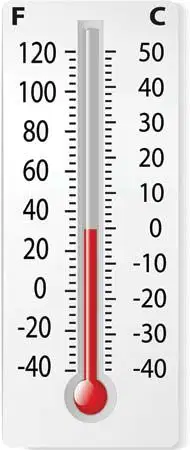
The abiotic factor represented by this image is
(a)
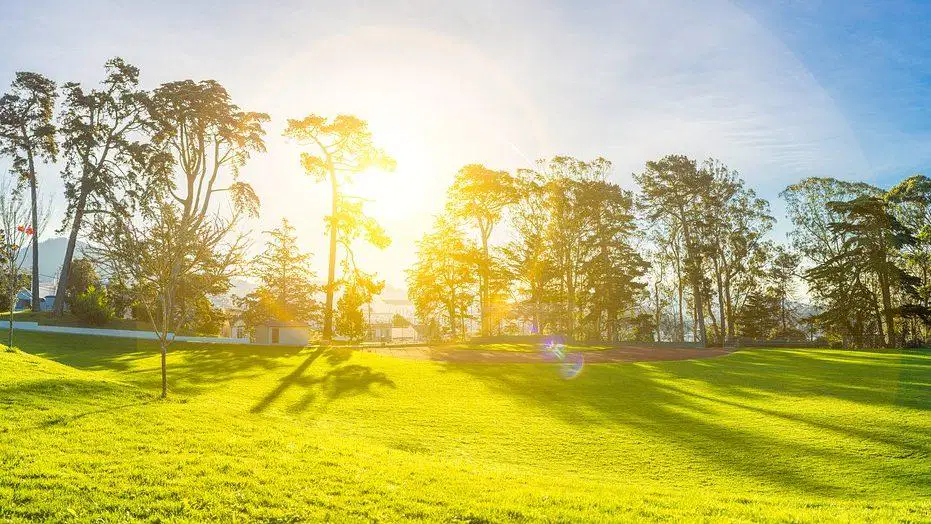
The abiotic factor represented by this image is
(a)
What are interactions between organisms that can affect where an organism lives called?
Biotic Factors
Abiotic Factors
Biological Factors
Behavioral Factors
Which term describes features of a living organism that help it survive in its environment?
Structural
Behavioural
Adaptation
Camouflage
What type of adaptation is a polar bear's thick white fur that provides camouflage and insulation?
Behavioural
Structural
Adaptation
Environmental
What type of adaptation is it when some desert animals burrow underground to avoid the heat from the sun?
Structural
Behavioural
Adaptation
Physical


Match the following
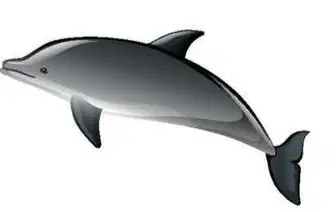
Mammal
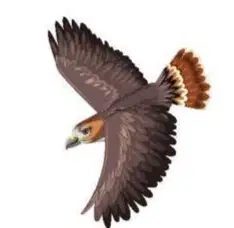
Bird
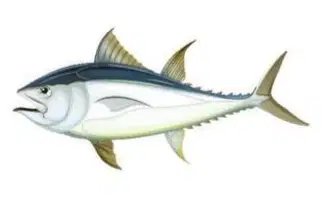
Fish
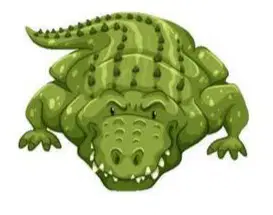
Reptile
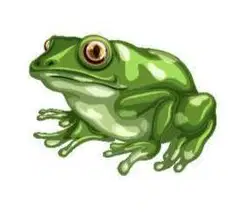
Amphibians
Label these sampling techniques that are used in Biology.
Pitfall Trap
Sweep net
Quadrat
Tree Beating

Both plants and animals will benefit from adaptations to improve their chances to survive.
True
False
What adaptation helps penguins and seals stay warm?
long eyelashes
long necks
a thick layer of fat
long fur
Why do giraffes have long necks and rough tounges?
To look like trees
to reach leaves on trees
to hide in trees
to swing from trees
Which part of a camel’s body helps protect against sandstorms?
hump
eyelashes
feet
Why do some organisms, like butterflies, have bright colors?
to warn predators they are poisonous
to make it easier to find food
to help them fly long distances
to blend in with their surroundings
Having webbed feet is an adaptation. How do webbed feet help animals survive?
They stay cool in the summer.
They can swim faster.
They can blend in with their surroundings.
They can attack their prey.

Polar bear get protection from severe cold from his
small eyes
thick fur
sharp claws
strong limbs
Thick layer of fat which protect animals form cold is called......
Fatty
Blubber
Fur
Feather
What does a food chain always start with?
The herbivore
The carnivore
The producer
The consumer
Which of the following is a secondary consumer in a grassland ecosystem?
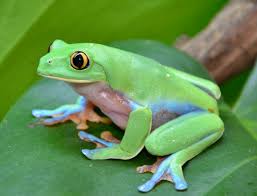
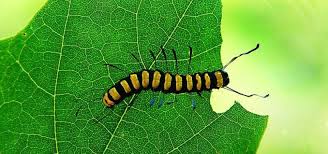
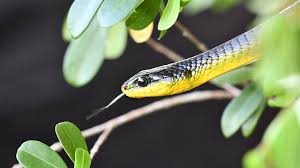
Bears are
Carnivores
Omnivores
Herbivores
Vegans

*Remember Humans are on the top of all food chains because we do not get hunted.

A connection of food chains with many food energy paths in an ecosystem is a (a)
The main human activity that releases greenhouse gases is
using public transportation and there by reduce the affects of greenhouse gases.
burning fossil fuels
texting on cellphones
eating meat
Which of the following is contributing to an increase in carbon dioxide in the atmosphere?
deforestation
photosynthesis and respiration
oceans acidification
all of the above

