
 Worksheets
Pre AP biology review questions
Total questions: 89
Worksheet time: 6hrs 16mins

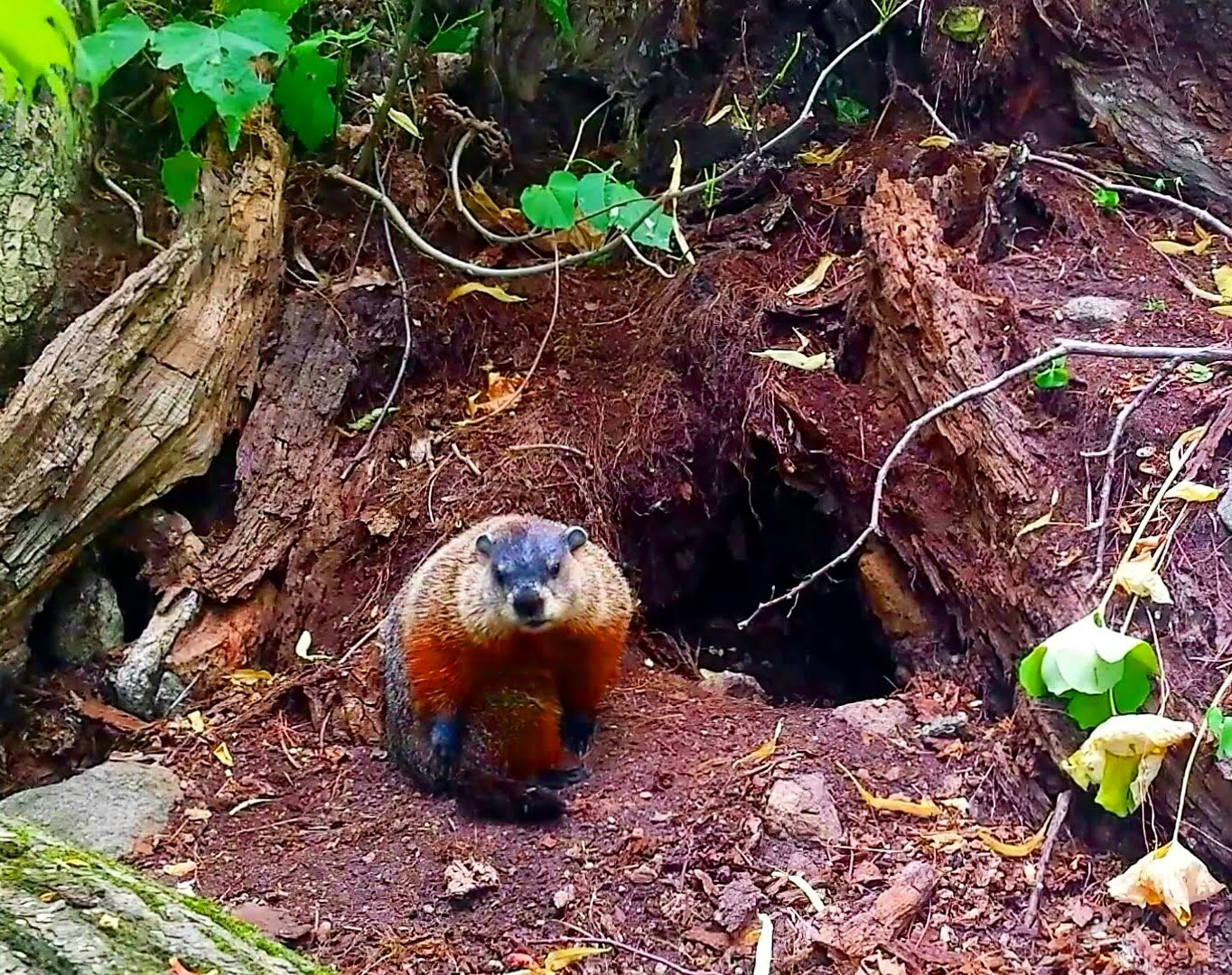
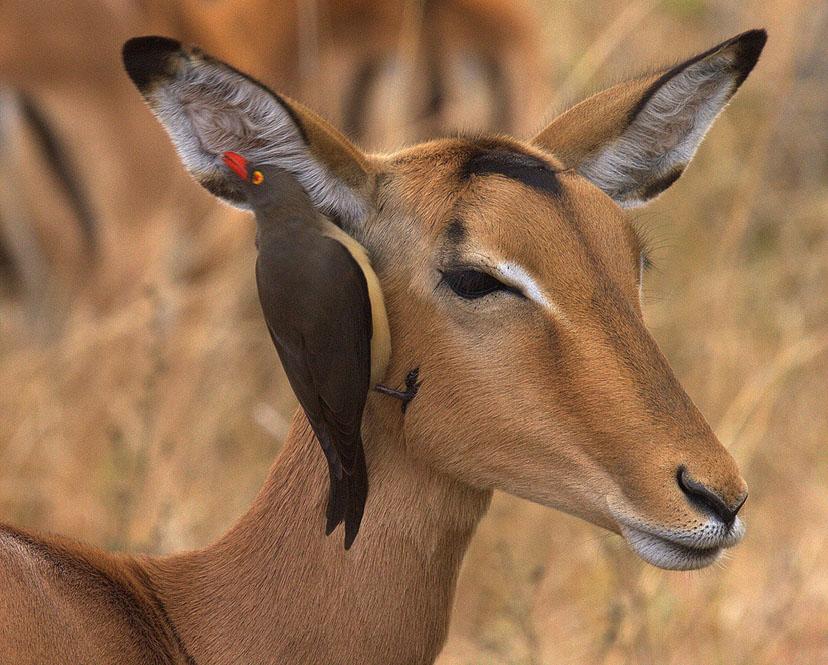
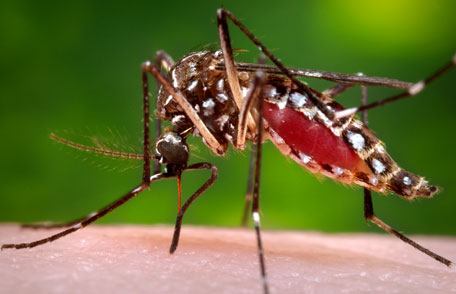

Aphids are tiny insects that live on and eat the leaves of plants, removing vital nutrients from the plants.
Predation
Parasitism
Commensalism
Mutualism

What level consumer is the deer?
primary
secondary
tertiary
producer


What level consumer is the deer?
primary
secondary
tertiary
producer


A decreases in the grass population will most immediately decrease the available energy for the
snake
deer
mouse
frog

Different students drew illustrations of the flow of energy in an ecosystem.
Which student is most accurate?
Student 1
Student 2
Student 3
Student 4

When water used to cool machinery is retured to a river, it raises the river’s water temperature. This causes a sharp decline in small invertebrate populations. Based on the food web, a likely consequence of this change would be
(1) An increase in the number of clams
(2) An increase in the number of crabs
(3) A decrease in the number of water plants
(4) A decrease in the number of crayfish

Organism's role, or job, in its habitat (what it eats, what eats it, when and how it reproduces)
Niche
Habitat
Community
Population

The top predator in an ecosystem
Apex Predator
Prey
Producer
Primary consumer

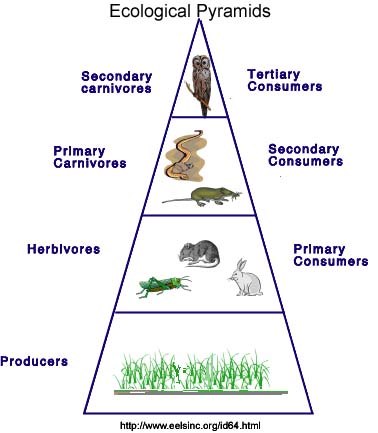
A diagram that shows the biomass of organisms at each trophic level
Ecological pyradmid
Food chain
Food web
Carnivores
Why are there rarely more than three or four trophic levels in any food chain?
because there is not enough land for the organisms to live
because there is not enough energy for higher trophic levels
because humans prevent more than three or four levels
because there is not enough solar energy
Which of the following is incorrectly matched?
Producer - autotroph
Consumer - heterotroph
Primary consumer - producer
Secondary consumer - omnivore
Tertiary consumer - carnivore

If the wildflowers have 8452 kcal of energy, how many kcal of energy is available to the snake?
8452
845.2
84.52
8.452
0.8452
How much energy is transferred from one trophic level to the next? For example, how much energy is transferred from plants to herbivores.
0%
1%
50%
10%
100%

As you move from the bottom of the energy pyramid to the the top, or the apex, the amount of energy
increases
decreases
remains the same

If the mouse population becomes sick and decreases, which statement about the food web will be true?
The grass population will decrease.
The hawk population will increase.
The grass population will increase.
The wildflower population will decrease.

Which level of an energy pyramid has the largest populations of organisms?
Producers
Primary Consumers
Secondary consumers
Tertiary Consumers

If only 10% of the energy in the pyramid is available as you move from one trophic level to the next, what happens to the other 90%?
Passed on to decomposers
Metabolized and "lost" as heat energy and waste
Assembled into tissues of producers permanently
False statement - 100% of the energy is available

If the average Bluefin Tun weighs 20 pounds, how many pounds of secondary consumers are needed in the third trophic level to support it?
20 pounds
200 pounds
2,000 pounds
20,000 pounds
In a food web the arrow always points to
the consumer
the prey
producer
autotroph

The number of organisms at the top of the energy pyramid are usually smaller because the hawk
needs more energy
has more predators
have more offspring
eat producers


ocean
How do animals get carbon?
By eating plants and or other animals.
They absorb it from the atmosphere.
From the ground
They do not get carbon from anywhere.

How does carbon in a grass plant get into a lion?
The lion eats an antelope that ate the grass
Carbon from grass doesn't end up in a lion.
The lion absorbs the carbon given off by transpiration
The lion breathes in carbon given out by the plant
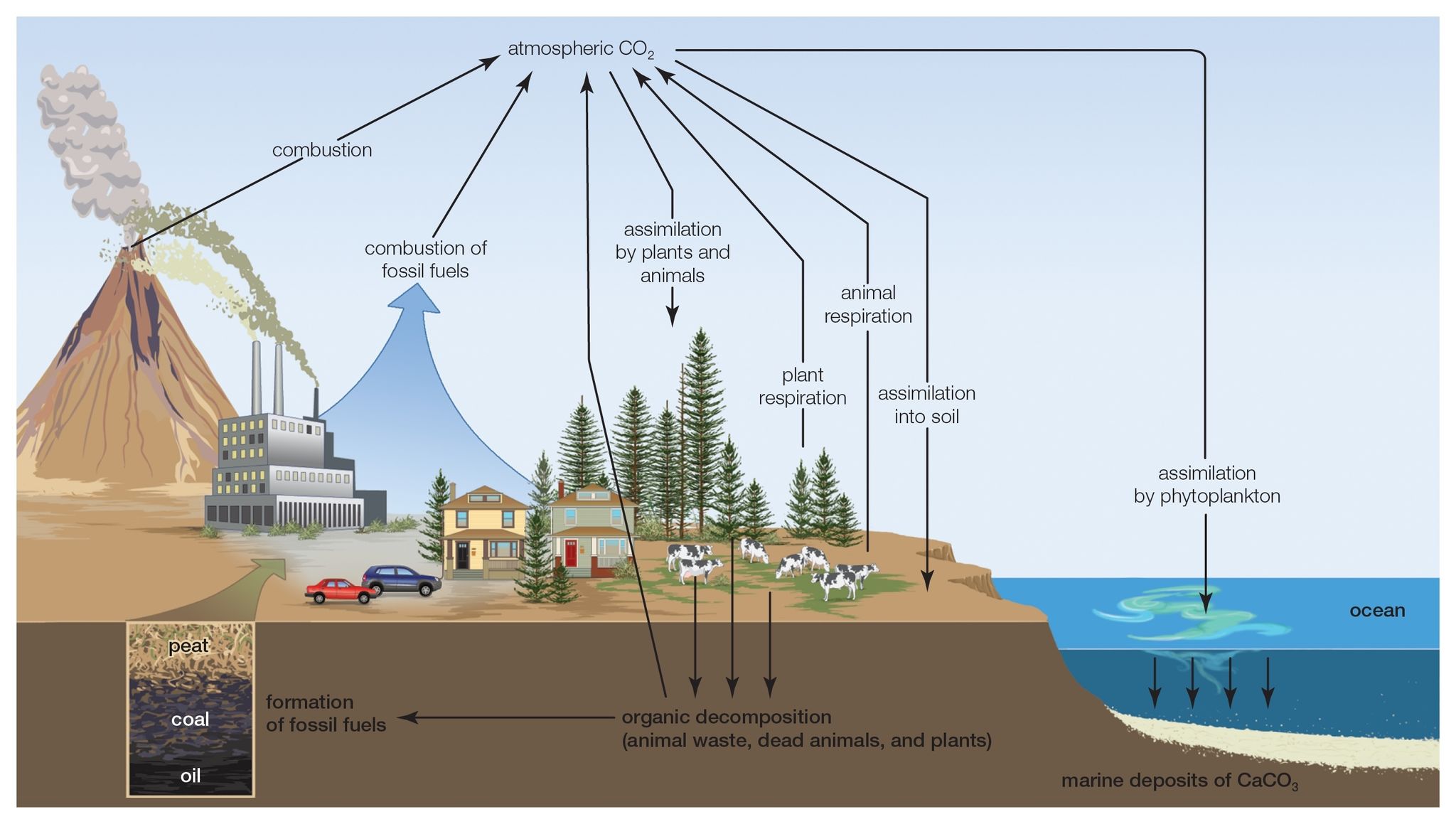


How does carbon become locked inside the earth?
Tree roots expel carbon into the soil as they grow.
Humans use machines to pump carbon dioxide into large underground rocks.
Rocks become richer in carbon as time goes by.
The carbon-rich bodies of plants and animals decay into the earth after they die.
What is the role of denitrifying bacteria
change nitrate back into nitrogen gas
change nitrogen gas into nitrate
absorb carbon dioxide in the soil
release oxygen gas into the atmosphere
What is the chemical equation for photosynthesis?
Sun+water+co2=o2+sugar
sun+photosynthesis
O2+sugar=water+co2+energy

.
Only special bacteria can directly use nitrogen in our atmosphere and “fix” it so other organisms can benefit. These bacteria are called _______________________bacteria.
Nitrogen -fixing
Photosynthetic
Aerobic
Anaerobic
_______________ bacteria in the soil can break down the ammonia into the gaseous form of nitrogen, which is not available for use by plants or animals.
denitrifying
antropogensis
fixation
photosynthetic

select the letter that is described
waste and decay of organic matter
A
B
C
D
What is the conversion of organic nitrogen into ammonia?
Nitrogen Fixation
Ammonification
Denitrification
Assimilation
Plants and animals get most of their nitrogen directly from the air.
What is the process where bacteria turns Nitrogen gas from the atmospheres into usable compounds?
nitrogen composition
nitrogen fixation
ammonia
denitrification
Plants use nitrogen to make what compound?
bacteria
animals
proteins
decomposers

How do animals get the nitrogen they need?
From the air they breathe
From the water they drink
From the food they eat
From the sun

Organisms that need nitrogen to survive.
only plants
only animals
legumes
all living things

