wayground logo

Free Printable Worksheets

Font size

S
M
L
XL
Worksheets

Viruses and Taxonomy

Total questions: 90

Worksheet time: 2hrs 30mins

Name
Class
Date
1.
During the lytic infection by a virus, the host cell is-
a)
destroyed
b)
copied
c)
passed on to the lysogenic cycle
d)
not affected
2.
The purpose of the protein coat surrounding a virus, other than to protect the virus, is to-
a)
react with the cell wall of the host cell
b)
release hereditary information into the host cell
c)
produce proteins within the host cell
d)
destroy the nucleus of the host cell
3.
Which statement regarding viruses is true?
a)
a virus can only reproduce inside of a living cell
b)
viruses do not contain DNA
c)
viruses are unicellular
d)
viruses are generally larger than cells
4.
The capsid of a virus protects the virus from the external environment. What structure is this similar to in a plant cell?
a)
ribosome
b)
cell membrane
c)
vacuole
d)
cell wall
5.
What feature do viruses have in common with animal cells?
a)
ability to form proteins at the ribosomes
b)
existence of lipids in cell membranes
c)
presence of genetic code in nucleic acid
d)
production of energy by a mitochondrion
6.
Which best describes the basic structure of a virus?
a)
nucleic acid strand surrounded by a protein coat
b)
a tail surrounded by a protein coat
c)
a tail surrounded by a carbohydrate coat
d)
nucleic acid strand surrounded by a carbohydrate coat
7.
All viruses contain-
a)
nucleic acids
b)
ribosomes
c)
mitochondria
d)
cytoplasm
8.
What part of the phage is the DNA?
a)
A
b)
B
c)
C
d)
D
9.
A(n) _____ is a virus that enters a bacterial cell.
a)
endospore
b)
decomposer
c)
plasmid
d)
bacteriophage
10.
When a virus invades a living cell, its _______
takes over the cell's functions.
a)
outer coat
b)
genetic material
c)
core
d)
cytoplasm
11.
What part of a virus is the protein capsule that houses the genetic material (DNA/RNA)?
a)
tail
b)
nucleus
c)
capsid
d)
glycoprotein
12.
Which viral life cycle allows viral genetic material to lay dormant while the host cell reproduces?
a)
lytic
b)
mitosis
c)
lysogenic
d)
S phase
13.
What do viruses need to reproduce?
a)
they need genetic material
b)
They need a host cell
c)
They need  bacteria
d)
They need insulin
14.
What happens in the lytic cyle?
a)
Virus goes in and leaves the host cell
b)
Virus quickly kills the host cell
c)
Virus sleeps inside of the host cell
d)
Virus stay dormant for a long time
15.
What is the 1st step of virus infection?
a)
Entry
b)
Attachment
c)
Replication
d)
Assembly
16.
Viruses are made up of
a)
Nucleus, membrane
b)
Capsid, nucleus
c)
Capsid, nucleic acid
d)
Mitochondria, nucleus
17.
Viruses are made of
a)
Nucleic Acids and DNA
b)
Nucleic Acids and Proteins
c)
Proteins and Bacteriophages
d)
Proteins and Capsids
18.
A Pathogen is a
a)
disease causing agent
b)
endospore
c)
bacteria
d)
virus
19.
What is the process by which a bacteria cell replicates its DNA and divides in half?
a)
Lysis
b)
Binary Fission
c)
Conjugation
d)
Prophage
20.
The picture here is a :
a)
Eubacteria
b)
Eukaryote
c)
Virus
d)
Fungus
21.
What is pictured?
a)
T4 Bacteriophage
b)
Prion
c)
Tobacco Mosaic Virus
d)
Prophage
22.
The top arrow is pointing to...
a)
Capsid
b)
Cell Wall
c)
DNA
d)
Flagellum
23.
What is NOT an example of controlling bacteria?
a)
Nitrogen Fixing
b)
Disinfecting
c)
Antibiotics
d)
Food Storage and Processing
24.
Which of these could successfully be treated with antibiotics?
a)
HIV
b)
Strep Throat
c)
Influenza
d)
Common Cold
25.
Retroviruses are made of
a)
RNA only
b)
Proteins Only
c)
DNA and a protein coat
d)
RNA and a protein coat
26.

Which viral cycle takes the longest to show symptoms?

a)

Lysogenic

b)

Lytic

27.

When the viral DNA becomes active in the lysogenic cycle, which life cycle does it enter?

a)

lytic

b)

lysogenic

c)

cell cycle

d)

DNA replication

28.

If Andy is feeling symptoms from a virus that he contracted, the virus must be in the

a)

lytic cycle

b)

lysogenic cycle

c)

the capsid bursts

d)

the virus becomes dormant

29.
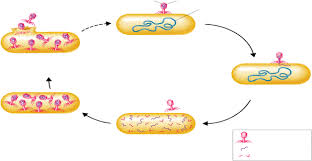
What is shown here?
a)
Lysogenic Cycle
b)
Lytic Cycle
c)
Binary Fission
d)
Conjugation
30.
What process is this?
a)
phagocytosis
b)
lytic cycle
c)
lysogenic cycle
d)
formation of antibodies
31.

What happens in the lysogenic cycle?

a)

Virus goes in and leaves the host cell

b)

Virus quickly kills the host cell

c)

Virus injects the nucleic acid into the host cell, and the nucleic acid integrates into the host cell DNA and stays dormant for a long time

d)

Bacteria injects DNA into a host cell

32.

Viruses are considered

a)

living things

b)

non-living things

c)

partially living things

33.

Which cycle of a virus is most destructive to the host?

a)

lytic cycle

b)

lysogenic cycle

34.

This image represents part of the

a)

lytic cycle

b)

lysogenic cycle

35.

Choose the correct order of lytic cycle steps

a)

attachment, entry, assembly, replication, release

b)

attachment, entry, replication, assembly, release

c)

attachment, entry, assembly, release, replication

d)

attachment, release, assembly, replication, entry

36.

A virus in the lysogenic state can be forced into the lytic cycle due to certain stressors

a)

True

b)

False

37.

viruses are non-living because

a)

they cannot reproduce on their own

b)

they do not evolve

c)

they have no DNA

d)

they cannot be destroyed

38.
The lysing of a cell occurs in which phase?
a)
1
b)
2
c)
4
d)
5
39.
What is the 1st step of virus infection?
a)
Entry
b)
Attachment
c)
Replication
d)
Assembly
40.
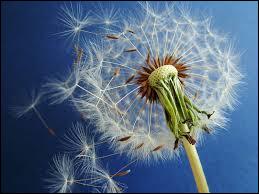
Dandelion, What kingdom does it belongs to?
a)
Plant Kingdom
b)
Animal Kingdom
c)
Fungi Kingdom
d)
Protista Kingdom
41.
Organisms in this smallest taxonomic group share many characteristics.
a)
domain
b)
kingdom
c)
species
d)
class
42.
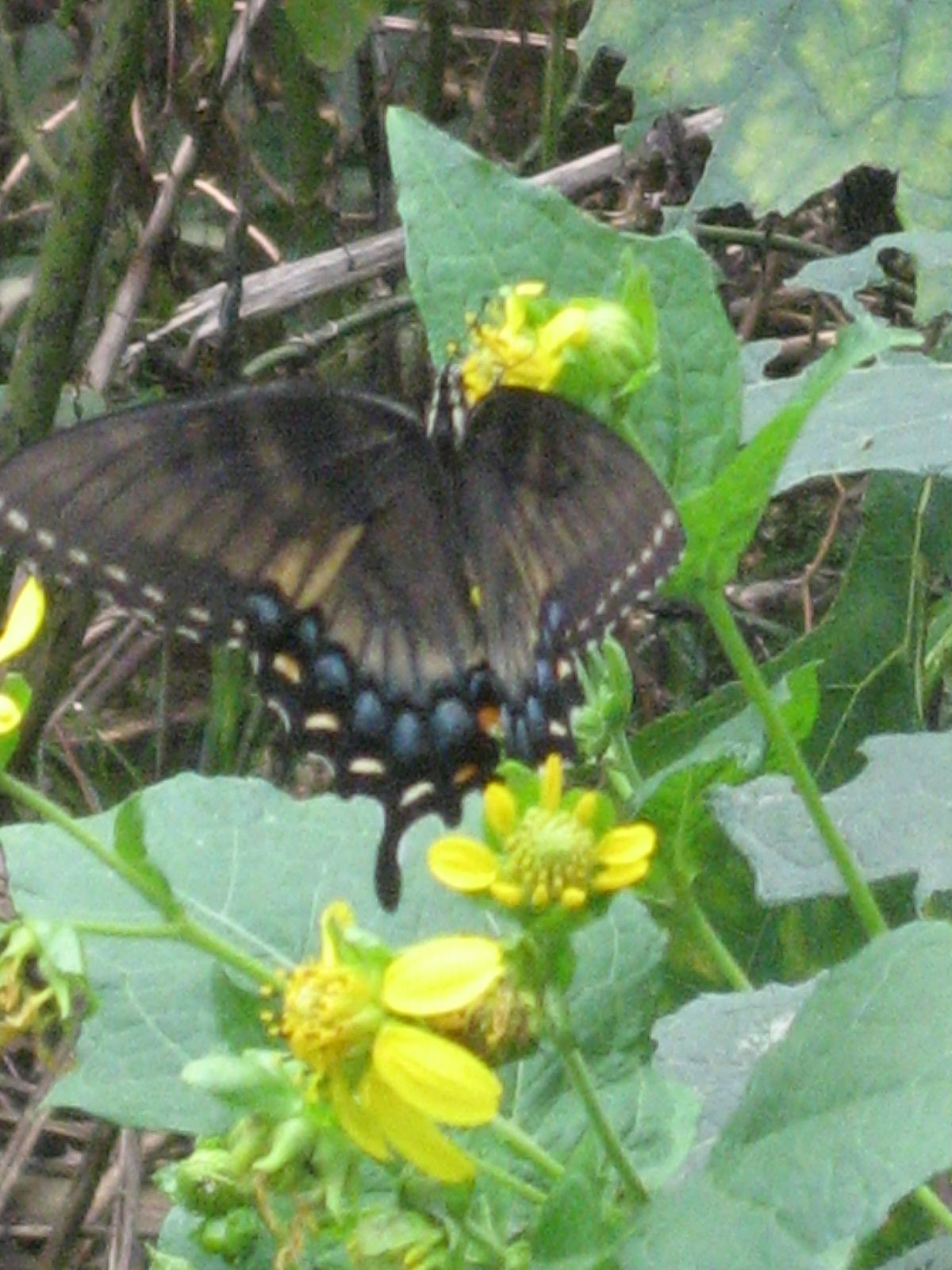
Which organisms are most closely related?
a)
Equus caballas (Horse) & Equus burchellii (Zebra)
b)
Cyanea artica (Jellyfish) &
Ctenodiscus crispatus (Mud Starfish)
c)
Naja naja (cobra) & Glycine max (soya bean)
d)
Ophiocomina nigra (black brittle star) & Brassica nigra (black mustard)
43.
The science of describing, classifying, and naming living things is called:
a)
Geology
b)
Biology
c)
Taxonomy
d)
Chemistry
44.
The scientific name for an organism is made from the:
a)
class and family name
b)
genus and species name
c)
domain and kingdom name
d)
kingdom and phylum name
45.
The 8 levels of classification, broadest to most specific.
a)
Domain, Genus, Family, Order, Class, Phylum, Kingdom, Species
b)
Domain, Species, Kingdom, Genus, Phylum, Family, Class, Order
c)
Domain, Kingdom, Phylum, Class, Order, Family, Genus, Species
d)
Order, Kingdom, Species, Domain, Phylum, Family, Class, Genus
46.
An organism made up of more than one cell would be called:
a)
multicellular
b)
unicellular
c)
heterotroph
d)
autotroph
47.
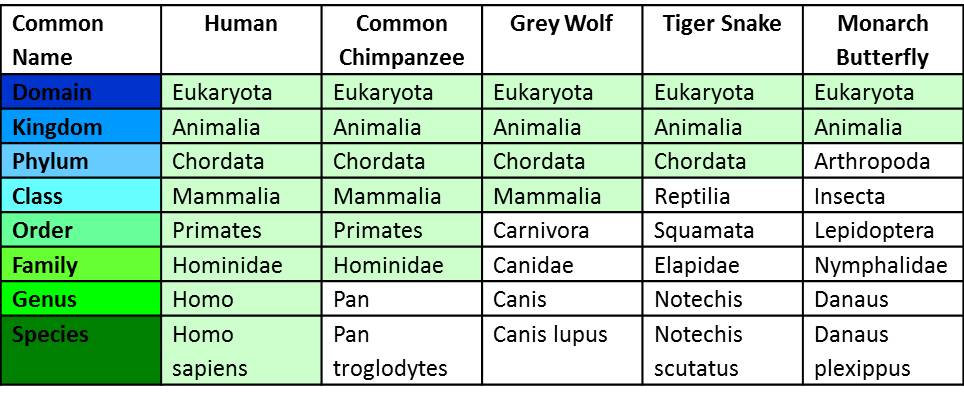
Which organism in the table shown is most closely related to the common dolphin?
a)
human
b)
killer whale
c)
giant kelp
d)
bat star
48.

What scientific name is correct?

a)

Quercus Alba

b)

Quercus alba

c)

quercus Alba

d)

quercus alba

49.

Canis lupus, the scientific name for a wolf, is in which genus?

a)

Canis

b)

lupus

c)

Animalia

d)

Mammalia

50.

Which category of classification has the largest variety of organisms?

a)

genus

b)

phylum

c)

species

d)

kingdom

51.

Aristotle is said to be the first to classify organisms. Into which two groups did he classify all living things?

a)

fungi and bacteria

b)

humans and animals

c)

living and nonliving

d)

plants and animals

52.

Which is the best prediction regarding the current classification system?

a)

The system may change as new information and organisms are discovered.

b)

Scientists will become bored with the current system and develop a new one.

c)

Over time, organisms will become extinct, so classification will become simpler.

d)

The system is set in stone and most likely will not change.

53.

An organism identified with binomial nomenclature includes which two taxa?

a)

class and order

b)

family and genus

c)

genus and species

d)

kingdom and phylum

54.

Carl Linnaeus developed a binomial classification system for living things. Why is this contribution important?

a)

because it created new species for identification

b)

because it created specific scientific names for living things

c)

because it created the taxonomy system as it is known today

d)

because it created common names for species with existing scientific names

55.

Which taxonomic category is higher than the others?

a)

Class

b)

Genus

c)

Family

d)

Phylum

56.

Scientists currently classify organisms based on features they share. How will this most likely change in the future?

a)

They will be classified based on DNA analysis.

b)

They will be classified based on similar organs.

c)

They will be classified based on common descent.

d)

They will be classified based on protein production.

57.

What is the order of the taxonomic levels from least specific to most specific?

a)

Kingdom, Family, Species, Order, Class, Phylum, Genus

b)

Kingdom, Phylum, Class, Order, Family, Genus, Species

c)

Species, Order, Kingdom, Family, Genus, Phylum, Class

d)

Species, Genus, Family, Order, Class, Phylum, Kingdom

58.
Organisms in this smallest taxonomic group share many characteristics.
a)
domain
b)
kingdom
c)
species
d)
class
59.
Which scientific name is written correctly?
a)
Okapia Johnstoni
b)
Carcharodon carcharias
c)
balaenoptera Musculus
d)
panthera leo
60.
The closer animals are, the more _________ they share.
a)
Levels of taxonomy
b)
Adaptations
c)
Food
d)
Scientific names
61.
"Pinus taeda" is an example of what?
a)
Adaptations
b)
Common name
c)
Scientific name
d)
Food
62.
"Lion" is an example of what?
a)
Scientific name
b)
Common name
c)
Adaptations
d)
Food
63.
Members of this kingdom are multicellular and heterotrophic.
a)
Plantae
b)
Protista
c)
Animalia
d)
Achaebacteria
64.
Term given to describe the 2 name naming system is:
a)
dichotmous key
b)
binomial nomenclature
c)
2 scientific names
d)
binomial key
65.
Which organisms are closely related? 
a)
American badger and leopard
b)
coyote and gray wolf
c)
european otter and leopard
d)
coyote and american badger
66.
Organisms are the same ___________ when they can have offspring, then those have more offspring.
a)
Class
b)
Family
c)
Species
d)
Phylum
67.
Algae, seaweeds, and protozoans belong to kingdom:
a)
Protista
b)
Animalia
c)
Plantae
d)
Fungi
68.

Which organism is most closely related to the rodents & rabbits?

a)

primates

b)

amphibians

c)

crocodiles

d)

sharks

69.

Which organisms have eggs with shells?

a)

sharks

b)

amphibians

c)

crocodiles

d)

birds

70.

A cladogram shows...

a)

relatedness between organisms

b)

genetic material differences

c)

the parents/family of organism

d)

geographic distribution of organisms

71.

Clostridium tetani is a type of bacteria that causes tetanus. Which of the following organisms is most closely related to this bacteria?

a)

Tetanus tocani

b)

Clostridium botulinum

c)

Streptobacillus clostridium

d)

None of the choices

72.

According to this chart, which two organisms are most closely related?

a)

Snail and triceratops

b)

Human and snail

c)

Human and triceratops

d)

None are related to each other

73.

According to the dichotomous key below, what is the name of the pink creature?


1a. mouth open………….go to 2

1b. mouth not open……..go to 4

2a. Arms…………………….go to 3

2b. No arms….Alienus quadlegicus

3a. Hairy……………..Alienus haircus

3b. Not hairy…..Alienus tritoothicus

4a. No horns………………..go to 5

4b. Horns…………...Alienus stripicus

5a. No legs…….…..Alienus biobicus

5b. Legs………………Alienus fuzzicus

a)

Alienus quadalegicus

b)

Alienus tritoothicus

c)

Alienus stripicus

d)

Alienus fuzzicis

74.

Which of the following is the most recent common ancestor of a Hippo and Whale?

a)

A

b)

B

c)

C

d)

D

e)

E

75.

Which of the following organisms is most closely related to the Annelids?

a)

Sponges

b)

Mollusks

c)

Arthropods

d)

Echinoderms

76.

Which of the following organisms is least related to the crocodile?

a)

Sharks

b)

Amphibians

c)

Rodents

d)

Birds

77.

According to this chart, which two organisms are most closely related?

a)

Cat and Wolf

b)

Cat and Fly

c)

Wolf and Fly

78.

Which of the following is not of the 6 kingdom names?

a)

Plantae

b)

Archaebacteria

c)

Phylum

d)

Protista

79.
Which organism in the table is least closely related to the chimpanzee?
a)
human
b)
grey wolf
c)
tiger snake
d)
monarch butterfly
80.
An illustration and a dichotomous key are given. What is the correct classification for this organism?
a)
Class Insecta
b)
Order Amblygygi
c)
Order Araneae
d)
Order Scorpiones
81.

Which 2 organisms would be able to reproduce and produce fertile offspring?

a)

2 organisms in the same class

b)

2 organisms in the same family

c)

2 organisms in the same genus

d)

2 organisms in the same species

82.
Members of this kingdom are multicellular and heterotrophic.
a)
Plantae
b)
Protista
c)
Animalia
d)
Achaebacteria
83.
What kingdom do unicellular, prokaryotic organisms that live in extreme environments?
a)
Animal
b)
Archaebacteria
c)
Eubacteria
d)
Plant
84.
I have a nuclear membrane, can do photosynthesis and am multicellular. What kingdom do I belong to?
a)
Animalia
b)
Archaebacteria
c)
Plantae
d)
Protista
85.
I am prokaryotic and am found everywhere. What kingdom do I belong to?
a)
Eubacteria
b)
Archaebacteria
c)
Fungi
d)
Protista
86.
I'm motile and have no cell walls. What kingdom do I belong to?
a)
Animalia
b)
Archaebacteria
c)
Eubacteria
d)
Plantae
87.
This organism is multicellular, heterotroph, that has a cell wall made of chitin.  What kingdom does it belong in?
a)
fungi
b)
plantae
c)
animalia
d)
eubacteria
88.
An organism is microscopic, does not have a nucleus, and is known to cause strep throat in humans.  What kingdom does it belong in?
a)
archaebacteria
b)
fungi
c)
eubacteria
d)
protista
89.
This organism is found in pond water.  It has a nucleus, is microscopic, unicellular and can perform photosynthesis.  What kingdom does it belong in?
a)
protista
b)
eubacteria
c)
archaebacteria
d)
plantae
90.
This organism is multicellular, autotroph, that has a cell wall made of cellulose.
a)
animalia
b)
plantae
c)
fungi
d)
eubacteria