wayground logo

Free Printable Worksheets

Font size

S
M
L
XL
Worksheets

Review

Total questions: 45

Worksheet time: 2hrs 7mins

Name
Class
Date
1.
Which scientist developed the atomic theory?
a)
JJ Thomson
b)
Ernest Rutherford
c)
John Dalton
d)
James Chadwick
2.
What did Thomson discover?
a)
electron
b)
proton
c)
neutron
d)
electron cloud
3.

Subatomic particles with a negative charge

a)

Electrons

b)

Neutrons

c)

Protons

d)

Quarks

4.
Subatomic particles with a positive charge
a)
neutrons
b)
atomic mass
c)
protons
d)
isotopes
5.
Subatomic particles that are neutral in charge
a)
Neutrons
b)
Protons
c)
Nucleus 
d)
Electrons
6.
A tiny but very dense, positively charged portion of the atom that holds most of the atomic mass
a)
Electron Shells
b)
Orbitals
c)
Electron Cloud
d)
Nucleus
7.
Who's model is this? 
a)
Millikan
b)
Rutherford
c)
Thomson
d)
Bohr
8.

How are elements ordered on the Periodic Table?

a)

Alphabetical Order

b)

By their atomic mass.

c)

By their color.

d)

By their atomic number.

9.
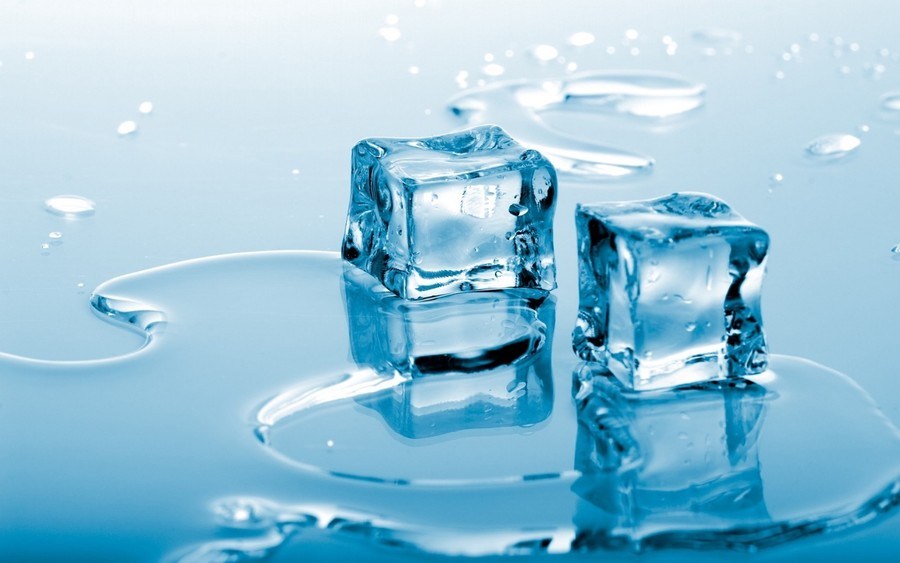
Water freezing into ice is an example of a...
a)
Physical Change
b)
Chemical Change
10.
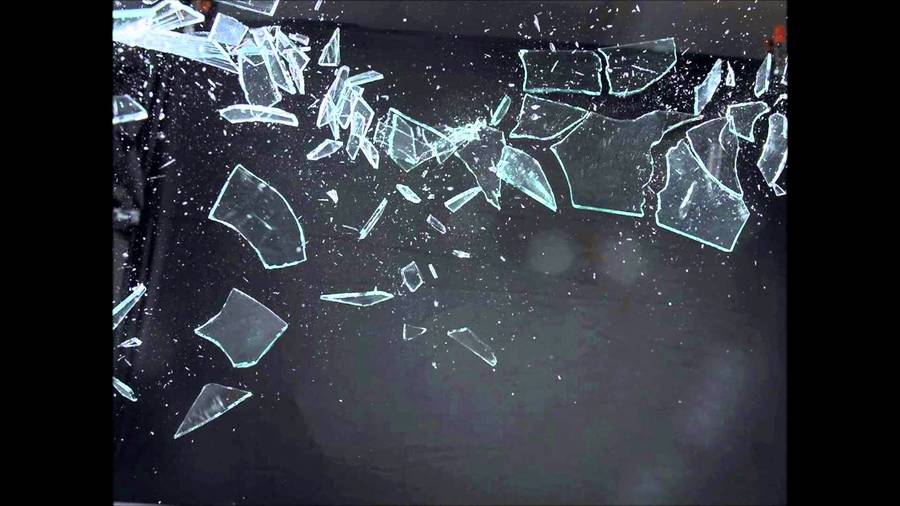
Chemical or Physical?  Glass breaking into tiny shards
a)
Chemical Change
b)
Physical Change
11.
Physical or Chemical Change?  Iron rusts
a)
Physical Change
b)
Chemical Change
12.
Physical or Chemical Change?  Cutting an orange into wedges.
a)
Physical Change
b)
Chemical Change
13.
Physical or Chemical Change?  Logs burning in a campfire.
a)
Physical Change
b)
Chemical Change
14.
Physical or Chemical Change?  Making a paper airplane.
a)
Physical Change
b)
Chemical Change
15.
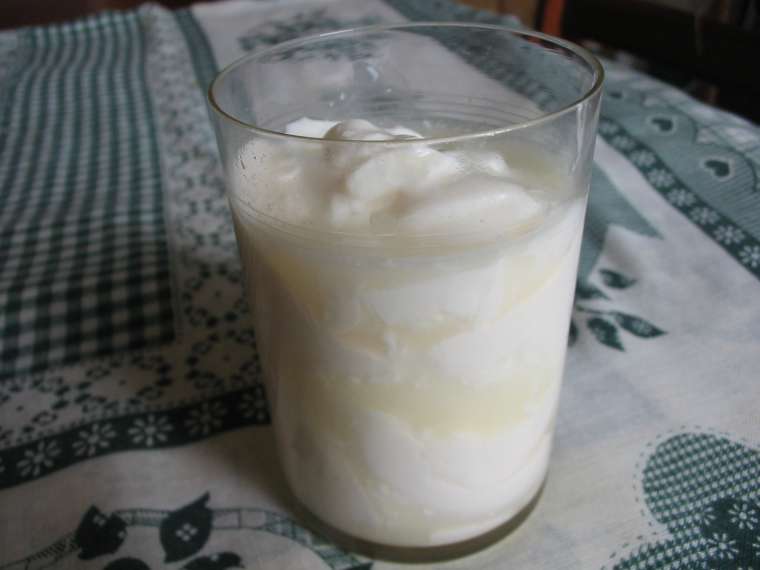
Is milk going sour a physical or chemical change?
a)
Physical 
b)
Chemical
16.
Is Gatorade powder dissolving in water physical or chemical change?
a)
Physical 
b)
Chemical
17.
Baking cupcakes
a)
Physical Change
b)
Chemical Change
18.

Which set of properties, intensive or extensive, are based on the size of a sample?

a)

intensive

b)

extensive

19.

What kind of physical property is this? Color

a)

intensive

b)

extensive

20.

What kind of physical property is this? Temperature

a)

intensive

b)

extensive

21.

What kind of physical property is this? Number of Atoms

a)

intensive

b)

extensive

22.

What kind of physical property is this? Hardness

a)

intensive

b)

extensive

23.

What kind of physical property is this? Odor

a)

intensive

b)

extensive

24.

What kind of physical property is this? Density

a)

intensive

b)

extensive

25.

What kind of physical property is this? Boiling Point

a)

intensive

b)

extensive

26.

What kind of physical property is this? Volume

a)

intensive

b)

extensive

27.

What kind of physical property is this? Mass

a)

intensive

b)

extensive

28.

What kind of physical property is this? Length

a)

intensive

b)

extensive

29.

What is an anion?

a)

a positive ion

b)

a negative ion

c)

a dsylexic onion

30.

What is a cation?

a)

a positive ion

b)

a negative ion

c)

an electrically charged cat

31.
An atom becomes _______ when it loses electrons.
a)
Positive
b)
Negative
c)
Neutral
d)
Invinsible
32.
An atom becomes _________ when it gains electrons.
a)
Positive
b)
Negative
c)
Neutral
d)
Invinsible
33.
What is the charge of an atom that has lost one electron?
a)
-1
b)
-2
c)
+1
d)
+2
34.
What is the charge of an atom that has gained one electron?
a)
-1
b)
-2
c)
+1
d)
+2
35.

The cation Rb+ has

a)

Had nothing happen to it

b)

Gained 1 electron

c)

Lost 1 electron

d)

Become negative

36.

A Beryllium atom that has lost 2 electrons would look like

a)

Be2+

b)

B2-

c)

B2+

d)

Be2-

37.

Which of the following are cations?

a)

Cr+3

b)

O-2

c)

S-2

d)

Ba+2

38.

Which of the following are examples of anions?

a)

K+

b)

S-2

c)

Cl-

d)

Mg+2

39.
How many protons does this atom have?
a)
2.5
b)
6
c)
5
d)
10.811
40.
In order for me to find the number of neutrons, I must round the atomic mass and then do what?
a)
atomic number-atomic mass
b)
atomic number x atomic mass
c)
atomic mass + atomic number
d)
atomic mass - atomic number
41.

How many neutrons are in Magnesium?

a)

36

b)

12

c)

24

d)

6

42.

How many electrons are in Sulfur?

a)

32

b)

16

c)

48

d)

8

43.

Which would you do to change this Lithium to a new element?

a)

Add a neutron

b)

Add an electron

c)

Add a proton

d)

Add a proton and neutron\

44.

How many electrons does helium have?

a)

2

b)

4

c)

6

d)

8

45.

How many electrons are in Potassium?

a)

19

b)

20

c)

58

d)

39