
 Worksheets
APES Unit 2: Biodiversity Review
Total questions: 81
Worksheet time: 1hrs 19mins
Jay has 3 green marbles, 4 red skittles, and 5 twix. What is the species richness?
3
12
1.5
0.50
Which of the following has a negative impact on biodiversity?
Accidental introduction of invasive species
Burning fossil fuels
Burning the Amazon forest
Population growth
Overconsumption
What prediction is correct about island biogeography?
Smaller islands have more resources, and will have more biodiversity
Larger islands have more space for resources, but will have less biodiversity due to competition
Animals Islands closer to mainland will migrate successfully and there will be more diversity
Animals will fly to far away mainland and there will be more diversity
What is the difference between primary and secondary succcession?
Primary succession already has soil
Lichen and moss come in for secondary succession
Secondary succession already has soil
Climax community is achieved quickly in primary succession
A role played by an organism in an ecosystem is known at its
Niche
Job
Role
Duty
Which of the following is true about island biodiversity?
Small islands are more likely to have more immigrated species
Small islands have more biodiversity
Small islands have more species
Small islands have less resources
Organisms that make physical changes and help create habitats are known as
Invasive species
Keystone species
Foundation species
Endangered species
Pioneer species like moss and lichen are most likely to show up after
primary succession
secondary succession
Why are sea otters so crucial to an ecosystem?
They aren't.
They build dams and help rivers flow
They provide us with nutrients
They feed on sea urchins which are harmful to kelp forests
Which of the following statements is true?
Primary succession is followed by secondary succession
Primary succession occurs over a shorter time span
Forest fires and hurricanes lead to primary succession because a soil base still exists
Volcanoes creating igneous rock formations lay based for primary succession to take place
What is true about endemic species?
They are more vulnerable to extinction
They are less vulnerable to extinction
Which of these human actions impacts multiple nutrient cycles?
Deforestation
Driving gasoline cars
Burning sulfur- containing coal
Making fertilizers

Biodiversity is greater
Near the poles
In the Tundra
In the desert
Near the equator
Describes differences in DNA among individuals of a population or species.
Subspecies
Genetic Isolation
Species Diversity
Genetic Diversity
An endemic species is
exotic and found everywhere
exotic and found only in certain regions
native and found only in a limited area
native and found everywhere
a species that is not native to a particular region and has no natural predators and little competition
consumer species
producer species
invasive species
adapted species
A species that is likely to become extinct if protective measures are not taken immediately is known as
threatened species
endemic species
keystone species
endangered species
Species that are clearly critical to the functioning of an ecosystem are known as
biodiversity
keystone species
main species
native species
What are the three main parts of Biodiversity? (Check all that apply)
Endangered
Species
Genetic
High Risk
Ecosystem

Ecosystem services
Any positive benefit that the ecosystem and its organisms provide for people
Genetically based changes within a population of organisms that raise the chances of survival
Event either natural or human caused that disrupts an ecosystem or population
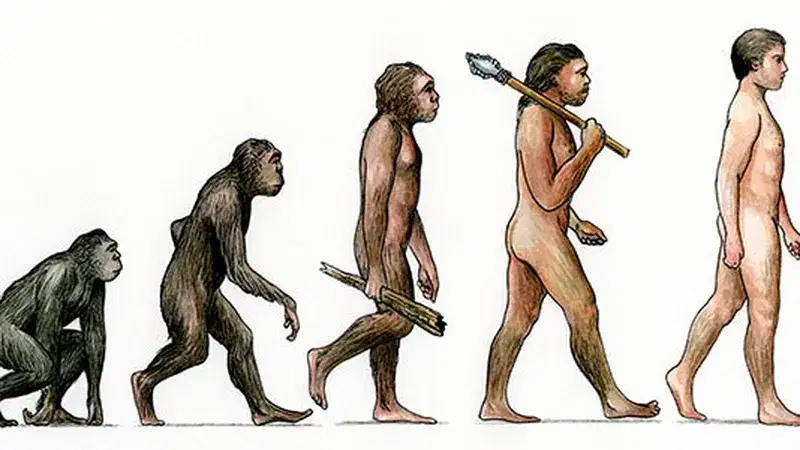
Evolution
Genetically based changes within a population of organisms that raise the chances of survival
Organisms that have adapted better to the environment are more likely to survive than those that have not.
Process where different factors stop the growth of a species
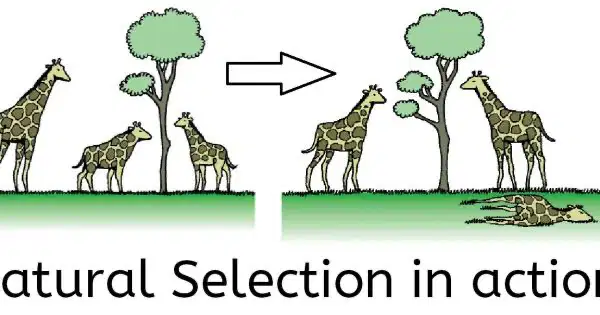
Natural Selection
Organisms that have adapted better to the environment are more likely to survive than those that have not.
Any positive benefit that the ecosystem and its organisms provide for people
When a population within a species evolves to create a new distinct species

Alfred Russel Wallace
Genetically based changes within a population of organisms that raise the chances of survival
Mr scientist gut that theorized about evolution and natural selection
Event either natural or human caused that disrupts an ecosystem or population
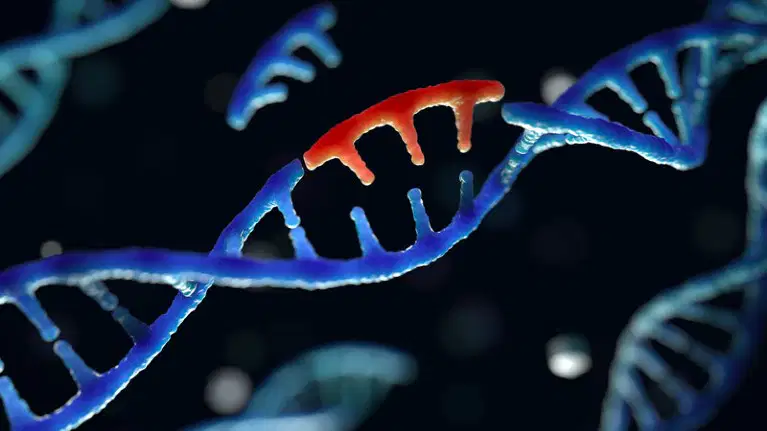
Mutation
Biological variation in a specific species
Change in a DNA sequence
When a population within a species evolves to create a new distinct species

Biodiversity
The variety of living things and their interactions in an ecosystem
Variety of different habitats
Biological variation in a specific species
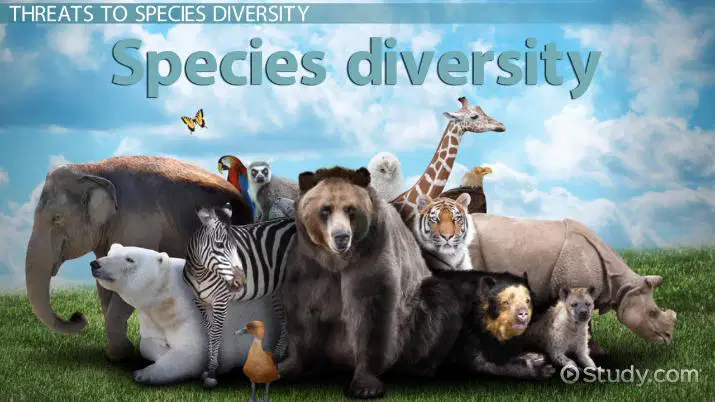
Species Diversity
Organisms that have adapted better to the environment are more likely to survive than those that have not.
Biological variation in a specific species
The number of different species in a particular area
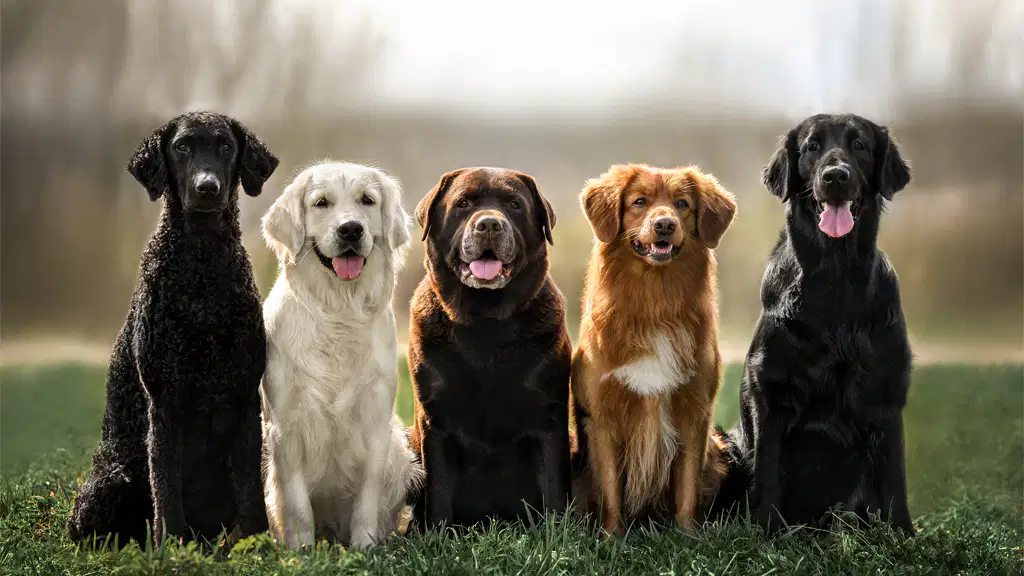
Genetic diversity
When a population within a species evolves to create a new distinct species
Biological variation in a specific species
Genetically based changes within a population of organisms that raise the chances of survival
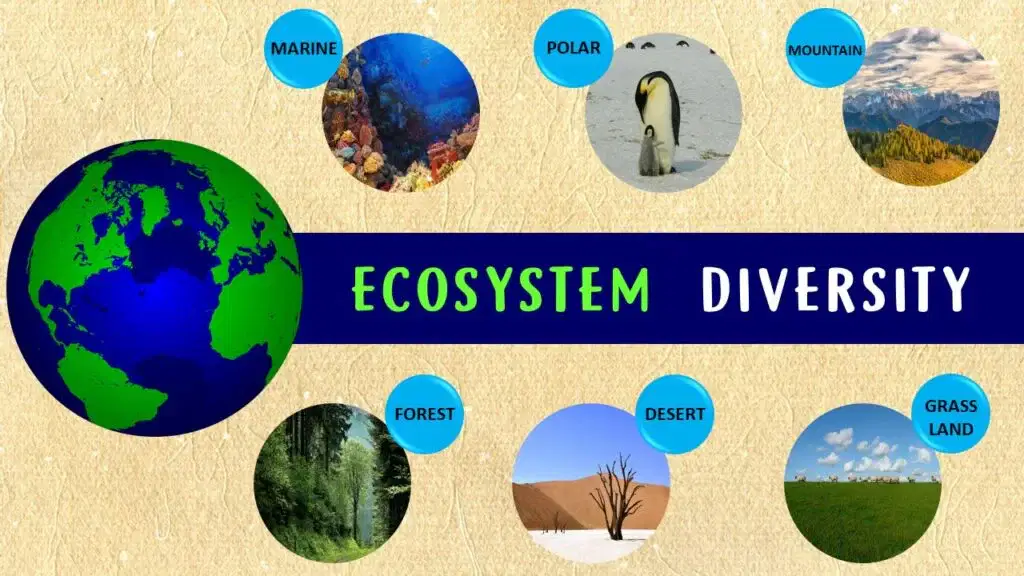
Ecosystem diversity
Variety of different habitats
Species found in only one area
Process where different factors stop the growth of a species

Invasive species
Mr scientist gut that theorized about evolution and natural selection
Biological variation in a specific species
Organism that harms the environment it is not native too
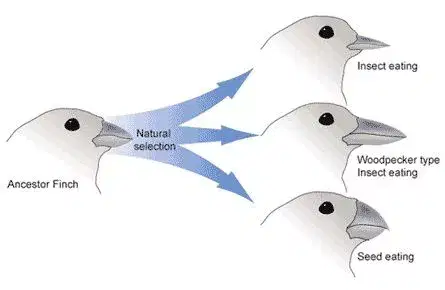
Speciation
When a population within a species evolves to create a new distinct species
Genetically based changes within a population of organisms that raise the chances of survival
Organisms that have adapted better to the environment are more likely to survive than those that have not.
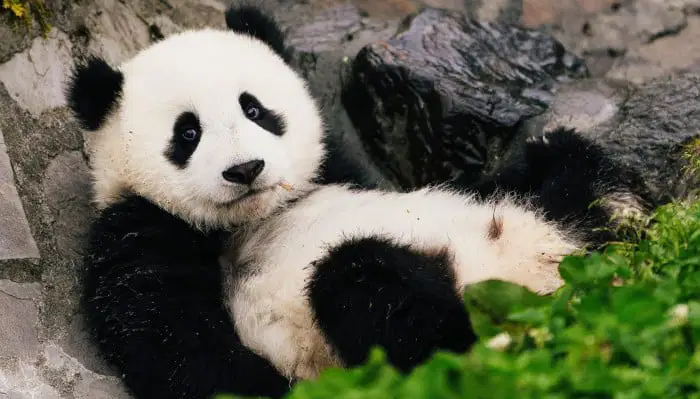
Specialist species
Species with limited diet and specific living conditions
Species with broad diet and a wide variety of living conditions
Organism that harms the environment it is not native too
Generalist species
Species with limited diet and specific living conditions
Species with broad diet and a wide variety of living conditions
Organism that harms the environment it is not native too

Endemic
Species only found in one area
Organism that harms the environment it is not native too
The number of different species in a particular area
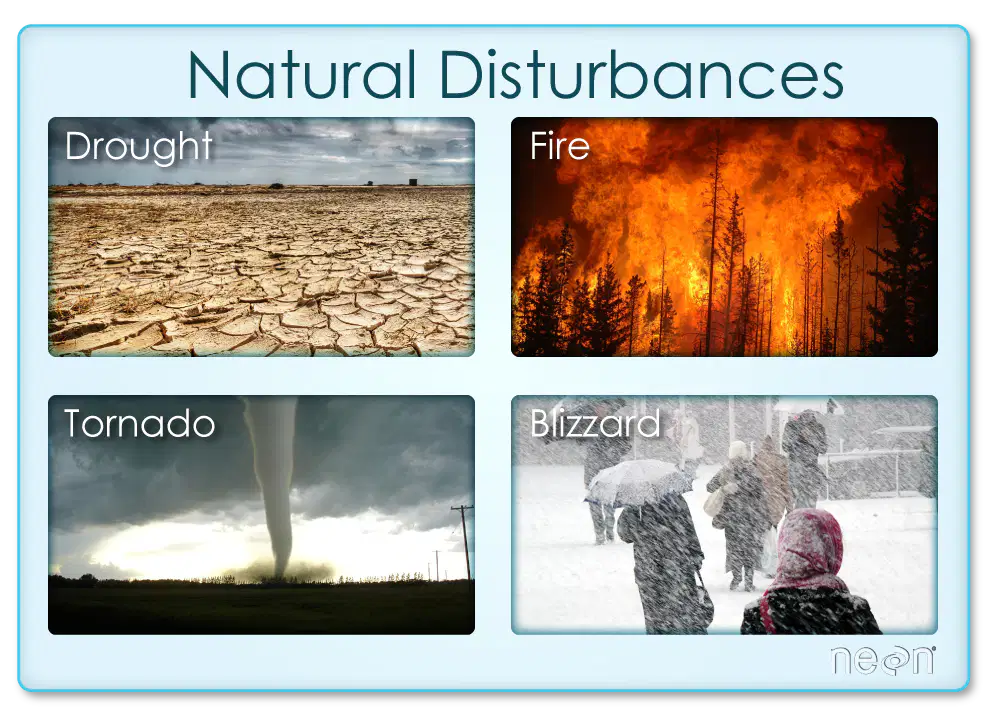
Disturbance
Any positive benefit that the ecosystem and its organisms provide for people
Change in a DNA sequence
Event either natural or human caused that disrupts an ecosystem or population
Resistance
Event either natural or human caused that disrupts an ecosystem or population
Process where different factors stop the growth of a species
When a population within a species evolves to create a new distinct species
Resilience
the ability of a system to continue functioning amid and recover from a disturbance
Any positive benefit that the ecosystem and its organisms provide for people
The variety of living things and their interactions in an ecosystem
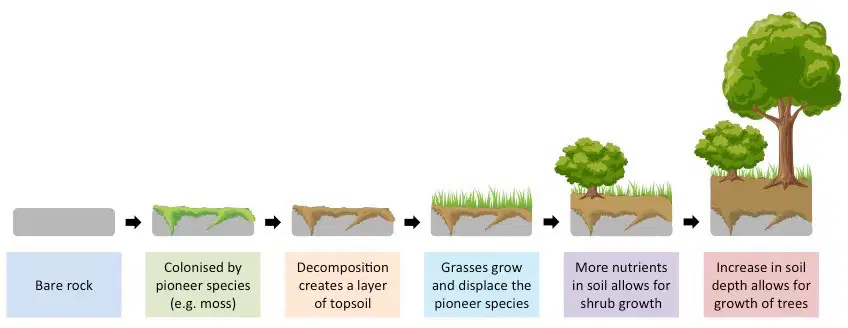
Primary succession
the ability of a system to continue functioning amid and recover from a disturbance.
Species with broad diet and a wide variety of living conditions
When a new patch of land is created or exposed

Secondary Succesion
When a climax community is disrupted and starts over
When a new patch of land is created or exposed
Species with broad diet and a wide variety of living conditions
Pioneer species
Species that are the first to colonize a new environment
Species with broad diet and a wide variety of living conditions
Organism that harms the environment it is not native too
Keystone Species
An organism that helps define the ecosystem it resides in
Species that are the first to colonize a new environment
Organism that harms the environment it is not native too
Indicator species
Species found in only one area
An organism whose presence or a sense impacts the environment’s condition
Organism that harms the environment it is not native too
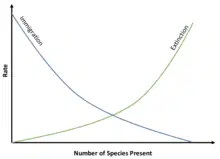
Island Biography Theory
Species diversity is directly related to the size of the island
When a population within a species evolves to create a new distinct species
Genetically based changes within a population of organisms that raise the chances of survival
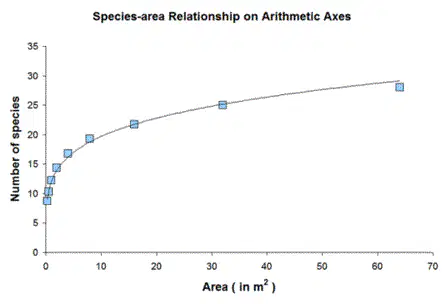
Species area curve
Species diversity is directly related to the size of the island
When a climax community is disrupted and starts over
Describes the relationship between to the habitats location and the number of species found in it
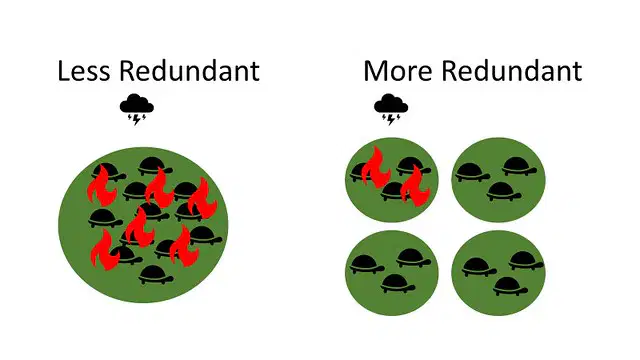
SLOSS Dilemma
2 different approaches to land conservation
Describes the relationship between to the habitats location and the number of species found in it
Variety of different habitats
Provisioning ecosystem service
Event either natural or human caused that disrupts an ecosystem or population
Organism that harms the environment it is not native too
Anything that benefits humans extracted from nature
Regulating ecosystem service
Any positive benefit that the ecosystem and its organisms provide for people
Anything that benefits humans extracted from nature
Regulating services extracted from nature
Cultural Ecosystem Service
Benefits people gain from interactions with different environments
Anything that benefits humans extracted from nature
Describes the relationship between to the habitats location and the number of species found in it
Supporting Ecosystem Service
Basic natural cycles that nature needs to function
Anything that benefits humans extracted from nature
Regulating services extracted from nature
Which of the following would be categorized as a cultural ecosystem service of forests?
Timber and landscape materials
Soil stabilization and air purification
Recreation and scenic areas for tourism
Mushroom and plant harvests
Based on the theory of island biogeography, which of the following is the most likely reason that an island in the ocean that is 5 kilometers from a continent would have a higher number of species than one that is 15 kilometers from a continent
There are more species that have the ability to travel 5 kilometers than can travel 15 kilometers.
Islands that are closer to continents always have a wider range of habitats than more distant islands do.
There are smaller populations of each species on islands that are at greater distances from continents.
Islands that are closer to continents always have more ecological niches than more distant islands do.
Which of the following correctly describes the disruption of an ecosystem service by an anthropogenic activity?
Regulating services are disrupted by flash flooding from a hurricane, which decreases available food resources.
Provisioning services are disrupted by increased combustion of fossil fuels, which leads to an increase in air pollution.
Supporting services are disrupted by an earthquake that causes habitat destruction, which displaces plants and animals.
Cultural services are disrupted by a tornado that causes the loss of acres of forest, which reduces the amount of harvestable timber.
Which of the following events would likely occur after a glacier retreat where bare rock was exposed?
Secondary Succession
ecological tolerance
primary succession
intraspecific competition
which of the following is not an ecosystem service
cultural services
provisioning services
biodiverse services
regulating services
Which of the following statements about levels of biodiversity is correct?
Genetic biodiversity is a measure of the total number of genes in a community.
A narrow distribution of habitats leads to an increase in species diversity.
Global hotspots are areas where species diversity is thriving due to habitat restoration.
A population with high genetic biodiversity is better able to respond to environmental stressors.
Which of the following best explains how environmental stressors, such as wildfires, can affect biodiversity in an ecosystem?
After an environmental stress, a genetic bottleneck may occur, which will increase genetic diversity.
Habitat diversity will increase the available niches if the landscape becomes more uniform after a disturbance.
Ecosystems with more species diversity are more likely to recover after a disturbance than ecosystems with low species diversity.
Smaller populations are less likely to go extinct than larger populations, so the species diversity will remain constant.
A 163 square-kilometer (km2) small island is found 2,000km from the mainland. A second, larger, 230,000km2 island is found 1,000km from the mainland. Based on the theory of island biogeography, which of the following statements is most likely true about the small island when compared with the large island?
The rate of immigration is lower for the small island than for the large island.
The small island has niches that are more like the mainland than the large island.
The small island has more available resources than the large island.
The rate of species extinction is lower on the small island than on the large island.
Ecological tolerance is refers to
the natural disturbance of an ecosystem
the set of conditions a species thrives under
a species whose presence, abundance, or absence indicates the health of an ecosystem
man made disturbances to an ecosystem
A volcano erupts, covering a small island in the south pacific. After the eruption, when would the species richness of the ecosystem have been the lowest?
Before the volcanic eruption occurred
One to four years after the volcanic eruption
Four to ten years after the volcanic eruption
Ten to fourteen years after the volcanic eruption
If an island is closer to the mainland, how will this impact the biodiversity?
There will be a higher level of biodiversity here than an island that is further away.
There will be a lower level of biodiversity here than an island that is further away.
There will be no difference in biodiversity on islands based on distance to mainland.
Which of the following is NOT a factor that impacts ecological tolerance?
Temperature
pH
Humidity
Level of biodiversity
What is ecological succession?
A set of environmental conditions within which an organism can best survive
An organism's ability to adapt to its environment
A peak community where the organisms are stable
The process of change in the species structure of an ecological community over time

What stage of ecological succession is being shown?
Primary succession
Secondary succession
Tertiary succession
Climax community
Which of the following is NOT considered to be a natural disruption to an ecosystem?
Volcanic eruption
Hurricane
Air pollution
Earthquake
Which ecosystem is the most biodiverse?
Temperate deciduous forest
Tropical rainforest
Boreal forest
Savanna
Which of the following is NOT a type of ecosystem service?
Cultural
Regulating
Recreational
Provisional

Which is true of the location above?
It has low species richness
It has low species evenness
It has high species evenness
It has both low species evenness and richness
None of these
The main cause of biodiversity loss worldwide is
extinctions
invasive species
pollution
habitat destruction
Introduced species can become pests because they;
Produce only a few young after a long period of gestation.
Inhabit only niches that have recently become available after the local extinction of another species.
Can live in many niches, easily adapting to many variables and eating a wide variety of food.
Have a low genetic variability, enabling them to live in a wide variety of habitats.
Increase biodiversity because they attract more species to the areas in which they settle.
The aesthetic value of an ecosystem provides
a supporting service.
a regulating service.
an intrinsic value.
a cultural service.
When a spruce tree is harvested so the wood can be used to build a house, the tree is providing
a cultural service.
a provision.
an intrinsic value.
a monetary unit.
Human waste is often dumped in the ocean. Microbial organisms in marine ecosystems can break down organic waste into less harmful components. This is an example of
a cultural service.
an ecosystem provision.
a regulating service.
an intrinsic value.
Which of these is an aquatic indicator species?
Shrimp
Coral
Plankton
Sea Anemone
Match the organisms with their role in the ecosystem
Kudzu vine- invasive, beaver- keystone, sea urchin- foundation
Kudzu vine- keystone, beaver- invasive, sea otter- keystone
kudzu vine- foundation, beaver- keystone, sea otter- invasive
kudzu vine- invasive, beaver- foundation, sea otter- keystone
Why are sea otters so crucial to an ecosystem?
They aren't.
They build dams and help rivers flow
They provide us with nutrients
They feed on sea urchins which are harmful to kelp forests
Organisms that make physical changes and help create habitats are known as
Invasive species
Keystone species
Foundation species
Endangered species
What is the difference between primary and secondary succcession?
Primary succession already has soil
Lichen and moss come in for secondary succession
Secondary succession already has soil
Climax community is achieved quickly in primary succession
The number of species in a community...
species richness
species evenness
Distribution of abundance across the species in a community...
species richness
species evenness
Describe the amount of different types of habitats within an ecosystem, or the world.
genetic diversity
species diversity
habitat diversity

