
 Worksheets
Unit 2 review
Total questions: 100
Worksheet time: 2hrs 30mins
What type of bond involves the sharing of electrons between atoms?
covalent bond
ionic bond
metallic bond
transfer bond

Water, H2O
Ionic
Covalent
Metallic
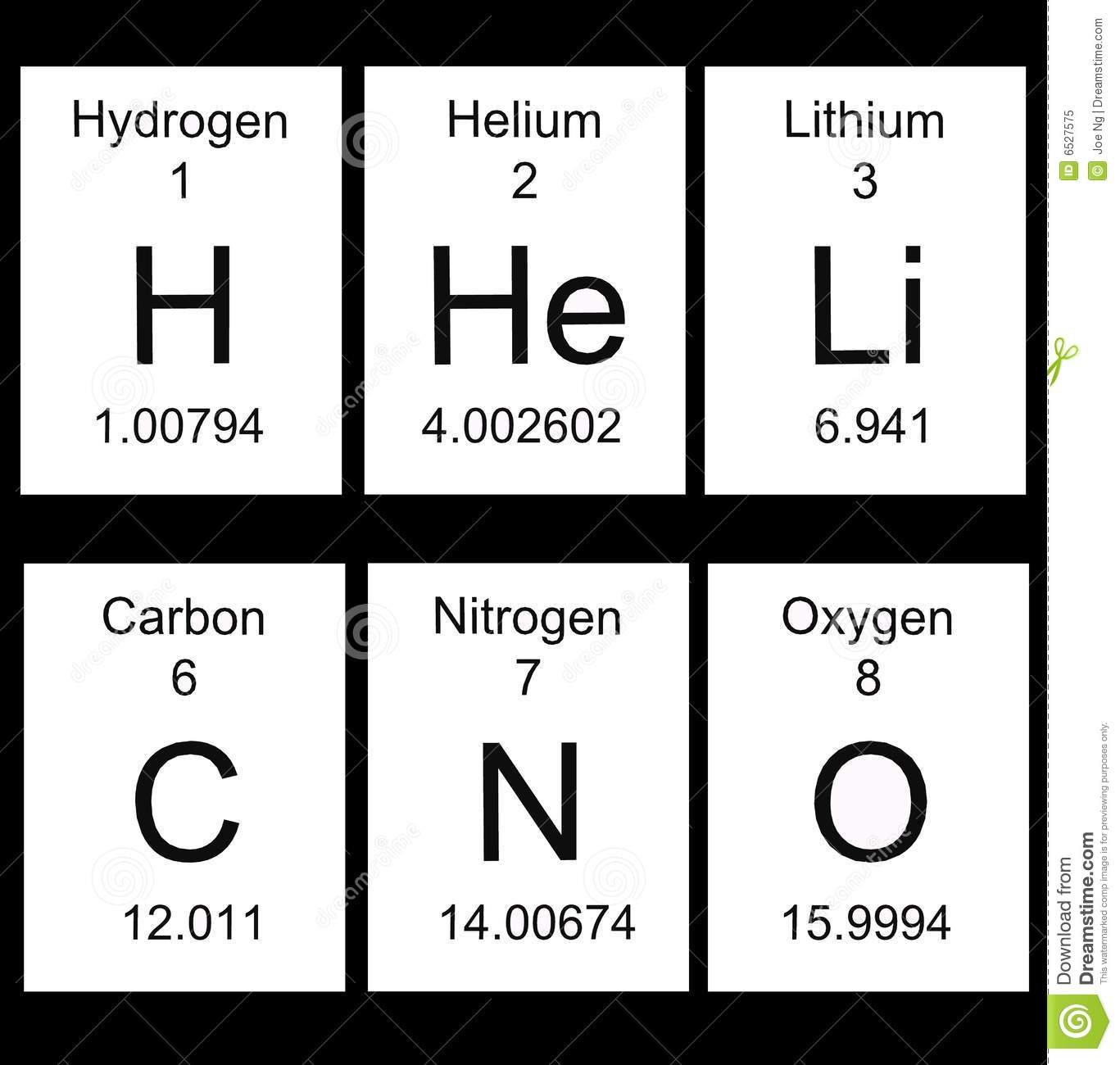

What is the CHEMICAL FORMULA for the molecular model pictured above?
CH
C4H
CH4


In an ionic bond, electrons are
lost or gained
shared
either shared or gained
neither, they float in a cloud
When an atom loses an electron, it becomes a
positive ion
negative ion
neutral ion
neutral atom
Water drops usually have a small speck of dust inside of them for water to stick to. What property of water allows it to form drops?
Cohesion
Adhesion
High Specific Heat
High Heat of Vaporization
Less Dense as a Solid


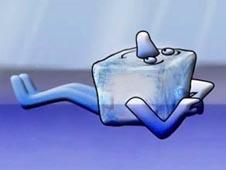
Capillary Action
The property of water that allows ice to float on the surface of liquid water
The property of water that allows it to dissolve polar substances
When water molecules stick to other surfaces
The property of water that allows water to move up a thin tube (or the stem of a plant) by itself

How how carbohydrates and lipids similar?
both contain C, H, O, N, P and store energy
both contain C, H, O, N and give energy
both contain C, H, O, N, S and store energy
both contain C, H, O and give energy
What is the key role (function) of carbohydrates?
energy storage
immunity, muscles, structure for tissues, cell metabolism
instant energy for cells and body functions
genetic information (heredity)
What elements (monomers) make up a protein?
C, H, O
C, H, O, N, (S)
C, H, O, N, P
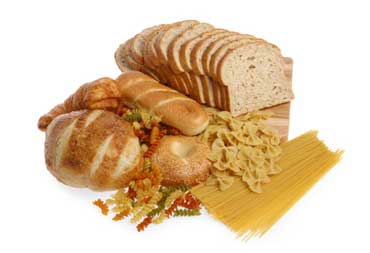
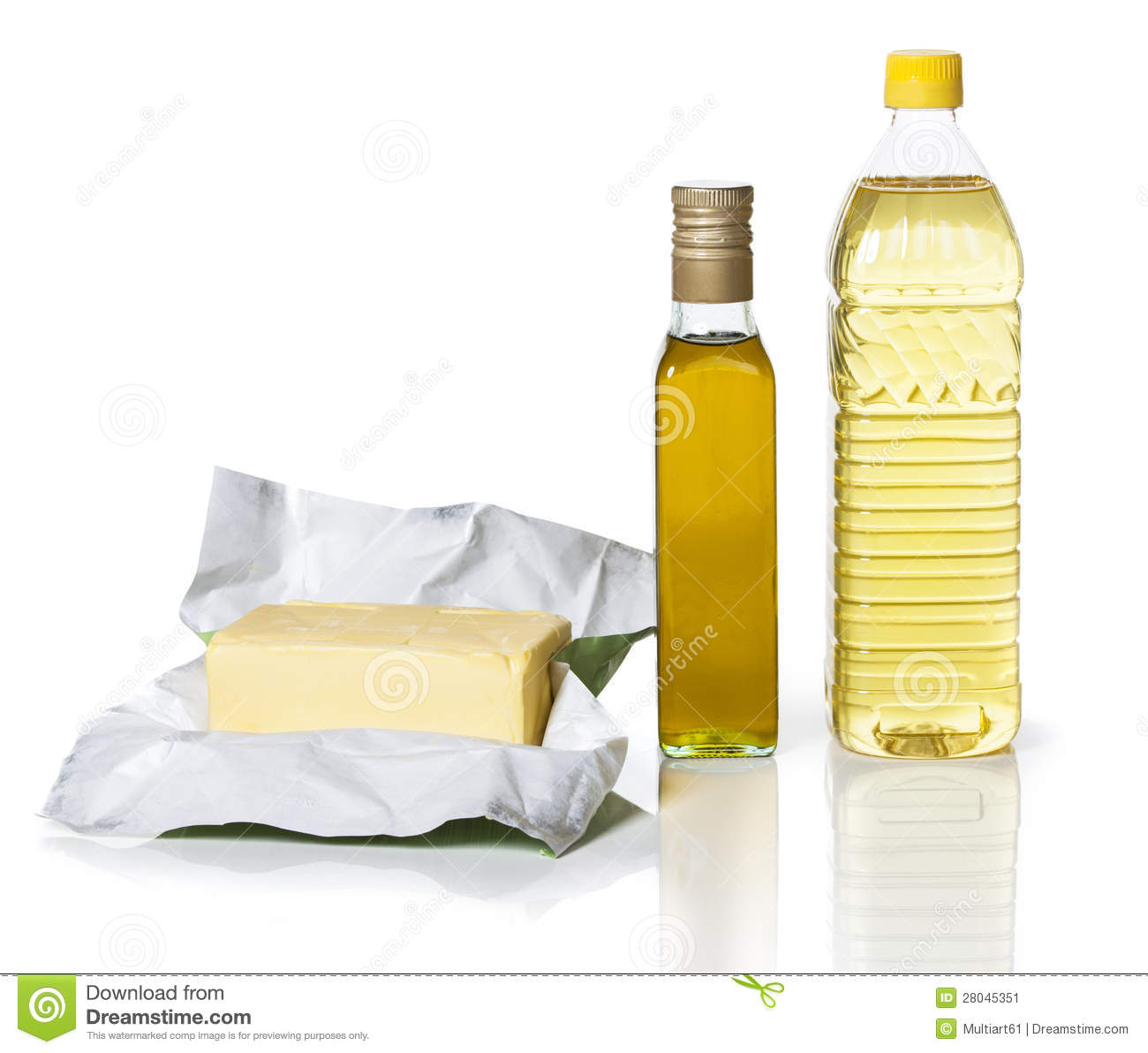

Which macromolecule is shown?
lipid
protein
nucleic acid
carbohydrate

What is the key role (function) of carbohydrates?
energy storage
immunity, muscles, structure for tissues, cell metabolism
instant energy for cells and body functions
genetic information (heredity)
What elements (monomers) make up nucleic acids?
C, H, O
C, H, O, N, (S)
C, H, O, N, P
Identify the lipid:


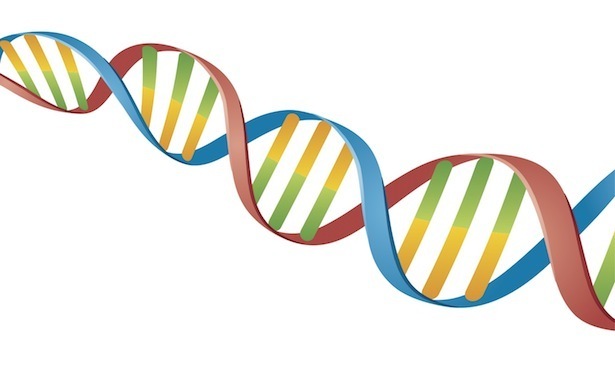
Identify the nucleic acid:


The monomer for a protein is:
amino acid
fatty acid
monosaccharide
nucleotide

The image shows the periodic grid of potassium. How many electrons are found in the potassium atom?
19
20
39
40
What charge does an atom have when it GAINS electrons?
Positive
Negative
Neutral
What subatomic particle changes in an ion?
The number of electrons
The number of protons
The number of neutrons


Where is the proton located?
In the very dense nucleus
Floating around in the negative electron cloud
In the loose nucleus
In the positive electron cloud

Which statement correctly describes an electron in an atom?
Electrons stay inside the nucleus and carry a neutral charge.
Electrons circle the nucleus and have a positive charge.
Electrons move around the nucleus and have a negative charge.
Electrons stay inside the nucleus and have a negative charge.

An iron atom has an atomic mass of 56. Its atomic number is 26. How many neutrons does the iron atom have?
30
26
56
82

What is the picture displayed?
atom
element
compound
What are the building blocks of matter?
Atoms
Protons
Cells
Neutrons
What is a cation?
A chemical compound without ions
An ion with a negative charge
An ion with a positive charge
An atom without an electric charge
What is an anion?
An ion with a negative charge
A chemical compound
An atom without charge
An ion with a positive charge
What is the relationship between valence electrons and the formation of ions?
The formation of ions depends on the number of protons in the nucleus, not on the valence electrons.
Valence electrons have no relationship with the formation of ions.
Valence electrons only affect the electrical conductivity of an atom, not the formation of ions.
Valence electrons determine an atom's ability to form ions.
How many valence electrons does a sodium atom have?
3
1
2
0
Neutrons are
negative
neutral
positive
cows
Electrons are...
negative and in the nucleus
not in an atom
positive and at the edge of the atom
negative and at the edge of the atom
Most of the atom is filled with...
electrons
the nucleus
empty space
protons
Which of the following is not a compound?
HCl
NaCl
Cl
CO2

How many protons are in this element?
47
117
107.87
Carbon dioxide is a compound.
TRUE
FALSE
Hydrogen is a compound.
TRUE
FALSE

Which of the following statements is TRUE of enzymes?.
Enzymes are not found in living organisms
Enzymes help to speed up chemical reactions
Enzymes are made carbohydrates
Enzymes increase the activation energy of a chemical reaction
requiring

Enzymes are also considered to be biological ____________
catalysts
organisms
life
denatures


CH4 and O2

CH4 and O2
What term is used to describe the process of an enzyme changing shape due to extreme heat or pH levels?
catalyze


Which of the following applies to endothermic reactions?
They feel cold and absorb energy
They feel hot and absorb energy
They feel hot and release energy
They feel cold and release energy
Which of the following applies to exothermic reactions?
They feel cold and absorb energy
They feel hot and absorb energy
They feel hot and release energy
They feel cold and release energy
Which of the following statements does NOT apply to the Toothpickase lab activity?
Toothpickase was represented by hands
The substrates in the lab were toothpicks
The products in the lab were the busted toothpicks
The reaction of breaking toothpicks was slower when we increased enzyme concentration

