
 Worksheets
8.8B EMS
Total questions: 183
Worksheet time: 4hrs 32mins
Which wave below has the highest energy?


Which wave below has the lowest energy?

Which color of light has the shortest wavelength?
Red
Orange
Yellow
Green
Blue
Which color of light has the longest wavelength?
Red
Orange
Yellow
Green
Blue
Which wavelength below has the highest energy?


Which wavelength below has the lowest energy?
Which of the following has the highest frequency?


Which of the following has the lowest frequency?

Which EM waves have the longest wavelength?
radio
x-rays
ultraviolet
gamma rays
Which EM waves are invisible? (more than one correct answer)
radio
visible
ultraviolet
gamma rays

Quasars are extremely distant celestial bodies. Investigators using a special telescope determined that a certain quasar was emitting waves with a frequency of 1.41 × 10⁹ Hz. An
electromagnetic spectrum is shown.
microwaves
Infrared
Visible Light
Gamma Rays


Which of the following is not in the electromagnetic spectrum?
Light waves
Sound waves
Radio Waves
X-rays

Scientists observed a celestial object emitting a wavelength of 3 x 10⁻¹⁰m. What type of telescope did the scientists have to use to view this?
Radio wave
Infrared ray
X-ray
Gamma Ray
Scientists observed a celestial object emitting a wavelength of 3 x 10³m. What type of telescope did the scientists have to use to view this?
Radio wave
Infrared ray
X-ray
Gamma Ray

The frequency of an x-ray is --
1.41 x 10⁻¹⁰ Hz
1.41 x 10¹⁸ Hz
1.41 x 10¹⁰ Hz
1.41 x 10⁻¹⁸ Hz
Scientists observed a celestial object emitting waves with a frequency of 1.41 x 10⁸ Hz. What type of telescope did the scientists have to use to view this object?
Radio wave
Microwave
X-ray
Ultraviolet wave
Scientists observed a celestial object emitting a wavelength of 3 x 10⁻¹⁰m. What type of telescope did the scientists have to use to view this?
Radio wave
Infrared ray
X-ray
Gamma Ray

Quasars are extremely distant celestial bodies. Investigators using a special telescope determined that a certain quasar was emitting waves with a frequency of 1.41 x 10⁹ Hz. Using the electromagnetic spectrum provided, investigators were most likely using a telescope that detects -
microwaves
visible light
x-rays
gamma rays
Which EM waves have the longest wavelength?
radio
x-rays
ultraviolet
gamma rays
Which EM waves have the shortest wavelength?
radio
x-rays
ultraviolet
gamma rays
Which EM waves are have a SHORTER wavelength than visible?
radio
none
infrared
x-rays
Which EM waves are have the lowest frequency?
radio
none
infrared
x-rays
Which EM waves are have the highest energy & are the most dangerous?
radio
gamma rays
infrared
x-rays
Which color waves have the lowest frequency?
red
yellow
green
violet
Which color waves have the shortest wavelength?
red
yellow
green
violet
Which type of electromagnetic wave travels fastest through a vacuum?
radio
gamma rays
visible light
They all travel at the same speed.
Communicating with satellites is an application of gamma rays.
True
False
Reorder the following according to the spectrum
red
orange
yellow
green
blue
Reorder the following from shortest wavelength to the longest wavelength.
gamma waves
x-rays
ultraviolet waves
visible light
infrared rays
The electromagnetic spectrum is a continuous range of ______ for electromagnetic radiation.
light
frequencies
particles
magnestism
Electromagnetic waves that you can see
radio waves
visible light
x-rays
ultraviolet rays
Used for medical imaging to diagnose health issues in bones and teeth
visible light
ultraviolet rays
x-rays
gamma rays
Used to heat food
Microwaves
Used in TV remote control to change channels
Infrared
Only EM wave that humans can see
Visible Light
Causes sunburns and can lead to skin cancer
Ultraviolet
Can go through muscle and skin to make images of bones
X-Ray
Used in garage door openers, alarm systems and computer networks
Radio
Used in dopplar rader to predict weather
Microwaves
Used in night vision goggles & cameras
Infrared
Earth's ozone layer blocks this frequency
Ultraviolet
Produced during nuclear explosions
Gamma
(a) are used by police officers to check your driving speed.
(a) are used in the medical field to treat cancer and to sterilize (clean) equipment.
(a) and (b) are both used to transmit data in cell phones and satellites.
(a) and (b) are used by scientists to study far away stars.

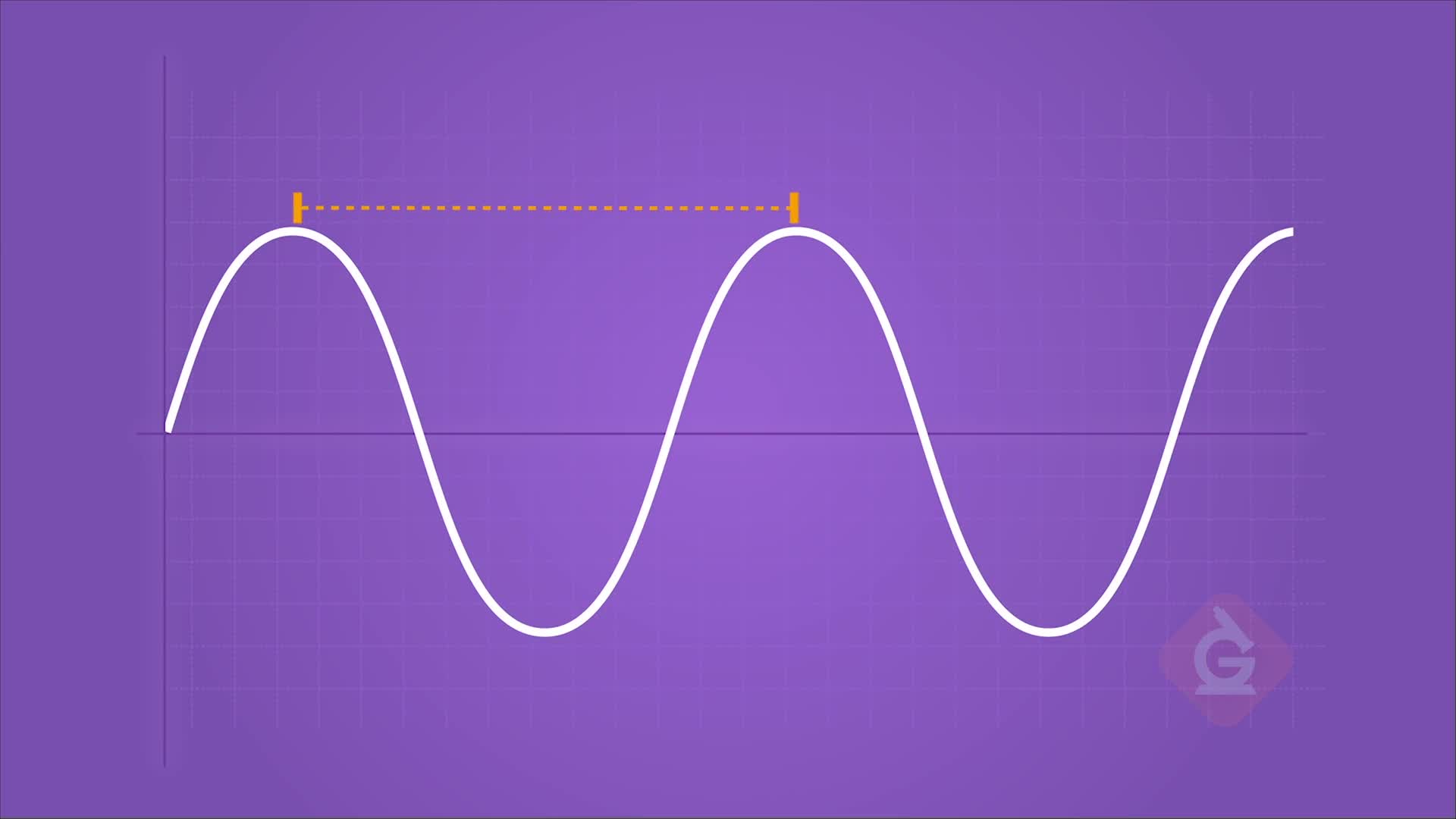
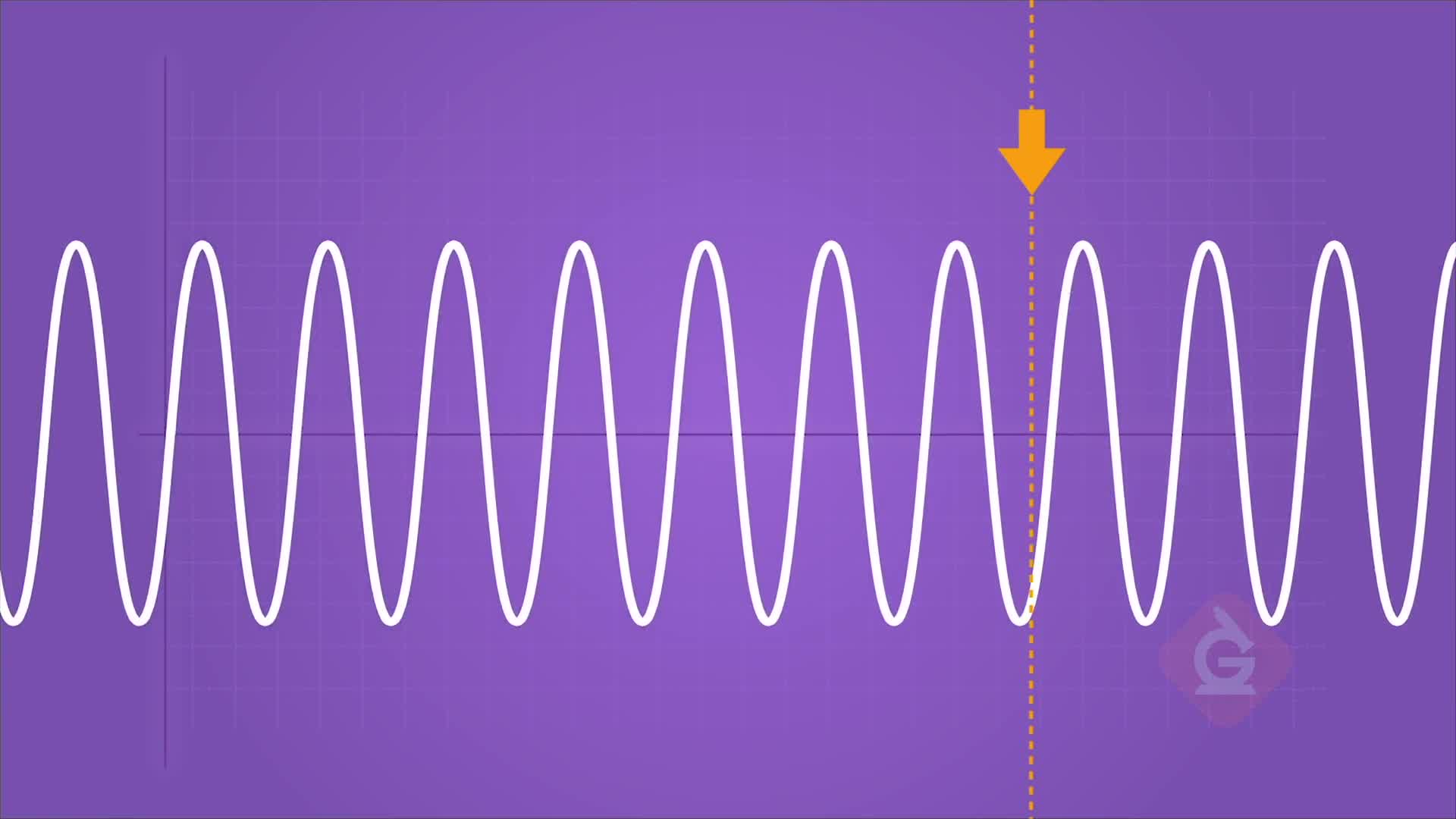



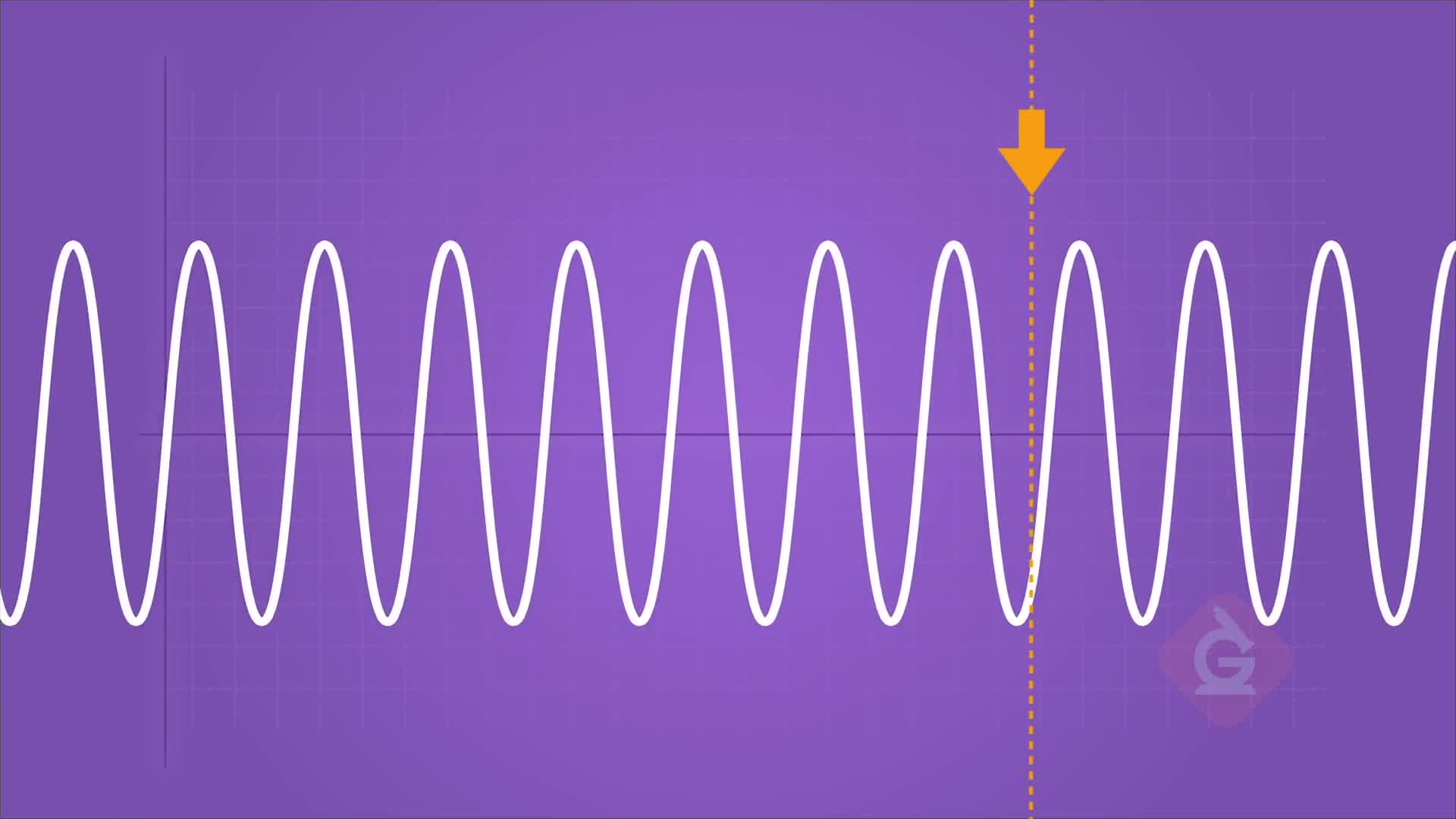
What type of electromagnetic wave has a higher frequency than visible light and a larger wavelength than x-rays
Infrared
Gamma
visible
Ultraviolet
Electromagnetic waves can travel through the vacuum of (a) .


The unknown emission spectra belongs to the element
Hydrogen
Mercury
Neon
Sodium

What gases are in the unknown mixture?
Select all that apply
Gas A
Gas B
Gas C
Gas D

Which element(s) is/are found in the star's spectra below?
Hydrogen only
Hydrogen & Helium
Calcium only
Hydrogen & Calcium

Which color has the highest energy?
red
yellow
green
violet

A scientist has a sample of an unknown gas. In order to identify it, they shine a continuous spectrum of white light through the gas and observes which wavelengths of light are absorbed by it. This is shown in the figure, as well as the absorption spectra of five pure, gaseous elements. Which of the five elements is the unknown gas?
xenon
oxygen
helium
neon
argon
Which EM waves have the longest wavelength?
radio
x-rays
ultraviolet
gamma rays
Which EM waves have the shortest wavelength?
radio
x-rays
ultraviolet
gamma rays
Which EM waves are have a SHORTER wavelength than visible?
radio
none
infrared
x-rays
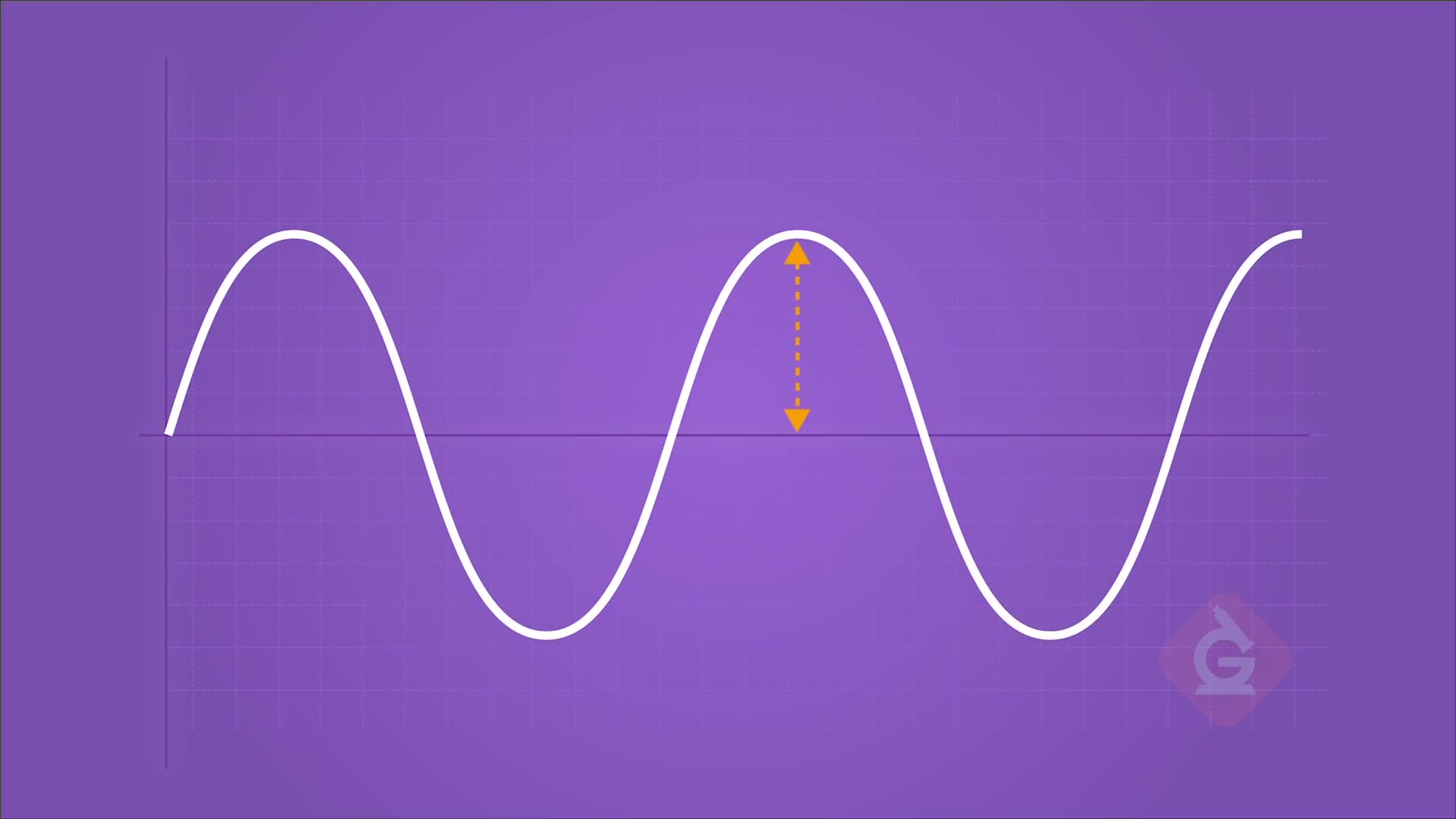
The length between two waves is called the...
wavelength
crest
trough
amplitude

Crest
Amplitude
Wavelength
Equilibrium

Trough
Equilibrium
Crest
Wavelength

Frequency
Trough
Crest
Amplitude

Amplitude
Crest
Frequency
Trough
Which EM waves have the longest wavelength?
radio
x-rays
ultraviolet
gamma rays

Which color has the longest wavelength?
Yellow
Red
Green
Purple
Sunscreen bottles often include the phrase: “Protects against UVA and UVB waves.” This refers to ultraviolet radiation coming from the sun. Which of the following is true of ultraviolet radiation?
Ultraviolet radiation has shorter wavelengths than x-rays, therefore it is more dangerous than xrays.
Ultraviolet radiation has longer wavelengths than infrared light, therefore it is more dangerous than infrared light.
Ultraviolet radiation has shorter wavelengths than visible light, therefore it is more dangerous than visible light.
Ultraviolet radiation has longer wavelengths than gamma radiation, therefore it is more dangerous than gamma radiation.
A rainbow is sunlight disbursed into a spectrum of colors ranging from red to violet. When you are facing a rainbow, the sun is always behind you, the rain is in the direction of the rainbow, and the arc of the rainbow is directly opposite the sun. Which statement best describes the formation of a rainbow?
Tiny water droplets absorb the light waves that strike them disbursing the light into colored arcs.
Light travels faster after the rain due to increased moisture in the air.
Light in absorbed by the tiny water droplets in the atmosphere.
The water droplets in the air refract the light waves separating the light into colored arcs.
Electromagnetic radiation from the sun comes in all forms. Scientists have found ways to use the electromagnetic waves to study different characteristics of objects in space. Which of the following correctly pairs an electromagnetic wave with a way that it is used in space exploration?
Radio waves are used to evaluate the sound qualities of planets throughout our Solar System.
Infrared waves are used to evaluate the temperature of planets throughout our Solar System.
Visible light waves are used to evaluate the mountain height of planets throughout our Solar System.
Gamma rays are used to evaluate thickness of atmospheres of planets throughout our Solar System.

The diagram below shows the electromagnetic spectrum. Which letters represent radio and gamma waves?
A F
F C
A G
C G
How is the light spectrum used in astronomy?
To take pictures of deep space with telescopes.
To identify elements of stars and galaxies.
To calculate the rate at which other galaxies are moving either away from or toward us.
All of the above.
Meg is barbequing hamburgers on the grill. She notices that the coals are ready for cooking because she feels the warmth of the coals and sees that they are glowing red. What types of electromagnetic waves is she detecting?
infrared waves and visible light waves
gamma rays and infrared waves
visible light and ultraviolet waves
ultraviolet waves and gamma rays
Electromagnetic radiation is energy that travels in waves. Two types of electromagnetic waves are microwaves and gamma rays. Gamma rays have a shorter wavelength than microwaves. Which of these statements is true?
Gamma rays travel faster than microwaves in a vacuum.
Gamma rays have more energy than microwaves do.
Gamma rays have a lower frequency than microwaves do.
Gamma rays, but not microwaves, can travel through a vacuum.
The different types of electromagnetic radiation are usually organized on the electromagnetic spectrum from radio waves to gamma waves. Why are they arranged in this order?
They are arranged in order of decreasing energy
They are arranged in order of decreasing frequency
They are arranged in order of how useful the light is
They are arranged in order of decreasing wavelength
Which EM waves have the longest wavelength?
radio
x-rays
ultraviolet
gamma rays
Which EM waves have the shortest wavelength?
radio
x-rays
ultraviolet
gamma rays
Which EM waves are have a SHORTER wavelength than visible?
radio
none
infrared
x-rays
Which EM waves are have the lowest frequency?
radio
none
infrared
x-rays
Which EM waves are have the highest energy & are the most dangerous?
radio
gamma rays
infrared
x-rays
Which color waves have the lowest frequency?
red
yellow
green
violet
Which color waves have the shortest wavelength?
red
yellow
green
violet
What happens to frequency when wavelength decreases?
stays the same
decreases
increases
There is no relationship between wavelength & frequency.

The diagram shows a person observing a thunderstorm located several kilometers away. The person hears the thunder several seconds after seeing the lightning. Which statement accurately explains the difference in observations of sound and light by the observer?
Human eyes see light faster than their ears can hear sound.
The medium the waves are traveling through is different for each type of wave.
Light waves travel faster than sound waves.
Sound waves travel faster than light waves.
What do electromagnetic waves NOT need to transfer energy?
matter
speed
wavelength
frequency

The lower the frequency the ______ the energy.
higher
lower
neither, stays the same
Which color has the longest wavelength?
Red
Orange
Yellow
Blue

Which of the following is correct in order from lowest to highest energy?
X Rays, Visible Light, Microwave
Ultraviolet, Visible Light, Gamma-Rays
Microwave, Visible Light, Gamma Rays
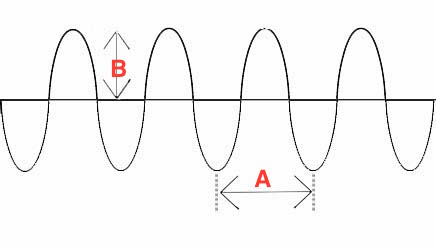

Which has a higher frequency?
Wave N
Wave O
Same frequency
There is no frequency
How are different types of radiation arranged along the electromagnetic spectrum?
By how fast they travel
By their sources
By the amount of energy they carry
By how radioactive they are
What is the difference between a wave and a particle?
A particle is a discrete unit of energy; a wave is a continuous flow of energy
A wave carries energy; a particle carries light
A wave moves at the speed of light; a particle can move at a range of speeds
A wave carries electricity; a particle carries a magnetic charge
Place the following types of EM radiation in order, from lowest energy to highest energy: A) Visible light; B) Gamma rays; C) Radio waves
A, C, B
C, A, B
B, C, A
C, B, A
Which of the following transmits information using microwaves?


Astronomers often scan the sky using devices called radio telescopes. What can you conclude about these devices?
They send radio broadcasts out to distant stars and planets
They pick up the radio waves emitted by stars.
They are less powerful than optical telescopes.
They can detect ultraviolet radiation.

Tim mentions that infrared radiation can be used to take special pictures called thermographs. "Graph" means "image." What can you infer about the prefix "thermo?"
It means "light"
It means "energy"
It means "heat"
It means "radio"

What might happen if the ozone layer did not block the sun's ultraviolet rays?
Humans would be able to see in the ultraviolet range of the EM spectrum
Devices that use electromagnetic radiation would no longer work
The surface of the earth would be much hotter
Rates of skin cancer would skyrocket
Which word best describes gamma rays?
Weak
Destructive
Visible
Harmless
What do all forms of electromagnetic radiation have in common?
Their strength
Their speed
Their wavelength
Their frequency
What produces electromagnetic radiation?
Electrons changing energy levels
Electrons bonding with other atoms
Electrons leaving the atomic nucleus
Electrons becoming protons or neutrons

What electromagnetic wave do humans emit as heat energy?
infrared light
ultraviolet light
visible light
microwaves

What kind of wave as a frequency of 10^24?
Micro
Gamma
Radio
Visible Light
What kind of wave as a frequency of 10^12?
Micro
Gamma
Radio
Infrared
What kind of wave as a frequency of 10^2?
Micro
Gamma
Radio
Infrared


Which electromagnetic wave has the least amount of frequency?
radio
Gamma Ray
Infrared
Visible light

Which electromagnetic wave has a larger wave than ultraviolet but smaller wave than infrared waves?
radio
Gamma Ray
Infrared
Visible light
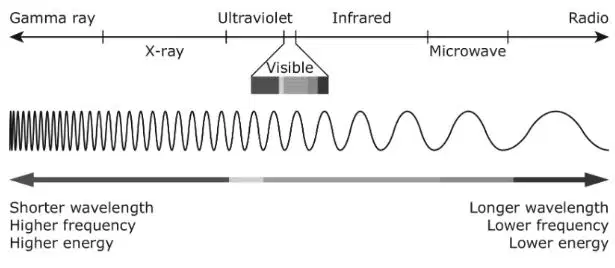
Which electromagnetic wave has the longest waves
radio
visible
ultraviolet
microwave
Which electromagnetic wave is the only one we can see?
Gamma Rays
Ocean
Visible
Infrared

What telescope would you use for wavelengths with a FREQUENCY of 1014 Hz?
Visible
X-Ray
Radio telescope
Gamma Ray
What telescope would you use for wavelengths with a FREQUENCY of 4.68 x 10¹⁸ Hz?
Visible
X-Ray
Radio telescope
Gamma Ray
What telescope would you use for wavelengths with a FREQUENCY of 3.33 x 10⁸ Hz?
Visible
Microwave
Radio telescope
Gamma Ray
What telescope would you use for wavelengths with a FREQUENCY of 1.86 x 10²⁰ Hz?
Visible
Microwave
Radio telescope
Gamma Ray
What EMS wave has a WAVELENGTH of 5.78 x 10⁻¹⁰ meters?
Microwaves
X-Ray waves
Radio waves
Ultraviolet waves
What EMS wave has a WAVELENGTH of 5.78 x 10⁻⁸ meters?
Microwaves
X-Ray waves
Radio waves
Ultraviolet waves
What EMS wave has a WAVELENGTH of 1.14 x 10⁻² meters?
Microwaves
X-Ray waves
Radio waves
Ultraviolet waves
What EMS wave has a WAVELENGTH of 2.28 x 10⁻¹² meters?
Microwaves
X-Ray waves
Gamma Ray waves
Ultraviolet waves


This is the portion of the Electromagnetic spectrum that has the longest wavelength.
Gamma Rays
Visible Light
Microwaves
Radio Waves
The portion of the Electromagnetic Spectrum that has the shortest wavelengths.
Microwaves
Gamma Rays
X-Rays
Infrared
What is the portion of the Electromagnetic Spectrum that we can see and interpret with our eyes?
Infrared Waves
Ultraviolet Waves
Radio Waves
Visible Light
In the Electromagnetic Spectrum, the waves with higher frequencies have __________ energy.
more
less
the same
no relation to
Which type of wave in the Electromagnetic Spectrum is used by doctors to see if you have a broken bone?
Infrared Waves
Gamma Rays
X-rays
Ultraviolet waves
Which type of waves in the Electromagnetic Spectrum are used to send to and from cell phones?
Radio Waves
Microwaves
Infrared Waves
Cellular Waves

Which of the following are not one of the uses of infrared waves?
Thermal imaging
Curing cancer
Remote control
Electrical heater
Which of the following types of electromagnetic radiation has the shortest wavelengths?
Infrared
Ultraviolet
Visible light
Radio waves


where on the electromagnetic spectrum is visible light found?
between infrared rays and UV rays
Between X-rays and gamma rays
between x-rays and UV rays
Between radio waves and microwaves

The electromagnetic waves with the highest frequencies and the shortest wavelength are called
radio waves
gamma rays
x-rays
visible light
what is the main difference between EM waves and other types of waves, such as sound?
EM waves transport matter and energy
EM waves are higher in frequency than all other waves
EM waves can travel without a medium
EM waves require a medium to travel

