wayground logo

Free Printable Worksheets

Font size

S
M
L
XL
Worksheets

8th Science exam

Total questions: 184

Worksheet time: 2hrs 9mins

Name
Class
Date
1.

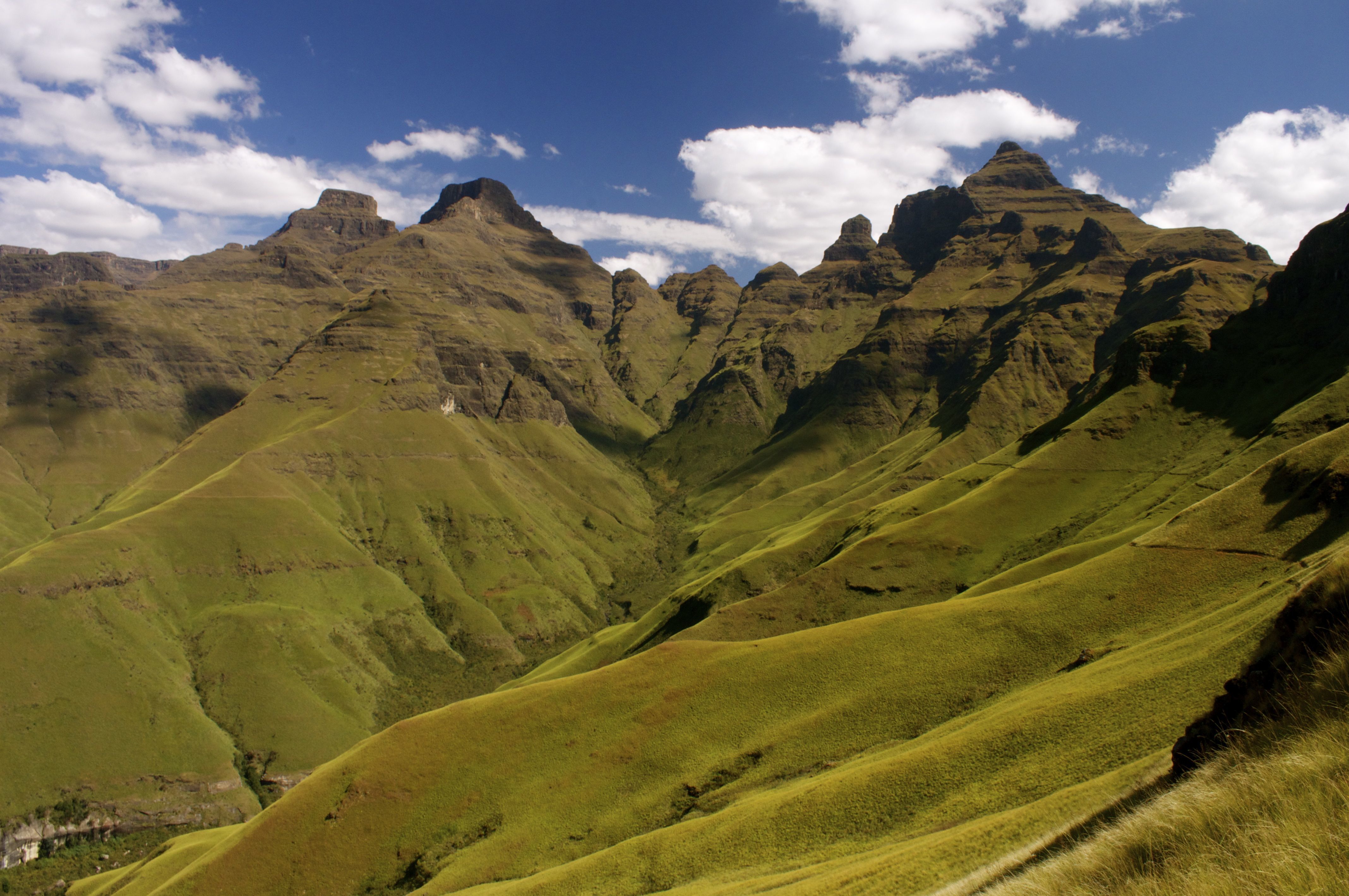
What main sphere is this shown in this picture?

a)

Hydrosphere

b)

Atmosphere

c)

Biosphere

d)

Geosphere

2.

Pick all examples down below that have to do with biosphere.

a)

Ocean

b)

Human

c)

Sunflower

d)

limestone

3.

What does Hydro stand for?

a)

Rock

b)

Air

c)

Water

d)

Living things

4.

What is an example of geosphere?

a)

Creek

b)

clouds

c)

Human

d)

Sand

5.

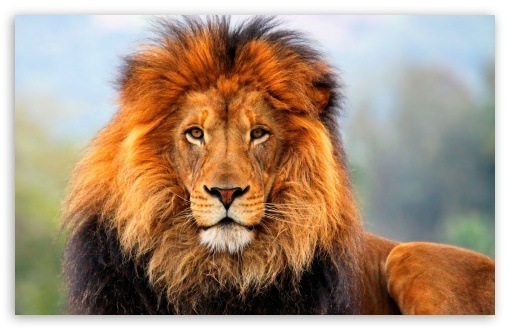
What sphere is mainly represented in this picture?

a)

Hydrosphere

b)

Atmosphere

c)

Biosphere

d)

Geosphere

6.

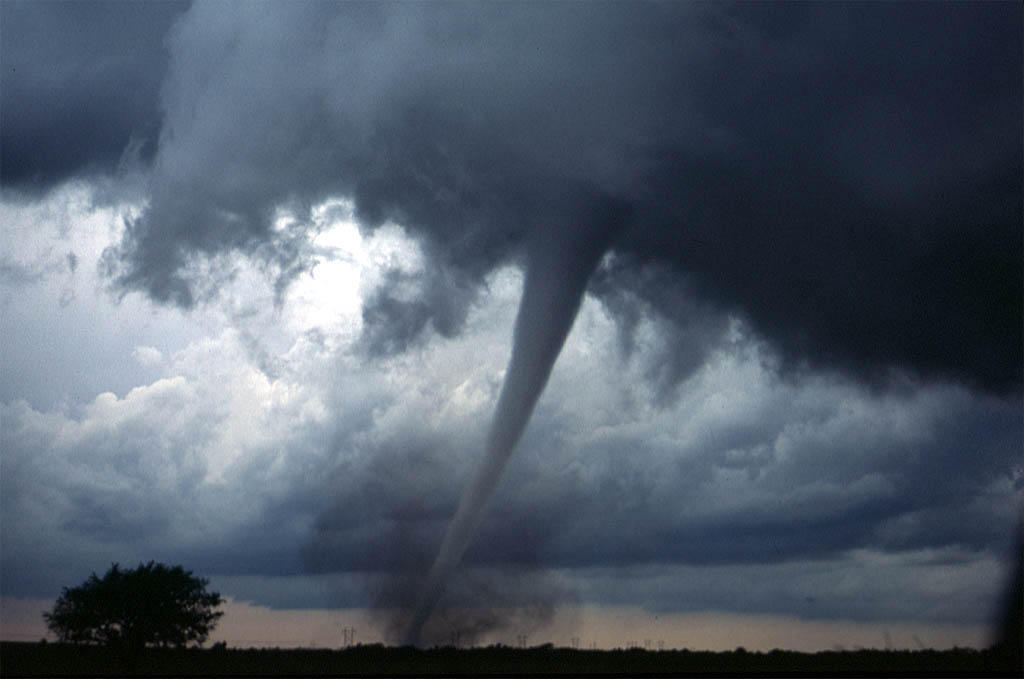
What is the main sphere represented in this picture?

a)

Hydorsphere

b)

Atmosphere

c)

Geosphere

d)

Biosphere

7.

Select all that apply. What are examples of geosphere?

a)

soil

b)

Limestone

c)

oceanfloor

d)

flower

8.
This sphere includes the continents, the ocean floor, all the rocks on the surface, and all of the sand in the deserts. 
a)
Hydrosphere 
b)
Biosphere 
c)
Atmosphere 
d)
Geosphere 
9.
Composed of all the water on or near the earth
a)
Hydrosphere 
b)
Biosphere 
c)
Atmosphere 
d)
Geosphere 
10.
This sphere is composed of all the living things 
a)
Hydrosphere 
b)
Biosphere 
c)
Atmosphere 
d)
Geosphere 
11.
Body of air surrounding our planet. 
a)
Hydrosphere 
b)
Biosphere 
c)
Atmosphere 
d)
Geosphere 
12.
Geo = 
a)
Earth
b)
Sphere
c)
Life
d)
Water
13.
Hydro = 
a)
Sphere
b)
Earth
c)
Life
d)
Water
14.
This is part of the....
a)
Geosphere
b)
Atmosphere
c)
Biosphere
d)
Hydrosphere
15.
This is part of the....
a)
Geosphere
b)
Biosphere
c)
Hydrosphere
d)
Atmosphere
16.

This is part of the....

a)

Geosphere

b)

Atmosphere

c)

Hydrosphere

d)

Biosphere

17.

This is part of the....

a)

Geosphere

b)

Atmosphere

c)

Biosphere

d)

Hydrosphere

18.
When volcanoes erupt, dust and ash particles spread through much of the air blocking the sun.  Which two spheres are interacting? 
a)
Hydrosphere and atmosphere 
b)
Geosphere and atmosphere 
c)
Biosphere and atmosphere 
d)
Atmosphere and atmosphere 
19.
When a plants takes carbon dioxide from the air which two spheres are interacting? 
a)
Biosphere and atmosphere 
b)
Geosphere and atmosphere 
c)
Hydrosphere and atmosphere 
d)
Atmosphere and atmosphere 
20.

How much of the planet is covered by water?

a)

20%

b)

50%

c)

70%

d)

90%

21.

What do we call scientists who study the EARTH?

a)

Archaeologist

b)

Geologist

c)

Biologist

d)

Astronomers

22.

Which of the following is found in the earths Geosphere

a)

Soil

b)

Rocks

c)

Minerals

d)

All of the Above

23.

What is the order of the Earth's interior layers starting from the Earth's surface?

a)

Crust; mantle; inner core; outer core

b)

mantle; crust; inner core; outer

c)

crust; mantle; outer core; inner core

d)

inner core; outer core; mantle; crust

24.

Which crust is thicker, the continental crust (land we stand on) or the oceanic crust (land under the ocean)?

a)

Continental crust

b)

Oceanic crust

25.

The mantle adds up to about ______ % of the Earth's total mass.

a)

67

b)

10

c)

3

d)

90

26.

Which layer of the Earth's interior layers is the largest layer?

a)

Crust

b)

Mantle

c)

Outer core

d)

Inner core

27.

Which layer is made up of super hot LIQUID molten metal?

a)

Crust

b)

Mantle

c)

Outer core

d)

Inner core

28.

The inner core of the Earth is believed to be _____.

a)

Solid

b)

Liquid

c)

Gas

29.

How can geologists know what inside the Earth looks like? [Choose TWO]

a)

Using super big X-ray!

b)

Using seismic waves

c)

Looking at rock samples

d)

Using technology that allows us to go to the center of the Earth

30.

Which seismic wave can travel through liquid?

a)

P wave

b)

S wave

31.

The pressure _______ deeper in the Earth's interior.

a)

Increases

b)

Decreases

c)

Stays the same

32.

"Inorganic" means the things that are

a)

alive and once alive

b)

not alive

c)

happy

d)

sad

33.

What does "crystallize" mean?

a)

Rocks melting

b)

Rocks forming

c)

Rocks breaking

d)

Rocks crying

34.

Which is NOT how minerals can form?

a)

From solutions crystallizing

b)

From magma cooling

c)

From rocks melting

d)

From lava cooling

35.
The coldest layer.
a)
troposphere
b)
thermosphere
c)
exosphere
d)
mesosphere
36.
The hottest layer.
a)
troposphere
b)
thermosphere
c)
exosphere
d)
mesosphere
37.
The most common gas in the atmosphere.
a)
Nitrogen
b)
Oxygen
c)
Carbon Dioxide
d)
Trace gases
38.
What enables atmosphere of earth to stay in place?
a)
gravity
b)
air pressure
c)
types of air molecules
d)
clouds
39.
What happens to the density (thickness)/ air pressure of the air as you increase in altitude?
a)
density increases
b)
density decreases
c)
density stays the same
d)
density disappears
40.
The layers of the atmosphere are separated according to this change. 
a)
Altitude 
b)
Elevation
c)
Temperature
d)
Distance from the sun
41.

78% of the Earth's atmosphere is ___________ and 21% of the Earth's atmosphere is _____________.

a)

Oxygen, Nitrogen

b)

Nitrogen, Oxygen

c)

Nitrogen, Carbon Dioxide

d)

Oxygen, Carbon Dioxide

42.

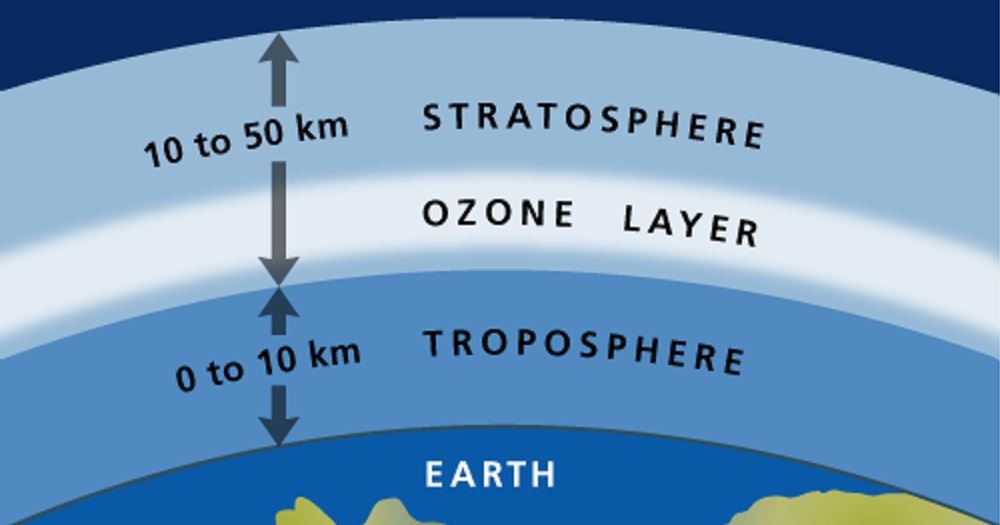
What is the order of the layers of the atmosphere, starting with the layer closest to Earth's surface?

a)

Stratosphere, Troposphere, Exosphere, Mesosphere, Thermosphere

b)

Troposphere, Stratosphere, Mesosphere, Thermosphere, Exosphere

c)

Troposphere, Stratosphere, Mesosphere, Exosphere, Thermosphere

d)

Troposphere, Stratosphere, Thermosphere, Exosphere, Mesosphere
43.
Where would you find the ozone layer?
a)
stratosphere
b)
thermosphere
c)
exosphere
d)
mesosphere
44.
In which layer of the atmosphere does weather occur?
a)
Mesosphere
b)
Thermosphere
c)
Stratosphere
d)
Troposphere
45.
Where do we live?
a)
stratosphere
b)
thermosphere
c)
troposphere
d)
mesosphere
46.
The hottest layer of the atmosphere is the ________________.
a)
troposphere
b)
thermosphere
c)
exosphere
d)
mesosphere
47.
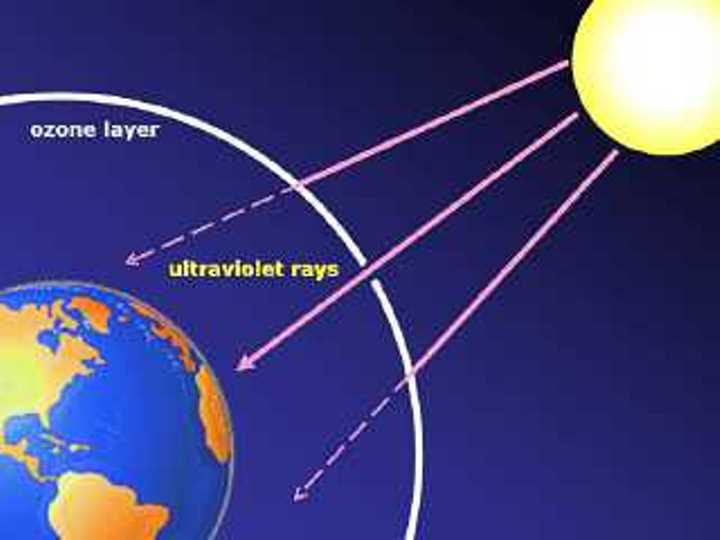
The function of the ozone layer is to _________________________. 
a)
allow UV rays to get to Earth
b)
block UV rays from getting to Earth
c)
keep oxygen in
d)
allow meteors to get to Earth
48.
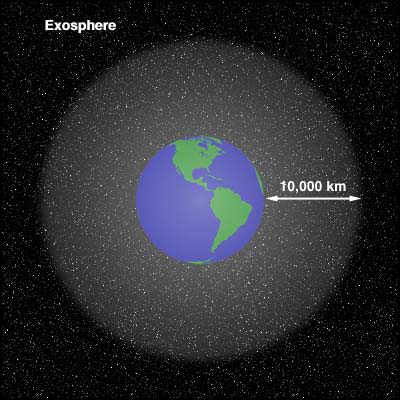
Which layer is the outermost layer?
a)
troposphere
b)
thermosphere
c)
exosphere
d)
mesosphere
49.

Identify this diagram

a)

The ozone layer

b)

The greenhouse effect

c)

The troposphere

50.

How do scientists discover what Earth's interior is like?

a)

By digging deep holes

b)

By using indirect methods

c)

By observing the surface

d)

By using telescopes

51.

What is the deepest type of mine mentioned in the text?

a)

Coal mine

b)

Diamond mine

c)

Gold mine

d)

Silver mine

52.

How deep is the deepest mine mentioned in the text?

a)

More than 1 Km

b)

More than 2 Km

c)

More than 3 Km

d)

More than 4 Km

53.

Why have people gone into the mine in South Africa?

a)

To find gold

b)

To explore the geosphere

c)

To search for water

d)

To study wildlife

54.

What is the depth of the deepest drilled well on the Kola Peninsula?

a)

8 Km

b)

10 Km

c)

12 Km

d)

15 Km

55.

How do drilled wells compare to mines in terms of depth?

a)

Shallower than mines

b)

Deeper than mines

c)

Same depth as mines

d)

Not related to mines

56.

What is the definition of "observation"?

a)

The act of viewing or noting a fact for a special purpose

b)

The process of making a guess

c)

The act of creating a hypothesis

d)

The process of conducting an experiment

57.

What do earthquake waves release energy in the form of?

a)

2 wave types

b)

3 wave types

c)

4 wave types

d)

5 wave types

58.

What have scientists learned from studying mines and wells?

a)

The temperature inside the earth

b)

The color of the earth's core

c)

The speed of tectonic plates

d)

The age of the earth

59.

What effect does the pressure from the weight of overlying rocks have on the rocks beneath?

a)

It makes the rocks more dense

b)

It makes the rocks lighter

c)

It makes the rocks expand

d)

It makes the rocks evaporate

60.

What have scientists inferred from earthquake waves?

a)

The density and composition of the Earth's interior

b)

The color of the Earth's surface

c)

The temperature of the ocean

d)

The speed of wind currents

61.

What affects waves as they pass through the Earth?

a)

The color of the material

b)

The temperature of the material

c)

The material they pass through

d)

The size of the Earth

62.

Which of the following is the outermost layer of the Earth?

a)

Crust

b)

Mantle

c)

Core

d)

Atmosphere

63.

What is the layer of the Earth located between the crust and the core?

a)

Crust

b)

Mantle

c)

Core

d)

Lithosphere

64.

Which layer of the Earth is primarily composed of iron and nickel?

a)

Crust

b)

Mantle

c)

Core

d)

Lithosphere

65.

What is the outermost layer of the Earth called?

a)

Mantle

b)

Core

c)

Crust

d)

Atmosphere

66.

Which layer of the Earth is the thinnest?

a)

Mantle

b)

Core

c)

Crust

d)

Inner Core

67.

Which layer of the geosphere is the least dense?

a)

Mantle

b)

Core

c)

Crust

d)

Outer Core

68.

Where is the oceanic crust located?

a)

On the land

b)

Under the ocean

c)

In the atmosphere

d)

In the mountains

69.

What type of rock is found in the oceanic crust?

a)

Light rock

b)

Dense rock

c)

Sandy rock

d)

Porous rock

70.

What type of crust is described as being on the land?

a)

Oceanic crust

b)

Continental crust

c)

Mantle crust

d)

Core crust

71.

Where is the thickest crust located according to the text?

a)

Under the ocean

b)

Under the mountains

c)

Under the desert

d)

Under the forest

72.
What is the difference between the lithosphere and asthenosphere that makes up the mantle?
a)
The lithosphere is ismade of dense solid meal whle the asthenosphere is made of liquid molten metal
b)
The lithosphere is a mixture of gasses while the asthenosphere is made of solid rock
c)
The lithosphere is molten rock that moves while the asthenosphere is ridid and thin
d)
The lithosphere is made of solid rock while the asthenosphere is more flexible hot rock that moves.
73.

Why can’t we send equipment deep down to learn more about the interior of Earth

a)

The equipment is too small

b)

It would take too long to get all the way down to the center

c)

The temperature and pressure would crush and destroy the equipment

d)

There is nothing in the center of the Earth to investigate

74.
What is the core made of?
a)
steel
b)
iron 
c)
aluminum
d)
iron and nickel
75.

What increases as your depth increases?

a)

Temperature

b)

Humidity

c)

Pressure

d)

Density

76.

What two types of earth crust are there?

a)

Tectonic crust and seismic crust

b)

Mantle crust and core crust

c)

Continental crust and oceanic crust

d)

Volcanic crust and sedimentary crust

77.

The _______ core is made of melted metal.

a)

inner

b)

outer

78.

The ________ core is like a solid metal ball.

a)

inner

b)

outer

79.

In what layer of Earth does continental plate movement occur?

a)

atmosphere

b)

core

c)

lithosphere

d)

mantle

80.

Suppose scientists were able to drill straight through the bottom of oceanic crust. What would they most likely hit?

a)

continental crust

b)

ocean water

c)

outer core

d)

mantle

81.

All of Earth's plates were once together. This is known as ___.

a)

plate tectonics

b)

continental drift

c)

ice age

d)

Pangea

82.

The Earth's crust is made of...

a)

volcanoes

b)

rocks

c)

caves

d)

geysers

83.

Which of the following does NOT determine the amount of gravity on a planet?

a)

mass

b)

size

c)

friction

84.

Your mass will be different on other planets.

a)

True

b)

False

85.

Your weight will be different on other planets.

a)

True

b)

False

86.

The amount of force pushing down on an object due to gravity...

a)

weight

b)

mass

c)

volume

d)

density

87.

The amount of space a 3D object takes up...

a)

weight

b)

mass

c)

volume

d)

density

88.

The amount of matter an object has...

a)

mass

b)

weight

c)

volume

d)

density

89.

Weight and mass are the same thing.

a)

True

b)

False

90.

Your weight is the pull of gravity on your body. Suppose you step on a bathroom scale on the Moon. How would your weight on the Moon compare to your weight on Earth?

a)

Greater on the Moon

b)

Less on the Moon

c)

Same on Earth and the Moon

91.

displacement

a)

a procedure used to measure volume of a solid object by placing it in a known amount of liquid

b)

measures how much matter is present in a substance

c)

a metric unit of measurement used to measure small volumes of liquid

92.

What does cooler, denser material do?

a)

float

b)

sink

c)

nothing

93.

Do all objects have the same density?

a)

yes

b)

no

94.

Do all objects have the same density?

a)

yes

b)

no

95.

What does cooler, denser material do?

a)

float

b)

sink

c)

nothing

96.

The geosphere includes all but

a)

rocks

b)

mountains

c)

plants

97.

The atmosphere includes

a)

rocks

b)

air

98.

Geo =

a)

Earth

b)

Sphere

99.

Hydro =

a)

Sphere

b)

Earth

c)

Water

100.

Bio =

a)

Science

b)

Math

c)

Life

101.

The Geosphere is...

a)

All liquid water on Earth

b)

A 100km thick layer of gases

c)

Earths entire solid body

102.

All living things on earth are part of the....

a)

Biosphere

b)

Geosphere

103.
How do the geosphere and the hydrosphere interact? 
a)
The geosphere stores parts of the hydrosphere.
b)
The geosphere erodes (shapes) the hydrosphere.
c)
The hydrosphere stores parts of the geosphere.
104.
How does the water cycle show how the hydrosphere and the atmosphere interact?
a)
Plants soak up water from the ground. 
b)
Air evaporates to form water clouds.
c)
Water filters through the soil into the ground water.
d)
Heat and wind causes water in the pond to evaporate into thin air.
105.

Which gas in our atmosphere is most abundant? (most)

a)

Nitrogen

b)

Carbon Dioxide

c)

Oxygen

d)

Helium

106.

Which layer of the Atmosphere contains most of the air we breathe?

a)

Stratosphere

b)

Atmosphere

c)

Troposphere

d)

Exosphere

107.
Which two spheres both contain water?
a)
cryosphere and hydrosphere
b)
cryosphere and geosphere
c)
hydrosphere and geosphere
d)
atmosphere and geosphere
108.
Fire would most affect the
a)
geosphere
b)
atmosphere
c)
cryosphere
d)
hydroshpere
109.
All of the following are examples of the biosphere except
a)
plants
b)
animals
c)
bacteria
d)
air
110.
The biosphere includes
a)
living things
b)
rocks
c)
ice
d)
boiling water
111.
The hydrosphere includes
a)
water
b)
ice
c)
dogs
d)
lava
112.
The geosphere includes all but
a)
rocks
b)
mountains
c)
lava
d)
plants
113.
The atmosphere includes
a)
rocks
b)
air
c)
plants
d)
atoms
114.
The cryosphere includes all but
a)
ice
b)
snow
c)
liquid water
d)
permafrost
115.

Explain precipitation

4 lines
116.

The biosphere interacts with the hydrosphere, geosphere, and atmosphere

a)

True

b)

False

117.

What sphere are we part of

a)

geosphere

b)

atmosphere

c)

hydrosphere

d)

biosphere

118.

Transpiration is the process that plants release ________ through their leaves

a)

precipitation

b)

condensation

c)

evaporation

d)

water vapor

119.
Name
4 lines
120.
All planets have the same shape, which is called a --
a)
sphere
b)
center
c)
mass
d)
disk
e)
rock
121.
Gravity pulls all objects toward Earth's ---
a)
center
b)
mass
c)
disk
d)
rock
e)
distance
122.
Scientists can get views of Earth using -- and other technology
a)
satellite
b)
center
c)
mass
d)
disk
e)
rock
123.
The strength of the gravitational pull between two objects is affected by __ and ___ (check both answers)
a)
mass
b)
distance
c)
center
d)
disk
e)
rock
124.
Includes soil, sediments and rocks
a)
geosphere
b)
hydrosphere
c)
density
d)
sphere
e)
biosphere
125.
A mixture of many gases
a)
atmosphere
b)
hydrosphere
c)
geosphere
d)
density
e)
sphere
126.
General shape of the Earth
a)
sphere
b)
hydrosphere
c)
geosphere
d)
density
e)
biosphere
127.
You are part of this
a)
biosphere
b)
hydrosphere
c)
geosphere
d)
density
e)
sphere
128.
All of the water on Earth
a)
hydrosphere
b)
geosphere
c)
density
d)
sphere
e)
biosphere
129.
The force that holds you on earth
a)
gravity
b)
hydrosphere
c)
geosphere
d)
density
e)
sphere
130.
Check all that are part of the geosphere:
a)
rocks
b)
sediments
c)
soil
d)
animals
e)
lakes
131.
Check all that are part of the atmosphere:
a)
carbon dioxide
b)
nitrogen gas
c)
clouds
d)
oxygen gas
e)
animals
132.
Check all that are part of the biosphere:
a)
animals
b)
plants
c)
lakes
d)
carbon dioxide
e)
nitrogen gas
133.
Check all that are part of the hydrosphere:
a)
lakes
b)
clouds
c)
oceans
d)
glaciers
e)
animals
134.

Which of the following does NOT determine the amount of gravity on a planet?

a)

mass

b)

size

c)

friction

135.

Your mass will be different on other planets.

a)

True

b)

False

136.

Your weight will be different on other planets.

a)

True

b)

False

137.

The amount of force pushing down on an object due to gravity...

a)

weight

b)

mass

c)

volume

d)

density

138.

The amount of space a 3D object takes up...

a)

weight

b)

mass

c)

volume

d)

density

139.

The amount of matter an object has...

a)

mass

b)

weight

c)

volume

d)

density

140.

Weight and mass are the same thing.

a)

True

b)

False

141.

Your weight is the pull of gravity on your body. Suppose you step on a bathroom scale on the Moon. How would your weight on the Moon compare to your weight on Earth?

a)

Greater on the Moon

b)

Less on the Moon

c)

Same on Earth and the Moon

142.

displacement

a)

a procedure used to measure volume of a solid object by placing it in a known amount of liquid

b)

measures how much matter is present in a substance

c)

a metric unit of measurement used to measure small volumes of liquid

143.

What does cooler, denser material do?

a)

float

b)

sink

c)

nothing

144.

Do all objects have the same density?

a)

yes

b)

no

145.

Do all objects have the same density?

a)

yes

b)

no

146.

What does cooler, denser material do?

a)

float

b)

sink

c)

nothing

147.

The geosphere includes all but

a)

rocks

b)

mountains

c)

plants

148.

The atmosphere includes

a)

rocks

b)

air

149.

Geo =

a)

Earth

b)

Sphere

150.

Hydro =

a)

Sphere

b)

Earth

c)

Water

151.

Bio =

a)

Science

b)

Math

c)

Life

152.

The Geosphere is...

a)

All liquid water on Earth

b)

A 100km thick layer of gases

c)

Earths entire solid body

153.

All living things on earth are part of the....

a)

Biosphere

b)

Geosphere

154.
How do the geosphere and the hydrosphere interact? 
a)
The geosphere stores parts of the hydrosphere.
b)
The geosphere erodes (shapes) the hydrosphere.
c)
The hydrosphere stores parts of the geosphere.
155.
How does the water cycle show how the hydrosphere and the atmosphere interact?
a)
Plants soak up water from the ground. 
b)
Air evaporates to form water clouds.
c)
Water filters through the soil into the ground water.
d)
Heat and wind causes water in the pond to evaporate into thin air.
156.

Which gas in our atmosphere is most abundant? (most)

a)

Nitrogen

b)

Carbon Dioxide

c)

Oxygen

d)

Helium

157.

Which layer of the Atmosphere contains most of the air we breathe?

a)

Stratosphere

b)

Atmosphere

c)

Troposphere

d)

Exosphere

158.
Which two spheres both contain water?
a)
cryosphere and hydrosphere
b)
cryosphere and geosphere
c)
hydrosphere and geosphere
d)
atmosphere and geosphere
159.
Fire would most affect the
a)
geosphere
b)
atmosphere
c)
cryosphere
d)
hydroshpere
160.
All of the following are examples of the biosphere except
a)
plants
b)
animals
c)
bacteria
d)
air
161.
The biosphere includes
a)
living things
b)
rocks
c)
ice
d)
boiling water
162.
The hydrosphere includes
a)
water
b)
ice
c)
dogs
d)
lava
163.
The geosphere includes all but
a)
rocks
b)
mountains
c)
lava
d)
plants
164.
The atmosphere includes
a)
rocks
b)
air
c)
plants
d)
atoms
165.
The cryosphere includes all but
a)
ice
b)
snow
c)
liquid water
d)
permafrost
166.

Explain precipitation

4 lines
167.

The biosphere interacts with the hydrosphere, geosphere, and atmosphere

a)

True

b)

False

168.

What sphere are we part of

a)

geosphere

b)

atmosphere

c)

hydrosphere

d)

biosphere

169.

Transpiration is the process that plants release ________ through their leaves

a)

precipitation

b)

condensation

c)

evaporation

d)

water vapor

170.
Name
4 lines
171.
All planets have the same shape, which is called a --
a)
sphere
b)
center
c)
mass
d)
disk
e)
rock
172.
Gravity pulls all objects toward Earth's ---
a)
center
b)
mass
c)
disk
d)
rock
e)
distance
173.
Scientists can get views of Earth using -- and other technology
a)
satellite
b)
center
c)
mass
d)
disk
e)
rock
174.
The strength of the gravitational pull between two objects is affected by __ and ___ (check both answers)
a)
mass
b)
distance
c)
center
d)
disk
e)
rock
175.
Includes soil, sediments and rocks
a)
geosphere
b)
hydrosphere
c)
density
d)
sphere
e)
biosphere
176.
A mixture of many gases
a)
atmosphere
b)
hydrosphere
c)
geosphere
d)
density
e)
sphere
177.
General shape of the Earth
a)
sphere
b)
hydrosphere
c)
geosphere
d)
density
e)
biosphere
178.
You are part of this
a)
biosphere
b)
hydrosphere
c)
geosphere
d)
density
e)
sphere
179.
All of the water on Earth
a)
hydrosphere
b)
geosphere
c)
density
d)
sphere
e)
biosphere
180.
The force that holds you on earth
a)
gravity
b)
hydrosphere
c)
geosphere
d)
density
e)
sphere
181.
Check all that are part of the geosphere:
a)
rocks
b)
sediments
c)
soil
d)
animals
e)
lakes
182.
Check all that are part of the atmosphere:
a)
carbon dioxide
b)
nitrogen gas
c)
clouds
d)
oxygen gas
e)
animals
183.
Check all that are part of the biosphere:
a)
animals
b)
plants
c)
lakes
d)
carbon dioxide
e)
nitrogen gas
184.
Check all that are part of the hydrosphere:
a)
lakes
b)
clouds
c)
oceans
d)
glaciers
e)
animals