
 Worksheets
Unit 2: Quizizz Review
Total questions: 72
Worksheet time: 40mins
Proteins are made out of
Amino acids
Glucose
Fatty acid
Starches
______ form when two or more different elements combine chemically
compounds
elements
atoms
periodic tables
Which of the following chemical formulas represents a compound?
C
O2
CH3CHO
H2
Carbon is considered an element while carbon dioxide is considered a compound. This is because carbon dioxide is –
a gas at room temperature.
made of two or more different elements.
given off by green plants.
What is the term for combining 2 or more SAME or DIFFERENT elements together?
atoms
elements
molecules
compounds
The new substances that are made after a chemical equation are the
Products
Reactants
Starters
Enders
In a chemical reaction, ________________________ are changed into _______________________.
Reactants; Products
Electrons; Molecules/Compounds
Coefficients; Subscripts
Original Elements; New Elements
store genetic information (instructions to make proteins)
Starch is...
nucleic acid
a carbohydrate
a protein
a lipid
Water is necessary to...
give cells/systems energy.
build cell parts.
give cells/systems long term energy storage.
help cells with chemical processes.
Which of the following is an example of COHESION?
water sticking to water
water sticking to glass
oil sticking to plastic
hydrogen sticking to oxygen
Which of the following is the CORRECT list of water's properties?
Read Carefully!
adhesion, cohesion, high specific heat, universal solvent
adhesion, cohesion, low specific heat, universal solvent
adhesion, no cohesion, low specific heat, universal solute
no adhesion, cohesion, high specific heat, universal solute
Water sticks well to many materials. What term relates to this property of water?
cohesion
adhesion
density
surface tension


A consumer that eats both plants and animals
herbivore
carnivore
omnivore

An organism that eats only plants
omnivore
carnivore
herbivore
detriovore
Which of the following refers to a community of living organisms and the way they interact with nonliving parts of their environment?
trophic
biome
habitat
ecosystem

Barnacles are animals that cannot move. In order to get food, they attach to whales and catch any floating plankton in the water. The whale is neither helped nor harmed in the interaction. What type of symbiosis is this?
Mutualism
Commensalism
Parasitism
Neutralism

In the wild, some alligators gets their teeth cleaned by birds. The birds gets their food from the alligators' teeth.
What type of symbiosis is this?
Mutualism
Commensalism
Parasitism
Neutralism

A tick and a dog have this type of relationship. One benefits and one is harmed.

A relationship that occurs when two or more organisms of the same species need the same resource at the same time.

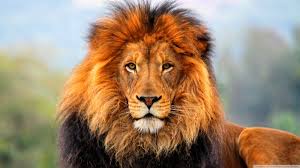
A lion chases, catches, kills and eats a zebra.
What is the LION?
producer
prey
predator

A cheetah catches, kills and eats a gazelle.
What is the GAZELLE?
decomposer
predator
prey
parasite

The main source of energy for all living things:
moonlight
nuclear
sunlight
producers
Sunlight provides what type of energy?
chemical energy
thermal energy
radiant energy
The reactants to photosynthesis are...
glucose and oxygen
sunlight, carbon dioxide and water
The products of photosynthesis are...
glucose and oxygen
carbon dioxide and water
The process of photosynthesis transforms _______ energy to _______ energy
radiant : thermal
thermal : chemical
radiant : chemical
chemical : radiant
Glucose is a type of _______________.
Dairy Product
Protein
Salt
Sugar
What is photosynthesis?
The process in which humans eat their food
When a photographer takes a photo.
The process in which plants make their food.
To get your pictures from the photo lab.

What are pollutants?
Harmful materials introduced into the environment
Natural resources like water and air
It is a material produced naturally or artificially that harms the environment.
agent
pollutant
trash
toxic chemical
Which of the following processes removes (takes out) CO2 from the atmosphere.
burning fossil fuels
photosynthesis
cellular respiration
decomposition
Organisms return (give off) carbon to the atmosphere through which process?
decomposition
photosynthesis
cellular respiration
atmosphere


What are the levels of ecology from smallest to the largest?
organism, population, community, ecosystem, biosphere
organism, community, population, ecosystem, biosphere
individual, population, community, ecosystem, exosphere.
individual, community, population, ecosystem, exosphere


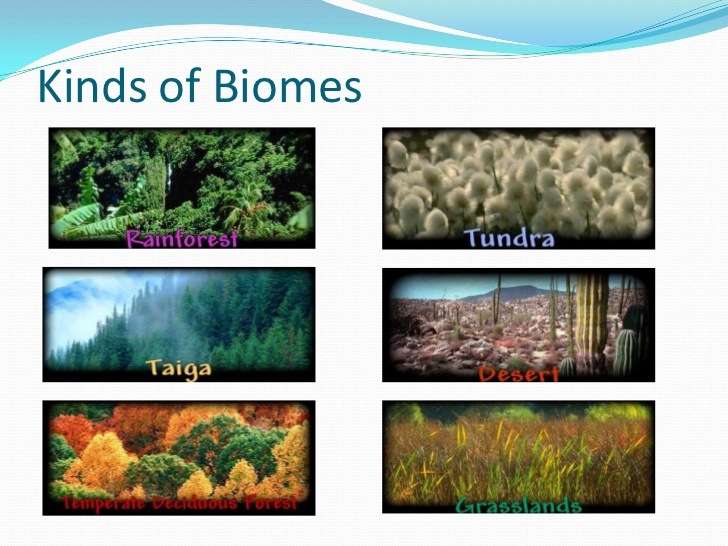
Which biome is the driest? It receives less than 10 inches of rain a year.
desert
grassland
deciduous forest
tropical rain forest

In which biome would you find permafrost? This is the layer of soil that is frozen all the time.
coniferous forest (taiga)
desert
tundra
grassland

Which biome has the greatest amount of biodiversity? (the most different kinds of organisms)
tundra
grassland
desert
tropical rain forest

Which biome has trees that lose their leaves in the fall and regrow them in the spring?
deciduous forest
coniferous forest (taiga)
tropical rain forest
desert

Which biome has conifer trees or evergreens? These trees have needles that are coated in a waxy substance and drop cones.
deciduous forest
desert
coniferous forest (taiga)
tropical rain forest
Which biome is found around the equator where it is warm all year long?
tundra
tropical rain forest
grassland
coniferous forest (taiga)


Without the greenhouse effect, Earth's atmosphere would be __________ to support life.
too hot
too wet
too dry
too cold
What is the definition of climate?
The condition of the air around the Earth
The rainforest
The pattern of weather over time
How hot it is in a certain place


