
 Worksheets
Health 3.1 Quiz
Total questions: 20
Worksheet time: 20mins
David is learning about nutrition in his health class. He wants to know, what are the energy yielding nutrients?
Sugar, Protein, Saturated Fats
Carbohydrates, Minerals, Water
Carbohydrates, Protein, Fats
Carbohydrates, Protein, Vitamins
Zoe is studying nutrition and wants to know: What are the non-energy yielding nutrients?
Carbohydrates, Protein, Fats
Vitamins, Minerals, Water
Macronutrients
Protein, Minerals, Vitamins
Grace is learning about nutrients in her biology class. She wants to know which nutrient is responsible for the growth and repair of body tissue like bone and muscle.
Carbohydrate
Protein
Fat
Vitamin
This type of carbohydrate is the tough, stringy, undigestible part of plants that helps clean and move waste through the digestive system. An example would be celery.
Sugar
Complete
Starch
Fiber
During a health class, Jordan learned about a nutrient that insulates and pads our bodies as well as stores vitamins. Which nutrient is it?
Carbohydrates
Protein
Fat
Gylocogen
During a biology class, Aria learned that this nutrient is the body's preferred source of energy and is defined as starches and sugars found in food. Examples of the types of food would include bread and pasta. What is it?
Carbohydrates
Protein
Fats
Glycogen
During a health class, Sophia learned that these nutrients are required in very small amounts, and are categorized into either fat soluble or water soluble.
Minerals
Vitamins
Protein
Fiber
These nutrients are found in rocks and soil, and are found in small amounts in the body. They are categorized into major and trace types! They are inorganic.
Vitamins
Minerals
Amino Acids
Agates
These are small units that bind together to make protein. (More than 20 of them!)
Glycogen
Minerals
Calories
Amino Acids
Olivia is learning about different types of fats in her nutrition class. She discovers that fats from animals are considered to be harmful if eaten consistently. Which type of fat is she learning about?
Polyunsaturated
Saturated
Monounsaturated
Unsaturated
These fats are found in plants and are considered "healthy?"
Saturated
Unsaturated
Cholesterol
Legumes
Maya is learning about different types of fats in her nutrition class. She discovers that the type of fat made by adding hydrogen, which is very harmful, is called a ......
Trans Fat
Polyunsaturated Fat
Saturated Fat
Cholesterol

Nutrients
Simple or complex nutrient that supplies energy
Nutrient that occurs naturally in rocks or soil
Intense physical activity that lasts for a few seconds to a few minutes.
Needed by the body to regulate bodily function and obtain energy
The body uses this to carry nutrients and waste. It also helps joints move smoothly.
Fat
Water
Minerals
Vitamin
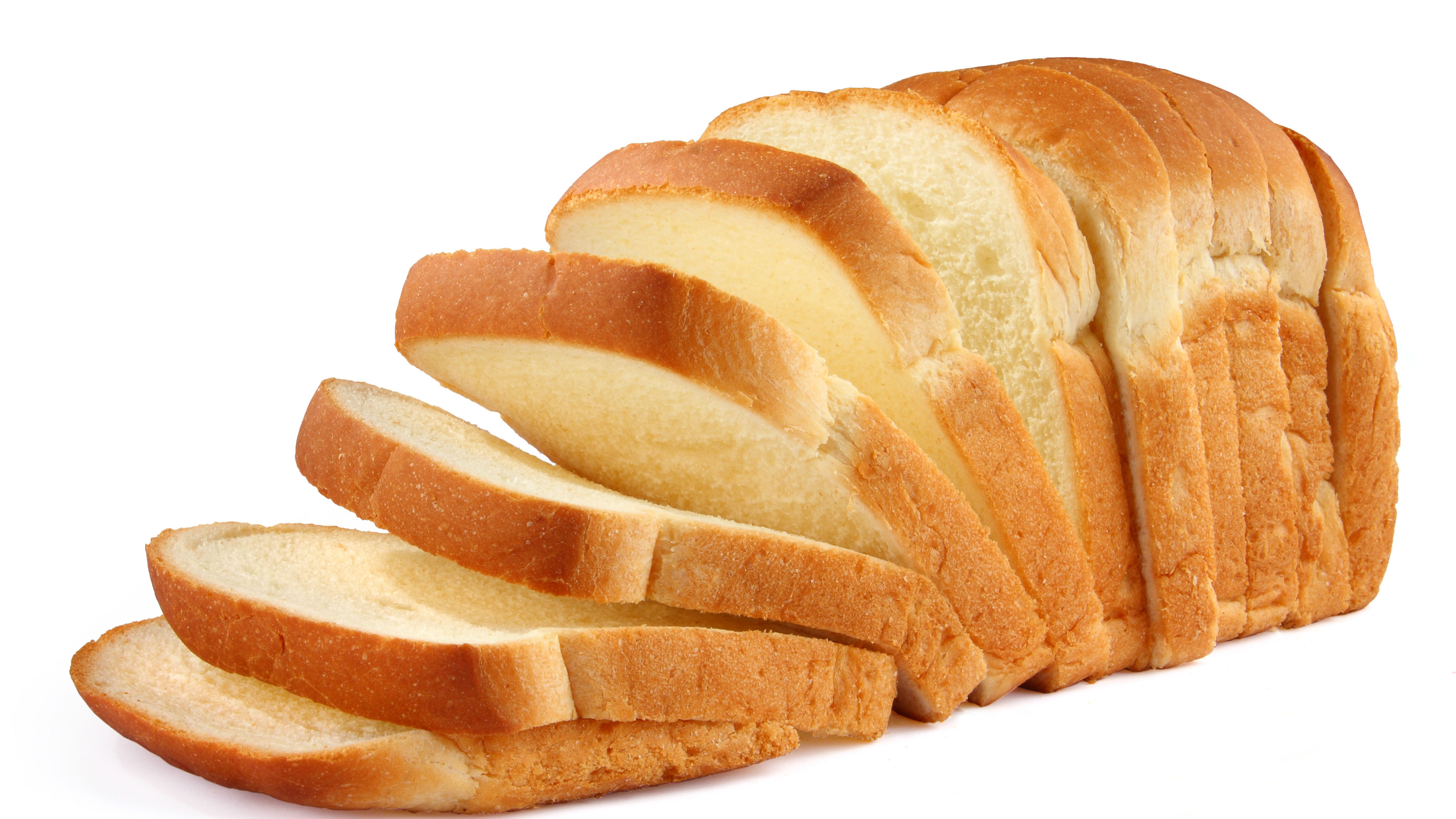
Bread is a great source of which energy nutrient?
Carbohydrates
Fats
Proteins
All of the above
Which one of the following is a protein source?
Banana
Beans
Bagels
Breakfast Bar
Liam forgot to drink water during his soccer practice. When you don't drink enough water you can become:
silly
hyper
intoxicated
dehydrated
This nutrient makes up 75% of your body:
water
vitamin A
carbohydrates
protein
WHAT ARE THE 6 NUTRIENTS?
Carbs, Meats, Fibers, Water, Protein, and Dairy
Fruits, Milk, Fibers, Water, Pork, and Vitamins
Carbs, Fats, Fibers, Water, Protein, and Vitamins
Carbs, Fats, Fibers, Cheese, Protein, and Vegtables
How many glasses of water should you drink a day?
1
6-8

