
 Worksheets
Unit 2 - Seasons
Total questions: 161
Worksheet time: 2hrs 12mins
In Australia, which day falls closest to January 1?
The vernal (spring) equinox
The autumnal (fall) equinox
The summer solstice
The winter solstice
Why is summer warmer than winter?
The hemisphere experiencing summer is tilted more directly toward the sun.
During summer, the entire planet is closer to the sun.
The sun radiates more energy during summer.
Earth spins slower on its axis during summer.
On June 21, which area is experiencing the longest day?
Unlike the north and south poles, where the length of each day changes drastically throughout the year, the length of each day at the equator is (a)
What happens after the vernal (spring) equinox?
The days get longer
The days get shorter
The days stay the same length
The Earth moves closer to the sun
Match each date with the corresponding event in the Northern hemisphere.
Winter solstice
December 21
Autumnal (fall) equinox
September 21
Summer solstice
June 21
Vernal (spring) equinox
March 21
Group the labels according to the type of event they describe.
Sun's path "stands still"
12 hours of daylight
Mildest average temperatures
Marks change of season
Occurs twice a year
Hottest or coldest average temperatures
Place the locations in order from least to most daylight hours on January 1.
North Pole
Alaska
Mexico
Australia
South Pole
Which of the following causes the seasons to change?
Earth's distance from the sun
The warming and cooling of Earth's core
Earth's tilt in relation to the sun
Earth's rotation on its axis
When people in the Northern hemisphere are experiencing spring, people in the Southern hemisphere are experiencing (a) .
Why does the area around the equator stay roughly the same temperature year-round?
It remains the same distance from the sun year-round
It receives the same amount of direct sunlight year-round
Its days are more than 18 hours long year-round
The equator spins more slowly than the poles
Cities in the Northern hemisphere will receive the most daylight on (a) 21st.
Group the descriptions according to the season they describe.
Hemisphere tilted towards the sun
Earth's axis tilted 23.5 degrees
Shorter days
Ends on autumnal equinox
Ends on vernal equinox
Which two statements best explain how winters in the Northern hemisphere are different from winters in the Southern hemisphere?
Northern hemisphere winters are shorter and more intense
Northern hemisphere winters are warmer and rainier
Northern hemisphere winters begin in December
Northern hemisphere winters end in June
Northern hemisphere winters end in March
What would happen if Earth's axis had no tilt?
Seasons would each last 6 months
Seasons would not exist
Temperatures would rise overall
It would be summer year-round
Why are summer days in Tennessee warmer than winter days in Tennessee?
Sunlight strikes the Northern hemisphere more directly during summer.
Sunlight strikes the Northern hemisphere more indirectly during summer.
Tennessee is closer to the equator during the summer months.
Summer days are before the summer solstice.
Why do the Northern and Southern hemisphere have opposite seasons?
One's on top of our planet and the other on the bottom.
One is below the tropics.
Earth wobbles on its axis.
When one is angled toward the sun, the other is angled away.
Match each hypothetical change with its most likely effect on the seasons.
Increase Earth's tilt
More extreme seasons
Speed up Earth's orbit around the sun
Shorter seasons
Decrease Earth's tilt
Less extreme seasons
Slow down Earth's orbit around the sun
Longer seasons
Move Earth farther from the sun
Cooler average temperatures
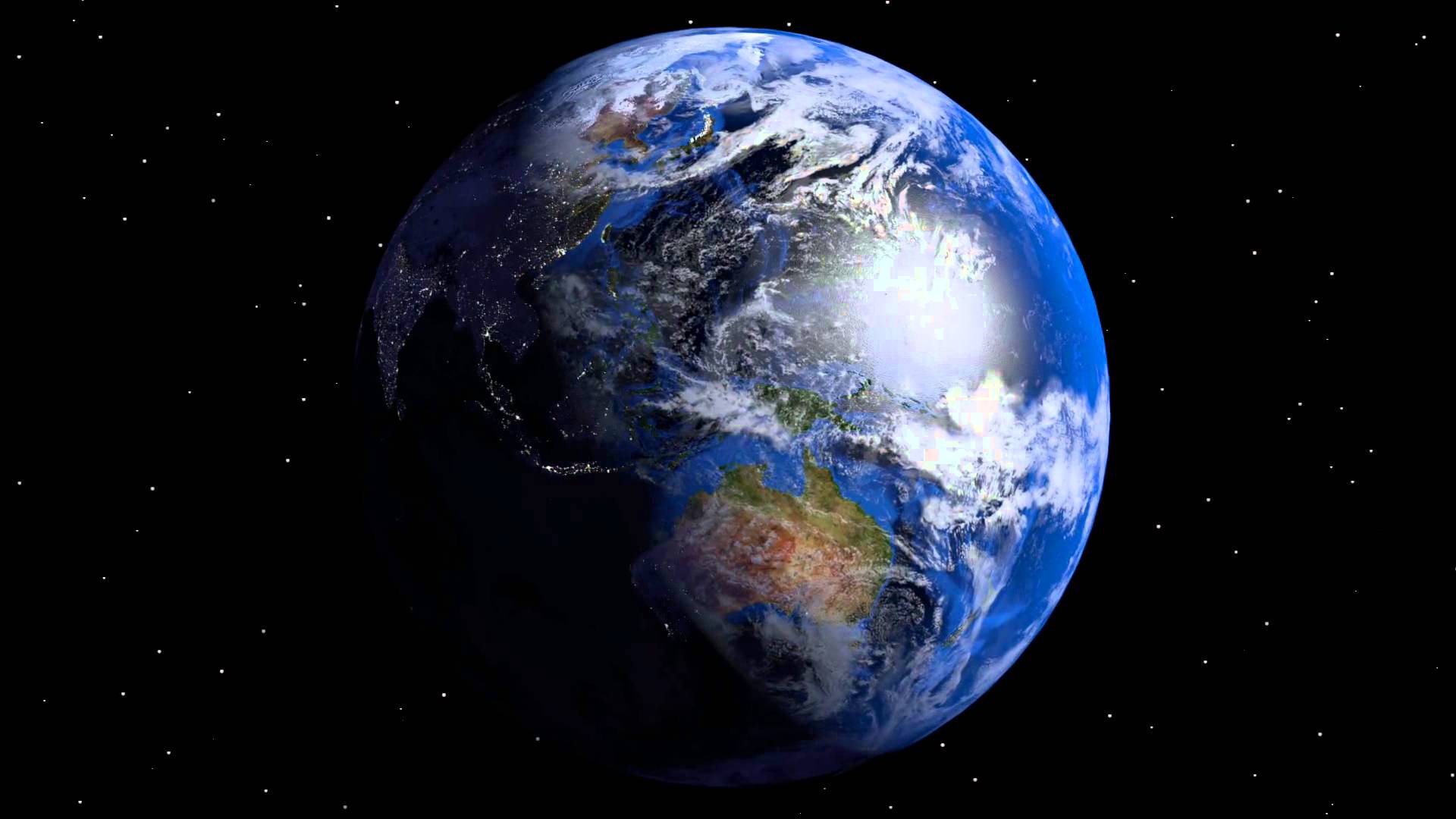
Spinning of the Earth on its axis is called (a) .
When your part of Earth faces towards the Sun, it is (a) , but when your part of Earth faces away from the Sun, it is (b) .
It is Daytime when your part of Earth (a) the Sun, and Nighttime when your part of Earth (b) from the Sun.

In North America, it is ____.
Day Time
Night Time
In Asia, it is ____.
Day Time
Night Time

Look at the picture and answer the question below.
F
G
H
J


Which season is taking place in the Northern Hemisphere in Position 1?

Which season is taking place in the Northern Hemisphere in Position 3?

Which of the following best describes the tilt of the earth during the spring and fall equinoxes?

Which season is taking place in the Northern Hemisphere in Position 4?

Which season is taking place in the Northern Hemisphere in Position 2?
When our part of Earth tilts towards the Sun, it is ____.
Summer
Winter
When our part of Earth tilts _____ the Sun, it is Summer.
Away from
Towards
When our part of Earth tilts away from the Sun, it is _____.
Summer
Winter
When our part of Earth tilts ______ the Sun, it is Winter.
Away from
Towards

What Seasons is position A?
Northern Hemisphere (Summer)/ Southern Hemisphere (Winter)
Northern Hemisphere (Fall)/ Southern Hemisphere (Winter)
Northern Hemisphere (Spring)/ Southern Hemisphere (Fall)
Northern Hemisphere (Winter)/ Southern Hemisphere (Summer)
What Seasons is position B?
Northern Hemisphere (Summer)/ Southern Hemisphere (Winter)
Northern Hemisphere (Fall)/ Southern Hemisphere (Spring)
Northern Hemisphere (Spring)/ Southern Hemisphere (Fall)
Northern Hemisphere (Winter)/ Southern Hemisphere (Summer)
What Seasons is position C?
Northern Hemisphere (Summer)/ Southern Hemisphere (Winter)
Northern Hemisphere (Fall)/ Southern Hemisphere (Spring)
Northern Hemisphere (Spring)/ Southern Hemisphere (Fall)
Northern Hemisphere (Winter)/ Southern Hemisphere (Summer)
What Seasons is position D?
Northern Hemisphere (Summer)/ Southern Hemisphere (Winter)
Northern Hemisphere (Fall)/ Southern Hemisphere (Spring)
Northern Hemisphere (Spring)/ Southern Hemisphere (Fall)
Northern Hemisphere (Winter)/ Southern Hemisphere (Summer)
There would be no seasons if there was no ____________.
tilt
rotation
moon
Saturn
What Seasons is position A?
Northern Hemisphere (Summer)/ Southern Hemisphere (Winter)
Northern Hemisphere (Fall)/ Southern Hemisphere (Winter)
Northern Hemisphere (Spring)/ Southern Hemisphere (Fall)
Northern Hemisphere (Winter)/ Southern Hemisphere (Summer)
What Seasons is position B?
Northern Hemisphere (Summer)/ Southern Hemisphere (Winter)
Northern Hemisphere (Fall)/ Southern Hemisphere (Spring)
Northern Hemisphere (Spring)/ Southern Hemisphere (Fall)
Northern Hemisphere (Winter)/ Southern Hemisphere (Summer)
What Seasons is position C?
Northern Hemisphere (Summer)/ Southern Hemisphere (Winter)
Northern Hemisphere (Fall)/ Southern Hemisphere (Spring)
Northern Hemisphere (Spring)/ Southern Hemisphere (Fall)
Northern Hemisphere (Winter)/ Southern Hemisphere (Summer)
What Seasons is position D?
Northern Hemisphere (Summer)/ Southern Hemisphere (Winter)
Northern Hemisphere (Fall)/ Southern Hemisphere (Spring)
Northern Hemisphere (Spring)/ Southern Hemisphere (Fall)
Northern Hemisphere (Winter)/ Southern Hemisphere (Summer)

Which part of the Earth is receiving the the least direct Sunlight?
Northern Hemisphere
Southern Hemisphere
Polar Hemisphere
MidAtlantic Hemisphere

What happens during the Summer Solstice?
shortest day
longest day
easy day
slow day
What happens during the Winter Solstice?
shortest day
longest day
easy day
slow day

What happens during the Autumnal/Vernal Equinoxes?
Equal day and Night
Longer Days, shorter nights
Shorter Days, longer nights
Indirect sunlight
There would be no seasons if there was no ____________.
tilt
rotation
moon
Saturn
What season is it in the Northern Hemisphere when it is fall in the Southern Hemisphere?
Winter
Spring
Summer
Fall
What happens when the area in which you live tilts away from the sun?
It is winter
It is summer
It is spring
It is fall

What season would we be experiencing with Earth #3?
Winter
Spring
Summer
Fall

Based on the diagram, which season would the northern hemisphere be experiencing?
Winter
Spring
Summer
Fall
What season would we be experiencing with Earth #1?
Winter
Spring
Summer
Fall

Why does the area around the equator stay the same temperature all year?
The equator rotates slower than the poles.
The equator remains the same distance from the sun.
The equator always receives direct sunlight.
The equator has 18 hour days.

The earth is a tilted planet. What is the degree of tilt?
Approximately 25 degrees
Exactly 25 degrees
23.5 degrees
90 degrees with respect to the sun

The half of the Earth located above the equator
Northern Hemisphere
Southern Hemisphere

The half of Earth located below the equator
Northern Hemisphere
Southern Hemisphere
Label the Northern and Southern Hemispheres.
Northern Hemisphere
Southern Hemisphere
Match the following:
Vernal Equinox
Spring
Autumnal Equinox
Fall
Summer Solstice
Summer
Winter Solstice
Winter
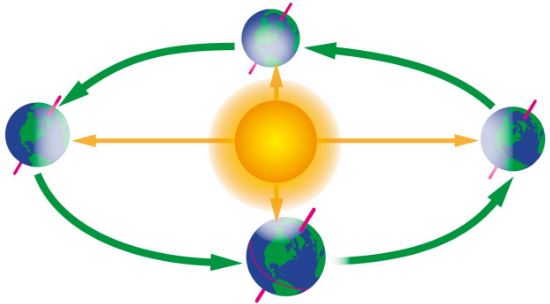
When your part of Earth faces towards the Sun, it is (a) , but when your part of Earth faces away from the Sun, it is (b) .
It is Daytime when your part of Earth (a) the Sun, and Nighttime when your part of Earth (b) from the Sun.
In Asia, it is ____.
Day Time
Night Time
In North America, it is ____.
Day Time
Night Time
Look at the picture and answer the question below.
F
G
H
J
Which season is taking place in the Northern Hemisphere in Position 1?
Which season is taking place in the Northern Hemisphere in Position 3?
Which of the following best describes the tilt of the earth during the spring and fall equinoxes?
Which season is taking place in the Northern Hemisphere in Position 4?
Which season is taking place in the Northern Hemisphere in Position 2?
When our part of Earth tilts towards the Sun, it is ____.
Summer
Winter
When our part of Earth tilts _____ the Sun, it is Summer.
Away from
Towards
When our part of Earth tilts away from the Sun, it is _____.
Summer
Winter
When our part of Earth tilts ______ the Sun, it is Winter.
Away from
Towards
What Seasons is position A?
Northern Hemisphere (Summer)/ Southern Hemisphere (Winter)
Northern Hemisphere (Fall)/ Southern Hemisphere (Winter)
Northern Hemisphere (Spring)/ Southern Hemisphere (Fall)
Northern Hemisphere (Winter)/ Southern Hemisphere (Summer)
What Seasons is position B?
Northern Hemisphere (Summer)/ Southern Hemisphere (Winter)
Northern Hemisphere (Fall)/ Southern Hemisphere (Spring)
Northern Hemisphere (Spring)/ Southern Hemisphere (Fall)
Northern Hemisphere (Winter)/ Southern Hemisphere (Summer)
What Seasons is position C?
Northern Hemisphere (Summer)/ Southern Hemisphere (Winter)
Northern Hemisphere (Fall)/ Southern Hemisphere (Spring)
Northern Hemisphere (Spring)/ Southern Hemisphere (Fall)
Northern Hemisphere (Winter)/ Southern Hemisphere (Summer)
What Seasons is position D?
Northern Hemisphere (Summer)/ Southern Hemisphere (Winter)
Northern Hemisphere (Fall)/ Southern Hemisphere (Spring)
Northern Hemisphere (Spring)/ Southern Hemisphere (Fall)
Northern Hemisphere (Winter)/ Southern Hemisphere (Summer)
There would be no seasons if there was no ____________.
tilt
rotation
moon
Saturn
What causes the seasons on Earth?
The rotation of Earth on its axis
The moon's orbit around the Earth
The revolution of Earth around the sun
The Earth's distance from the sun
How is the Earth's axis tilted when it revolves around the sun?
Always in the same direction
Towards the moon
In different directions depending on the season
Straight up and down
What causes the variation in seasons on Earth?
The distance between the Earth and the sun changing throughout the year
The tilt of the Earth's axis relative to its orbit around the sun
The Earth moving in a circular orbit around the sun
The sun moving closer to and farther from the Earth
What happens during the spring equinox?
Neither hemisphere is tilted towards the sun
The Northern hemisphere is tilted towards the sun
The Southern hemisphere is tilted towards the sun
The Earth is closest to the sun
What marks the beginning of fall?
Fall equinox
Summer solstice
Spring equinox
Winter solstice
What is the shortest day of the year in the Northern hemisphere?
During the winter solstice
During the spring equinox
During the fall equinox
During the summer solstice
How does Earth's tilt affect the Southern hemisphere?
It does not affect the Southern hemisphere
It experiences opposite seasons to the Northern hemisphere
It is always tilted towards the sun
It experiences the same seasons as the Northern hemisphere
What is not true about Earth's distance from the sun?
It causes the seasons
The change in distance is small
The Earth is closer to the sun during the Northern hemisphere's winter
It changes as Earth revolves around the sun
When does the Northern hemisphere start to tilt away from the sun?
After the winter solstice
After the fall equinox
After the summer solstice
After the spring equinox
What happens south of the Antarctic Circle when there are 24 hours of daylight north of the Arctic Circle?
24 hours of daylight
24 hours of darkness
12 hours of daylight and 12 hours of darkness
The sun does not set
Which of the following places has equal day and night throughout the year?
Equator
Tropic of Cancer
Arctic Circle
Tropic of Capricorn
The changes in the seasons is due to (pick 2)
Rotation
Revolution
Tilt of the axis
All the three
Why is summer warmer than winter?
The hemisphere experiencing summer is tilted more directly toward the sun
During summer, the entire planet is closer to the sum
The sun radiates more energy during the summer
The earth spins slower on its axis during the summer

In which hemisphere do we live (in US)?
Northern
Southern
The day of the year with the most daylight hours is the
spring equinox
fall equinox
summer solstice
winter solstice
In the northern hemisphere, the winter solstice happens in which month?
March
June
September
December
In the northern hemisphere, the summer solstice happens in which month?
March
June
September
December
The day of the year with the fewest daylight hours is called the
spring equinox
fall equinox
summer solstice
winter solstice
When daylight hours are almost equal to night time hours, it is called
equinox
solstice
On the day that the northern hemisphere has it's longest day, the southern hemisphere will have it's shortest day.
True
False
The day with the longest night time hours is the fall equinox.
True
False
Earth is tilted at _____________ degrees.
23.5
90
0
25.3
A solstice event occurs when
the sun's rays reach their highest or lowest point in respect to the equator
the sun's rays shine most directly at the equator
the Earth has it's longest period of daylight hours
An equinox occurs when
The sun's rays reach their highest or lowest point in respect to the equator
The sun's rays shine most directly on the equator
The Earth experiences the greatest period of daylight hours
How many types of Solstices are there?
4
2
1
3

The event pictured at number 4, in the northern hemisphere, is the
summer solstice
winter solstice
autumnal equinox
vernal equinox

During the event pictured at number 2, which of the following would occur?
The northern hemisphere would receive the most direct sunlight
The northern hemisphere would experience the longest day
The southern hemisphere would experience the longest day
The sun's rays would be focused most directly on the equator

The events labeled 1 and 3 are called
solstices
equinoxes

In the northern hemisphere, the next event that would occur after number 2 would be
the summer solstice
the winter solstice
the autumnal equinox
the vernal equinox

What is the winter solstice?
The day and night are the same length.
We have the longest day and shortest night of the year.
We have the longest day and longest night of the year.
We have the shortest day and longest night of the year.
In which hemisphere do we live (in US)?
Northern
Southern

The day of the year with the most daylight hours is the
spring equinox
fall equinox
summer solstice
winter solstice


An equinox occurs when the Sun is positioned directly over the equator.
True
False

The Earth's axis is tilted _____ degrees.
23.5
25.3
30.2
24

Where on Earth can you experience entire days of darkness?
The equator
The poles
The Tropic of Cancer
The Tropic of Capricorn

The shortest day of the year...
Autumnal Equinox
Summer Solstice
Winter Solstice
Vernal Equinox

The Imaginary line that passes through Earth's center and the North and South poles is.........
Equator
Prime Meridian
Axis
Equinox
When the northern hemisphere is experiencing the autumnal equinox, the southern hemisphere is experiencing the
summer solstice
winter solstice
autumnal equinox
vernal equinox

What imaginary line is drawn around the earth’s center?
axis
equator
prime meridian
hemisphere
What happens when the area in which you live tilts away from the sun?
It is spring
It is summer
It is fall
It is winter
1 Revolution for Earth
365 days
1 Rotation for Earth
24 hours
1 Season for Earth
3 months


What season is it in Position A in the Northern Hemisphere?
Spring
Summer
Fall
Winter
The event pictured at number 4, in the northern hemisphere, is the
summer solstice
winter solstice
autumnal equinox
vernal equinox
The events labeled 1 and 3 are called
solstices
equinoxes

What season is the northern hemisphere in at position D
winter
spring
summer
fall

In what position would the northern hemisphere need to be at to be in winter?
D
V
W
X

If it's spring in the northern hemisphere at V, what season will the northern hemisphere be in at X?
winter
spring
summer
fall

What letters show you Summer for the northern and southern hemisphere?
AG
BH
CE
DF

Use the diagram to find where winter is on the northern and southern hemisphere?
AD
AG
EG
EC

Which of the following best describes the tilt of the earth during the spring and fall equinoxes?
The earth is tilted away from the sun (Northern hemisphere)
The earth is tilted neither toward or away from the sun (tilt is side to side)
The earth is tilted toward the sun (Northern hemisphere)
The earth is not tilted during spring and fall

Why do we experience the changing of the season on the earth?
distance from the sun
rotation of the earth
change in solar output
tilt of the earth's axis

In spring, is the axis of the earth pointed away or toward the sun?
towards
Neither away or toward
away


The hemisphere where you live:
equator
southern
northern
eastern

Which statement is correct regarding the amount of daylight hours in different seasons?
More hour of light during spring, less in fall
More hours of light during summer, less in winter
None of the seasons have equal daylight/darkness hours
All seasons have an equal amount of daylight
In winter, is the axis of the earth pointed away from or toward the sun?
towards
up
down
away

Why is it warmer in the summer?
Closer to the sun
More direct light because of Earth's tilt
Diffused light from the sun
Earth spins slower

