
 Worksheets
Atomic structure, Isotopes, Average Atomic mass, Nuclear
Total questions: 128
Worksheet time: 5hrs 32mins

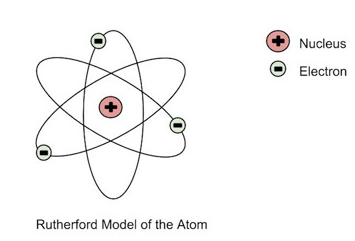

Who came up with this model of an atom?
J.J. Thompson
Ernest Rutherford
Neils Bohr
James Chadwick


Which is the correct sequence of the scientists who made major changes in the model of the atom?
1-JJ Thomson
2-Erwin Schrodinger
3-John Dalton
4-Niels Bohr
5-Ernest Rutherford
2, 1, 4, 3, 5
3, 1, 5, 4, 2
5, 3, 2, 1, 4
4, 3, 2, 1, 5
Which scientist saw the atom as a positively charged sphere with negative particles (electrons) embedded within?
J.J. Thomson
Niels Bohr
John Dalton
Ernest Rutherford
Which scientist proposed a model of the atom in which the electrons are orbiting at different levels?
Niels Bohr
James Chadwick
John Dalton
Ernest Rutherford
Which scientist discovered that most of an atom's mass is contained in its nucleus and the rest is nearly empty space?
Rutherford
Dalton
Bohr
Thomson

Order the atomic models below from the oldest to the mot recent.
2, 1, 3, and 4
1, 2, 4, and 3
3, 2, 4, and 1
3, 1, 2, and 4
Which scientist proposed a model of the atom in which the individual atoms were thought of as tiny solids like balls or marbles?
John Dalton
James Chadwick
Ernest Rutherford
J.J. Thomson

Whose model of an atom is displayed in the picture?
Thomson
Rutherford
Dalton
Bohr

Whose model of an atom is displayed in the picture?
Rutherford
Dalton
Thomson
Bohr
Current model
Bohr Model
Quantum Mechanical Model
Plum Pudding Model
Planetary
Discovered electron
Rutherford
Bohr
Thomson
Chadwick
Discovered mass of proton = mass of neutron
Bohr
Chadwick
Rutherford
Schrodinger
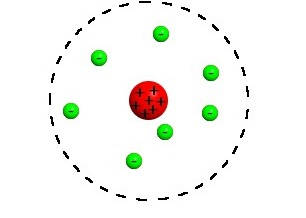
This model this model was the first to show a nucleus, consisting of protons and neutron. Electrons surround the nucleus but are not shown in distinct energy levels.
The "Rutherford Model" of the atom
The "Plum Pudding Model" of the atom
The "Quantum Mechanical Model" of the atom
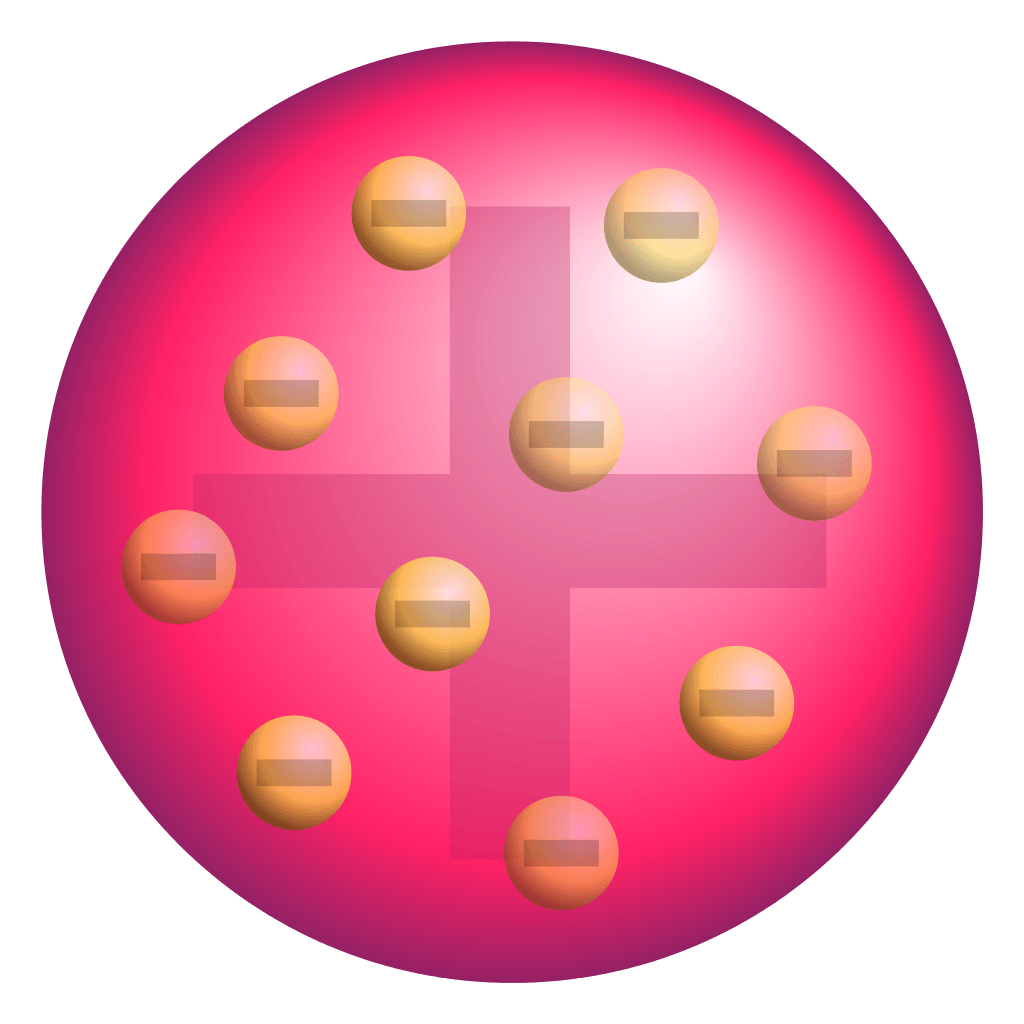
This model was developed after J.J. Thompson discovered electrons, a particle smaller than an atom. It shows electrons floating freely in a positive region.
The "Plum Pudding Model" of the atom
The "Rutherford Model" of the atom
Democritus's model of the atom
The "Quantum Mechanical Model" of the atom

What was the purpose of Rutherford's Gold Foil Experiment?
To study the behavior of electrons in a magnetic field.
To investigate the structure of the atom and determine the distribution of positive charge within it.
To investigate the properties of different types of metals.
To measure the speed of light in a vacuum.
What did Rutherford expect to happen to the alpha particles as they passed through the gold foil?
All alpha particles would pass straight through the gold foil.
The alpha particles would be absorbed by the gold foil.
The alpha particles would change color as they passed through the gold foil.
Some alpha particles would be deflected or bounce back
What did Rutherford observe during the Gold Foil Experiment?
Deflection of alpha particles at large angles
Scattering of alpha particles in all directions.
No deflection of alpha particles.
Absorption of alpha particles by the gold foil.
What conclusion did Rutherford draw from his observations?
The atom has a small, dense, positively charged nucleus at its center, with electrons orbiting around it.
The atom has a small, dense, positively charged nucleus at its center, with protons orbiting around it.
The atom has a large, dense, positively charged nucleus at its center, with electrons orbiting around it.
The atom has a small, dense, negatively charged nucleus at its center, with electrons orbiting around it.
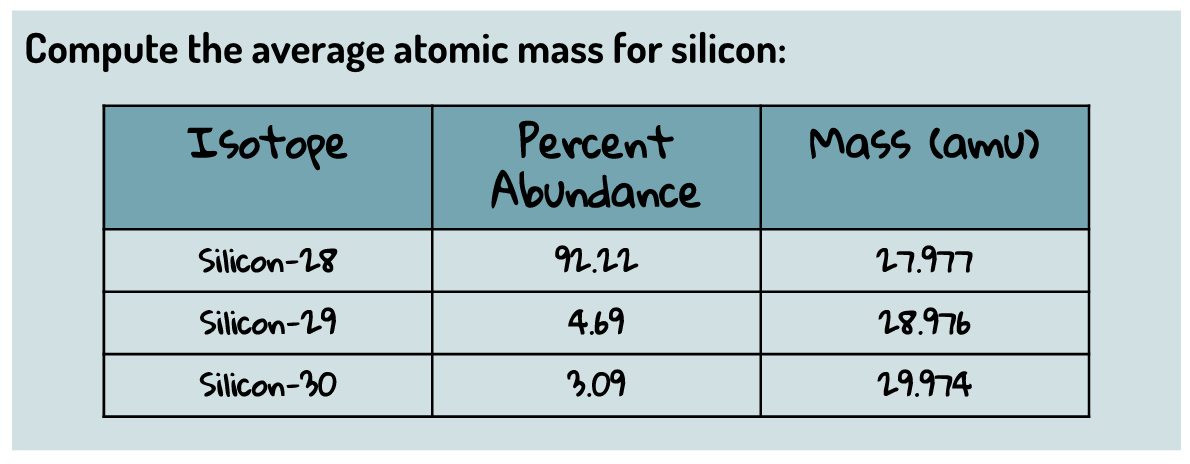
What is the average mass of this element?


To calculate average atomic mass, you need
the atomic mass of each isotope
the percent abundance of each isotope
the atomic mass and percent abundance of each isotope
to find the average of the atomic masses of each isotope

What were J. J. Thomson's three contributions to the atomic theory?
Discovered the electron
Discovered the nucleus -did the gold foil experiment
Used the cathode ray tube in his discovery
Created a model of the atom with electrons moving around the nucleus in fixed orbits
Created the "plum pudding" model of the atom

What are two facts about Democritus's?
Greek philosopher
Created the atomic theory
Used the cathode ray tube in his discovery
Believed that the universe was made of tiny "uncuttable" particles
Discovered that the atom is mostly empty space

What is Neils Bohr's contribution to the atomic theory?
Created the atomic theory
Created a model of the atom with electrons moving around the nucleus in a fixed orbits
Discovered that the proton had a positive charge
Believed that atoms of a given element are identical
Discovered the electron

What were Ernest Rutherford's three contributions to atomic theory?
Discovered that the atom is mostly empty space
Discovered the nucleus- did the gold foil experiment
Used the cathode ray tube in his discovery
Discovered the electron
Discovered that the proton had a positive charge
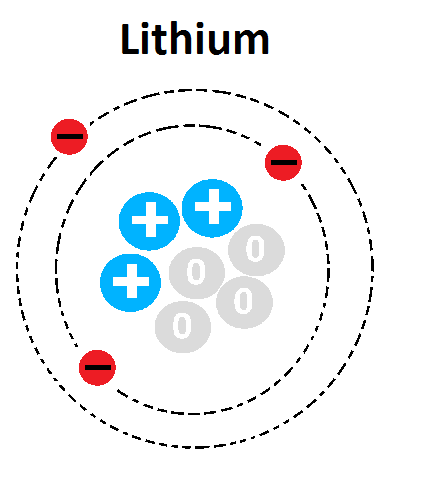
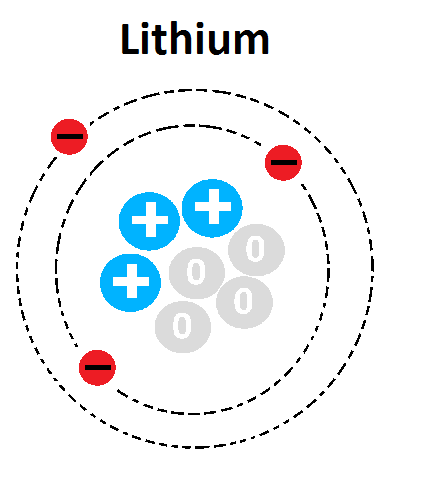
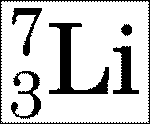
What is the mass number of this atom?
1
3
4
7
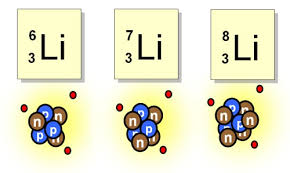
An atom has 12 protons and 13 neutrons in its nucleus. Which is the correct symbol?


Cobalt has an atomic mass of 59 and an atomic number of 27. What does this information reveal about most cobalt atoms?
They contain more neutrons than protons
They naturally have a net negative charge
They attract protons more strongly than electrons
They form ions with a chrage of +27 in compounds
How many protons does this element have?
Describe the structure of an alpha particle.
a fast-moving electron
2 protons and 2 neutrons
a slow-moving neutron
a hydrogen nucleus

The mass number of Neptunium (Np) is (a) .

The atomic number of Neptunium (Np) is (a) .

The atomic number of Actinium (Ac) is (a) .
85209At = ___ + 24He
614C = ___ + -10e
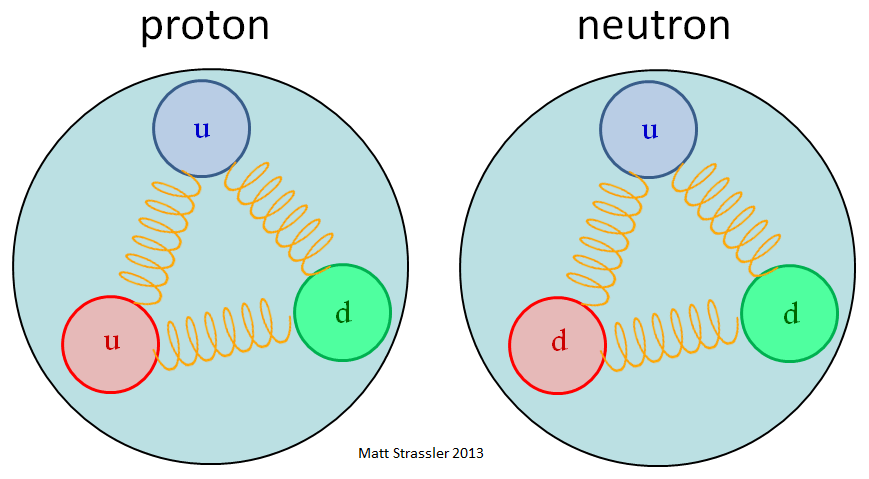
During beta-particle emission, a neutron splits into a____________________.
proton and electron
neutron and electron
neutron and proton

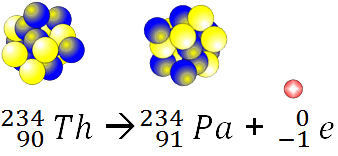
What type of decay is shown here
23892U ---> 23490Th + 42He.
alpha
beta
gamma
Finish this equation
20983Bi--> _______ + 20581Tl
42He
0-1e
y
Identify the type of nuclear decay shown here
21483Bi → 0-1e + 21484Po
alpha
beta
gamma
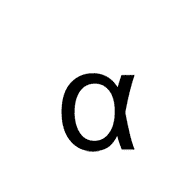
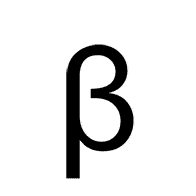
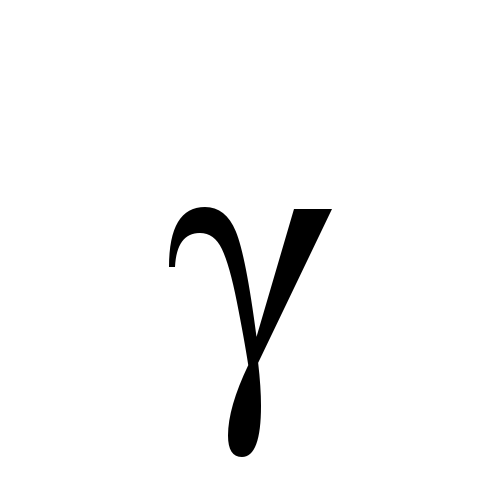
How is the alpha particle written in a nuclear equation?
42He
24He
0-1e
00γ
85209At = ___ + 24He

In a correctly written symbol what would be located in the "Z" position?
number of neutrons
atomic number
number of electrons
mass number
22087Fr —› ____ + 42He
22089Ac
22490Th
21685At
21688Ra
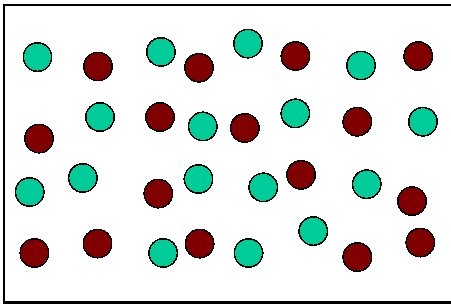
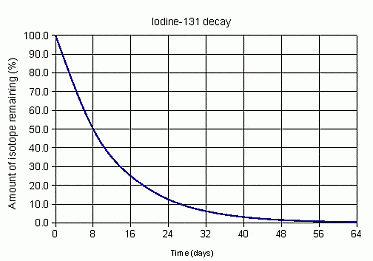
The diagram shows 32 atoms.
16 of the Red are parent isotopes
16 of the Green are daughter isotopes
How many half-lives have occurred?
0
1
2
3
The % of the parent isotope remaining after 1 Half Life.
50%
25%
12.5%
6.25%
A radioactive nuclide has a ____ stable nucleus than a non-radioactive nucleus of the same element.
more
less
identical
small
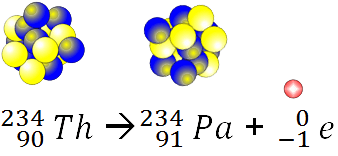


A radioactive nucleus has a ____ stable nucleus than a non-radioactive nucleus of the same element.
more
less
identical
small

Which of these diagrams represents the type of nuclear reaction that produces energy in the Sun?
A
B
C
D
The three types of nuclear radiation are _______ radiation, _________radiation, and _____________ radiation.
alpha, beta, and gamma
theta, beta, and kappa
alpha, beta, positron
After one ____________ of a radioactive element, half of the original radioactive material remains.
half-life
cycle
decay
The conversion of an atom of one element to an atom of another element is called (a) .
In a(n) ___________, particles released from one nuclear reaction collide with other particles and cause more nuclear reactions.
nuclear fission reaction
nuclear fusion reaction
In ___ _____reactions, small nuclei combine, producing a large nucleus and releasing large amounts of energy.
nuclear fission
nuclear fusion
emitted helium nucleus
positron
radioactivity
alpha particle
gamma radiation
beta particle
energetic electron from decomposed neutron
positron
radioactivity
alpha particle
gamma radiation
beta particle
high-energy photons emitted by a radioisotope
positron
radioactivity
alpha particle
gamma radiation
beta particle
particle of charge +1 and mass equal to that of an electron
positron
radioactivity
alpha particle
gamma radiation
beta particle


Atom 2 has Mass= 14 Electrons=6
Are these atoms isotopes of each other or different elements?
Which of the following is necessary to calculate the atomic mass of an element?
the atomic mass of carbon-12
the atomic number of the element
the relative masses of the element's protons and neutrons
the masses of each isotope of the element
The atomic mass of an element depends upon the ___.
relative abundance of protons in that element
mass and relative abundance of each isotope of that element
mass of each isotope of that element
mass of each electron in that element
Chlorine has two naturally occurring isotopes, Cl-35 and Cl-37, The atomic mass of chlorine is 35.45. Which of these two isotopes of chlorine is more abundant?
Cl-35
Cl-37
Cannot be determined from the information provided.

In the adjoining figure, the circles with the + sign represent protons and the empty circles represent neutrons. Determine which atoms in the figure are isotopes of each other.
1 and 2
1 and 3
2 and 3
1, 2, and 3
Vitellium (Vi) has the following composition:
Vi–188: 187.9122 amu; 10.861%
Vi–191: 190.9047 amu; 12.428%
Vi–193: 192.8938 amu; 76.711%
Based on this data, what can you predict about the average atomic mass of vitellium?
It will be equal to the arithmetic mean of the masses of the three isotopes.
It will be closer to the mass of Vi–188.
It will be closer to the mass of Vi–193.
It will be equal to the mass of Vi–193.
The average atomic mass of oxygen is 15.9994 amu. The atomic masses of its three isotopes are as follows:
O-16: 15.995 amu; O-17: 16.999 amu; O-18: 17.999 amu
Which isotope is most likely to have the greatest abundance in nature?
O–16
O–17
O-18
all three isotopes may be equally abundant

