
 Worksheets
Unit 3-Periodic Trends Pre-Quizizz
Total questions: 36
Worksheet time: 18mins
Name
Class
Date
1.

What is the group number for the noble gases? (write the number, not the word)
(a)
2.

What is the group number for the alkaline earth metals? (write the number, not the word)
(a)
3.

What is the group number for the alkali metals? (write the number, not the word)
(a)
4.

What is the group number for the halogens? (write the number, not the word)
(a)
5.

What groups are involved in the main group elements? Please use the format 21, 22, 23, 24, 25, not 21, 22, 23-25 (with the correct group numbers, of course)
(a)
6.

What groups are involved in the transition metals? Please use the format 22-29 (with the correct group numbers, of course)
(a)
7.

What is generally to the right of the staircase?
a)
metals
b)
metalloids
c)
nonmetals
8.
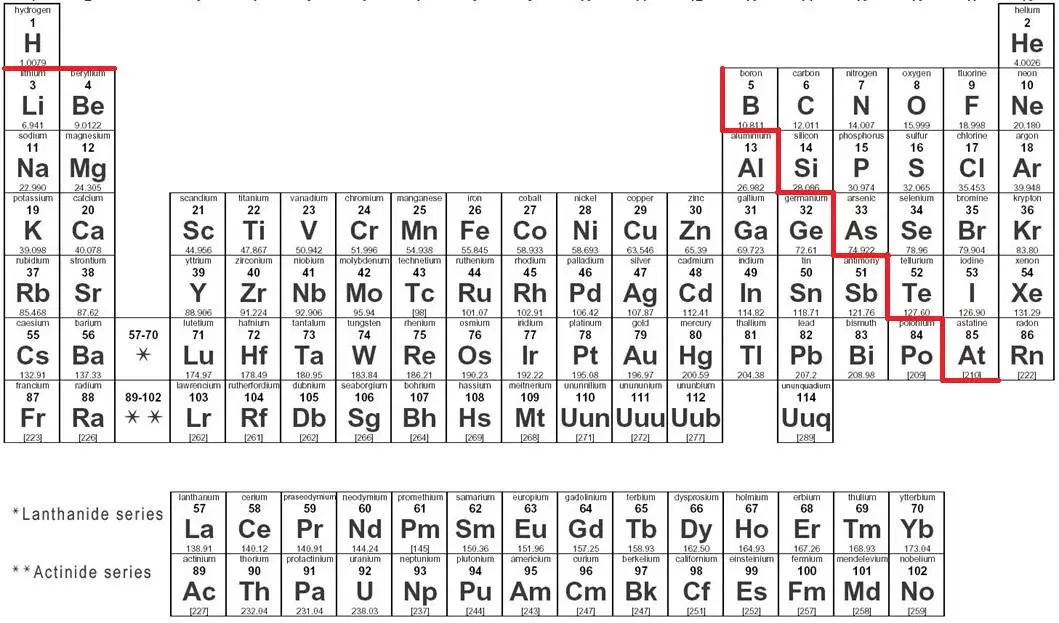
What is generally to the surrounding the staircase?
a)
metals
b)
metalloids
c)
nonmetals
9.

Which element has similar properties to beryllium (Be)?
a)
Al
b)
Cl
c)
Ca
d)
Li
10.

Which element is a metal?
a)
Calcium (Ca)
b)
Carbon (C)
c)
Chlorine (Cl)
11.
Which is not a name for a column on the periodic table?
a)
families
b)
periods
c)
groups
12.
What is a metalloid?
a)
Elements that are shiny.
b)
Elements that want to be metals, but are nonmetals.
c)
Nothing. They don't exist.
d)
Elements with properties of metals and nonmetals.
13.

How many valence electrons do alkali metals have?
a)
1
b)
2
c)
variable
d)
7
e)
8
14.
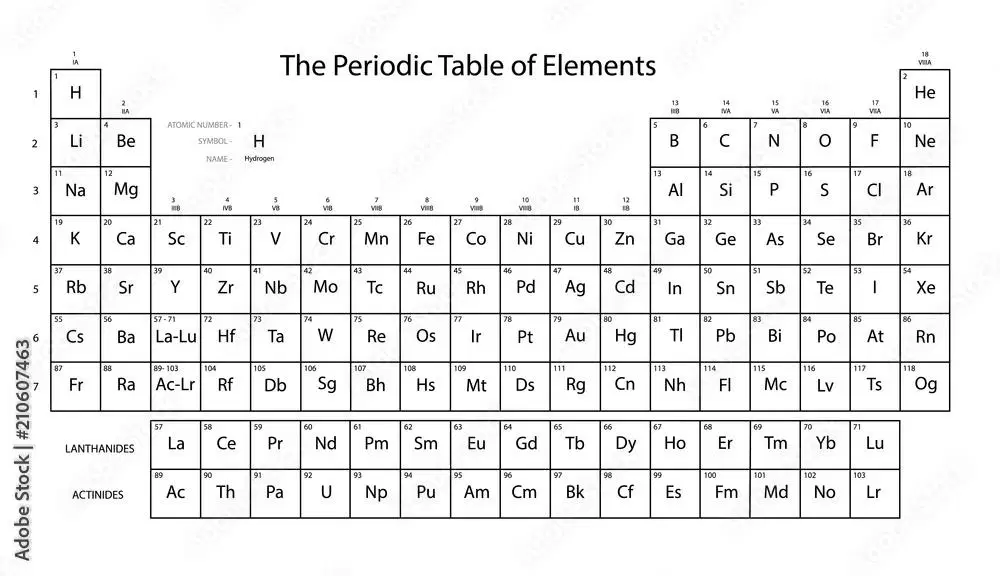
How many valence electrons do transition metals have?
a)
1
b)
2
c)
variable
d)
7
e)
8
15.

How many valence electrons do halogens have?
a)
1
b)
2
c)
variable
d)
7
e)
8
16.
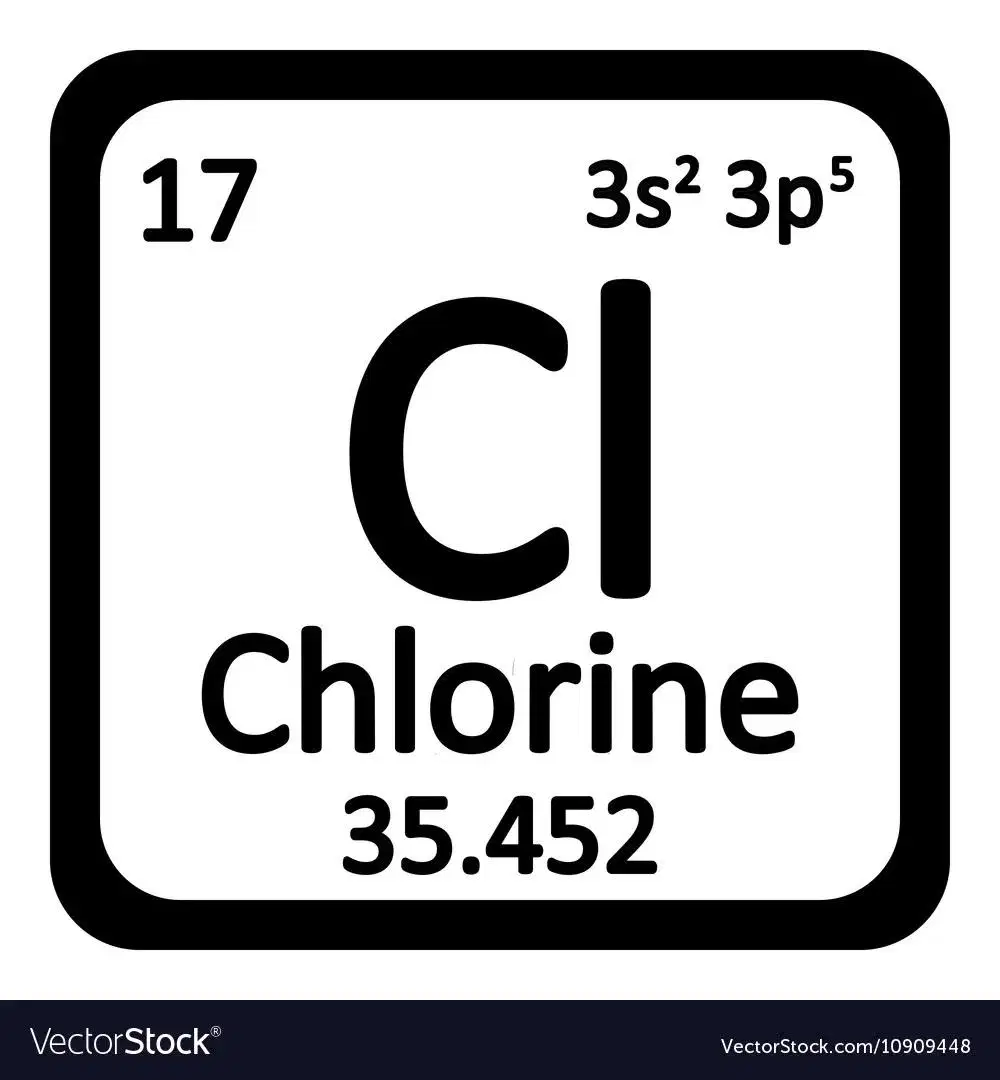
How many protons are in this element?
a)
7
b)
17
c)
18
d)
35.452
17.

How many electrons are in this element?
a)
7
b)
17
c)
18
d)
35.452
18.
The nucleus has a ____ charge.
a)
negative
b)
neutral
c)
positive
19.
The electron has a ____ charge.
a)
negative
b)
neutral
c)
positive
20.
There are more protons on the ______ side of a period.
a)
left
b)
right
21.
More protons means a _________ attraction for the electrons.
a)
weaker
b)
greater
22.
More protons means it is ____ to gain an electron.
a)
easier
b)
harder
23.
More protons means it is ____ to lose an electron.
a)
easier
b)
harder
24.
The smaller the atomic radius, the easier it is to ____ an electron.
a)
gain
b)
lose
25.
The larger the atomic radius, the _____ attraction there is between protons and neutrons.
a)
more
b)
less
26.
The attraction between protons and electrons is affected by distance. This changes as one moves down the periodic table as the number of ____ increases.
a)
columns
b)
orbitals
c)
protons
d)
neutrons
27.
The atomic radius ____ as one moves left to right on the periodic table.
a)
increases
b)
decreases
c)
stays the same
28.
The atomic radius ____ as one moves top to bottom on the periodic table.
a)
increases
b)
decreases
c)
stays the same
29.
The ionization energy ____ as one moves top to bottom on the periodic table.
a)
increases
b)
decreases
c)
stays the same
30.
The ionization energy ____ as one moves left to right on the periodic table.
a)
increases
b)
decreases
c)
stays the same
31.
The electron affinity ____ as one moves left to right on the periodic table.
a)
increases
b)
decreases
c)
stays the same
32.
The electron affinity ____ as one moves top to bottom on the periodic table.
a)
increases
b)
decreases
c)
stays the same
33.
Ionization energy decreases as one moves down the periodic table because electrons are _______ the effect of the protons.
a)
closer to
b)
farther from
34.
The ABILITY to add electrons.
a)
atomic radius
b)
electron affinity
c)
ionization energy
d)
electronegativity.
35.
The amount of energy needed to remove electrons.
a)
atomic radius
b)
electron affinity
c)
ionization energy
d)
electronegativity.
36.
The amount of energy needed to remove electrons.
a)
atomic radius
b)
electron affinity
c)
ionization energy
d)
electronegativity.
100 %

