
 Worksheets
214 ppt10 Component Replacement Quiz
Total questions: 38
Worksheet time: 29mins
Which of the following is a type of instruction to consider when replacing components?
Verbal instructions from someone qualified
Newspaper articles
Television ads
Blog posts
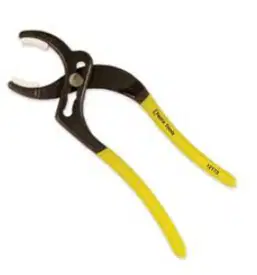
What should you use to avoid scratching the finish when replacing a washer in a chrome or gold tap?
Metal pliers
Soft-jaw pliers
Screwdriver
Hammer
A common sign that a washer in a tap or FOV is worn or broken is (a)
What is a common symptom of defective tap seating?
Water pressure increase
Dripping from outlet or overflow
No water flow
Loud noises
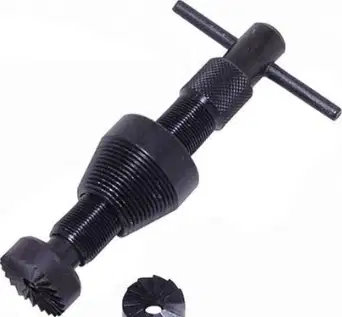
What tool can be used to fix a defective tap seating?
Hammer
Screwdriver
Reseating tool
Wrench

What is a precaution to take when trying to release jammed headgear?
Use excessive force
Take care not to round the nut
Ignore the nut
Use a hammer
What might you need to do if the jammed headgear cannot be released?
Replace the whole unit
Use a larger tool
Apply more force
Ignore the problem

Match the following tap issues with their causes.
The tap is not properly installed.
The tap leaks from the base.
The water pressure is too high.
The tap makes a loud noise when turned on.
The packing gland washer is damaged.
The tap drips from the body rather than the outlet.
The tap is clogged with debris.
The water flow is reduced.
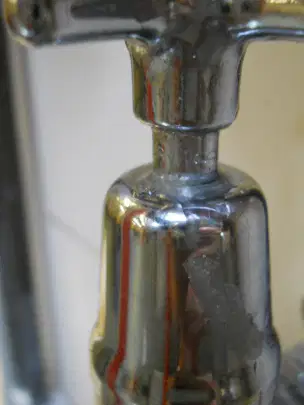
What is a common cause of dripping from the head in taps?
Faulty body washer
Packing gland in rising spindle taps
Incorrect water pressure
Loose tap handle
What might need to be done if a tap is dripping from the head?
Tighten the tap handle
Re-pack or replace the packing glands or O rings
Increase water pressure
Replace the entire tap
What fault can dripping from the head be mistaken for?
Loose tap handle
Faulty body washer
Incorrect water temperature
Clogged aerator
What does the term "letting by" refer to in plumbing?
A valve that is completely shut off
A valve that is letting some water by, even when it is shut off
A valve that is fully open
A valve that is leaking air
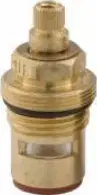
What is a common solution for a ceramic disc failure in a tap?
Tightening the handle.
Replacing the entire tap.
Replacing the discs or the body.
Adding more water pressure.
What can insecure pipework create in a low pressure plumbing system?
High and low spots (air locks and debris)
Constant water flow
Reduced water pressure
Increased water temperature
What is water hammer in a plumbing system?
A decrease in water temperature
Surges of pressure causing a knocking noise
A constant water flow
A reduction in water pressure
What is the main effect of air moving around the pipework in a plumbing system?
It reduces water pressure.
It creates additional system noise.
It increases water temperature.
It prevents water flow.
In what type of system are air locks particularly likely to occur?
High-pressure systems
Low-pressure systems
Medium-pressure systems
No-pressure systems
What can loose components in plumbing cause if they are internal?
Additional system noise
Increased water pressure
Faster water flow
Reduced water temperature
What might happen if an appliance is loose in plumbing?
It could increase water temperature
It could come away from the wall and create a leak
It could improve water quality
It could reduce water flow
What should be done with broken clips in plumbing?
They should be painted
They should be ignored
They should be replaced
They should be tightened
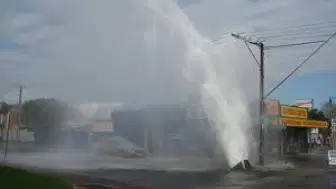
What can major bursts cause?
Minimal inconvenience
Disruption
Increased water pressure
Lower water bills
To isolate the whole house during a burst, you should (a) .
What can cause blockages in pipework and components like a shower hose?
Limescale
Rust
Sand
Air bubbles
What is a possible consequence of over-soldering in plumbing?
Increased water pressure
Blockages
Faster water flow
Reduced water temperature
Match the following scenarios with their effects on flow rate in plumbing:
It increases the flow rate to an appliance.
Using a larger diameter pipe than required.
It decreases the flow rate to an appliance.
Using a smaller diameter pipe than required.
It has no effect on the flow rate.
Using the correct diameter pipe.
It improves the pressure at every outlet.
Using a pressure booster pump.
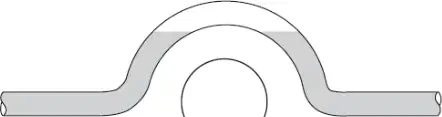
What can occur in low-pressure systems if high spots are left in pipework?
Increased water pressure
Air locks
Faster water flow
Reduced water temperature
What might a customer experience at the outlet if an air lock occurs?
Continuous water flow
Spluttering of water or no water at all
Increased water temperature
Steady water pressure

What should be done before installing any appliances to ensure they work correctly?
Install the appliance immediately.
Test the pressure and flow rates near the incoming main.
Ignore the pressure and flow rates.
Only test the appliance location.
What is the purpose of Planned Preventative Maintenance (PPM) in plumbing?
To increase water pressure
To stop problems from occurring
To reduce water temperature
To enhance water color
Which of the following is a task included in Planned Preventative Maintenance (PPM)?
Painting walls
Rewashering
Installing new pipes
Replacing tiles
Planned Preventative Maintenance (PPM) is more commonly used on (a) systems.
Which of the following is NOT a check included in Planned Preventative Maintenance (PPM)?
Inspecting water levels
Cleaning filters and strainers
Inspecting water softeners
Painting pipes
If a system is isolated during planned preventative maintenance, it should be labelled as (a)
What records should be maintained during planned preventative maintenance?
Only temperature records.
Only pressure records.
Records of pressure, flow rate, temperatures, and work carried out.
No records are necessary.
(a) should be consulted for servicing during planned preventative maintenance.
Who should be kept informed at all times during planned preventative maintenance?
Only the plumber.
Only the manufacturer.
The householder, customer, or company.
No one needs to be informed.
Which of the following is considered an unplanned emergency in plumbing?
Scheduled maintenance
Burst pipes
Regular inspections
System upgrades
What does CWSC stand for in plumbing emergencies?
Cold Water Storage Cistern
Central Water Supply Control
Continuous Water System Check
Controlled Water Safety Circuit

