
 Worksheets
Space Revision -part 1
Total questions: 110
Worksheet time: 2hrs 36mins

The force that causes objects with mass to attract one another.
Weight
Gravity
Mass
Magnetism

The gravitational attraction between two objects would increase if both masses are –
increased, and the distance between them is increased.
increased, and the distance between them is decreased.
decreased, and the distance between them is decreased.
decreased, and the distance between them is increased.

Why do planets orbit the Sun?
The Sun is the only celestial object that has a gravitational pull.
The Sun’s chemical composition makes it attract planets.
Only celestial bodies that emit light, like the Sun, can be at the center of an orbit.
The Sun is the most massive object in our solar system, so it exerts the greatest gravitational pull.

Gravity can be defined as the –
force of attraction between two or more masses.
friction created when two objects are in contact.
energy given off by stars due to nuclear reactions.
path an object follows as it moves through space.

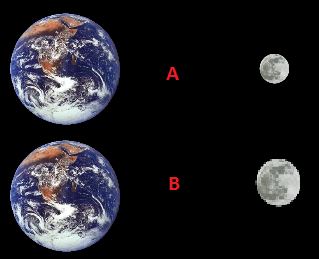
Which model has greater gravitational attraction.
model A
model B
both models have equal gravity
When will the gravity between two objects be the LEAST?
when the masses of both objects is small and the objects are close together
when the masses of both objects is small and the objects are far apart
when the masses of both objects is large and the objects are close together
when the masses of both objects is large and the objects are far apart
What two things determine the gravity of an object?
mass & weight
mass & distance
density & mass
volume & distance
Gravity is greatest when two objects are larger and closer together.
True
False
Gravity is a...
Superhero
Force
Place in Alaska


The further the distance between objects, the ...
the stronger the gravitational attraction becomes
the weaker the gravitational attraction becomes
the gravitational attraction stays the same
Which statement is true?
An object will have the same mass on different planets but a different weight
An object will have a different mass on different planets but the weight will stay the same
An object will have the same mass and weight on different planets
What unit is weight measured in?
Grams
Kilograms
Newtons
N/Kg
What unit is mass measured in?
Grams
Kilograms
Newtons
N/Kg
The sun is at the centre of our solar system, it is a ....
planet
star
galaxy
moon
How many planets orbit around the sun?
7
9
8
10
What planet is closest to the sun?
Neptune
Earth
Mercury
Venus
How long does it take for the Earth to complete one rotation about its axis?
24 hours
1 month
1 year
How long does it take for the Earth to orbit the sun once?
24 hours
1 month
365 1/4 days
What causes the seasons?
The Earths rotation
The Earths tilt
The moon
The weather
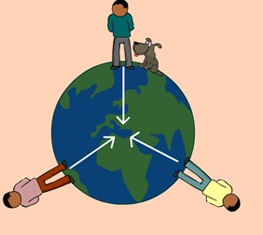

What is missing?
D
N
W
L

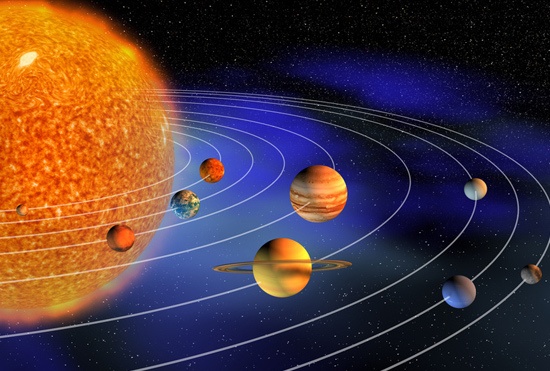
Why do all of the planets orbit the sun rather than Earth?
the sun has more mass
the sun is a star
the Earth is heavier
the sun is in the middle of the milky way
Weight is constant.
True
False
You have a ball with a weight of 76N. What is the mass of the ball?
76N
76kg
7.6kg
7.6N
What do you use to measure the weight of an object?


If the weight of a body on the Earth's surface is 600 N, what would be it's weight in the space?
600 N
less than 600 N
more than 600 N

A runner, jumping over a hurdle.
Balanced Force
Unbalanced Force
A lamp sitting on a table.
Balanced Force
Unbalanced Force

A car accelerating around a mountain curve.
Balanced Force
Unbalanced Force
Two ice skaters moving in a straight line at a constant speed.
Balanced Force
Unbalanced Force

A skier skiing through flags in a race down the mountain.
Balanced Force
Unbalanced Force

A book sitting on a shelf.
Balanced Force
Unbalanced Force

A gymnast on a balance beam doing a backflip.
Balanced Force
Unbalanced Force

Cars in a NASCAR race speeding around the track.
Balanced Force
Unbalanced Force

A soccer ball sitting on the ground motionless.
Balanced Forces
Unbalanced Forces

A rocket lifting off the launch pad.
Balanced Force
Unbalanced Force
What happens to the speed of an object as an unbalanced force acts on it?
It increases or decreases.
It increases only.
It decreases only.
It stays the same.
What happens to the position of an object as an unbalanced force acts on it?
It causes no reaction.
It causes gravity.
It causes movement.
It becomes balanced.
What happens to the direction of an object as an unbalanced force acts on it?
It moves in the same direction as the force.
It doesn’t change direction at all.
It moves in the opposite direction of the force.
Its speed changes.
An object at rest needs an ______________________force in order to move.
Gravitational
Balanced
Unbalanced
Air Resistance
A push or a pull is the definition of a ____________________.
Gravity
Air Resistance
Friction
Force
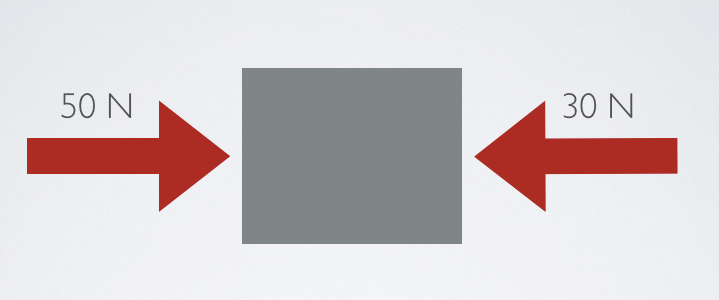


What is the resultant force?
30 N left
25 N right
5 N left
55 N right

What is the resultant force?
40 N left
0 N Balalnced
400 N right
40 N right
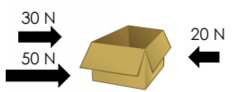
Calculate the resultant force.
60N, Left
40N, Right
0N
60N, Right

Calculate the resultant force.
40N, Left
40N, Right
0N, Balanced
75N, Right

These forces are...
Balanced
Unbalanced

These forces are...
Balanced
Unbalanced
A scalar is has magnitude _____.
and direction.
and no direction.
Which of the following is a vector quantity?
energy
velocity
mass
time
A vector contains more information than a scalar. What is the extra information?
acceleration
direction
resultant
size
Which of these is a non-contact force?
Friction
Air resistance
Upthrust
Gravity
Which radiation can only be stopped by many centimetres of lead?
Alpha
Beta
Gamma
Neutron
Which radiation is the most dangerous inside the human body?
Alpha
Beta
Gamma
Neutron
What is the equation for calculating density?
Density = mass/volume
Density = mass x volume
Density = volume/mass
Density = mass + volume
Solid, liquid or gas? The particles are close together but not in a regular pattern
Solid
Liquid
Gas
Solid, liquid or gas? The particles move at very high speeds in a random manner
Solid
Liquid
Gas
These are the 4 planets (Mercury, Venus, Earth, Mars) are known as
terrestrial planets
gas giants
dwarf planets
solar planets
These are the four planets the Sun; Jupiter, Saturn, Uranus, and Neptune are classified as
terrestrial planets
gas giants
solar planets
the best planets
Where is the Asteroid Belt located in the Solar System?
near Neptune
between Mercury and Venus
between Mars and Jupiter
around the Sun
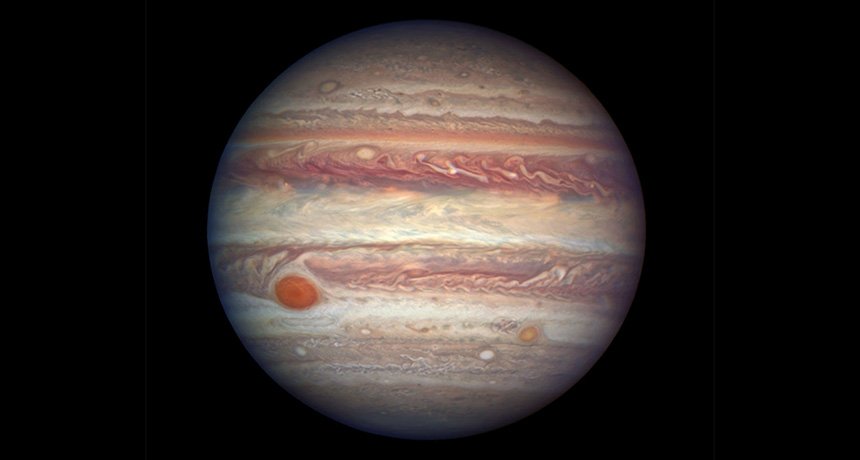
What is at the middle of a Heliocentric system?
Mars
Moon
Sun
Earth
What is the biggest difference between the Geocentric Model and the Heliocentric Model?
the shape of the planets' orbits
the movement of the moon
the center of the solar system
What does the Heliocentric system look like?


What does the Heliocentric system look like?
What does the Geocentric system look like?
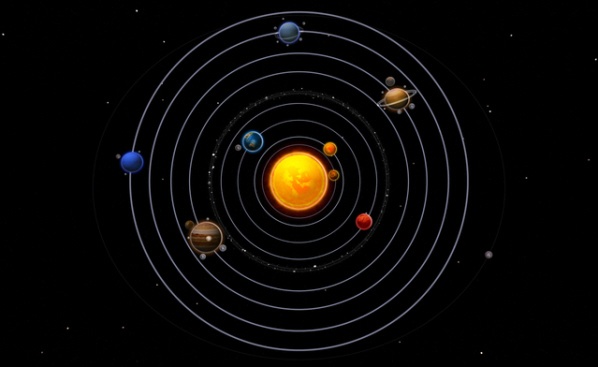
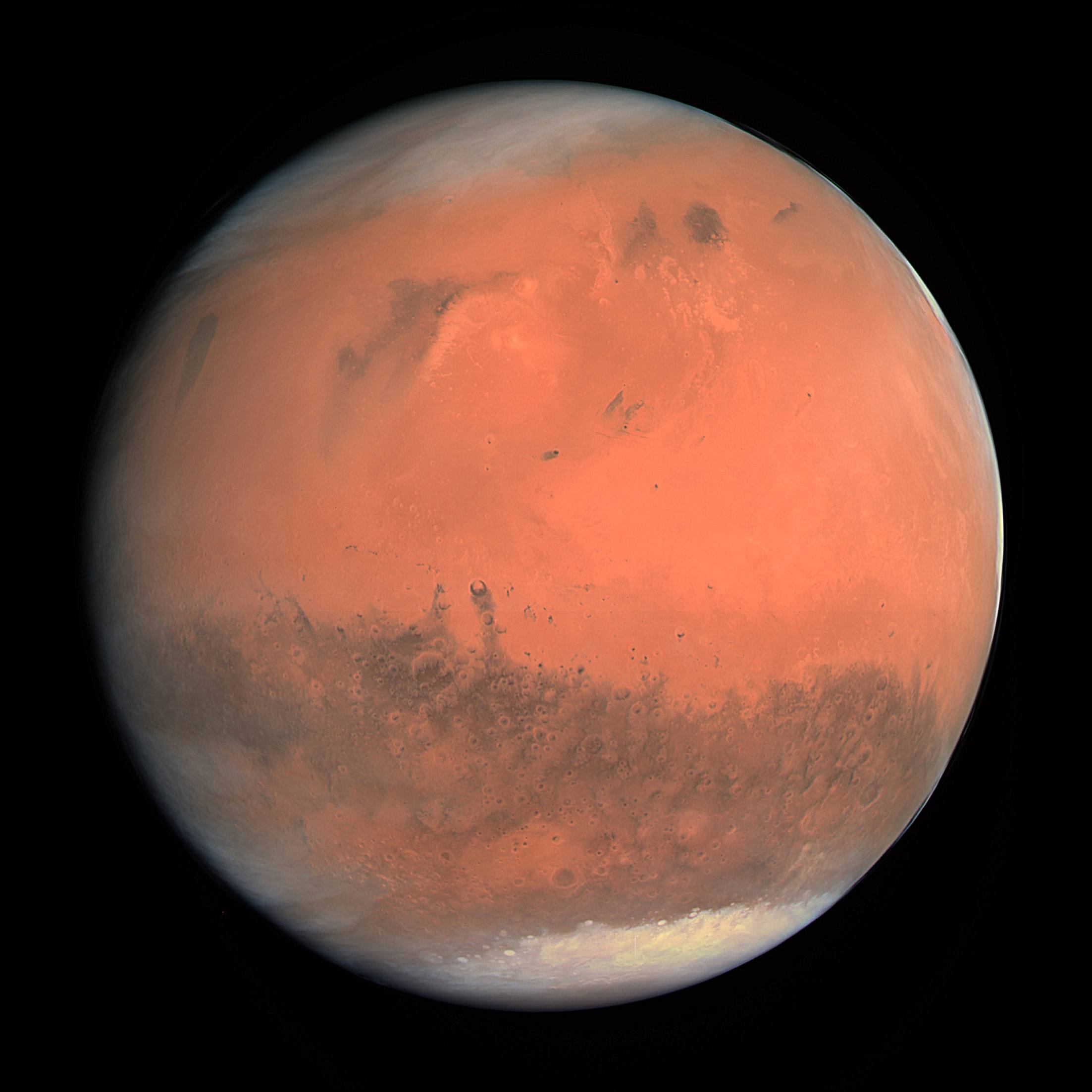
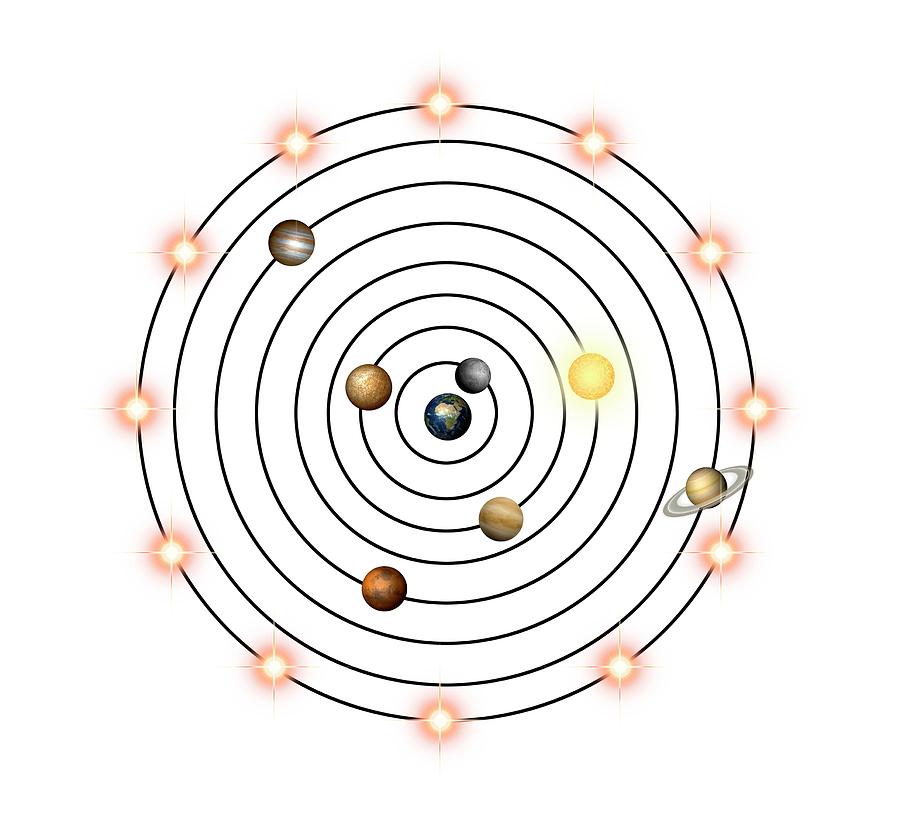
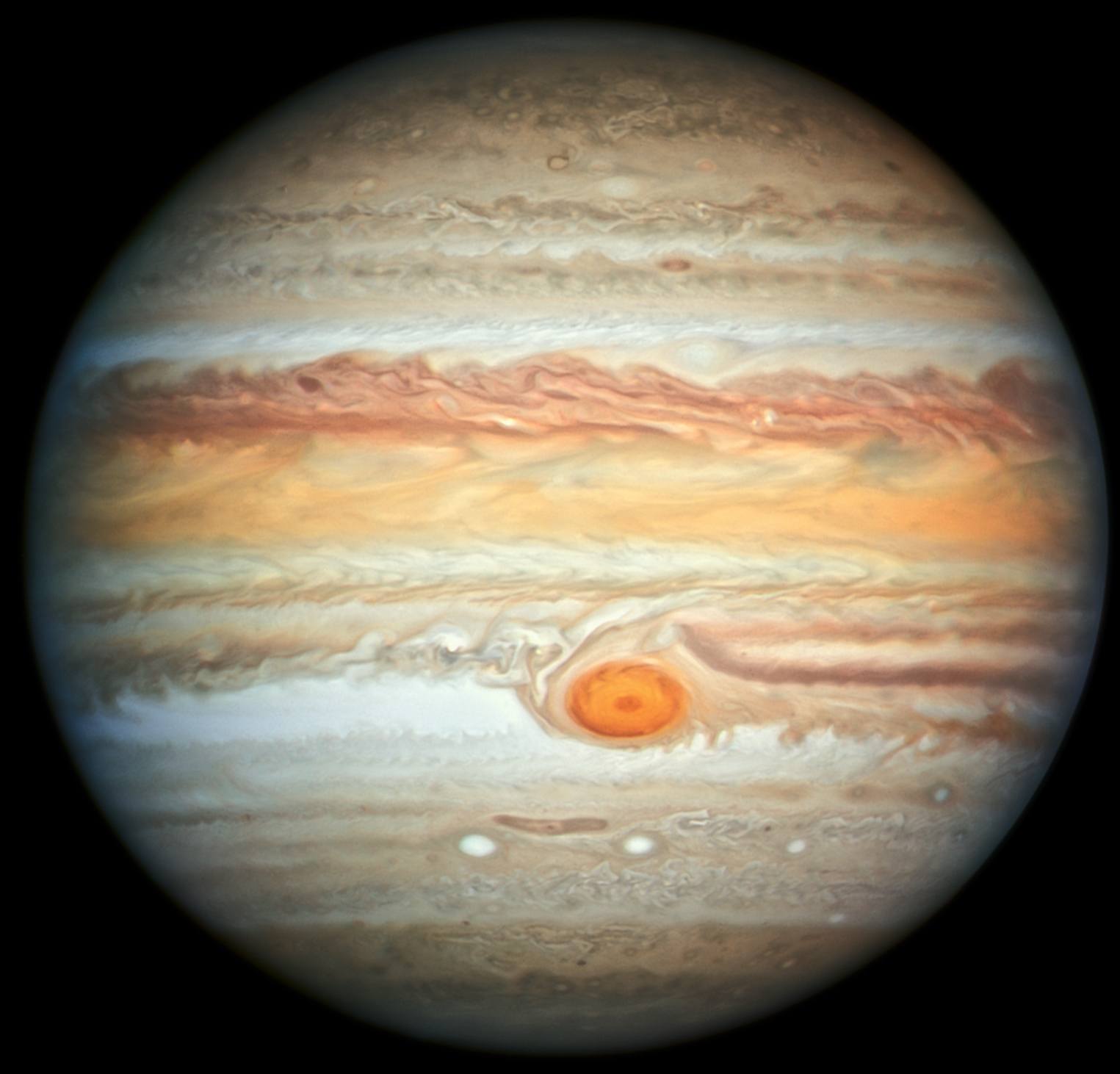
Who proposed the Heliocentric system?
Copernicus
Ptolemy
Aristotle
Galileo
Who supported the Geocentric system?
Ptolemy
Aristotle
Copernicus
Galileo
What is at the middle of a Geocentric system?
Sun
Neptune
Earth
The Universe

