wayground logo

Free Printable Worksheets

Font size

S
M
L
XL
Worksheets

Environmental Science Review, Units 1-3

Total questions: 155

Worksheet time: 3hrs 35mins

Name
Class
Date
1.

Which of the following can water NOT dissolve?

a)

Salt

b)

Sugar

c)

Oil

d)

Baking Soda

2.

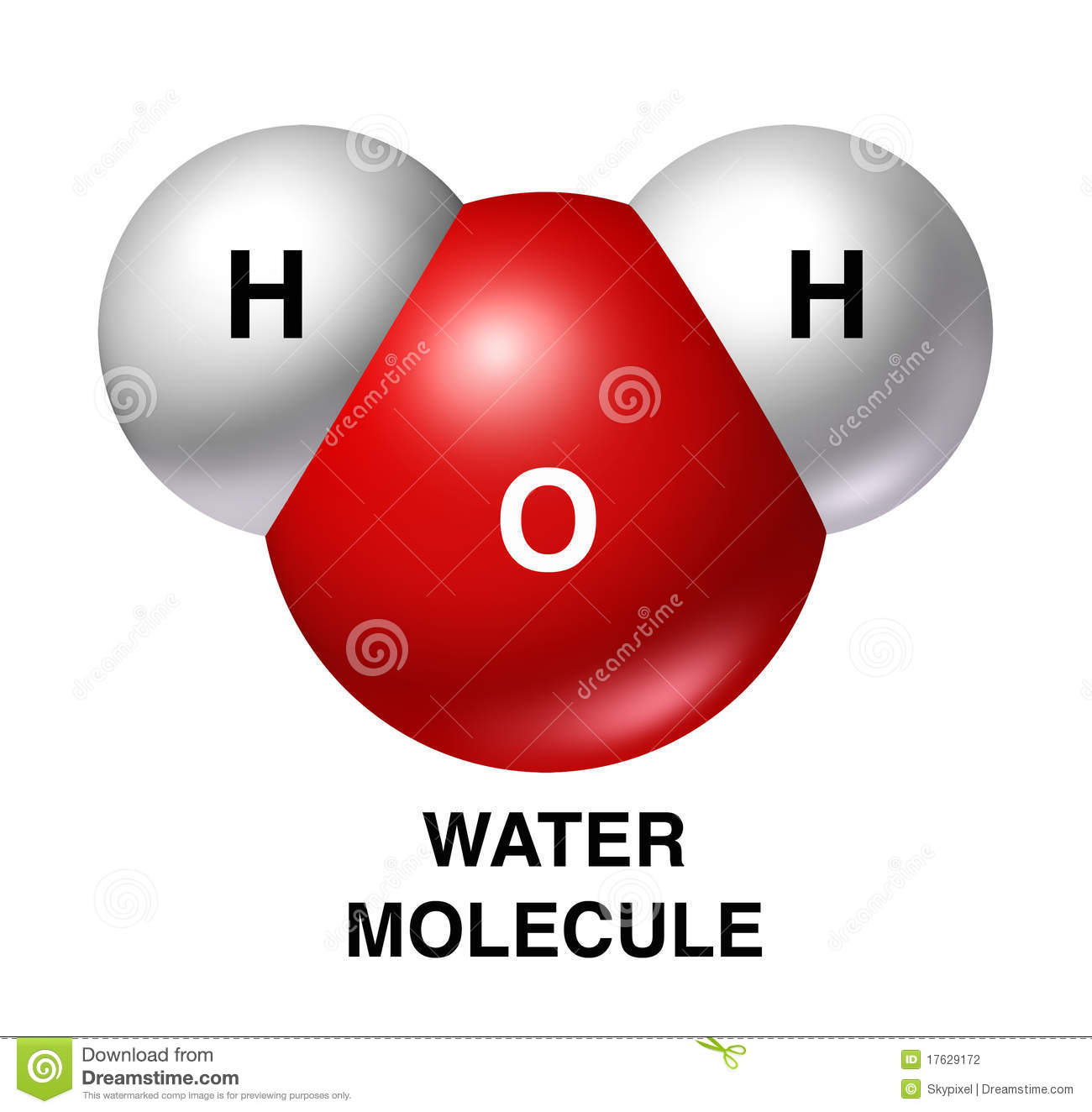
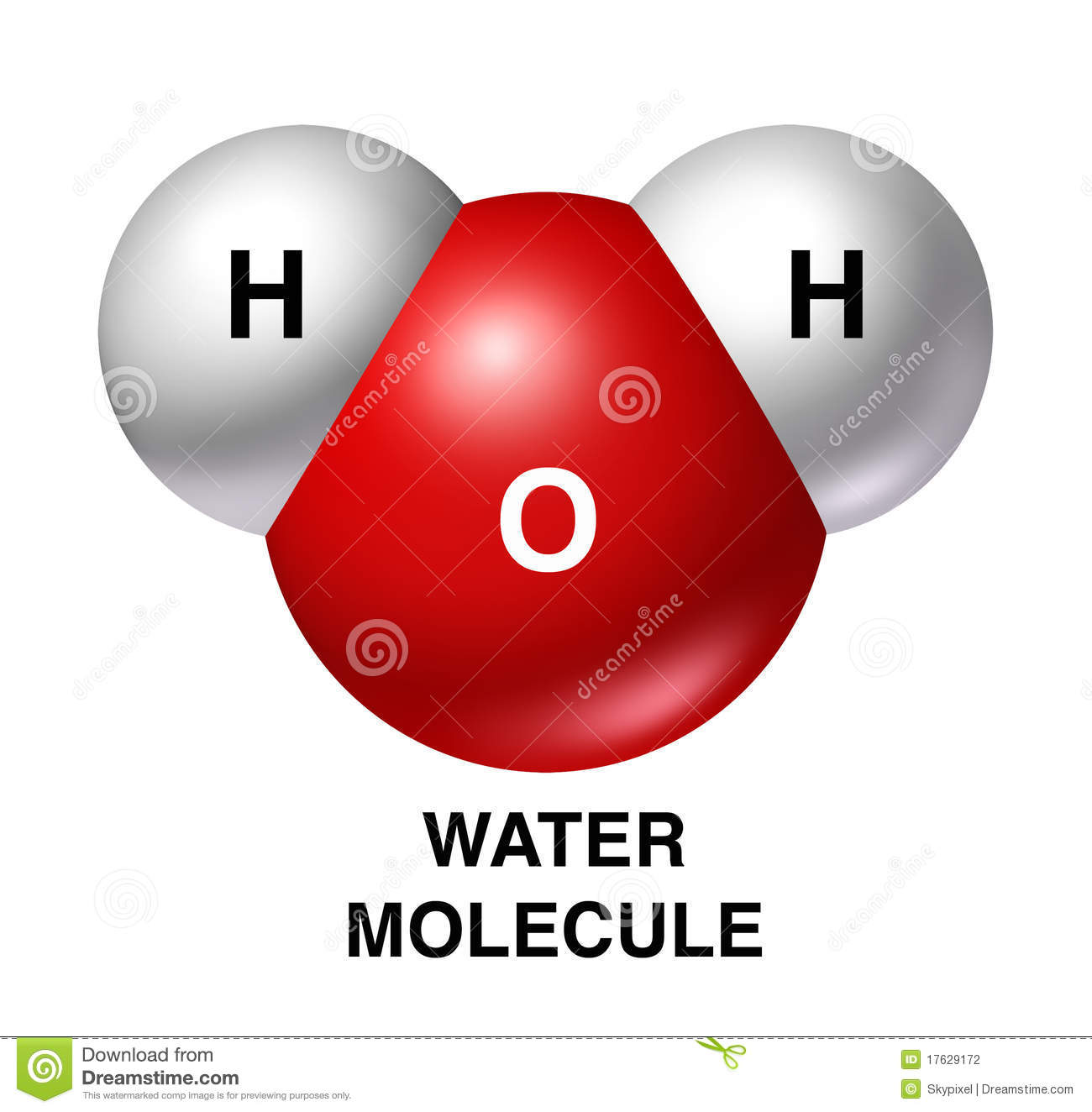
Which part of a water molecule has a Positive Charge?

a)

The Hydrogen

b)

The Oxygen

c)

The Top

d)

The Bottom

3.

What is the correct chemical formula for water?

a)

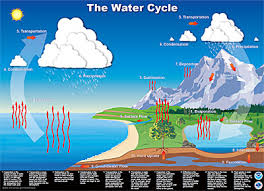
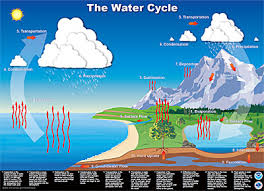
H2O

b)

HO2

c)

H2O2

d)

2H1O

4.

Which of the following is an example of COHESION?

a)

water sticking to water

b)

water sticking to glass

c)

oil sticking to plastic

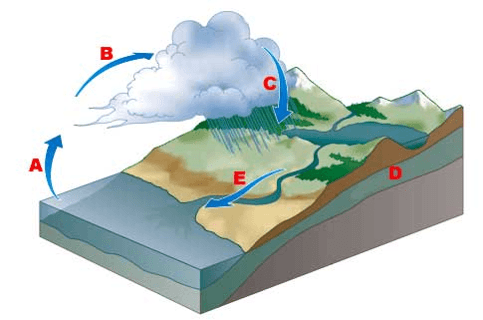
d)

hydrogen sticking to oxygen

5.

Which part of a water molecule has a Negative Charge?

a)

The Hydrogen

b)

The Oxygen

c)

The Left

d)

The Right

6.

Water is polar. What does that mean?

a)

it is a molecule with opposite charges on opposite ends

b)

it is a molecule with no charge

c)

it is a molecule with identical charges on opposite ends

d)

it is a molecule with too many protons

7.

Water sticks well to many materials. What term relates to this property of water?

a)

cohesion

b)

adhesion

c)

density

d)

surface tension

8.

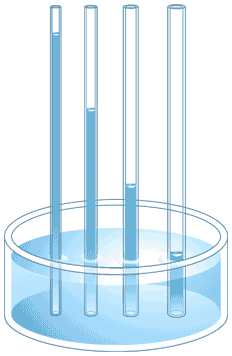
What is the term for water's ability to defy gravity and climb up a tube?

a)

Capillary Action

b)

Specific Heat

c)

Universal Solvent

d)

Magic

9.

At what temperature does water Freeze?

a)

0o C

b)

100o C

c)

32o C

d)

-273o C

10.

At what temperature does water Boil?

a)

0o C

b)

100o C

c)

32o C

d)

212o C

11.
What is adhesion?
a)
Water's ability to stick to itself
b)
Water's ability to stick to other substances
c)
The strength of the cohesion of all the water molecules combined
d)
Tape, glue and other adhesives
12.

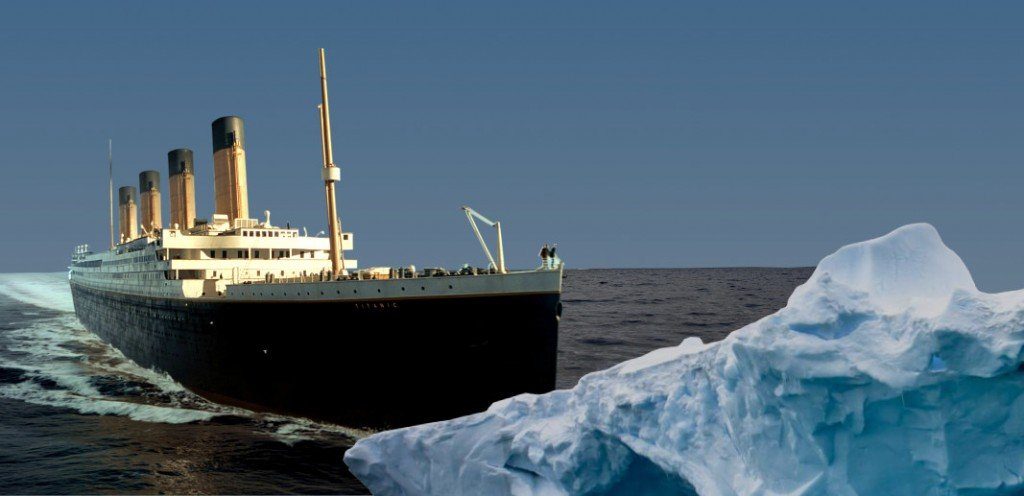
Why does ice float?

a)

water expands when it freezes, making ice less dense than water

b)

water compacts when it freezes, making ice more dense than water

c)

hydrogen bonds in water push the ice to the surface

d)

ice is afraid of water, and avoids it

13.
What is cohesion?
a)
Water's ability to stick to itself
b)
Water's ability to stick to other substances
c)
The strength of the cohesion of all the water molecules combined
d)
Tape, glue and other adhesives
14.
Large bodies of water do not quickly fluctuate in temperature. Why?
a)
Water is a solvent.
b)
Water has a high heat capacity.
c)
Water acts as a buffer.
d)
Water is non-polar.
15.
Water is a universal solvent because it...
a)
It can be found anywhere
b)
It freezes when it gets cold
c)
floats when frozen
d)
Dissolves most substances
16.
Which statement explains why water molecules stick together?
a)
both sides are negative
b)
one side has a positive charge and the other side has a negative charge
c)
one side has a negative charge adn the other side has a neutral charge
d)
both sides are positive
17.

As a part of the water cycle, water from Earth's surface enters the clouds and finally falls back to the ground in the form of rain. What is the correct sequence of processes water undergoes?

a)

Evaporation, Condensation, Precipitation

b)

Precipitation, Condensation, Evaporation

c)

Condensation, Evaporation, Precipitation

d)

Evaporation, Precipitation, Condensation

18.

The image shows various stages in the water cycle. During which stage does water flow back towards the sea as runoff?

a)

W

b)

X

c)

Y

d)

Z

19.

What is another name or synonym for the water cycle?

a)

Geologic cycle

b)

Hydrologic cycle

c)

Geosphere

d)

Carbon cycle

20.

Water in its gas form is called ____________________,

a)

water vapor

b)

precipitation

c)

ice

d)

air

21.
During which stage do clouds form?
a)
condensation
b)
evaporation
c)
precipitation
22.
Which stages does liquid water from the ocean turn into water vapor?
a)
condesantion
b)
evaporation
c)
precipitation
d)
run off
23.
Which represents the distribution of water on Earth?
a)
3% freshwater, 97% salt water
b)
97% freshwater, 3% salt water
c)
71% freshwater, 29% salt water
d)
29% freshwater, 71% salt water
24.

Where is most of the freshwater found on Earth?

a)

lakes and rivers

b)

ice

c)

oceans

d)

in the ground

25.
Most of the Earth's water is in
a)
salty oceans
b)
freshwater lakes
c)
freshwater ponds
d)
glaciers
26.

What percent of Earth's freshwater is available for humans to use?

a)

3

b)

less than 1

c)

97

d)

10

27.
The total amount of water on Earth is constantly changing.
a)
true
b)
false
28.

What type of bond is found BETWEEN water molecules?

a)

hydrogen bonds

b)

ionic bonds

c)

nonpolar covalent bonds

d)

polar covalent bonds

29.
When water molecules stick easily to other water molecules, this is called what?
a)
cohesion
b)
adhesion
c)
solution
d)
polar molecule
30.
The fact that ice floats on liquid water is due to the fact that water's solid is ___________ than it's liquid form
a)
less polar
b)
more polar
c)
less dense
d)
more dense
31.
Large bodies of water help to keep nearby climates from being too hot or too cold  because they...
a)
absorb heat in the spring and slowly release that heat in the fall
b)
absorb heat in the fall and slowly release that heat in the spring
c)
absorb heat in the summer and slowly release that heat in the winter
d)
absorb heat in the winter and slowly release that heat in the summer
32.
What two elements make up water?
a)
Helium and oxygen
b)
Hydrogen and oxygen
c)
helium and carbon
d)
oxygen and carbon
33.
What word describes when water is attracted to other substances?
a)
cohesion
b)
adhesion
c)
capillary action
d)
surface tension
34.
Attractions between the negative Oxygen atom of one water molecule and the positive Hydrogen atom of another water molecule are called
a)
Covalent bonds
b)
Ionic bonds
c)
Polar bonds
d)
Hydrogen bonds
35.

What characteristic is shown in the image?

a)

Polarity

b)

Hydrogen Bonds

c)

Cohesion

d)

Adhesion

36.

Water has ... specific heat. Meaning, it takes ... time to warm up a large amount of water.

a)

high/ long 

b)

high/ short

c)

low/long

d)

low/ short

37.

What is this

a)

precipitation

b)

evaporation

c)

condensation

38.

What is this?

a)

precipitation

b)

evaporation

c)

condensation

39.

What is this?

a)

evaporation

b)

precipitation

c)

condensation

40.

When water evaporates, it changes from a solid to a gas.

a)

True

b)

False

41.

When water changes from a solid to a liquid, it _________.

a)

freezes

b)

melts

42.

What happens to rain after it falls?

a)

It goes into rivers.

b)

It goes into glaciers.

43.

The water cycle makes more water for Earth.

a)

True

b)

False

44.

What causes water to change forms?

a)

energy

b)

luck

45.

Does water ever disappear completely?

a)

Yes, it disappears.

b)

No, it changes form.

46.

An underground layer of sand, gravel or rock that stores and carries water

a)

water table

b)

water cycle

c)

aquifer

d)

Infiltration

47.

The process by which water moves through the soil

a)

Precipitation

b)

Percolation

c)

Condensation

d)

Evaporation

48.

Plants giving off moisture and releasing water into the air

a)

Precipitation

b)

Evaporation

c)

Transpiration

d)

Runoff

49.

Water running off the land surface

a)

Evaporation

b)

Sublimation

c)

Transpiration

d)

Run-off

50.

Changes liquid and frozen water into water vapor gas which floats up into the skies to become clouds

a)

Evaporation

b)

Precipitation

c)

Condensation

d)

Runoff

51.

When clouds get too heavy and water falls back to earth in the form of rain, snow, hail or other forms.

a)

Precipitation

b)

Evaporation

c)

Percolation

d)

Transpiration

52.
What process is happening at C in the diagram?
a)
runoff
b)
precipitation
c)
condensation
d)
transpiration
53.
What is occurring at A in the diagram?
a)
runoff
b)
precipitation
c)
evaporation
d)
condensation
54.
What is the source of groundwater?
a)
rain, snow, melted glaciers
b)
ocean water
c)
icebergs
d)
water from fossilized animals
55.
How do people extract groundwater?
a)
groundwater cannot be extracted
b)
by drilling wells and pumping water out of the ground
c)
mining water from the Earth
d)
answer not shown
56.

Movement of water through the soils of Earth is what?

a)

Diffusion

b)

Infiltration

c)

Exfoliation

d)

Precipitation

57.

In which of the following are the molecules of H2O the closest together?

a)

Gas

b)

Water

c)

Solid

d)

All are the same

58.

In which of the following are the molecules of H2O moving the fastest?

a)

Gas

b)

Liquid

c)

Solid

d)

All are the same

59.
A rock formed from fragments of other rocks is a(n)
a)
Metamorphic Rock
b)
Sedimentary Rock
c)
Extrusive Rock
d)
Igneous Rock
60.
If heat and pressure inside the Earth cause a rock to melt, the material that formed would be
a)
Metamorphic
b)
Magma
c)
Sedimentary
d)
Igneous
61.
Fossils are only found in
a)
Sedimentary rocks
b)
Foliated Metamorphic rocks
c)
Igneous Rocks
d)
Nonfoliated Metamorphic rocks
62.
This rock started as molten magma. What type of rock is this?
a)
Sedimentary
b)
Igneous
c)
Metamorphic
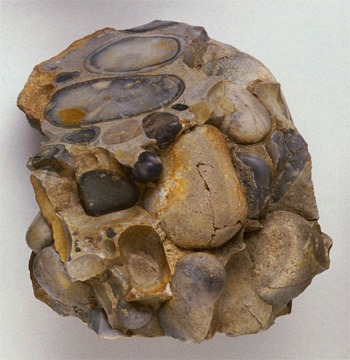
63.
This rock was formed by smaller pieces of rock that settled at the bottom of a lake millions of years ago. What type of rock is this?
a)
Sedimentary
b)
Igneous
c)
Metamorphic
64.
True or False: Once a rock is sedimentary, it cannot become an igneous rock.
a)
True
b)
False
65.
What are the 3 major types of rocks?
a)
Igneous, Metamorphic, Sedimentary
b)
Metamorphic, Igneous, Cementation
c)
magma, lava, crystals
66.
The process by which metamorphic rocks are formed...
a)
heat and pressure
b)
erosion and deposition
c)
melting and cooling
67.
The name rock is given when it is broken down into smaller pieces.
a)
texture
b)
weathering
c)
sediment
d)
erosion
68.
Which type of rock is made by small bits of rock, mud, or sand compacted and cemented together?
a)
Coal
b)
igneous
c)
metamorphic
d)
sedimentary
69.
Which type of rock is made from a rock being changed by heat and pressure?
a)
Smooshed Rock
b)
igneous
c)
metamorphic
d)
sedimentary
70.

Which type of rock is made from lava or magma cooling?

a)

igneous

b)

sedimentary

c)

metamorphic

71.
a rock that formed from layers of sediments
a)
metamorphic
b)
igneous
c)
sedimentary
d)
magma
72.

What process can turn magma into Granite (Igneous Rock)?

a)

Weathering

b)

Erosion

c)

Cooling

d)

Melting

73.

Which type of rock is labeled A?

a)

Igneous

b)

Metamorphic

c)

Sedimentary

74.

What has to occur at #4 for rock A to turn into rock B?

a)

Melting

b)

Cooling

c)

Heat and Pressure

d)

Compaction and Cementing

75.

Sedimentary rock and change into another sedimentary rock through what process(es)?

a)

Weathering, erosion, compaction, cementation

b)

Heat and pressure

c)

Erosion only

d)

Melting and cooling

76.
If heat and pressure inside the Earth cause a rock to melt, the material that formed would be
a)
Metamorphic
b)
Magma
c)
Sedimentary
d)
Igneous
77.
As lava cools and crystallizes, what type of rock will form?
a)
Sedimentary
b)
Metamorphic
c)
Extrusive Igneous
d)
Intrusive Igneous
78.
When sediments are pressed together tightly, this is called ____________.
a)
Compaction
b)
Cementation
c)
Weathering
d)
Erosion
79.

What are the three compositional layers of the Earth?

a)

Core, mesosphere, lithosphere

b)

Crust, mesosphere, core

c)

Inner core, outer core, crust

d)

Crust, mantle, core

80.

Which of these parts of the crust is thicker?

a)

Oceanic crust

b)

Continental crust

81.

What property of matter has caused the layers of the earth to be ordered in the way they are?

a)

Mass

b)

Density

c)

Weight

d)

Volume

82.

Which elements are most likely found in the earth's core?

a)

Iron and nickel

b)

Iron and aluminum

c)

Nickel and carbon

d)

Nickel and aluminum

83.

What is the name for the compositional layer of the earth between the crust and core?

a)

Mesosphere

b)

Mantle

c)

Lithosphere

d)

Outer core

84.

How do scientists study the composition of the Earth?

a)

Drilling down super deep

b)

Analyzing depths of oceans

c)

Seismic waves traveling through the Earth's surface

d)

Studying mountains

85.

What causes seismic waves?

a)

Tsunamis and hurricanes

b)

Avalanches and landslides

c)

Blizzards and tornadoes

d)

Earthquakes and volcanic eruptions

86.

The inner core is solid.

a)

True

b)

False

87.

The outermost layer is the ________.

a)

mantle

b)

crust

c)

inner core

d)

outer core

88.

The layer below the crust is the ____________.

a)

oceanic crust

b)

mantle

c)

inner core

d)

continental crust

89.

The core is made up mostly of _______________.

a)

oxygen

b)

magnesium

c)

iron

d)

carbon

90.

All known life exist on this layer.

a)

inner core

b)

mantle

c)

core

d)

crust

91.

80% of the Earth's volume is made up of the _____.

a)

continental crust

b)

core

c)

mantle

d)

oceanic crust

92.

The inner core is ____________.

a)

solid

b)

molten

c)

unknown

d)

liquid

93.

The outer core is ___________.

a)

oxygen

b)

brittle rock

c)

solid rock

d)

molten rock

94.

The inner core is as hot as _________.

a)

100 ovens

b)

the surface of the sun

c)

the big bang

d)

Utah in the summer

95.

This layer has rocks that move in circular motion.

a)

crust

b)

continental crust

c)

mantle

d)

oceanic crust

96.

This layer is made up of igneous, sedimentary, and metamorphic rocks.

a)

outer core

b)

inner core

c)

crust

d)

mantle

97.

This layer has the hottest temperatures of all the layers.

a)

continental crust

b)

mantle

c)

outer core

d)

inner core

98.

This layer has the highest pressure of all the layers.

a)

inner core

b)

outer core

c)

crust

d)

mantle

99.

What move the melted rock material in the Mantle?

a)

the pressure

b)

gravity

c)

earthquakes

d)

convection currents

100.
Which layer has the coolest temperatures?
a)
outer core
b)
inner core
c)
mantle
d)
crust
101.
Which statement is correct?
a)
As you move up through the layers, the pressure increases.
b)
As you move down through the layers pressure increases.
c)
As you move down through the layers, pressure decreases.
d)
As you move up down through the layers, pressure remains the same.
102.
Temperature _____________________ as you go deeper into the earth.
a)
increases
b)
decreases
c)
goes up and down depending on the layer
d)
stays the same
103.
Which of the following causes Earth's tectonic plates to move?
a)
Energy from the Sun
b)
Magnetic Pole Reversal
c)
Convection currents in the mantle
d)
Faults in Mountain Ranges
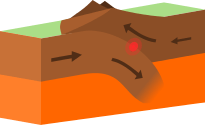
104.
What type of event will occur at this boundary?
a)
Earthquake
b)
Volcano Eruption
c)
Tornado
d)
Mountain Building
105.
What type of plate boundary is this?
a)
Plate
b)
Divergent
c)
Convergent
d)
Transform
106.
A divergent boundary occurs when plates ....
a)
Pull apart
b)
Come together
c)
Slide past each other
d)
subducting
107.
What geologic feature/event you be most likely to find at a transform boundary?
a)
Earthquakes
b)
Volcanoes
c)
Mountains
d)
Rift Valleys
108.
What geologic feature/event would you most likely to find at a divergent boundary between two pieces of oceanic crust?
a)
Rift Valley
b)
Mid-Ocean Ridge
c)
Island Arc
d)
Flat land
109.
What geologic feature/event would you most likely to find at a convergent boundary between two pieces of continental crust?
a)
Volcano
b)
Mountain
c)
Rift
d)
Island Arc
110.
A giant landmass that existed 200 million years ago
a)
Wegener
b)
Pangaea
c)
Archyopteryx
d)
Ammonite
111.
Which piece of evidence did Wegener use to prove continental drift?
a)
The shape of the continents
b)
Similar fossils found on separate continents
c)
Tree fossils found in odd places
d)
All of the above
112.
Which of the following changes would end Earth's tectonic activity?
a)
Earth's crust becomes a cooler solid
b)
Earth's mantles becomes a warmer semiliquid
c)
Earth's mantle becomes cooler and solid.
d)
Earth's outer core becomes warmer
113.
The diagram shows what can occur when two continental plates collide.Which characteristic of the Indian Plate explains why it moves under the Eurasian Plate?
a)
It is larger.
b)
It is denser.
c)
It is molten.
d)
It is younger.
114.

What do we call an area where more then two plates interact in different ways

a)

plate boundary zones

b)

hot spots

c)

convergent boundaries

d)

subduction

115.
This type of plate boundary is when two plates move apart.
a)
convergent
b)
transform
c)
divergent
d)
subductive
116.
This type of plate boundary is when two plates crash into each other.
a)
convergent
b)
transform
c)
divergent
d)
subductive
117.
This type of plate boundary is when two plates slide past each other.
a)
convergent
b)
transform
c)
divergent
d)
subductive
118.
Which of these is NOT a type of plate boundary?
a)
convergent
b)
divergent
c)
bivergent
d)
transform
119.

We live in an area without many earthquakes because _____

a)

We live near a major fault line

b)

We live near the boundary of 2 tectonic plates

c)

We live near the middle of the North American Plate

d)

We live near the Pacific Plate

120.

The Ring of Fire is an area where a large number of earthquakes and volcanic eruptions occur. What claim can be made about the Ring of Fire from this information?

a)

It is the only place on Earth where earthquakes can happen.

b)

The edges of the tectonic plates are moving in this area.

c)

It represents the areas where tectonic plates are the thickest.

d)

It has been getting larger since Earth first formed.

121.

A map is provided that shows the location of the Aleutian Islands in comparison to some of Earth’s tectonic plates is provided. Based on the information provided, which of the following is most likely a feature of the Aleutian Islands?

a)

The climate is getting older.

b)

They were formed by volcanic activity.

c)

These islands are the oldest on Earth.

Earthquakes do not occur there

122.

Is there a pattern to the locations of earthquakes and volcanoes around the globe?

a)

No, earthquakes and volcanoes are random.

b)

Yes, earthquakes and volcanoes usually occur near the boundaries of tectonic plates.

c)

yes, earthquakes and volcanoes usually occur in the middle of tectonic plates.

d)

No, earthquakes and volcanoes usually occur under water.

123.

What is subduction?

a)

where one tectonic plate sinks below another

b)

Where two plates slide

c)

Where two plates divide

d)

Where two plates collide

124.

What are Transform Plate Boundaries?

a)

Where two plates divide

b)

Where two plates collide

c)

Where two plates slide

125.

What are Convergent Plate Boundaries?

a)

Where two plates divide

b)

Where two plates collide

c)

Where two plates slide

126.

What is pangaea?

a)

Huge supercontinent that existed millions of years ago,

b)

Where two plates slide

c)

Where two plates divide

d)

Where two plates collide

127.

What is continental drift?

a)

Made of igneous rock

b)

Where two plates collide

c)

Theory that all of earths continents were once joined together in a singe, huge land mass and then started drifting away from each other.

d)

The process by which new oceanic crust forms when when magma rises up.

128.

What are Tectonic plates?

a)

Large moving pieces on Earth's surface that are made of rock.

b)

where two plates divide

c)

The inner core of the earth

d)

where magma rises up and solidifies

129.
Earth's oceanic crust is ______ than continental crust.
a)
thinner but denser
b)
thicker and denser
c)
thicker but less dense
d)
thinner and less dense
130.
What are the two kinds of crust?
a)
lithospheric and asthenospheric
b)
silicon based and iron based
c)
continental and oceanic
d)
outer and inner
131.
What is the correct order (starting from the surface) of Earth's layers?
a)
crust, outer core, inner core, mantle
b)
mantle, outer core, inner core, crust
c)
crust, mantle, outer core, inner core
d)
outer core, inner core, crust, mantle
132.

How thick is the crust?

a)

5 miles

b)

7 miles

c)

4 miles

d)

6 miles

133.

How thick is the inner core?

a)

1000 miles

b)

780 miles

c)

1204 miles

d)

900 miles

134.

What causes the plates to move inside the earth?

a)

Pressure

b)

Convection Currents

c)

Time

d)

Heat

135.
This rock was formed by smaller pieces of rock that settled at the bottom of a lake millions of years ago. What type of rock is this?
a)
Sedimentary
b)
Igneous
c)
Metamorphic
136.

When water and other minerals move through open spaced between larger sediments, gluing them together, ____________ occurs.

a)

Compaction

b)

Deposition

c)

Cementation

d)

Erosion

137.

What type of rock is formed from slow cooling magma UNDER the earth's surface?

a)

Extrusive Igneous

b)

Intrusive Igneous

c)

Metamorphic

d)

Sediment

138.

Rocks can turn into any other rocks?

a)

True

b)

False

139.

What is the first step of the scientific process?

a)

Observe/Question

b)

Hypothesis

c)

Record

d)

Share

140.

What are the 5 senses?

a)

Hear, See, Smell, Touch, Taste

b)

Hear, Smell, Sleep, Touch, Taste

c)

Sleep, Dream, Eat, Drink, Play

d)

Smell, Touch, Taste, Lift, Taste

141.
Scientific theories do not change once they have been written down.
a)
True
b)
False
142.

I use rulers, scales and calculators to make these observations.

a)

Qualitative data

b)

Quantitative data

143.
What is the best example of a hypothesis?
a)
Do hamsters live longer than rats?
b)
I think dogs make the best pets. 
c)
Cars and trucks use the same gas usually.
d)
Brand B lightbulb will burn longer in a lamp than Brand A. 
144.

The things that are changed in an experiment that can affect the results are called ____________.

a)

Materials

b)

Sections

c)

Processes

d)

Variables

145.

The part of the experiment that is affected by the Independent Variable and is the outcome of the experiment is called the _____________.

a)

Prediction

b)

Information

c)

Hypothesis

d)

Dependent Variable

146.

What is the independent variable in an experiment?

a)

The variable you change

b)

The variable you hope to observe

c)

The variable you measure

147.

Why do we need controls in an experiment?

a)

To make it challenging

b)

To collect data

c)

To make it fair and accurate

d)

To make it interesting

148.

Your experiment involves putting drops of liquids on different powders. What variable needs to be controlled?

a)

Use the same liquid on each powder

b)

Use the dropper correctly

c)

Use the same amount of powder

d)

Use only clear liquids

149.
True or False: Your hypothesis can never be wrong.
a)
True
b)
False
150.
The summary at the end of an experiment that explains the results. 
a)
conclusion
b)
procedures
c)
materials
d)
responding variable
151.
A student wants to test the effects of type of exercise on heart rate.  What is the dependent variable?
a)
heart rate
b)
type of exercise
c)
amount of exercise
d)
time of day exercise occurs
152.
Observations made during an experiment are called:
a)
data
b)
problems
c)
conclusions
d)
questions
153.
What is an observation for this picture?
a)
The man is scared
b)
The man is going to get eaten
c)
There is a man in a kayak
d)
The man is paddling fast
154.

To increase validity of an experiment, a scientist can

a)

revise the hypothesis

b)

make-up data

c)

repeat the experiment to collect more data

155.

What is a constant variable?

a)

factors you keep the same in the experiment

b)

the group that receives the normal treatment

c)

scientific idea with a lot of evidence

d)

educated prediction of what the results will look like