
 Worksheets
BIO101 Exam 4 Review
Total questions: 98
Worksheet time: 1hrs 10mins
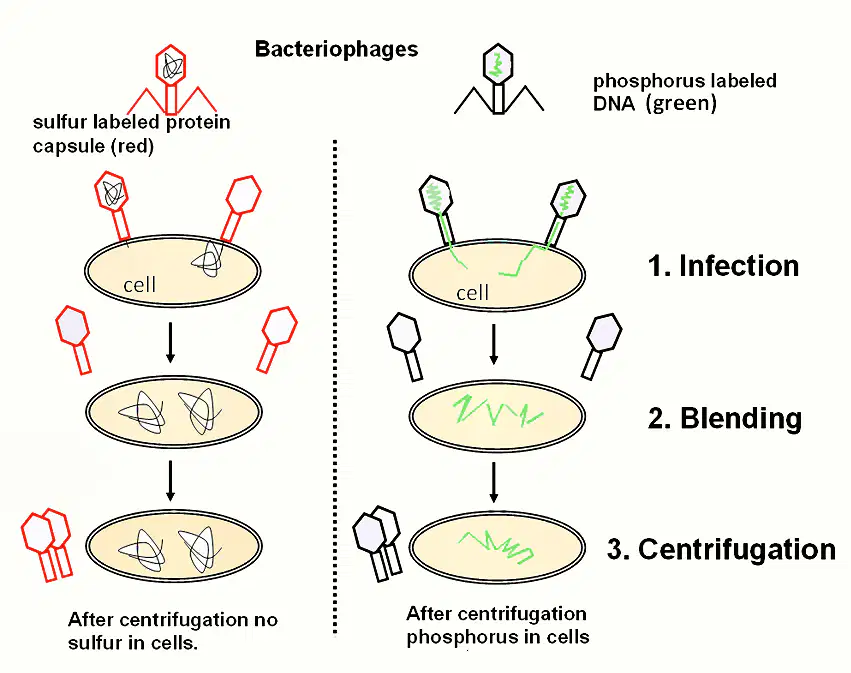
Hershey and Chase's experiment helped establish DNA as the genetic material by studying:
Mice and bacterial strains
Viruses and bacteria
Ribosomes and proteins
Enzymes and RNA
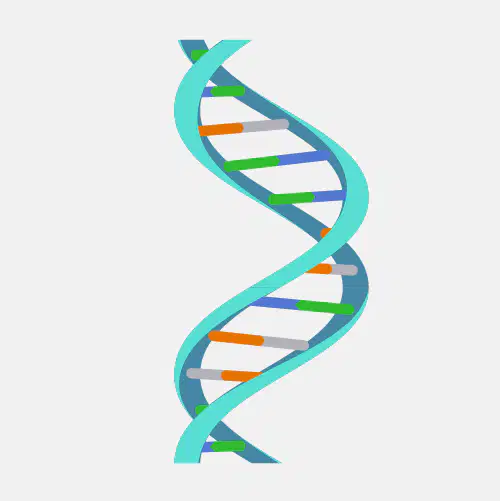
The structure of DNA is known as:
single helix
alpha helix
beta helix
double helix
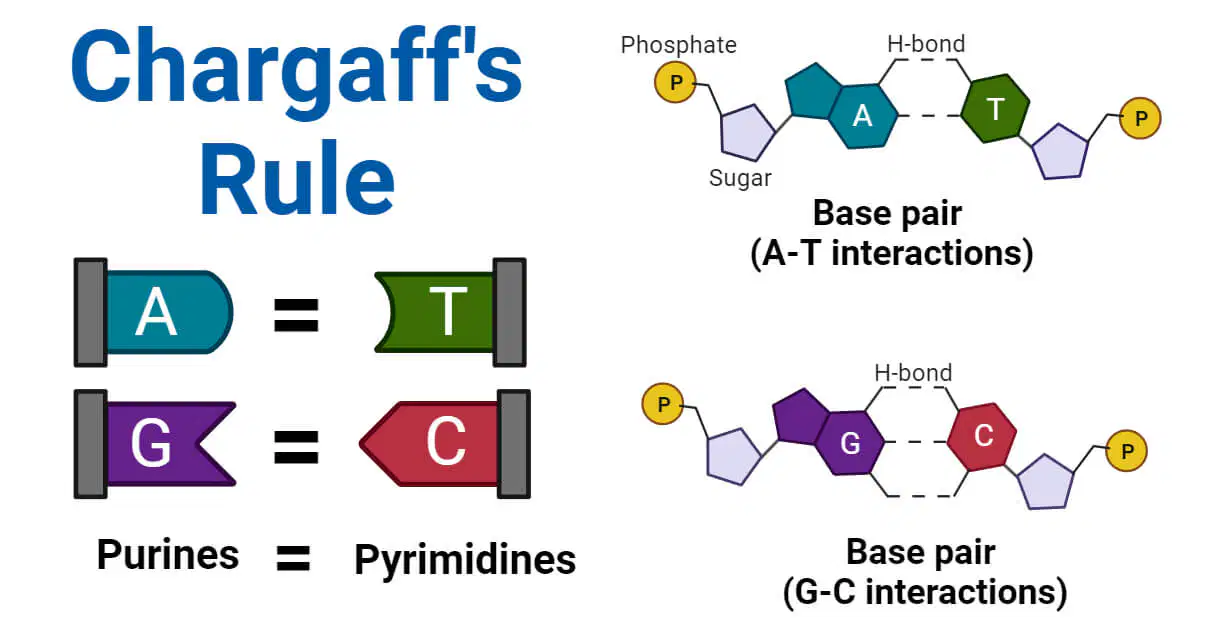
Chargaff’s rules state that:
A pairs with G and T pairs with C
A pairs with T and G pairs with C
A pairs with C and T pairs with G
A pairs with C and T pairs with G
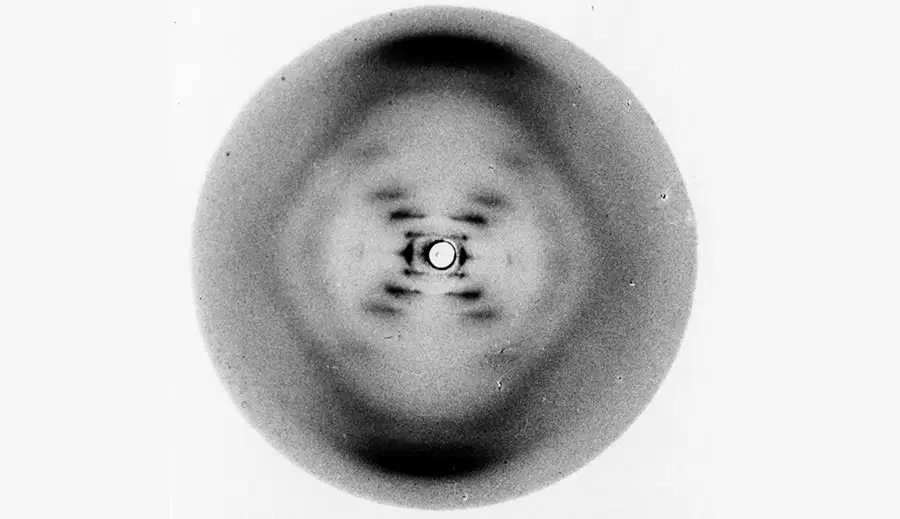
Rosalind Franklin’s x-ray crystallography was critical because it revealed:
DNA’s double-helix structure
Base pairing rules
DNA’s sugar-phosphate backbone
The sequence of nucleotides
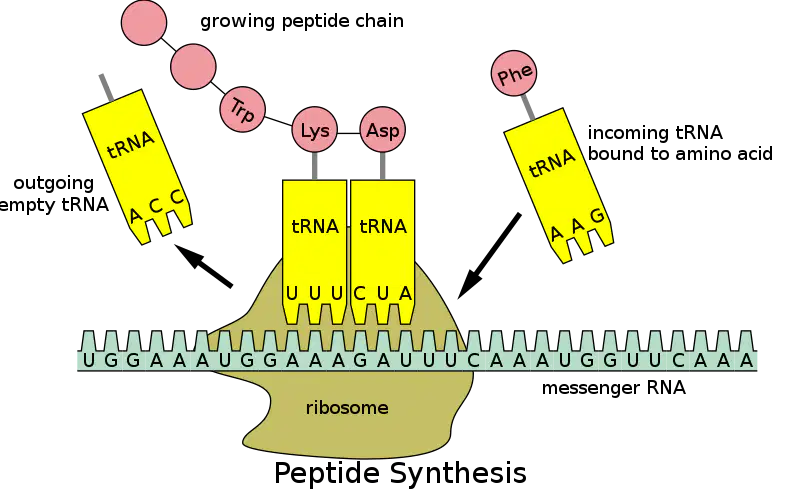
Transfer RNA (tRNA) carries genetic instructions from DNA to ribosomes.
True
False
Only in eukaryotes
Only under specific conditions

Which statement about DNA replication is NOT correct?
DNA polymerase catalyzes replication
Replication uses one old strand as a template
DNA replication forms identical molecules
Bases pair with others exactly like themselves

The enzyme that unzips DNA during replication is:
DNA polymerase
Helicase
Primase
Ligase

The synthesis of new DNA strands is carried out by:
DNA polymerase III
DNA polymerase I
Helicase
Ligase
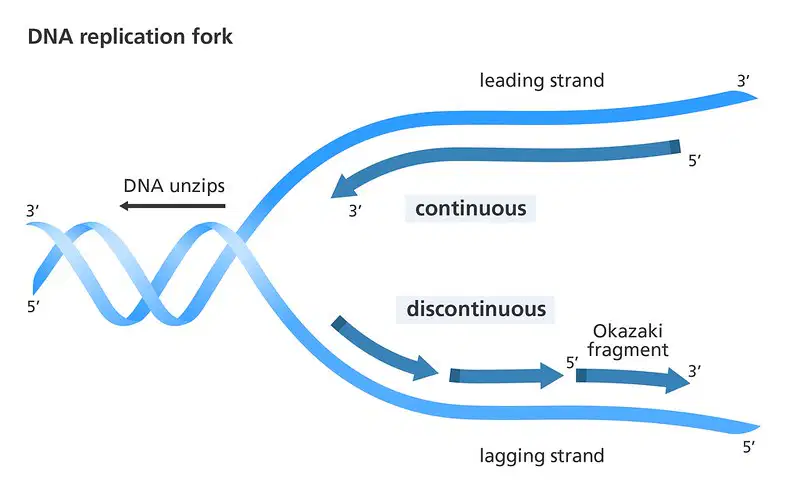
DNA polymerase adds nucleotides in which direction?
3' to 5' only
5' to 3' only
Both directions simultaneously
Depends on the strand

Which of the following is NOT true about the genetic code?
Each codon consists of three bases
Many amino acids have multiple codons
Each base codes for three amino acids
It includes start and stop codons
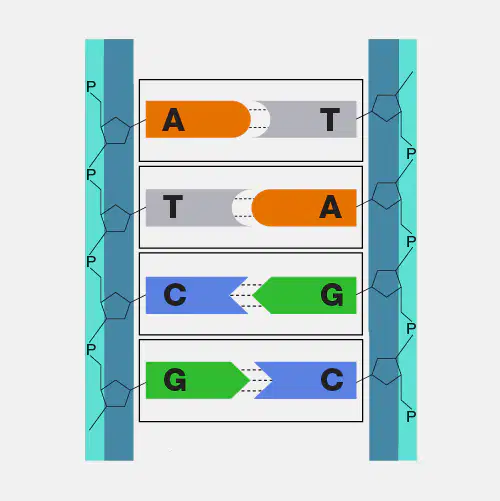
The chemical structure containing thymine and guanine is likely:
RNA
DNA
Protein
Ribosomal Units
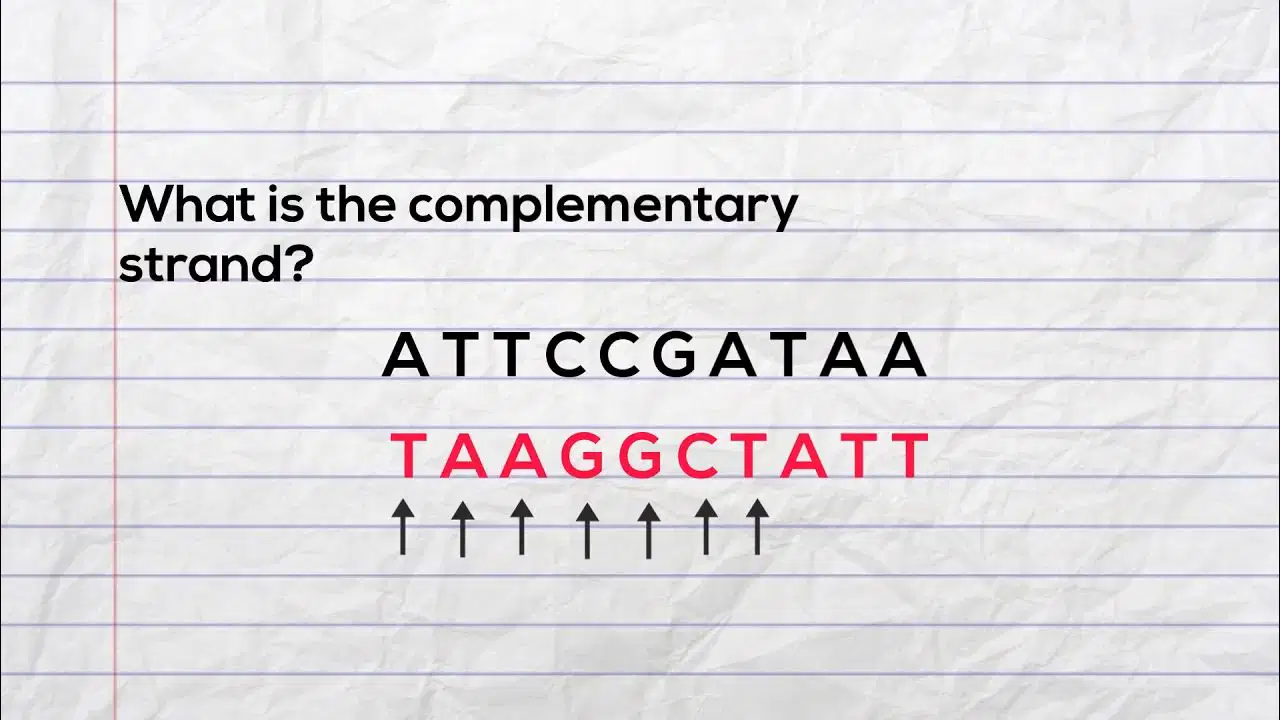
The complementary strand of 5’-AAG-CAA-3’ is:
3’-TTC-GTT-5’
5’-TTC-GTT-3’
3’-UUC-GUU-5’
3’-TTA-GCC-5’

The lagging strand is synthesized in Okazaki fragments because:
Helicase pauses periodically
DNA polymerase works only in one direction
DNA ligase cannot join long strands
DNA polymerase skips sections of the lagging strand
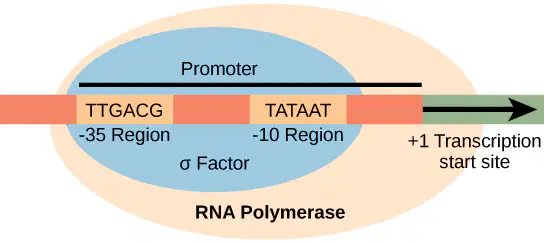
During transcription, RNA polymerase begins at:
A primer region
The terminator sequence
A promoter sequence
A start codon
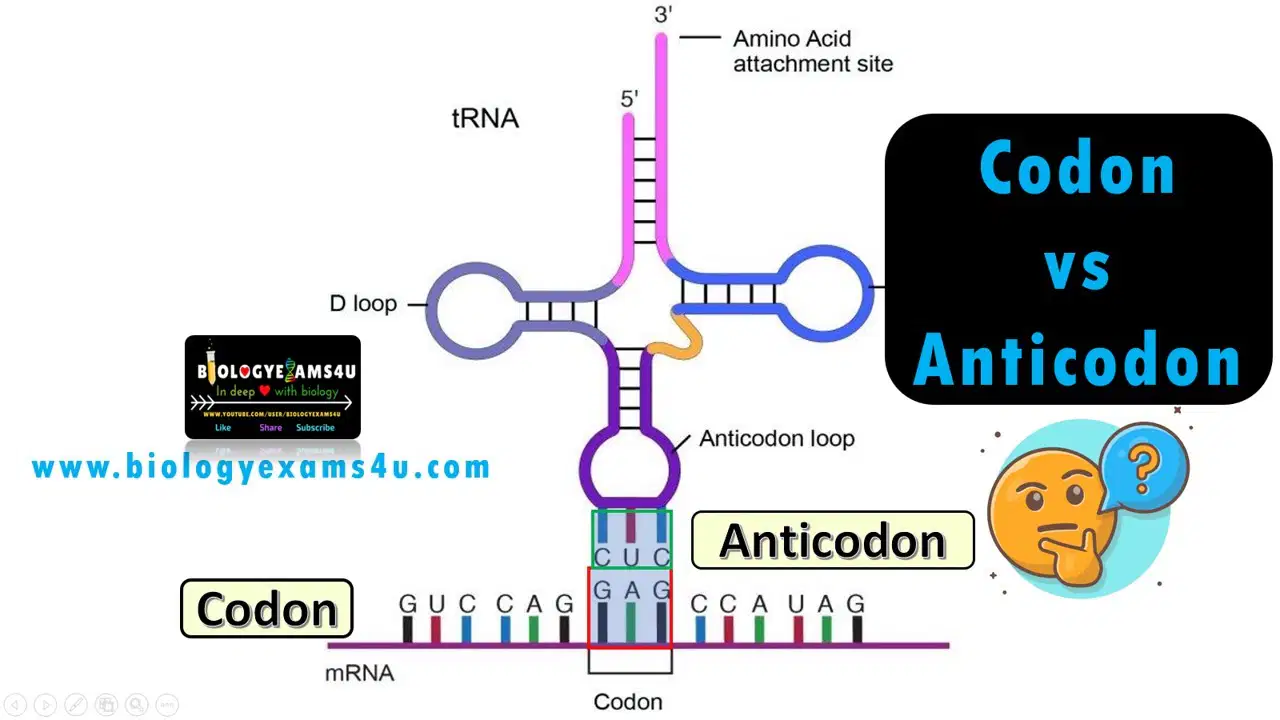
The sequence of three nucleotides on tRNA that binds to mRNA is called:
Codon
Anticodon
Triplet
Poly-A-Sequence
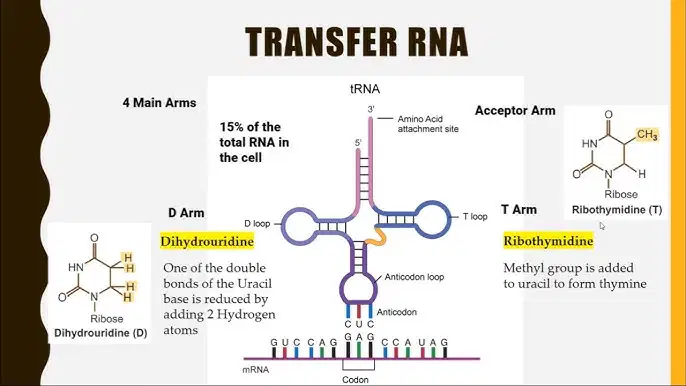
Which molecule is responsible for carrying amino acids during translation?
DNA
rRNA
mRNA
tRNA

A single nucleotide addition in an mRNA transcript can result in:
No change
A frameshift mutation
A substitution mutation
Termination of transcription

In DNA replication, SSBPs (single-strand binding proteins)
Join Okazaki fragments
Add RNA primers
Prevent strands from re-annealing
Initiate replication

Translation requires all of the following EXCEPT:
mRNA
tRNA
amino acids
DNA

Ribosomes are:
Specific to each protein
Made of rRNA and proteins
Present only in eukaryotes
Inactive during replication

The start codon in mRNA is:
UGA
AUG
AGU
UAG
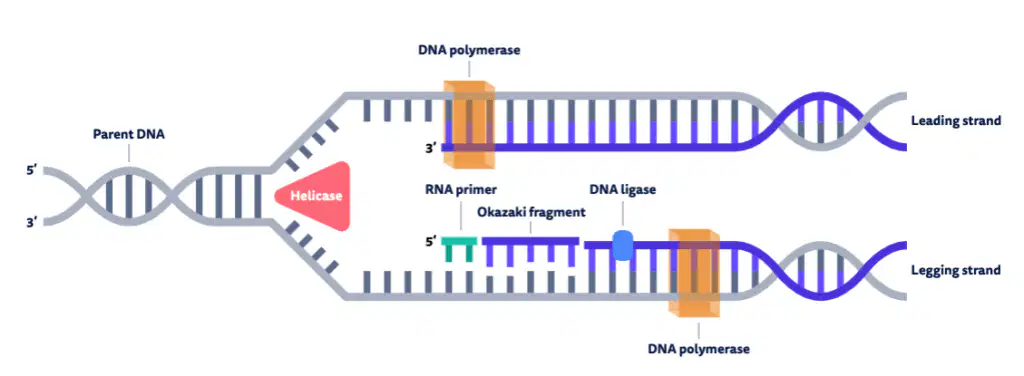
DNA replication requires RNA primers because:
Helicase cannot unwind the strands without primers
DNA polymerase cannot initiate synthesis on its own
RNA primers make DNA synthesis faster
Primers stabilize single-stranded DNA
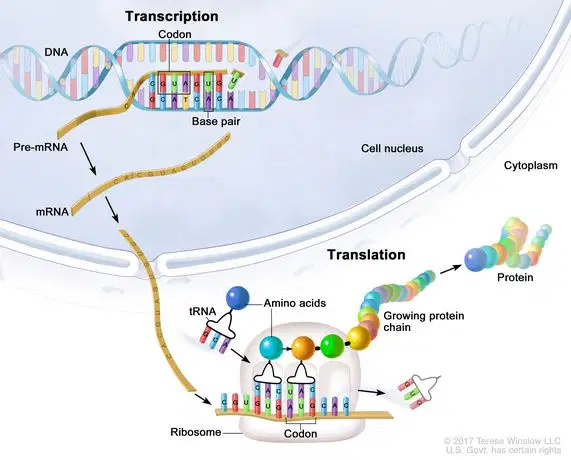
In eukaryotes, transcription occurs in the:
Nucleus
Ribsome
Cytoplasm
Mitochondria
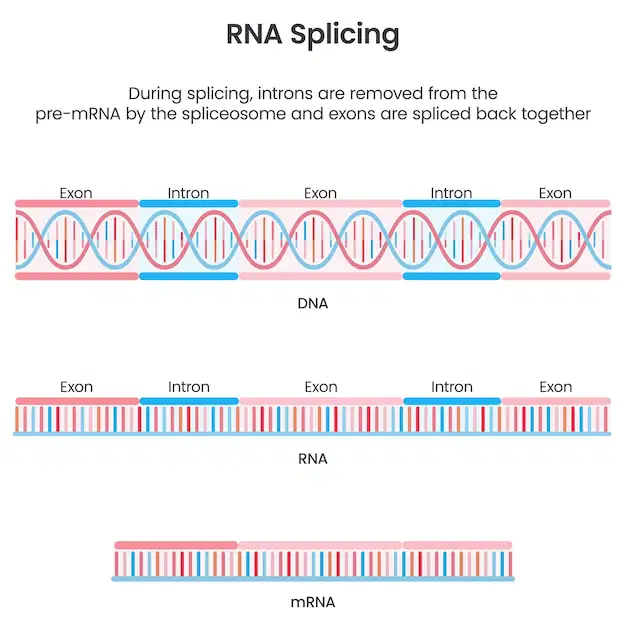
Introns in pre-mRNA are:
Protein-coding regions
Translated into proteins
Added to protect the mRNA from degradation
Removed during RNA splicing

Which molecule carries genetic instructions from DNA to the ribosome?
(a)

Which enzyme synthesizes RNA primers during DNA replication?
Primase
Helicase
DNA polymerase III
Ligase

What process converts mRNA into a protein?
(a)

What type of mutation adds an extra nucleotide to a DNA sequence?
Deletion
Substitution
Insertion
Frameshift
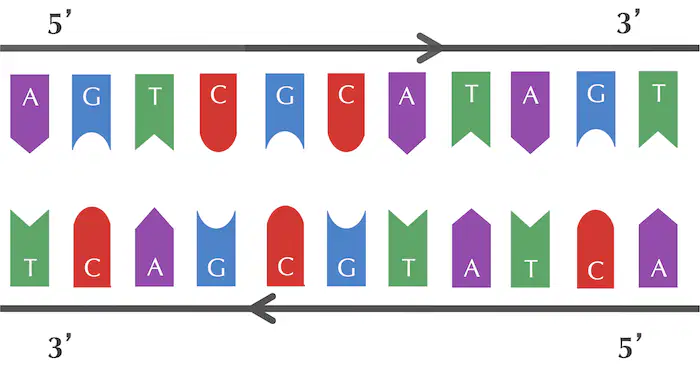
The complementary strand of 5’-GCTAAT-3’ is:
5’-CGATTA-3’
3’-TAGCAT-5’
3’-CGATTA-5’
5’-TAGCAT-3’
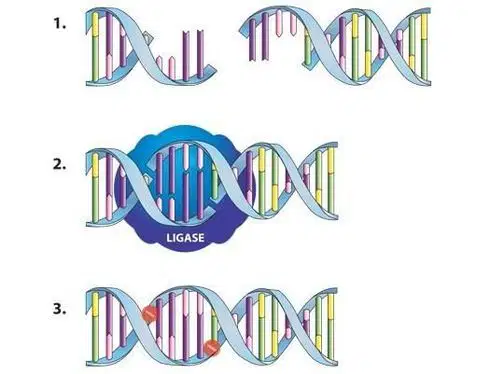
What is the role of ligase in DNA replication?
Unwinds the DNA helix
Synthesizes RNA primers
Adds nucleotides to the growing strand
Joins Okazaki fragments
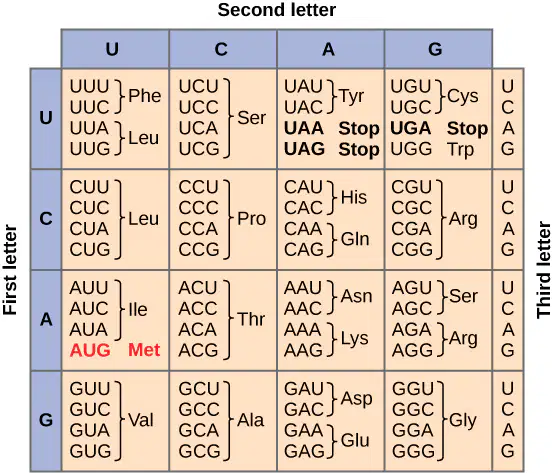
The sequence of three bases on mRNA that specifies an amino acid is called a:
(a)
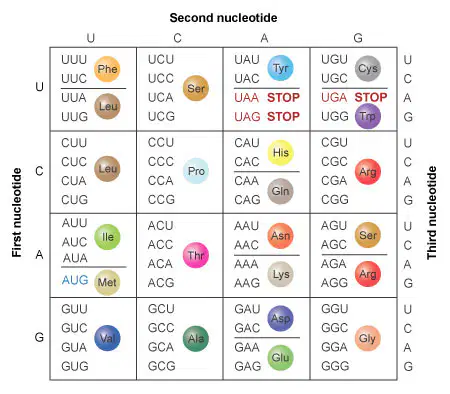
The sequence of nucleotides in DNA determines:
The number of ribosomes in a cell
The sequence of amino acids in a protein
The amount of ATP produced
The speed of cell division

Which enzyme prevents DNA strands from supercoiling during replication?
Helicase
Ligase
Topoisomerase
Primase

The process of synthesizing mRNA from DNA is called:
Translation
Replication
Mutation
Transcription

**USE THE IMAGE** Which of the following codons is a stop codon?
AUG
UGA
UUU
GCU
Which statement about RNA processing is true?
Introns are removed, and exons are spliced together
Both introns and exons remain in the final mRNA
The poly-A tail is added to the 5’ end
RNA processing occurs only in prokaryotes

The sugar found in RNA is:
Ribose
Glucose
Fructose
Deoxyribose

In RNA, the base (a) replaces thymine (T) found in DNA.

The (a) strand is synthesized discontinuously during DNA replication, forming Okazaki fragments.

The three stages of translation are initiation, (a) , and termination.
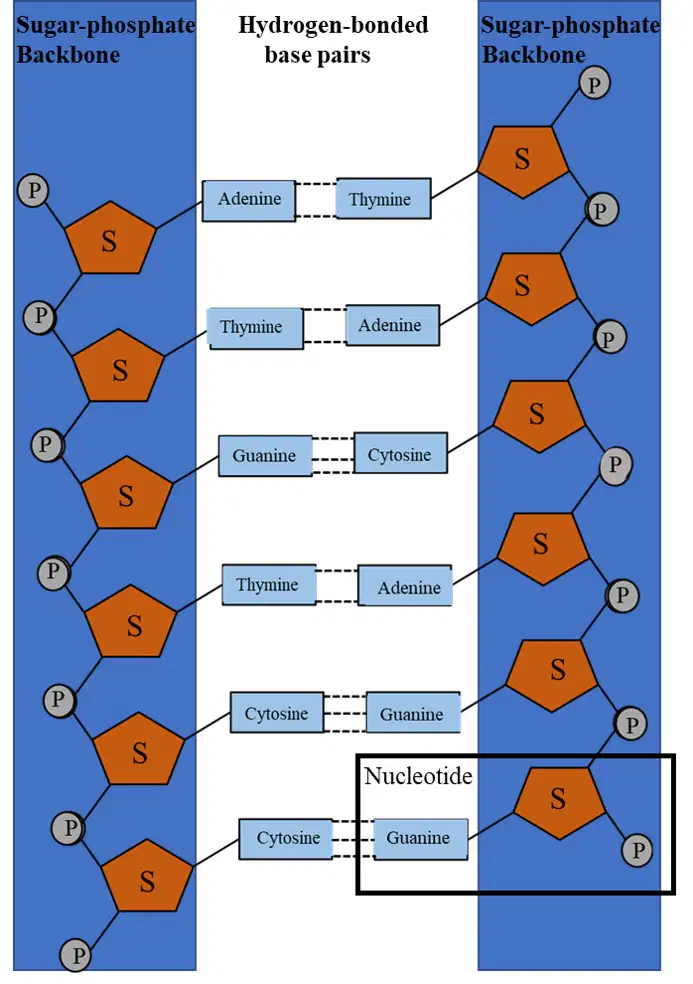
(a) bonds hold the two DNA strands together, pairing A with T and G with C.
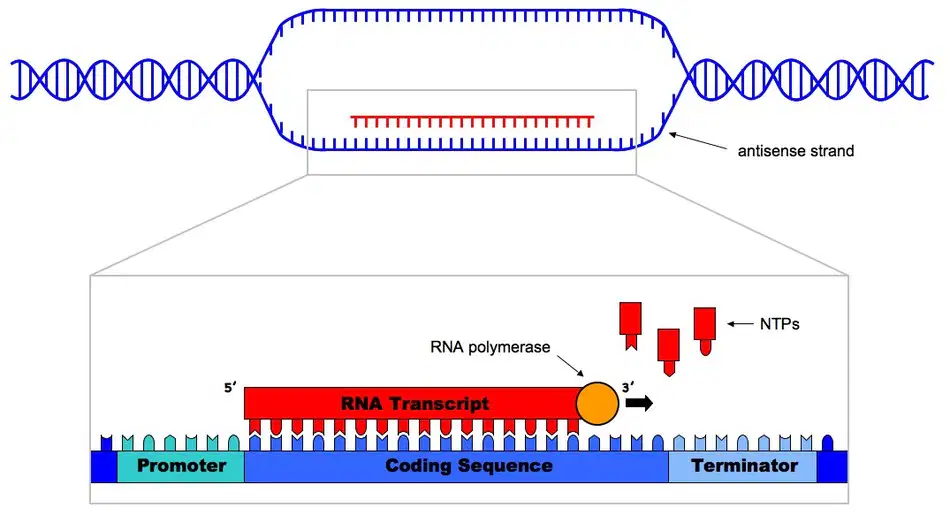
The (a) sequence in DNA signals the end of transcription.

What is the primary purpose of the 5’ cap added to mRNA?
To protect mRNA from degradation
To signal the end of transcription
To splice out introns
To recruit DNA polymerase

Which of the following occurs first during DNA replication?
DNA ligase seals gaps between Okazaki fragments
DNA polymerase synthesizes the leading strand
RNA primers are removed
Helicase unwinds the DNA helix

During translation, the growing polypeptide chain is transferred to the tRNA in the:
A site
P site
E site
Russell House

Which enzyme synthesizes the lagging strand of DNA?
DNA polymerase I
DNA polymerase III
Ligase
Helicase

The (a) strand is synthesized continuously during DNA replication.
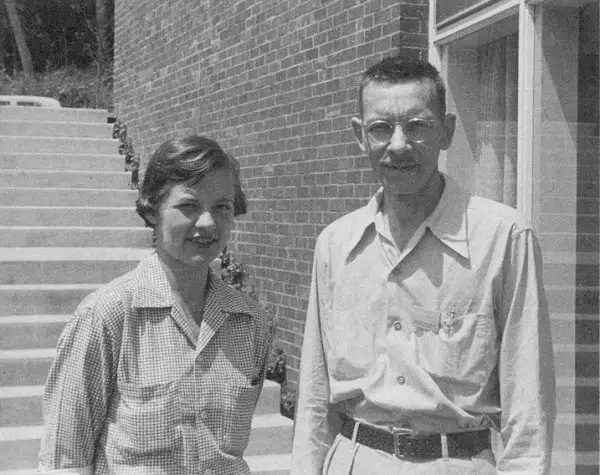
Which scientist(s) used bacteriophages in their experiments to confirm DNA as the genetic material?
Watson and Crick
Hershey and Chase
Griffith
Chargaff
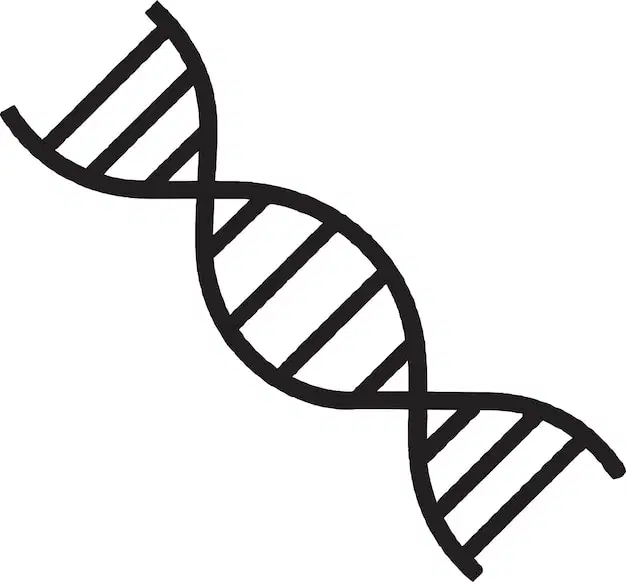
What is the structural shape of DNA as described by Watson and Crick?
Triple Helix
Single Helix
Alpha Helix
Double Helix
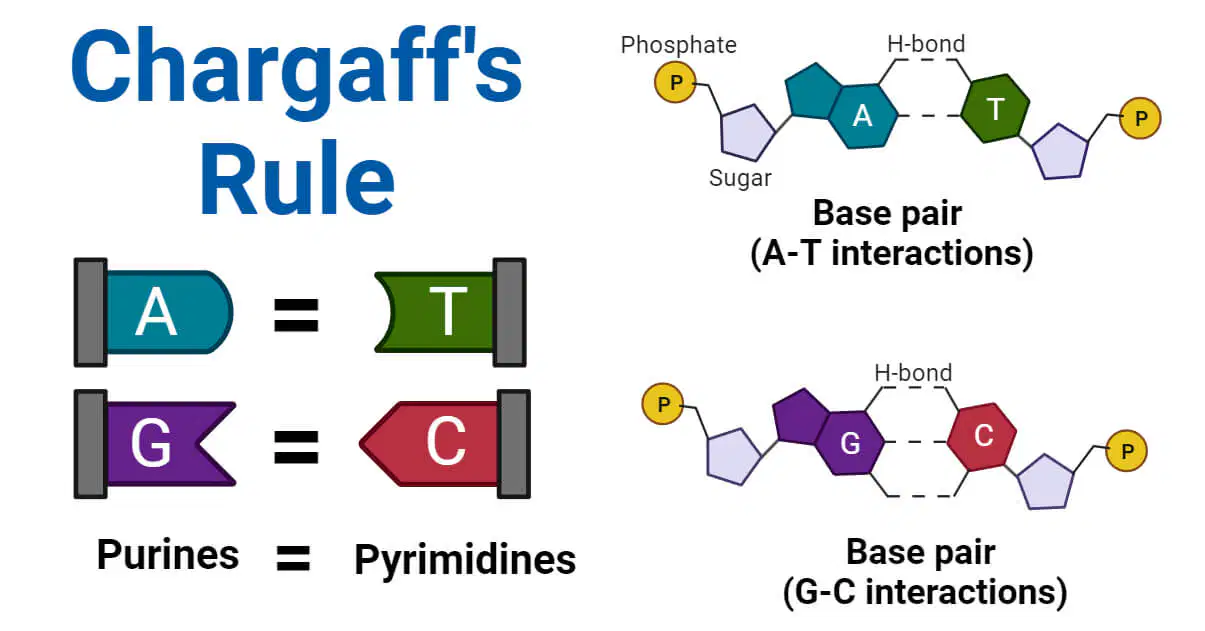
A DNA molecule is 15% adenine. What percentage is guanine?
15%
35%
75%
25%
What enzyme replaces RNA primers with DNA during replication?
DNA polymerase I
DNA polymerase III
Ligase
Primasep
Which RNA molecule carries amino acids to the ribosome?
tRNA
mRNA
rRNA
snRNA
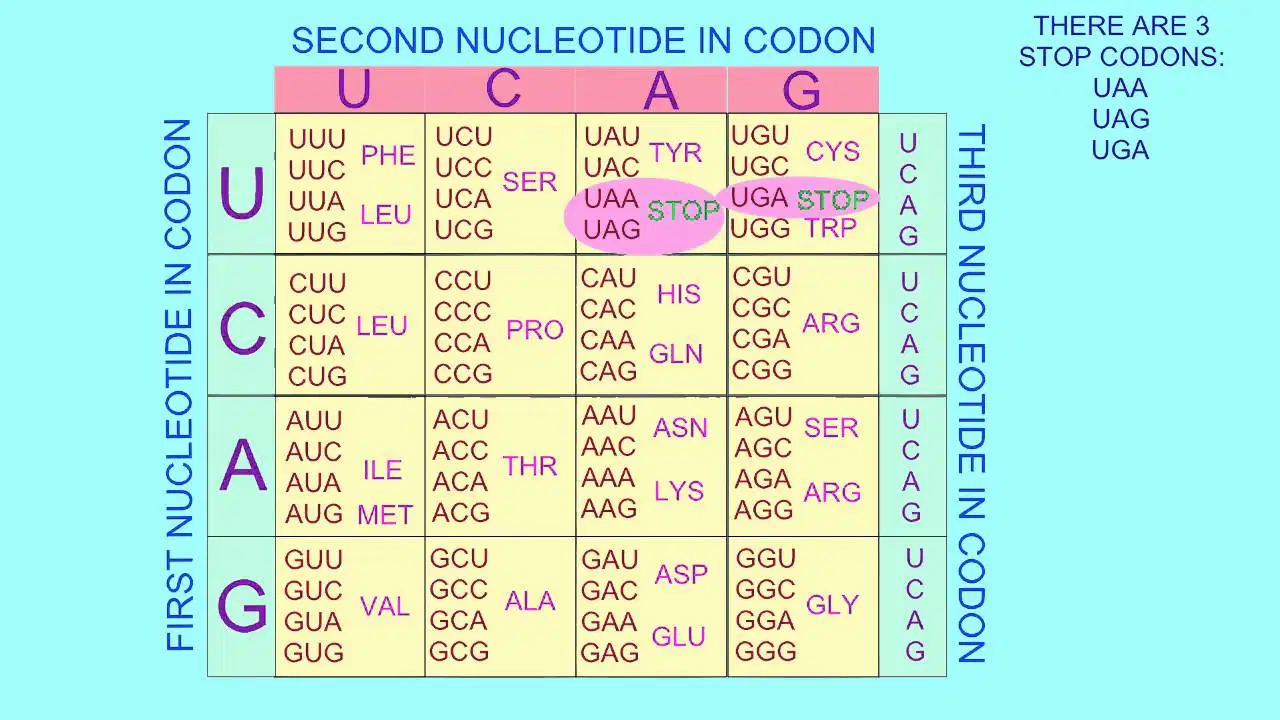
The codon AUG signals which of the following?
Stop translation
Intron splicing
Termination of transcription
Start translation
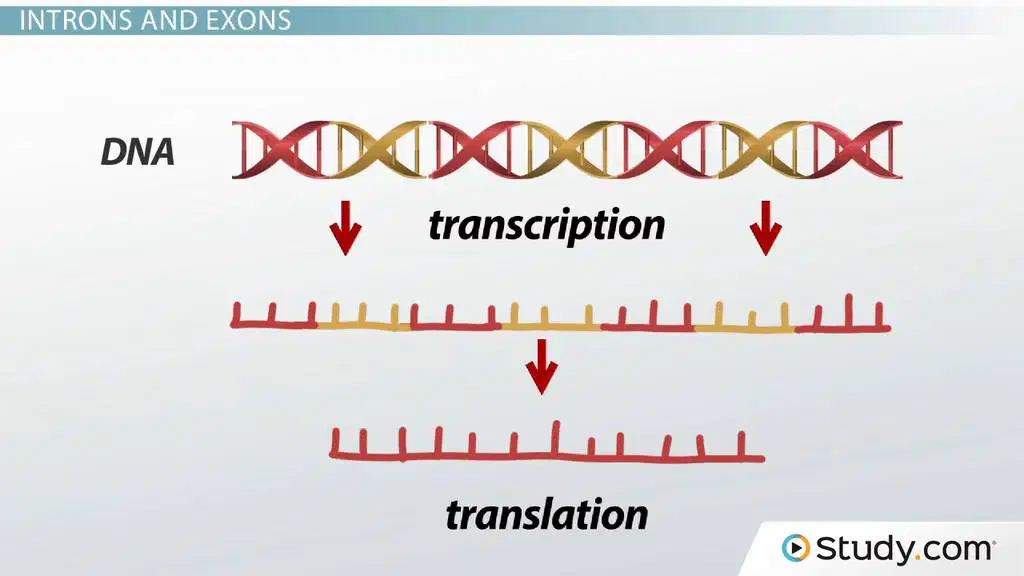
In eukaryotic cells, introns are:
Removed before translation
Translated into proteins
Found only in prokaryotic mRNA
The coding regions of DNA
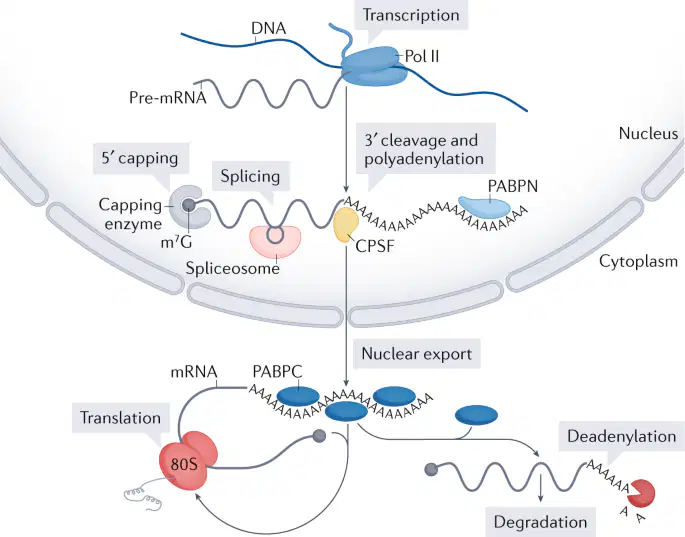
What is the purpose of a poly-A tail?
Protects mRNA from degradation
Binds ribosomes to mRNA
Initiates transcription
Splices introns

During transcription, RNA polymerase binds to the (a) region
If a DNA sequence is 5’-GCG-TAA-3’, what is its complementary strand?
3’-GCG-ATT-5’
3’-CGC-AUU-5’
3’-CGC-ATT-5’
3’-ATA-CGC-5’
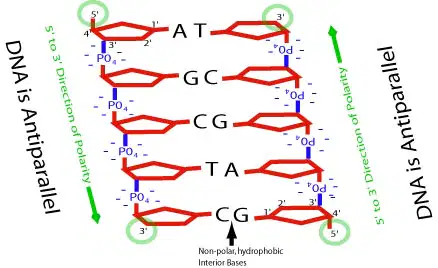
What does the term "antiparallel" mean in the context of DNA?
DNA strands run in opposite directions
Both strands are synthesized at the same time
DNA strands contain identical base pairs
DNA strands are complementary but identical
Which enzyme relieves supercoiling of DNA during replication?
Helicase
Ligase
DNA polymerase
Topoisomerase
Which process is responsible for making a copy of a gene into RNA?
Replication
Translation
Transcription
Splicing

What is the first step in translation?
Termination
Splicing
Initiation
Elongation
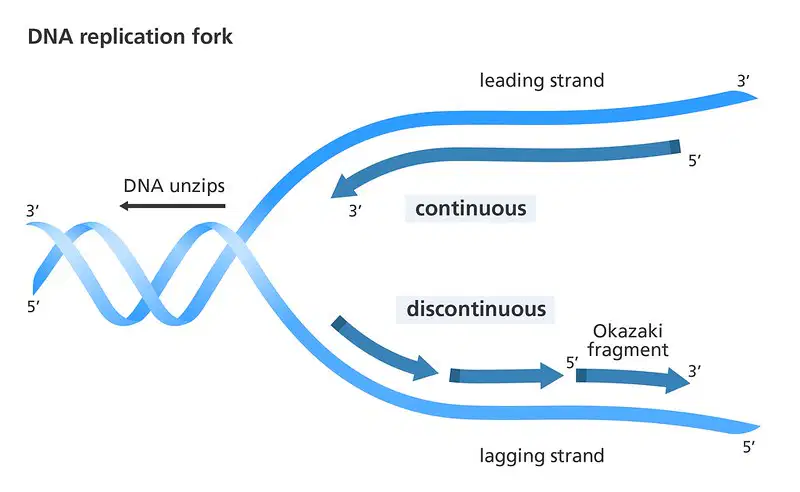
How does DNA replication differ between the leading and lagging strands?
Only the lagging strand uses DNA polymerase
The leading strand is synthesized continuously
Okazaki fragments form on the leading strand
The leading strand is synthesized in fragments

Which RNA molecule is involved in splicing?
mRNA
tRNA
snRNA
rRNA
Which of the following is true about stop codons?
They are sequences in DNA
They terminate translation
They encode methionine
They are only found in tRNA
What is the complementary mRNA sequence for a DNA strand with 5’-TAC-GGA-3’?
3’-AUG-CCU-5’
3’-UAC-GGA-5’
5’-AUG-CCU-3’
5’-UAC-GGA-3’
How many codons are required to code for a protein with 5 amino acids?
5
10
15
4

Which enzyme synthesizes RNA during transcription?
Ligase
Primase
RNA polymerase
DNA polymerase
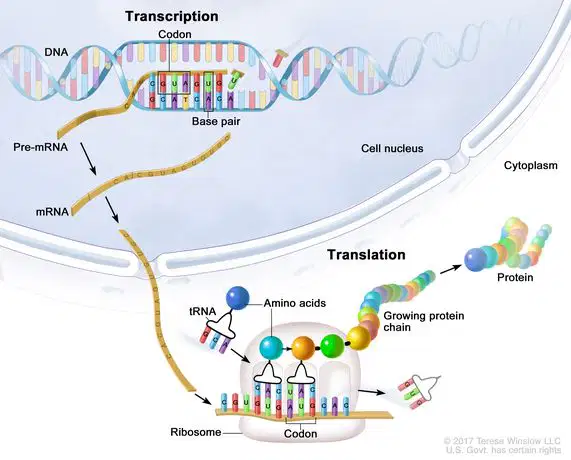
Which of the following is part of post-transcriptional processing in eukaryotes?
Removal of exons
Addition of a 5’ cap
Formation of Okazaki fragments
Unwinding of DNA

Which of the following components is NOT found in a mature mRNA molecule?
Exons
Introns
5’ cap
Poly-A tail
What is the role of a spliceosome?
Adds a poly-A tail to mRNA
Splices exons together
Removes exons from RNA
Repairs DNA during replication

What feature makes RNA less stable than DNA?
Presence of uracil
Single-stranded structure
Ribose sugar
All of the above

What base pairing occurs between tRNA anticodons and mRNA codons?
A pairs with G
G pairs with U
A pairs with U
C pairs with A

Where does the ribosome bind to initiate translation?
The stop codon
The 3’ poly-A tail
The 5’ cap of mRNA
The promoter region

Which of the following molecules has an anticodon?
mRNA
tRNA
rRNA
DNA
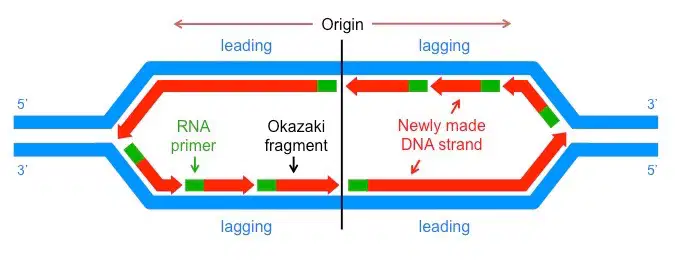
The region of DNA where replication begins is called the __________.
origin of replication
replication fork
origin of synthesis
unzipper
A codon is a sequence of (a) nucleotides that specifies an amino acid.
DNA replication is considered ____-__________ because each new molecule has one old strand and one new strand.
(a)
The removal of (a) from pre-mRNA is part of RNA processing.
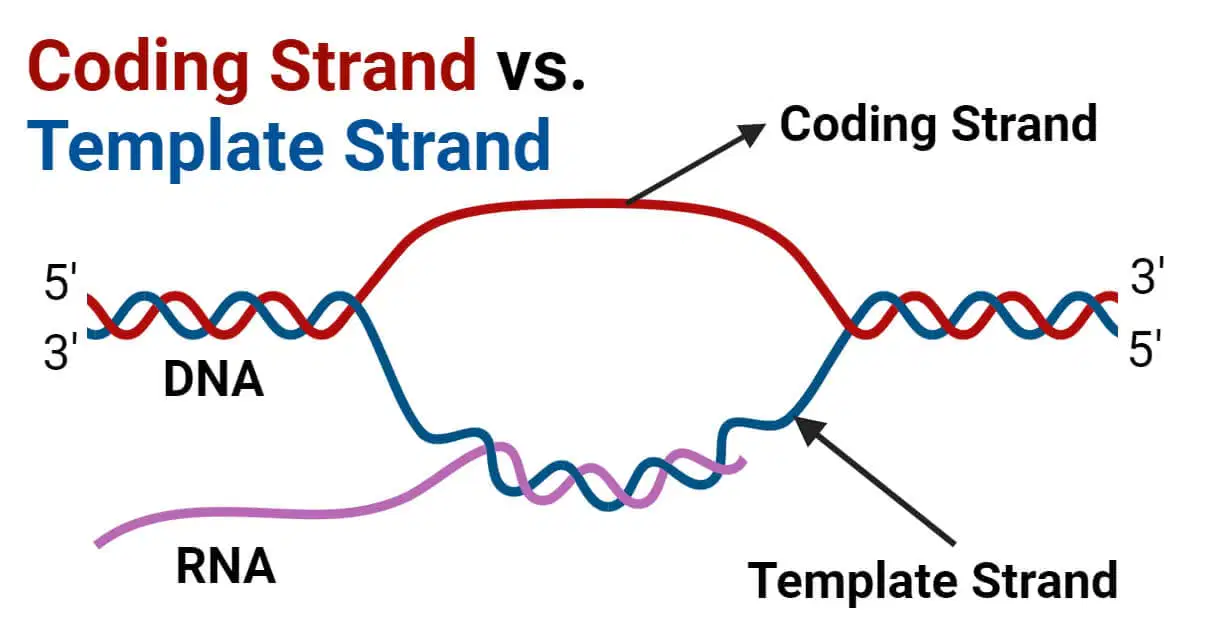
Which strand of DNA is directly used as a template during transcription?
Coding strand
Template strand
Complementary strand
Leading strand
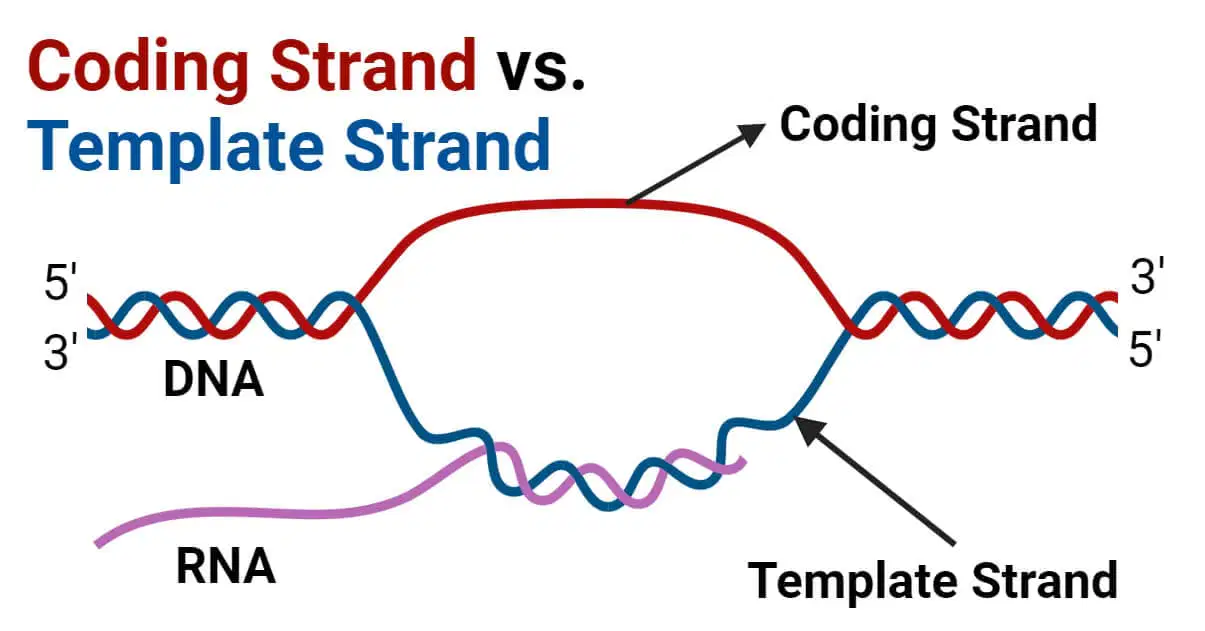
The sequence of the mRNA produced during transcription is similar to which strand of DNA?
Coding strand
Template strand
Lagging strand
Antisense strand
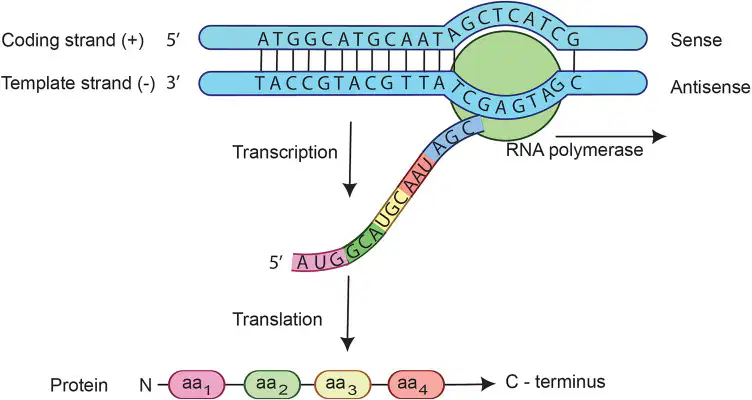
What is the primary function of the coding strand?
Directly binds RNA polymerase during transcription
Serves as the template for mRNA synthesis
Forms Okazaki fragments
Contains the same sequence as the mRNA (except T is replaced by U)
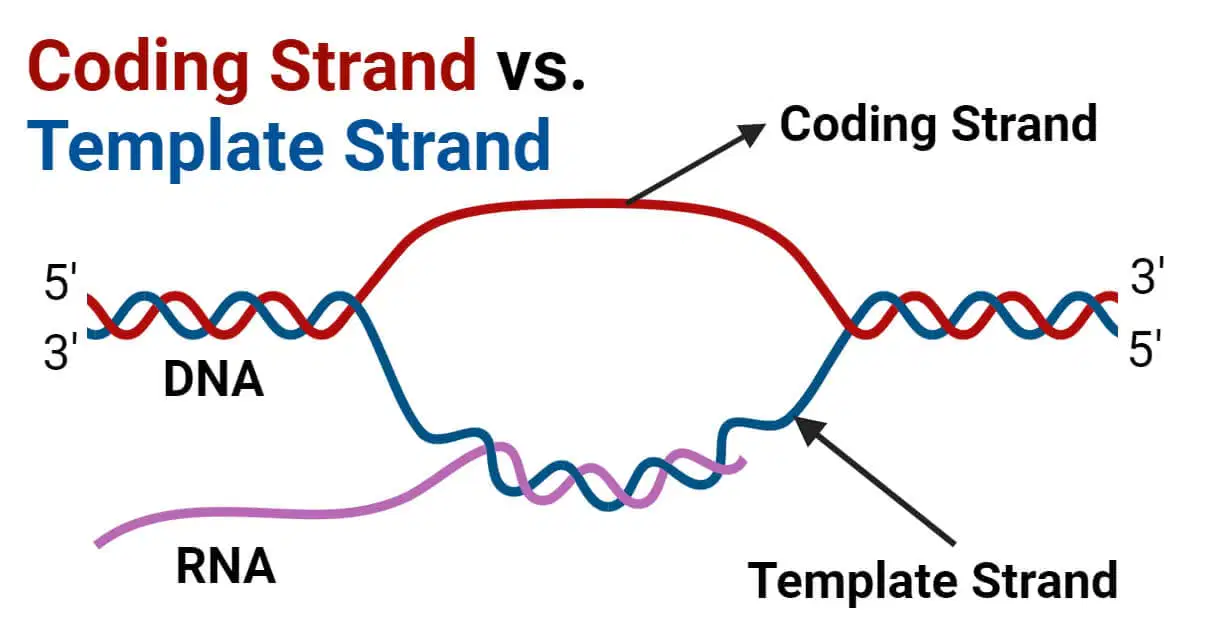
How do the template strand and coding strand relate to one another?
Both are used simultaneously during transcription
They are identical except for uracil replacing thymine
They both serve as templates for RNA synthesis
They are complementary to each other
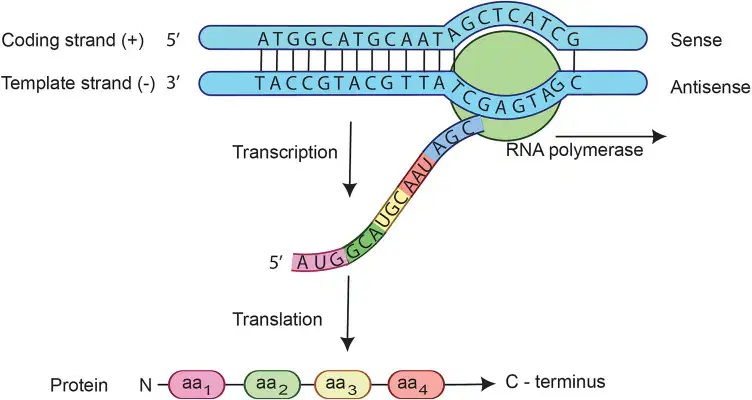
Which statement about the template strand is correct?
It is the strand of DNA that is identical to the mRNA
It is read by RNA polymerase during transcription
It forms the backbone of the ribosome
It contains only purines
The strand of DNA that has the same sequence as the mRNA (except T is replaced with U) is called the (a) strand.
The (a) strand of DNA is read by RNA polymerase to synthesize mRNA.
The sequence of the coding strand of DNA is (a) to the sequence of the template strand.
RNA polymerase moves along the (a) strand to produce a complementary RNA molecule.
In transcription, the coding strand is also referred to as the (a) strand.
The sequence of bases in the (a) strand of DNA determines the sequence of the mRNA.

Which of the following are purines?
Adenine and cytosine
Guanine and adenine
Thymine and cytosine
Guanine and thymine

Which of the following pairs are pyrimidines?
Cytosine and guanine
Thymine and uracil
Cytosine, thymine, and uracil
Adenine and uracil

How do purines and pyrimidines pair in DNA?
Purines pair with other purines
Pyrimidines pair with other pyrimidines
Purines pair with pyrimidines
They do not pair specifically
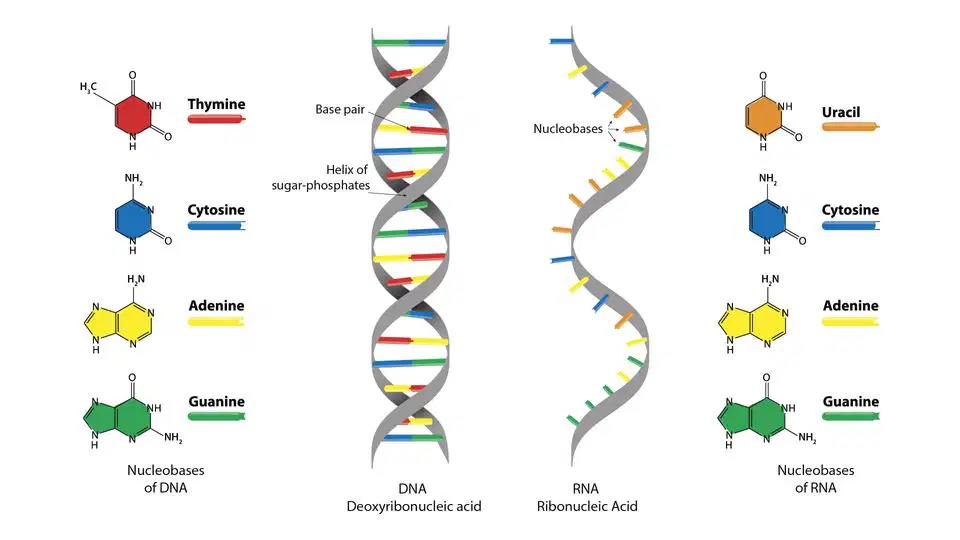
Which base is a pyrimidine found only in RNA?
Uracil
Thymine
Cytosine
Adenine
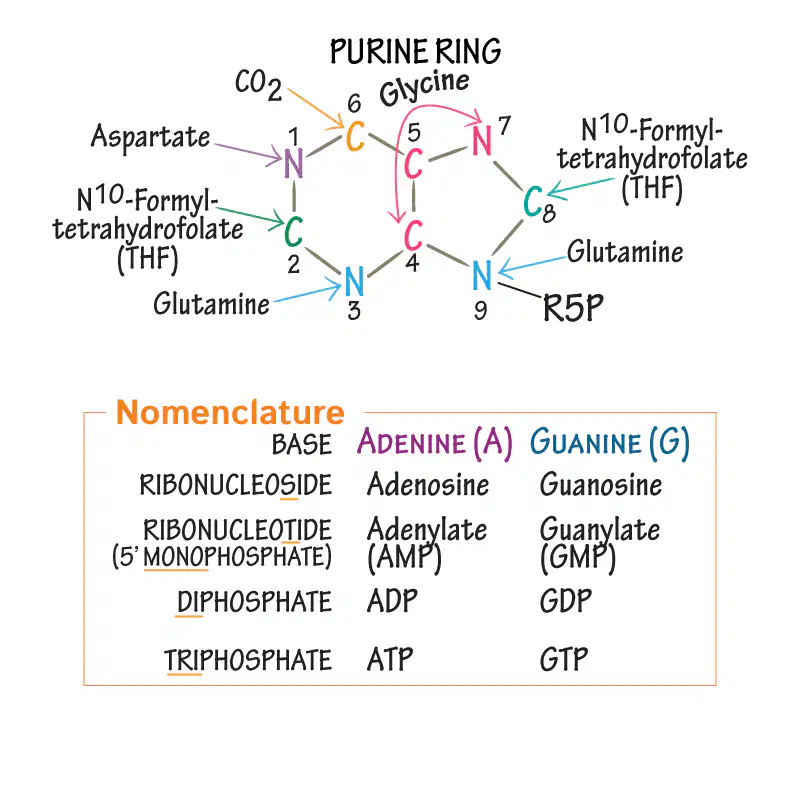
What structural difference distinguishes purines from pyrimidines?
Purines have a single ring, while pyrimidines have two rings
Purines have two rings, while pyrimidines have a single ring
Purines are larger but have the same structure as pyrimidines
Pyrimidines have more nitrogen atoms than purines
Which nitrogenous base is found in both DNA and RNA and is a pyrimidine?
(a)
In RNA, uracil replaces (a) as the complementary base for adenine.
A (a) base is a pyrimidine specific to RNA, replacing thymine found in DNA.
In DNA, the purine (a) pairs with the pyrimidine thymine.

