
 Worksheets
Transcription, Translation, and Mutations
Total questions: 60
Worksheet time: 42mins
What is the correct order to make a protein?
Protein, DNA, RNA
RNA, DNA, Protein
DNA, RNA, Protein
Protein, RNA, DNA

Which organelle is the location where protein is made?
Ribosome
Nucleus
Cytoplasm
Nucleotide

What brings the amino acids to the ribosome to assemble a protein?
DNA

Assembling proteins via instructions from DNA.
Replication
Mutations
Protein synthesis
Homeostasis

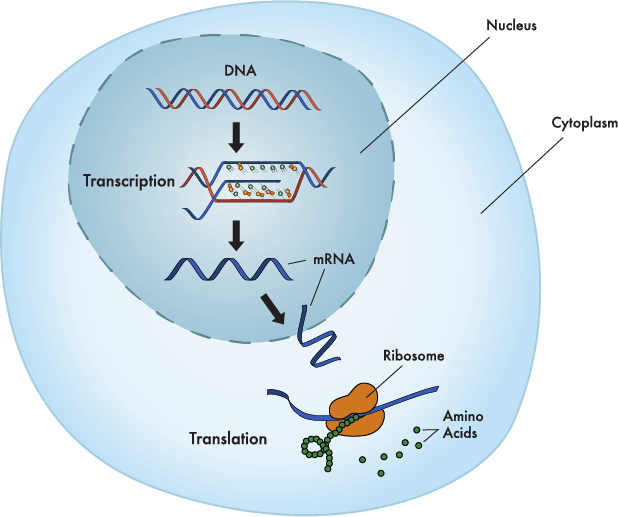
Messenger RNA travels out of the nucleus to ribosomes
and is used as a template to assemble a protein.
Translation
Transcription
Replication
Homeostasis

A nucleotide base that takes the place of Thymine in RNA.
Uracil
Thymine
Adenine
uRNA
What best explains the interaction between tRNA and mRNA during translation?
anticodons on the mRNA line up with complementary codons on the tRNA
anticodons on the tRNA line up with complementary codons on the mRNA
tRNA attach amino acids to the complementary mRNA sequence
mRNA attach amino acids to the complementary tRNA sequence
What do amino acids come together to join?
a growing polypeptide chain (protein)
a growing lipid
a growing carbohydrate
a growing nucleic acid
codons are located on __________
mRNA
tRNA
rRNA
snRNA
anti-codons are located on __________
mRNA
tRNA
rRNA
snRNA
How many nucleotides make up a single codon?
3
5
4
1

The following codon is translated into which amino acid?
AUU
Methionine
Isoleucine
Histidine
Arginine

The following codon is translated into which amino acid?
CAU
Methionine
Isoleucine
Histidine
Arginine

The following codon is translated into which amino acid?
UAA
STOP
Phenylalanine
Valine
Aspartic acid


Overall, protein synthesis consists of these steps
DNA synthesis, RNA synthesis and transcription
transcription and translation
DNA synthesis, transcription and translation
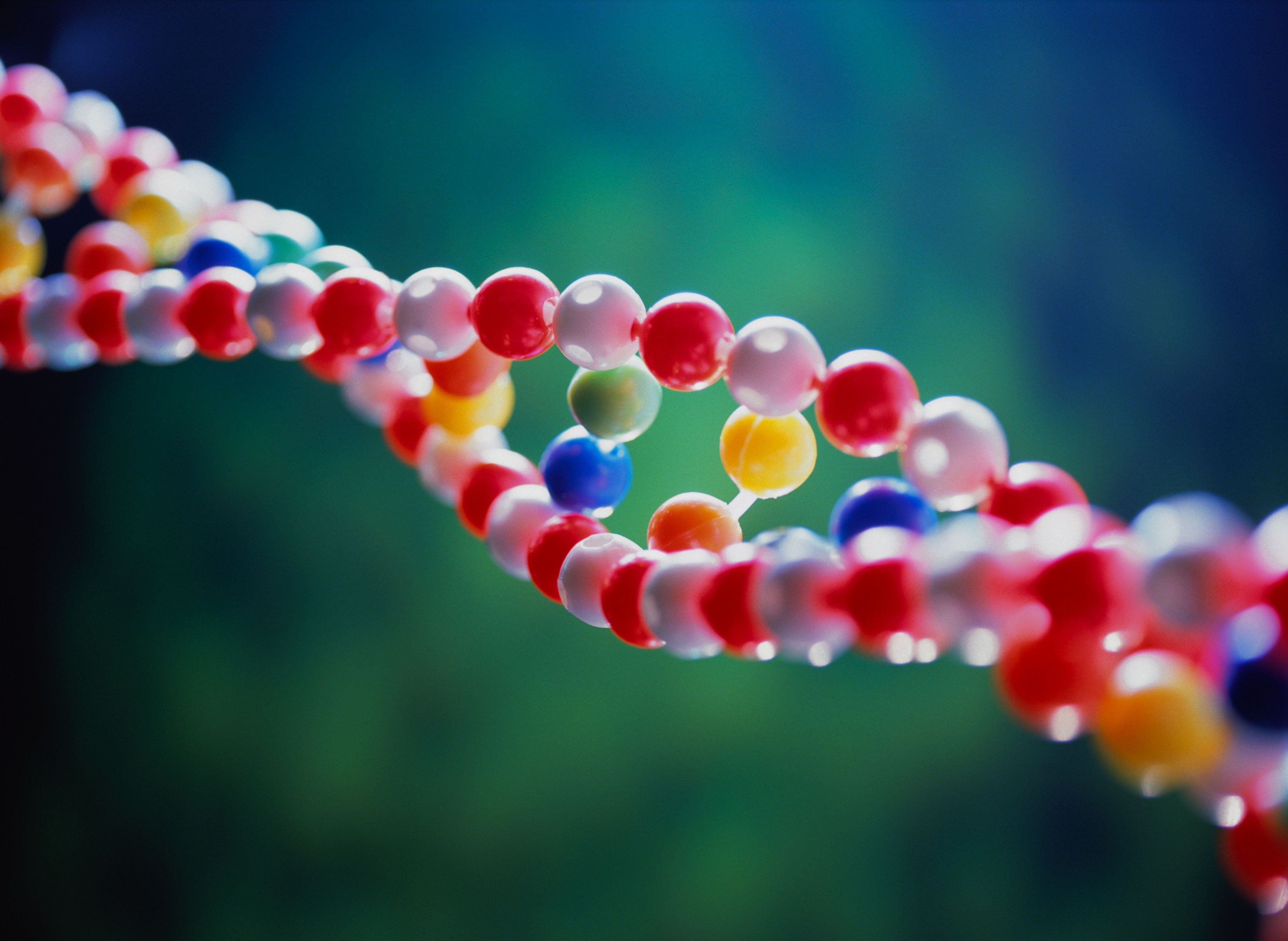
it is very small and very complicated
it isn't important
it serves as the blueprint for traits of all living things
because we eat it every day for energy


What is the location in the cell for translation?
Cytoplasm
Nucleus
Lysosome
Golgi apparatus
rRNA makes up what organelle of the cell?
Nucleus
Cytoplasm
Ribosome
Mitochondria

Which codon below is the code for Leucine?
UUA
UUC
AUU
CUA


A mutation is defined as:
A change in the cell's structure
Anything that changes in an embryo
Any change in the physical features of a human
A change in the DNA sequence
Why are frameshift mutations so harmful?
They change all of the codons from the mutation on down the line, which changes the amino acid sequence
They insert things that an organism doesn't need.
They often delete things that organisms need.
Insertion and deletions are not any more harmful than substitution mutations.
What type of mutation is characterized by a substitution of 1 base for another base? (ex: ACG is mutated to CCG)
Frameshift
Point
Both
Neither

A point mutation in which the amino acid does not change.
Missense
Nonsense
Deletion
Silent mutation


What kind of mutation is the result of an insertion or deletion of a base? (ex: ACG mutated into ACAG)
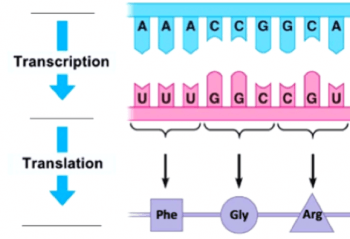
3 bases in a row on the mRNA strand, that call for a particular amino acid to be added to the polypeptide chain:
chromosome
gene
codon
anticodon

Which mutation will cause translation to stop?
Mutations 1 and 3 only
Mutation 1 only
Mutation 2 only
Muations 1, 2, 3
ATTTGAGCC- Original
ATTGAGCC - Mutated
The example above is an example of a
Frameshift
Substitution
Point
All of the above
Which statement best defines a mutation?
a physical trait that negatively impacts the organism
an adaptive trait that allows the individual to be better fit for survival
a change in the order, number, or type of bases in the genetic code
an identical copy of the original DNA strand
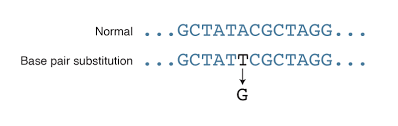
Mutations that change a single base pair, usually involving a substitution of one base for another:
chromosomal mutation
polyploidy
translocation
point mutation
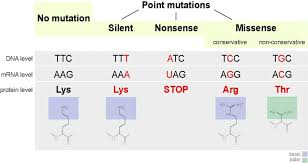
If a point mutation does not change the order of the amino acid sequence, this is called a:
nonsense mutation
silent mutation
missense mutation
frameshift mutation
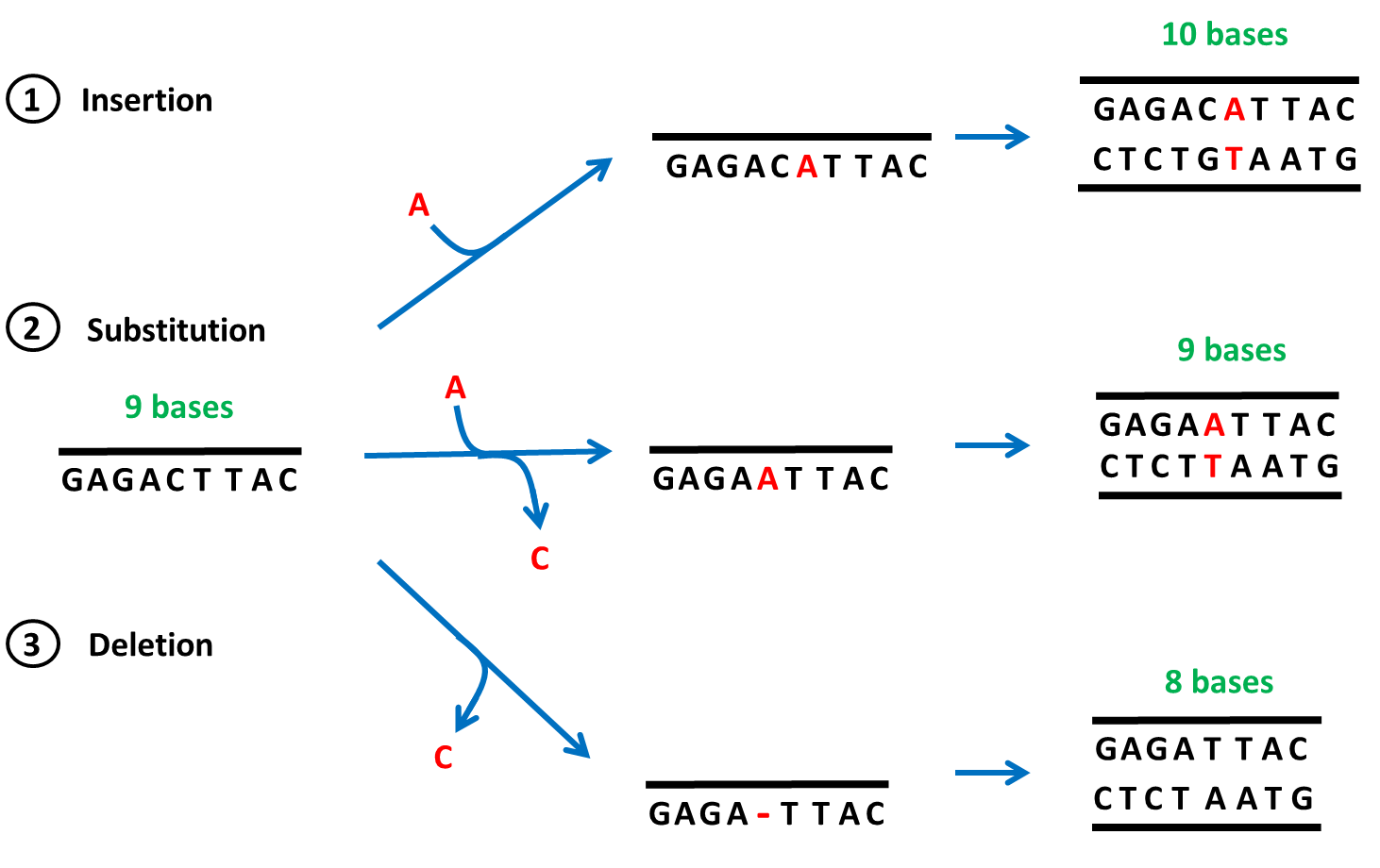
Insertions and deletions are also known as:
frameshift mutations
chromosomal mutations
silent mutations
polyploidy
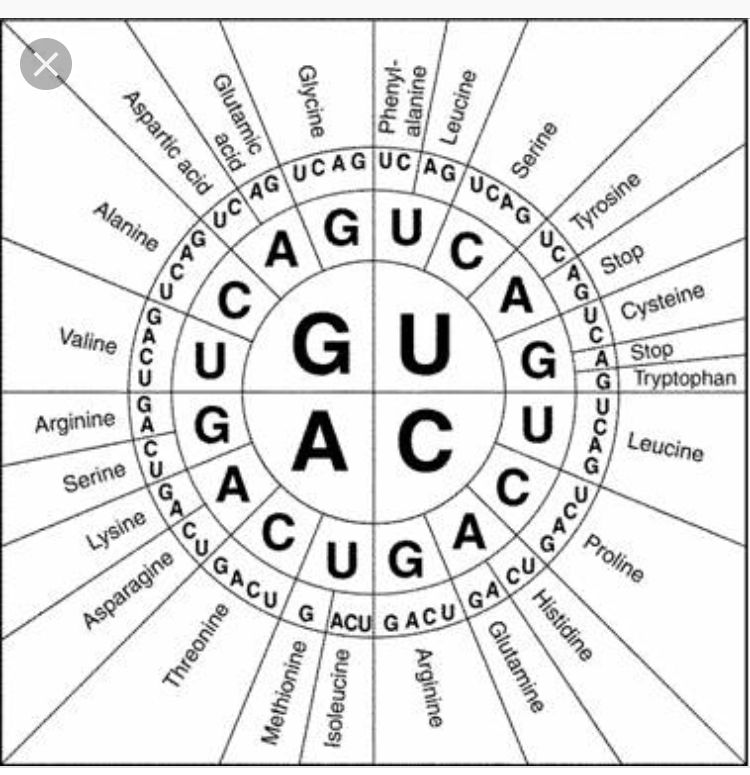
If a mutation codes for "stop" in the amino acid chain, this is called a:
nonsense mutation
missense mutation
silent mutation
frameshift mutation
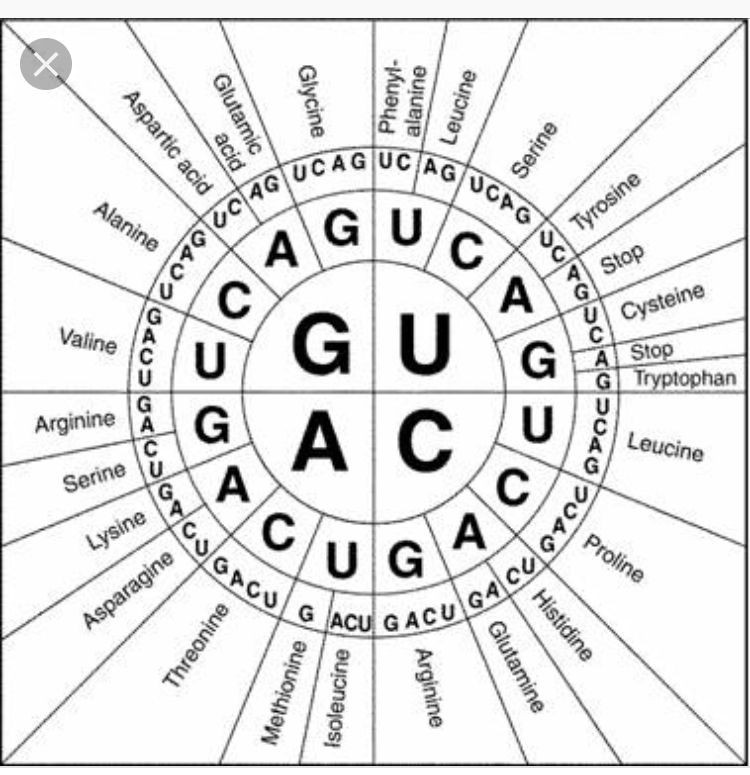
If UCU is changed to UCC, this is a _______________________________.
silent mutation
missense mutation
nonsense mutation
frameshift mutation
Which of the following mutations would be the most likely to affect the resulting protein?
substitution
silent mutation
frameshift mutation
all mutations affect the resulting protein

