
 Worksheets
Mid Term Review
Total questions: 70
Worksheet time: 1hrs 17mins
I have membrane-bound organelles and DNA, what am I?
Prokaryote
Chloroplast
Bacteria
Eukaryote
I have DNA but no membrane-bound organelles, what am I?
Eukaryote
Prokaryote
Animal cell
Plant cell

What type of cell is shown?
Plant cell
Prokaryotic cell
Animal cell
Eukaryotic cell

What type of cell is shown?
Eukaryotic cell
Bacteria cell
Prokaryotic cell
Animal cell

What type of cell is shown?
Plant cell
Prokaryotic cell
Bacteria cell
Eukaryotic cell

What is the function of the cell membrane?
To control what comes in and out of the cell
To break down food inside the cell
to serve as a barrier
to eat the cells food

Which organelle captures energy from the sunlight and uses it to produce food in plant cells?
mitochodria
cell membrane
chloroplast
centrioles
Gel-like fluid where the organelles are found. Located right outside of the nucleus.
golgi body
vacuole
ribosome
cytoplasm
This rigid outer layer provides support and protection for plant and bacteria cells.
cell membrane
cell wall
cytoplasm
lysosomes
Which organelle uses chemicals to break down food into smaller particles to be used by the cell.
centrioles
vacuole
golgi bodies
lysosomes
Which organelle receives proteins and materials from the endoplasmic reticulum, packages them, and distributes them?
lysosomes
golgi apparatus
ribosomes
endoplasmic reticulum
Which organelle is the "powerhouse" of the cell? Responsible for energy production?
*Hint: Makes ATP(energy).*
chloroplast
nucleus
mitochondria
cell membrane
Which organelle is responsible for making proteins?
ribosomes
endoplasmic reticulum
mitochondria
cytoplasm
Which organelle carries proteins and other materials from one part of the cell to another?
flagella
vacuole
golgi apparatus
endoplasmic reticulum
Osmosis is the movement of ______from an area of low concentrated solute to an area of high concentrated solute.
molecules
oxygen
water
sugar
Facilitated Diffusion when large molecules move across a membrane via the help from _____________
cell wall
phospholipids
channel proteins
santa
Passive Transport of molecules and nutrients across a membrane includes the following (more than one answer)
Diffusion
Osmosis
Active Tranport
Facilitated Diffusion

The red dots are a solute, and the arrow is depicting its movent. This movement is from a _______concentration to a _____concentration, known as ___________.
Low to High, diffusion
High to Low, diffusion
High to Low, Osmosis
Low to high, Osmosis

When you placed your egg from the water (vinegar) in to the corn syrup, after 24 hours, the egg________mass, meaning water moved ________of the egg.
gained, in
lost, out
Some molecules can move in and out of the cell freely through the cell membrane, others are too large and cannot. The membrane is said to be ________________
ridig
transparent
selectively permeable
a rubberband
A hypotonic solution is one in which there is a ______ concentration of solute outside the cell than inside the cell.
higher
lower
equilibrium
In an isotonic solution, _____________is reached because the cell remains and movement of water remain constant.
water
equilibrium
the same
hypertonic
In a hypertonic solution, the water moves________ the cell because the concentration of solute is greater on the outside of the cell than on the inside.
into
out of
up
around
Passive transport requires energy.
True
False
Which statement is true about viruses?
Viruses can eat and metabolize food.
Viruses can reproduce only using a host cell.
Viruses can reproduce on their own at any time.
Viruses contain DNA, so they are alive.
One important way to control the spread of viruses in through
the use of vaccines
drinking a lot of tea
the use of other types of bacteria
the use of antibiotics
Can a virus be cured with antibiotics?
yes
no

Which is smaller?
bacteria
virus
cells
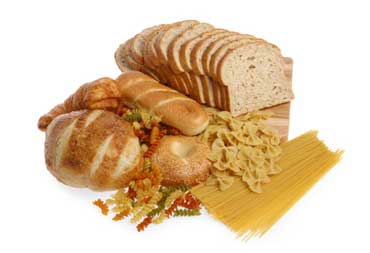
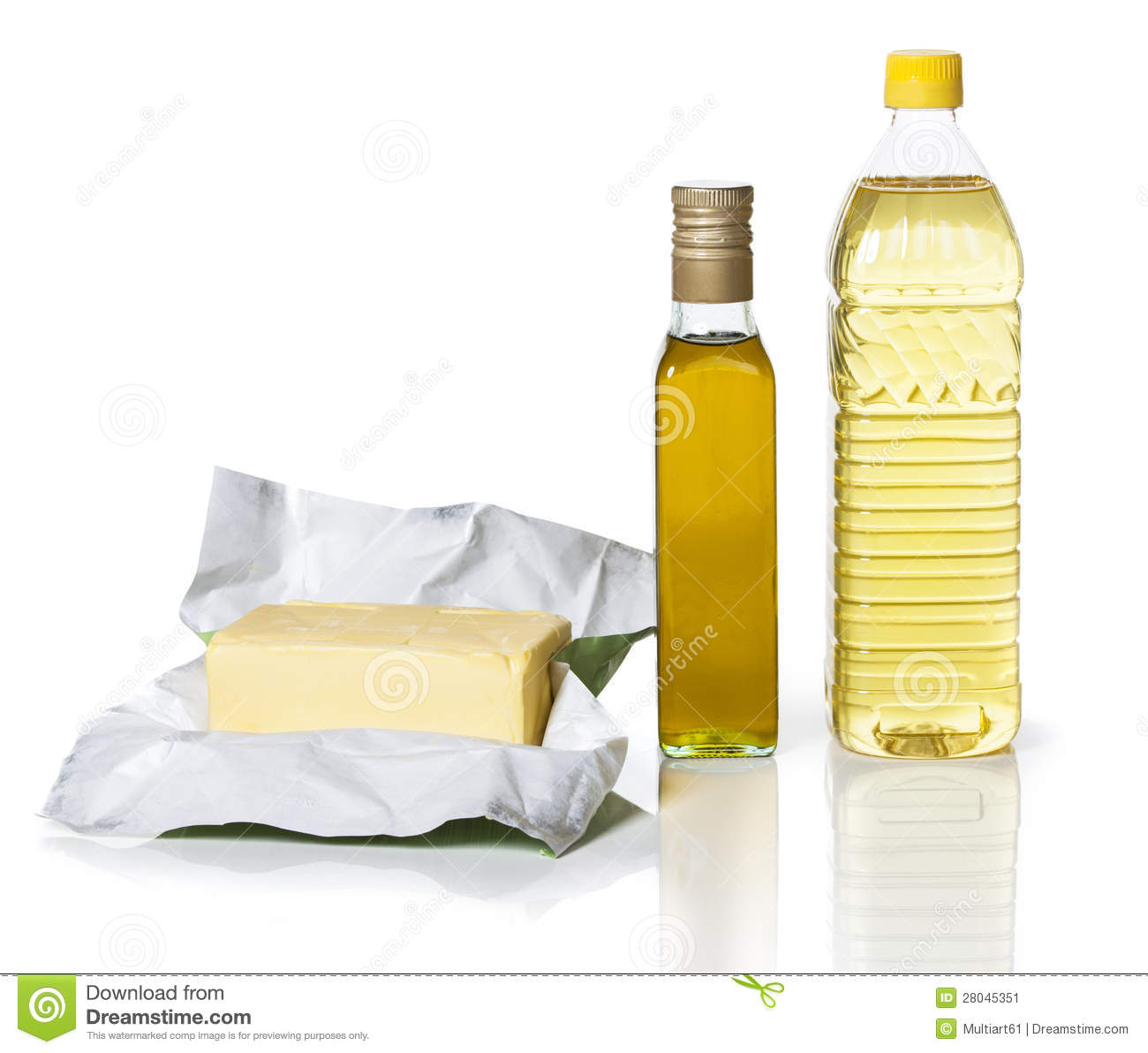
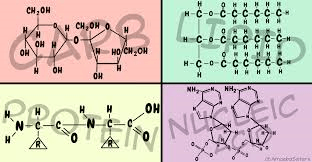
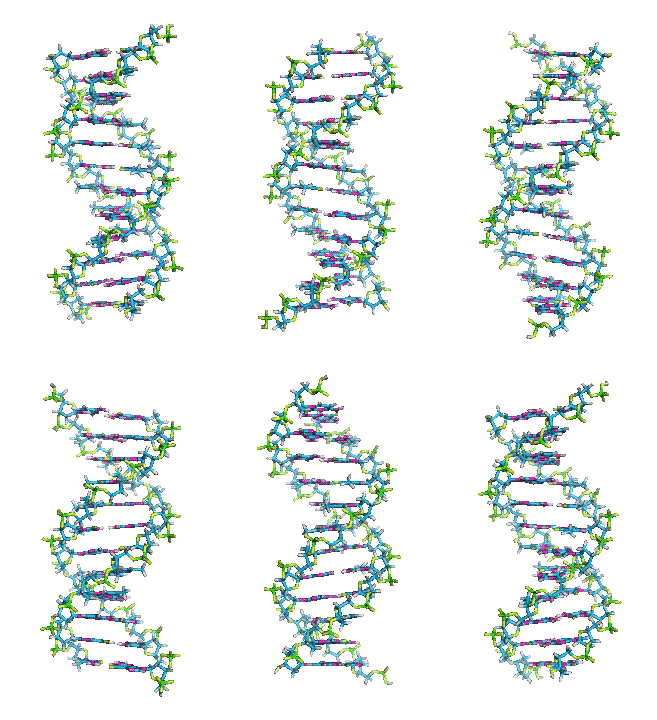


What are the FOUR most common elements in living things?
Carbon
Silicon
Nitrogen
Hydrogen
Oxygen
Types of fermentation are ___
(Select all that apply)
Bacteria
Yeast
Lactic Acid Fermentation
Ethanol Fermentation

What are the reactants of photosynthesis?
Oxygen
Carbon Dioxide
Water
Glucose
ATP

What are the reactants of cellular respiration?
Oxygen
Carbon Dioxide
Water
Glucose
ATP

What are the products of photosynthesis?
CO2
H2O
C6 H12 O6
ATP
O2
What are the products of cellular respiration?
CO2
H2O
C6H12O6
O2
ATP
Oxygen is used to break down glucose molecules and releases energy in a process called
photosynthesis
cellular respiration
cytokinesis
fermentation
C6H12O6 + 6O2 --> 6CO2 + 6H2O + ATP
is the equation for which of the following processes?
6CO2 + 6H2O + Sunlight --> C6H12O6 + 6O2
is the equation for which of the following processes?
Enzymes are an example of
Lipids
Carbohydrate
Protein
Nucleic Acid
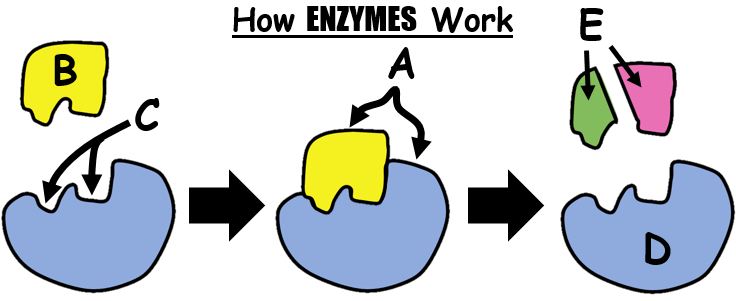
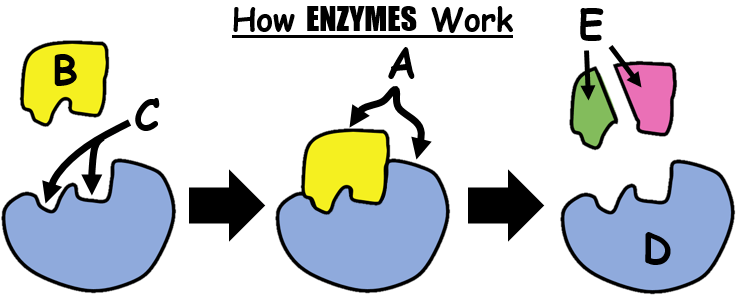
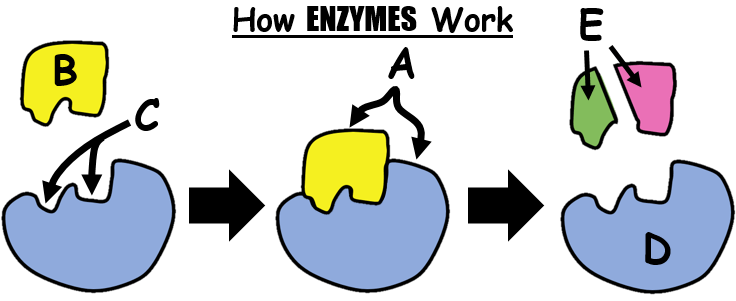
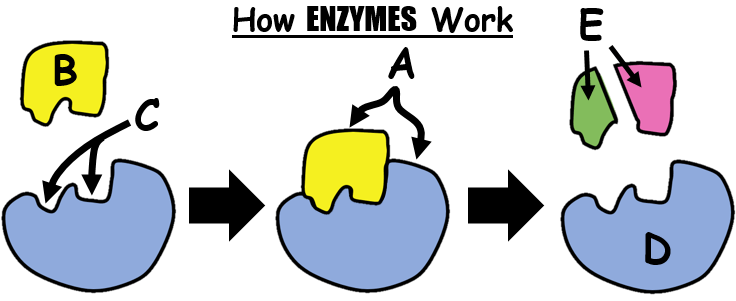
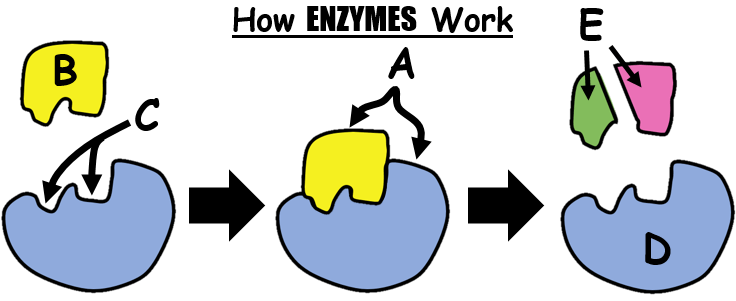
In a chemical reaction, ________ are what you have at the end
Products
Molecules
Reactants
Substances

