
 Worksheets
Environmental Science Final Exam BWHS
Total questions: 105
Worksheet time: 1hrs 24mins
Sun is a sphere of plasma held together by
gravity
nuclear fusion
magnetism
electromagnetism
Sun is made of which state of matter
Solid
Gas
Liquid
Plasma
The Sun's location
The Sun is located on the Earth's surface.
The Sun is located at the center of the Solar System.
The Sun is located at the center of the Earth.
The Sun is located in the Milky Way galaxy's outer rim.
Sunspots occur in ___ year cycles
5
15
20
11
Largest object in the solar system
The Sun
Mars
Moon
Earth
Kepler discovered that by using orbital period you can determine its ____ from the sun
speed
mass
temperature
distance
Gravitational pull from the ____ keeps the planets in our solar system in orbit around it
Sun
Moon
Mars
Earth
Order the sun, moon, and Earth from greatest force of gravity to lowest force of gravity
Earth, Moon, Sun
Moon, Sun, Earth
Moon, Earth, Sun
Sun, Earth, Moon
Who first described the principle of gravity
Nicolas Copernicus
Albert Einstein
Galileo Galilei
Sir Isaac Newton
The 4 inner planets
Pluto, Eris, Haumea, Makemake
Jupiter, Saturn, Uranus, Neptune
Mercury, Venus, Earth, Jupiter
Mercury, Venus, Earth, Mars
Which of the following is an outer planet
Jupiter
Earth
Venus
Mars
Properties of outer planets
large, gaseous, have thick atmospheres, low densities, possess rings, and many moons.
Outer planets are primarily composed of ice and metal, have low densities, possess rings
Outer planets are small and rocky, composed of ice and metal
Outer planets have high densities and no moons.
All inner planets have
liquid water bodies
icy surfaces
gaseous atmospheres
rocky surfaces
Planetary rings are made up of
gaseous clouds
solid metal chunks
liquid water bodies
ice particles, dust, and rocky debris
Gas giants mostly made up of
Hydrogen and helium
Silicon and sulfur
Carbon dioxide and methane
Oxygen and nitrogen
How many moons does Mercury have
2
1
3
0
Moon's light is due to
The absorption of starlight
The reflection of sunlight
The emission of moonlight
The glow from the Earth's atmosphere
What's the min. length of time the Great Red Spot has been on Jupiter
The Great Red Spot has been on Jupiter for 100 years.
The Great Red Spot is a recent phenomenon from the last 50 years.
The Great Red Spot has been observed for over 1,000 years.
The Great Red Spot has been on Jupiter for at least 350 years.
What is the great red spot found on Jupiter
A giant volcano on Jupiter.
A large ocean of liquid methane.
A massive storm on Jupiter.
A permanent ice cap on Jupiter.
It takes Uranus ___ to resolve around the Sun than it takes Earth
longer
shorter
the same time

What is the source of heat for a solar panel?
The moon
The sun
Biomass
all of the above
Energy from the sun is called ..................
Geothermal
Solar
Hydroelectric

Why is solar energy considered a renewable energy source?
You can get money back from the government if you put solar panels on your house
Solar energy is cheaper than fossil fuels
The sun's energy will not run out for billions of years
Solar energy can be used to recharge batteries
What is the main process that generates energy in the sun?
Solar energy
Nuclear fission
Nuclear fusion
Hydrogen combustion
What is nuclear fusion in the sun?
Process in which hydrogen nuclei combine to form helium
Process in which oxygen nuclei combine to form carbon
Process in which uranium nuclei combine to form plutonium
Process in which iron nuclei combine to form nickel
How does a hydroelectric dam produce electricity?
By burning fossil fuels
By harnessing wind power
By using solar panels
By turning the blades of a turbine with rushing water

What are two advantages of wind energy?
Turbines are easy to build
It won't run out
It doesn't emit greenhouse gasses
You can use it anywhere

what is this a picture of?
Wind mill
Wind turbine
power generator
What is wind?
Air
Nothing
Air in motion
A fan
How do wind turbines affect the environment.
Birds and bats may be injured.
Cuts the clouds which affects the water cycle.
Hits trees around them which blows up the wind turbine.
They are perfect for the environment.
"Geo" means? "Thermal" means?
Earth and Cold
Earth and Heat
Sun and Heat
Sun and Cold
Which of the following is a con of geothermal energy?
High upfront cost
Low amount of pollution
Environmentally friendly
Easily accessible
Is geothermal energy renewable or nonrenewable?
Renewable
Nonrenewable
What is biomass energy?
Energy derived from burning fossil fuels
Energy obtained from the sun through photosynthesis
Energy generated from nuclear reactions
Energy produced by wind turbines
Why is biomass energy considered a renewable energy source?
Because it can be obtained from burning fossil fuels
Because it can be generated from nuclear reactions
Because it can always be replenished by growing more plants and trees
Because it can be harnessed from wind turbines
What is an energy resource?
a natural product that can be changed into other energy forms to do work
something formed from buried plants and animals
force that opposes motion
resource that can never be replaced
What are nonrenewable resources?
energy sources that are replaced faster than they are used
energy sources that can never be replaced or are replaced more slowly than they are used
a natural product that can be changed into other forms of energy to do work
What are fossil fuels?
energy producers that comes from radioactive elements
a natural product that can be changed into other energy forms to do work
energy resources that formed from buried plants and animals that lived a very long time ago
resources that are replaced faster than they are used
All of the following are fossil fuels EXCEPT
oil
water
coal
natural gas
Where does nuclear energy come from?
Electric generators
radioactive elements
fossil fuels
geothermal energy
Nuclear fission is a process where the nucleus of an atom splits into two smaller nuclei.
True
False
Splitting atoms creates nuclear energy and what other type of energy?
electrical
thermal
sound
light
What is a device that changes solar energy into electrical energy?
wind turbine
perpetual motion machine
electric generator
solar cell
Geothermal energy is made from water being pumped underground near hot rock, turning it to steam.
True
False

Crude oil can be refined into
gasoline
jet fuel
asphalt
all of these

Today, most of the coal is used to:
power steamships and steam trains
heat homes and businesses
produce electricity
make iron and steel
The major environmental air pollutant from coal that scrubbers help remove is
carbon
sulfur
chlorine
nitrogen

Which BEST describes how coal forms?
dead plant material completely decomposes in a desert environment
tiny sea animals and plants die and are buried by sediment
dead plant material temporarily decays in a swamp environment
dead animals partially decay in a desert environment

The job of an oil refinery is to
transport the crude from the drill site
separate crude into various types of fuel
pump crude oil up to the surface
mix separate types of fuel into crude

Distillation occurs where crude oil is separated into fuels by
mixing it with corn starch and letting it settle
putting it under intense pressure until it becomes solid
heating it to different boiling points
removing the sulfur particles from it
Which will most likely occur if fossil fuels continue to be used globally as the primary energy resource?
The amount of available food will increase.
The amount of pollution in the oceans will decrease.
The amount of greenhouse gases in the atmosphere will increase.
The amount of health concerns affecting the human population will decrease.
Which resource consists mostly of CH4?
Coal
Natural gas
Oil
Uranium
Biofuel
This fossil fuel is formed from the remains of small organisms that lived in the ocean AND is a thick, black liquid
natural gas
coal
oil
steam
The careful use of a resource is....
recycling
pollution
depositing
conservation
A wheel that changes the force of a moving gas or a liquid into energy
Fossil Fuels
Turbine
Petroleum
Oil Reserves
Nuclear power uses ____ for fuel.
steel
coal
uranium
hydrogen
Wood, batteries, gasoline, and food are all examples of ________________________.
gravitational potential energy
elastic potential energy
chemical potential energy
None of the above
The faster an object moves, the ________ kinetic energy it has.
more
less
none of the above
all of the above
Energy due to motion is ____________ energy.
Potential
Energy
Kinetic
Friction
Define fossil.
petrified bones that have been preserved over a very long time.
any remains or trace of a formerly living thing preserved by natural processes.
animal-shaped voids found in pyroclastic tephra
insects encased in tree sap
Match the following
Dinosaur footprints
Trace fossil
Insect trapped in hardened tree sap
Amber
Microscopic clamshells found in lake sediments.
Microfossil
A coquina clam that has been cemented in sedimentary rock
Original material
Trees that have turned to rock
Petrified fossil
When the population of a species begins to shrink due to having more deaths than births in a generation, it is possibly headed towards _______________.
fossilization
succession
exinction
superposition
An index fossil refers to
a fossil that is used to classify other fossils based on the shape of the bones
a fossil that is used to date other fossils in the same rock layer as it
a fossil of an insect
the first fossil of a species that is discovered

Ferns, such as the one in the picture, can be found today. They are usually found growing in warmer climates. However, fossils of ferns have been found in places with cold climates where it often snows today. What can we conclude about the places where the fossils of ferns have been found?
Ferns used to live in cold climates.
These places once had a warmer climate.
These places once had a colder climate.
Someone tried to grow ferns in cold climates.
The fossil record gives us _____.
accurate data on the number of life-forms that lived.
accurate insight on how animals reproduced.
information on past life and environments on Earth.

Most fossils are formed within which kind of rock?
sedimentary
metamorphic
igneous
they form equally in all types of rock
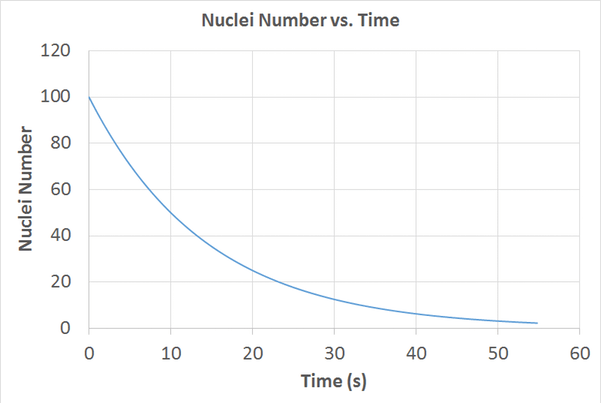
What is the Half life of this isotope?
5 seconds
10 seconds
15 seconds
20 seconds
If the number of births in a population is the same as the number of deaths in a population, what will happen to the growth of the population?
It will increase.
It will decrease.
It will stay the same.
It will fluctuate.
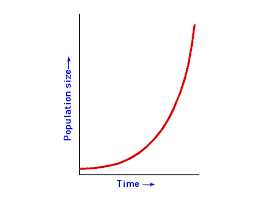
What type of growth is shown in the diagram?
exponential growth
logistic growth
predator-prey cycle
boom-bust curve
Largest number of individuals of a population that the environment can support...
carrying capacity
population crash
lag phase
mutualism
What do you call a period of rapid growth?
exponential growth
logistic growth
emigration
predator-prey cycle
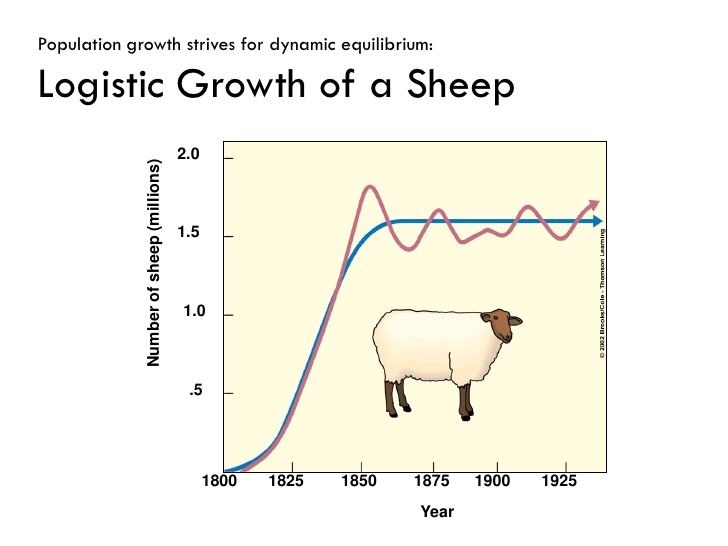
What is the carrying capacity for this sheep population?
1.8 million
1.25 million
1.6 million
1.o million
What type of symbiosis is occurring when an owl eat a mouse?
parasitism
predation
mutualism
commensalism
competition
the non-mutualistic form of symbiosis, occurring when one of the organisms benefits at the expense of the other
parasitism
mutualism
commensalism
predation
competition
What type of symbiosis is occurring when wolves and coyotes eat the same prey?
mutualism
competition
commensalism
parasitism
A population is...
A group of one species in one area
Multiple species that live in one area
All of the living and nonliving things in an area
None of these
Any thing or organism that regulates the size of a population of another organism is known as __________.
a limiting measure
a limiting factor
factorization
materialization of precipitation
If the number of births is greater than the number of deaths in a population, what will happen to the growth of the population?
It will increase.
It will decrease.
It will stay the same.
It will fluctuate.
Deep ocean technology has discovered organisms in hydrothermal vents that do not rely on sunlight to survive. What do these organisms use as their energy source?
chemosynthesis
electrical charge
hydropower
thermal heat
Organisms that can live in extreme environments are called:
hooligans
extremists
extremophiles
extremely rare
Which statement best explains which Domain the Tradigrade is classified in Taxonomy?
Archaea because it is microscopic, has no nucleus and lives in extreme environments.
Eubacteria because it is microscopic, has no nucleus and lives in mosses.
Eukarya because it has a nucleus.
None of the above are Domains.
Which Kingdom do Tardigrades belong in?
Eubacteria
Fungi
Protista
Animalia

Tardigrades can survive in
extreme hot and cold temperatures
hydrothermal vents
high levels of radiation
vacuum of space
all of the above!
Because of their ability to survive a variety of conditions, tardigrades are considered
polyextremophiles
herbivores
scavengers
mesophiles

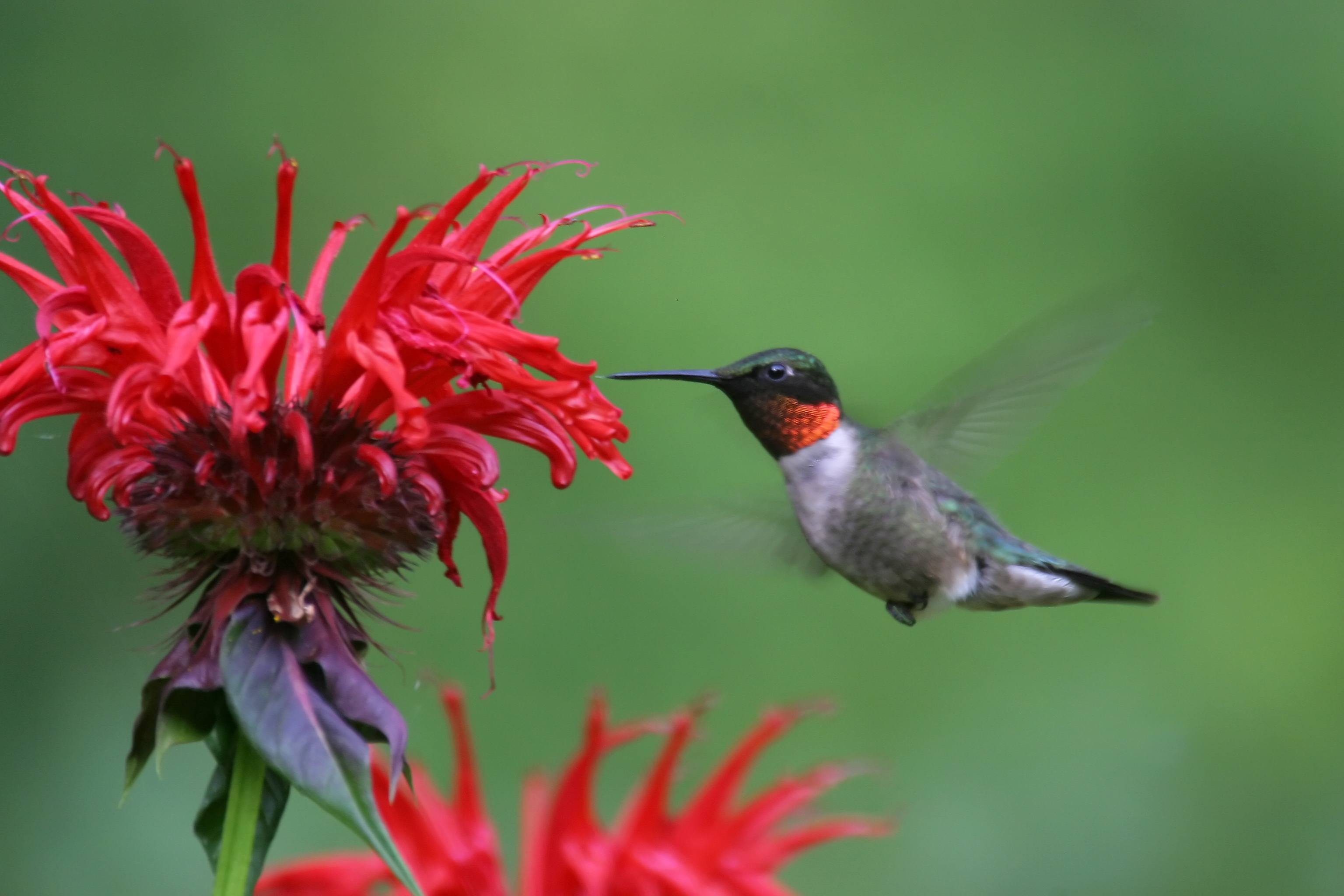
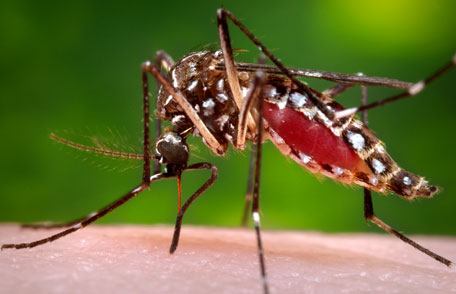

Aphids are tiny insects that live on and eat the leaves of plants, removing vital nutrients from the plants.
Predation
Parasitism
Commensalism
Mutualism
In order to reduce things, you can ___________ instead of getting a plastic bag every time.
bring enough plastic containers
buy as many cardboard bags as you can
use your own canvas bags
How can you stop water waste?
taking shorter showers
taking longer showers
have the water hose on all day in the summer
waste water
One way to help the world when we go shopping is to ask ourselves this question.
How much is this?
Who needs this?
Do I really need this?
What is to reduce
To transform things into materials for new things
to use something more than once
to use and produce less things
What is to reuse?
To transform things into materials for new things
to use something more than once
to use and produce less things

If you use a plastic bag for groceries one day and then make a kite out of it the next, the bag has been ___________.
Reduced
Reused
Recycled
Reversed

Which is an example of recycling?
Using old materials to make new items
Buying a case of water bottles
Turning off the water while brushing your teeth
Using your younger brother's old playdoh for your science project

What is the best way to reduce the number of bottles you create as waste?
Buy a new bottle every day
Use bottles that can be filled again and again
Use bottles that can be recycled
Use smaller bottles

Everything I throw away disappears after only two years in a landfill.
True
False

Plastic is made from which natural resource?
Trees
Metals
Oil
Sand
Gold is sometimes recovered from recycling which of the following materials?
Aluminum cans
Plastic bottles
Paper
Computers
What is a benefit of recycling?
There is less trash filling up landfills
Fewer resources are taken from the Earth
Less pollution
All of the above
A drought happens when it has not rained in a long time. Water is very low. Which use should be stopped first during a drought?
drinking
growing food
watering your lawn
Washing clothes and dishes
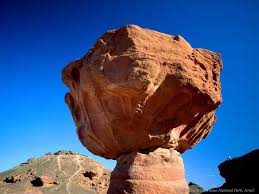


What landform?
Hills
Valley
Mountain
Sinkhole

What Landform?
Volcano
Mountain
Canyon
Hill

