
 Worksheets
Test 10th
Total questions: 50
Worksheet time: 47mins
A nerve cell is also known as a
cerebrum
neuron
cerebellum
nucleus
The gaps between neurons are called
Effectors
neurotransmitters
reflexes
synapses
The central nervous system consists of the:
brain and spinal nerves
spinal nerves and cranial nerves
cranial nerves and spinal cord
spinal cord and brain


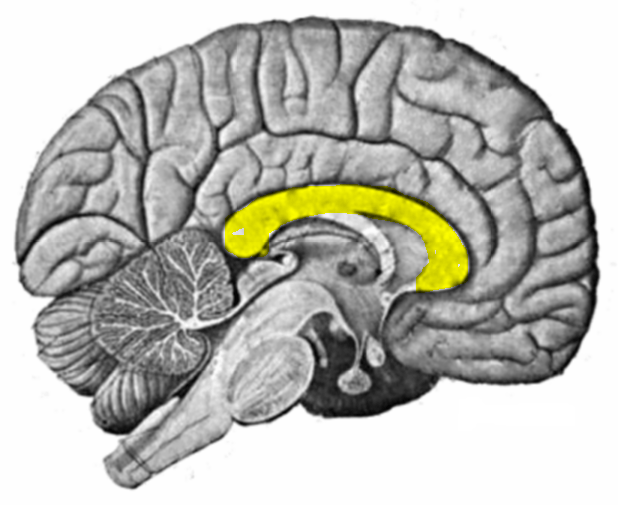


Thinking part of brain is
Hind brain
Mid brain
Fore brain
Hypothalamus
Part of the brain responsible for hearing is
Cerebrum
Cerebellum
Hypothalamus
Medulla


For this scenario, name the stimulus
stepping on lego bricks
foot
floor
pain
The smallest functional unit of life.
Cell
Tissue
Organ
Organism
The network of nerves that spread through the body and send messages between the sensory organs, central nervous system and the muscles and glands
Brain
Central Nervous System
Skin
Peripheral Nervous System

Identify the type of joint in the diagram.
hinge joint
ball-and-socket joint
pivatol joint
gliding joint

Identify the type of joint in the diagram.
hinge joint
pivatol joint
ball-and-socket joint
gliding joint

Identify the type of joint in the diagram.
pivatol joint
hinge joint
gliding joint
ball-and-socket joint
What joints allows the bones to move forward and backwards in only one direction?
pivatol joints
hinge joints
What connective tissue connects the bone to bone?
tendons
ligaments
A tough, flexible, connective tissue is
periosteum
a joint
cartilage
an exoskeleton
All of the following are important jobs of the skeletal system except
protect organs
support the body
make blood cells
transport blood
The place where two or more bones meet in a
tendon
joint
ligament
flexor
A joint that allows bones to move in most directions is a
hinge joint
gliding joint
ball-and-socket joint
pivatol joint
Cardiac muscle is part of muscle type
True
False
Skeletal muscle can be found at..
Lung
Heart
Skeleton
Blood Vessels
Smooth muscle can be found at..
Lung
Heart
Skeleton
Blood Vessels
Cutting of trees in a forest is callled
Reforestation
Deforestation
tree fall
None of them
Which gas is mainly responsible for the green house effect?
H2
O2
CO2
Water Vapours
The place in which a plant, animal, bird or fish normally lives is its ........
food chain
habitat
eco-community
eco-friendly
The study of the environment and the way plants, animals and humans live together and affect each other
ecology
environment
pollution
The place in which people live and work, including the land, water, air, plants, animals and all physical conditions that affect them
Ecology
Environment
poison
Landforms are found over the ________________
Continents
Oceans
Ocean floors
Both a and b
Land, water, air etc., comprise the _________ environment.
natural
human
man-made
artificial
Which one of the following is a human made environment?
Mountain
Road
Sea
Oceans
Which is a threat to environment?
Growing plants
Growing population
Growing crops
None of these
Plants, animals, water and soil are natural resources
False
True
Renewable resources like animals, soil and water can run out (habis/hilang) from the Earth
False
True
Fossil fuels are Non-Renewable resources
False
True
Air and soil are renewable resources.
False
True
We need rice, meat and house to live.
False
True
Technology make human life more difficult
False
True
Irrigation systems help farmer to provide plants with water.
False
True
Deforestation cannot make loss of habitat for living organism like animal and plant
False
True
Nowadays, people use solar panel to trap and absorb the Sunlight and Sun heat
False
True
Human can always use Non-renewable resource like the oil and coal because it will never run out from the Earth
False
True

