
Font size
 Worksheets
Tissues - Part Three
Total questions: 32
Worksheet time: 3hrs 40mins
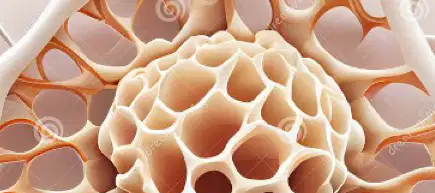
What is the primary function of collagen fibers?
Provide elasticity to tissues
Support cells and tissues
Provide tensile strength
Form branching networks
(a) fibers stretch and recoil, allowing tissues to return to their original shape.
The primary function of ground substance in connective tissues is (a)

What is the primary function of connective tissues in the body?
They produce hormones
They provide structural support
They generate electrical impulses
They store genetic information
(a) is NOT a type of connective tissue.

What is the primary function of areolar connective tissue?
Storing fat for energy
Providing support and flexibility
Forming blood cells
Insulating organs
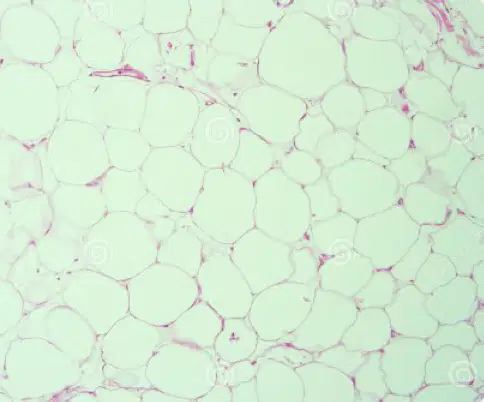
Which type of connective tissue stores fat for energy and provides insulation?
Areolar connective tissue
Reticular connective tissue
Adipose connective tissue
Cartilage tissue
Where is reticular connective tissue commonly found?
(a)

What type of connective tissue has organized fibers in parallel bundles and is found in tendons and ligaments?
Dense Regular Connective Tissue
Dense Irregular Connective Tissue
Elastic Connective Tissue
Loose Connective Tissue
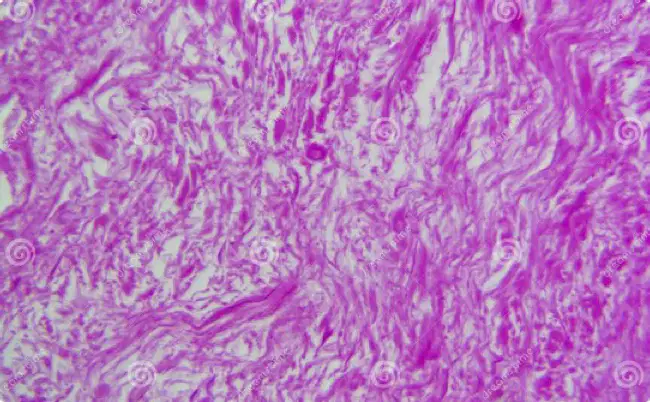
Which connective tissue type has fibers arranged in a random network and is found in the dermis and organ capsules?
Dense Regular Connective Tissue
Dense Irregular Connective Tissue
Elastic Connective Tissue
Adipose Tissue
Match the following connective tissues with their functions.
Cartilage
Provides flexible support and reduces friction.
Bone
Supports and protects organs, stores calcium.
Blood
Transports oxygen and nutrients.
Adipose tissue
Stores energy and insulates the body.
The function of lymph in fluid connective tissues is to (a)
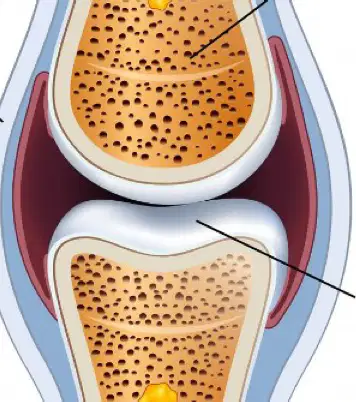
Which type of cartilage provides support in the nose, trachea, and articular surfaces of bones?
Elastic Cartilage
Fibrocartilage
Hyaline Cartilage
Adipose Tissue
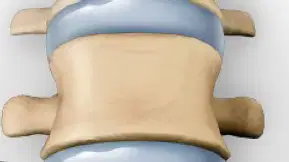
Which type of cartilage acts as a shock absorber in intervertebral discs and menisci?
Hyaline Cartilage
Elastic Cartilage
Fibrocartilage
Bone Tissue
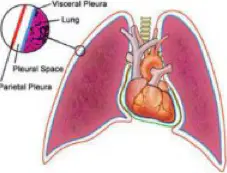
What is the primary function of serous membranes in the body?
To line joint cavities and produce synovial fluid
To line body cavities and secrete lubricating fluid
To form the body's outermost covering
To secrete protective mucus for lubrication
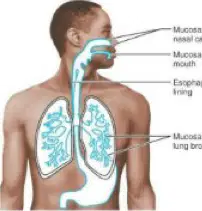
Which type of membrane lines cavities that are open to the exterior and secretes mucus?
Serous membranes
Synovial membranes
Mucous membranes
Cutaneous membranes
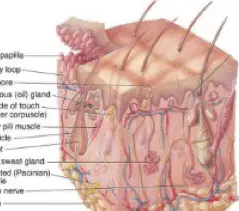
What is the main role of the cutaneous membrane?
To line joint cavities
To secrete mucus for lubrication
To provide protection and temperature regulation
To secrete lubricating fluid between organs
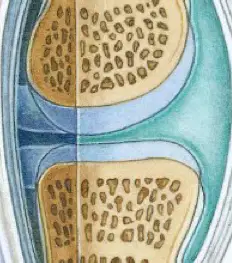
Which membrane type is responsible for lubricating joints and providing nutrients to articular cartilage?
Cutaneous membranes
Mucous membranes
Serous membranes
Synovial membranes
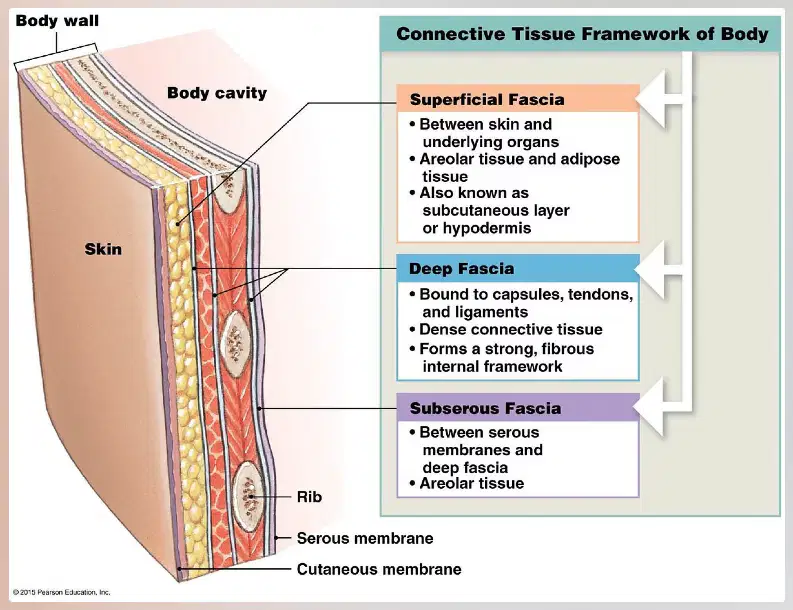
Which type of fascia is a subcutaneous layer that lies beneath the skin, containing fat and blood vessels?
Deep Fascia
Superficial Fascia
Subserous Fascia
Muscular Fascia
Match the following structures with their primary functions.
Provides a subcutaneous layer
Subcutaneous tissue
Attaches serous membranes to surrounding tissues
Serous membrane attachment
Surrounds muscles and organs, providing support
Deep fascia
Contains fat and blood vessels
Adipose tissue
Subserous fascia is found (a)

Which type of muscle is voluntary and striated, and is attached to bones?
Cardiac Muscle
Smooth Muscle
Skeletal Muscle
Involuntary Muscle
The type of muscle found in the heart and responsible for pumping blood is (a) .
Match the following types of muscle tissue.
Cardiac Muscle
Muscle type found in the heart, involuntary and striated
Skeletal Muscle
Muscle type attached to bones, voluntary and striated
Smooth Muscle
Muscle type found in the walls of organs, involuntary and non-striated
Striated Muscle
Another term for voluntary muscle, usually attached to bones
What is the primary function of neurons?
Supporting cells, providing structure and protection
Junctions between neurons, facilitating signal transmission
Specialized cells for communication, transmitting signals throughout the body
Cells that produce myelin
Neuroglia play a role in (a) in the nervous system.
Match the following descriptions with their corresponding terms.
Supporting cells in the nervous system
Glial cells
Specialized cells for communication
Neurons
Junctions between neurons, facilitating signal transmission
Synapses
Parts of the neuron that produce myelin
Axons

The primary function of neural tissue is to (a)
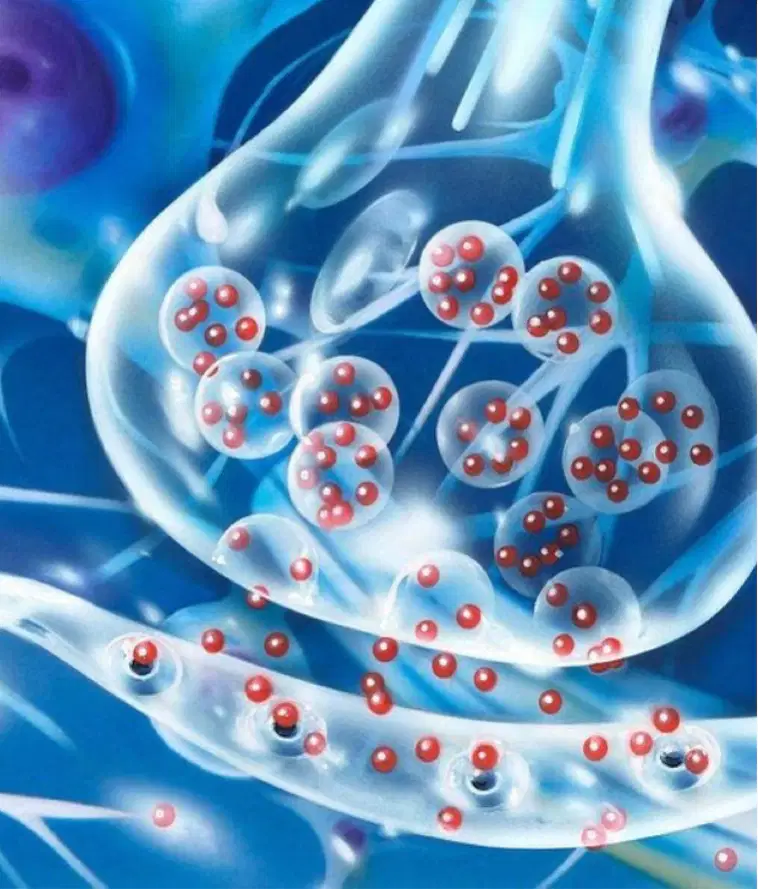
How do neurons communicate with each other?
Through chemical signals only
Via electrochemical signals
By direct physical contact
Using magnetic fields
What is the main function of the Central Nervous System (CNS)?
Controls voluntary movements of skeletal muscles
Regulates involuntary functions like heart rate
Acts as the control center for the body
Connects the CNS to the rest of the body
The part of the nervous system responsible for connecting the CNS to the rest of the body is the (a) .
Match the following functions with the correct part of the nervous system they control.
Involuntary functions like digestion
Autonomic Nervous System
Voluntary movements of skeletal muscles
Somatic Nervous System
Heart rate and breathing
Autonomic Nervous System
Nerve connections to the CNS
Central Nervous System

