Wayground logo

Free Printable Worksheets

Font size

S
M
L
XL
Worksheets

Benchmark review astronomy

Total questions: 51

Worksheet time: 49mins

Name
Class
Date
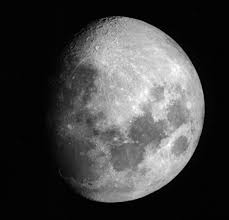
1.
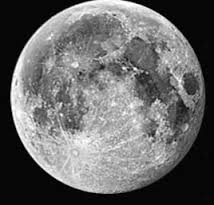
Name the moon phase
a)
waning crescent
b)
waxing crescent
c)
waning gibbous
d)
waxing gibbous
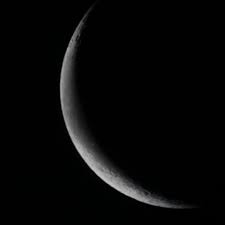
2.
Name the moon phase
a)
waning crescent
b)
waxing crescent
c)
waning gibbous
d)
waxing gibbous
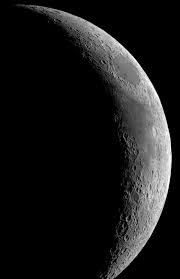
3.
Name the moon phase
a)
waning crescent
b)
waxing crescent
c)
waning gibbous
d)
waxing gibbous
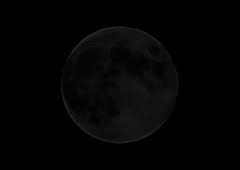
4.
Name the moon phase
a)
waning crescent
b)
waxing crescent
c)
waning gibbous
d)
waxing gibbous
5.

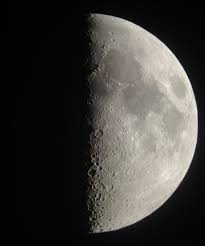
Name the moon phase

a)

First Quarter

b)

Third Quarter

c)

New Moon

d)

Full Moon

6.

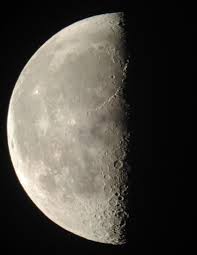
Name the moon phase

a)

First Quarter

b)

Third Quarter

c)

New Moon

d)

Full Moon

7.

Name the moon phase

a)

First Quarter

b)

Third Quarter

c)

New Moon

d)

Full Moon

8.

Name the moon phase

a)

First Quarter

b)

Third Quarter

c)

New Moon

d)

Full Moon

9.
Name the moon phase that would come AFTER this moon.
a)
waning crescent
b)
waxing crescent
c)
waning gibbous
d)
waxing gibbous
10.

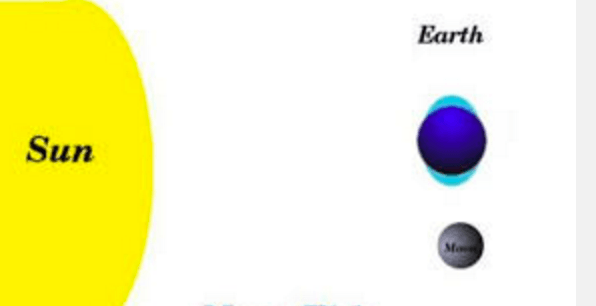
Which moon phase is shown in this diagram?

a)

new moon

b)

1st quarter

c)

full moon

d)

3rd quarter

11.

Which moon phase is shown in this diagram?

a)

new moon

b)

first quarter

c)

full moon

d)

3rd quarter

12.
What phase is this?
a)
Waning Gibbous Moon
b)
Waxing Gibbous Moon
c)
Waning Crescent Moon
d)
Waxing Crescent Moon
13.

What phase is this?

a)

First Quarter Moon

b)

Third Quarter Moon

c)

Waxing Gibbous Moon

d)

Waning Gibbous Moon

14.

What phase is this?

a)

Full Moon

b)

First Quarter Moon

c)

Third Quarter Moon

d)

New Moon

15.
When the moon is in between the earth and the sun it is a
a)
New Moon
b)
Full Moon
c)
First Quarter
d)
Third Quarter
16.

Name the phase of the moon for letter a

a)

First Quarter

b)

Third Quarter

c)

Waxing Gibbous

d)

Waning Gibbous

17.
Name the phase of the moon for letter f
a)
Waning Gibbous
b)
Waxing Gibbous
c)
Waning Crescent
d)
Waxing Crescent
18.
Which body has the greater effect on Earth's tides?
a)
Sun
b)
Saturn
c)
Moon 
d)
Venus
19.

What type of tide would this arrangement of earth-moon-sun create?

a)

full moon tide

b)

new moon tide

c)

neap tide

d)

spring tide

20.
What type of tides would this arrangement of earth-moon-sun create?
a)
neap tide
b)
spring tide
c)
new moon tide
d)
full moon tide
21.
Tides are caused by
a)
strong winds that blow over ocean waters.
b)
the interaction of Earth, the moon and the sun.
c)
the shifting of the plates on the ocean floor.
d)
variations in the salinity of ocean water
22.
What causes tides?
a)
gravity
b)
wind
c)
spring
d)
neap
23.
How many low tides and high tides happen in a day?
a)
1 low tide, 1 high tide
b)
4 low tides, 4 high tides
c)
3 low tides, 3 high tides
d)
2 low tides, 2 high tides
24.
What is a difference between spring and neap tides?
a)
Spring tides occur when the earth and sun are IN LINE with the new or full moon. 
b)
Spring tides occur when moon in 3rd or 1st quarter phases
c)
Spring tides are LOWER than neap tides
d)
Spring tides occur in Spring and neap tides can occur in any season
25.

What type of eclipse is shown in the picture?

a)

Solar

b)

Lunar

26.

What type of eclipse is shown in the drawing?

a)

Solar

b)

Lunar

27.

Which of the following is true for a solar eclipse?

a)

The Earth is casting a shadow on the moon.

b)

The moon is casting a shadow on the Earth.

c)

The sun is casting a shadow on the moon.

d)

The Earth is casting a shadow on the sun.

28.

Which of the following is true for a lunar eclipse?

a)

The Earth is casting a shadow on the moon.

b)

The moon is casting a shadow on the Earth.

c)

The sun is casting a shadow on the moon.

d)

The Earth is casting a shadow on the sun.

29.

Solar eclipses can only happen during which moon phase?

a)

Waxing gibbous

b)

New moon

c)

Full moon

d)

Waning crescent

30.

Lunar eclipses can only happen during which moon phase?

a)

Waxing gibbous

b)

New moon

c)

Full moon

d)

Waning crescent

31.
A refracting telescope uses: 
a)
Lens
b)
Mirrors
c)
Lens and mirrors
d)
Transmitters
32.
Spectrascopes collect light and then:
a)
Combine them into white light
b)
Combine them into black light
c)
Separate them into bands of colors
d)
Seperate them into white light
33.
Spectrascopes use bands of color to identify: 
a)
Mass of star
b)
The elements in the star
c)
The weight of the star
d)
The sounds the star makes
34.
An object that orbits another object in space is a: 
a)
Space probe
b)
Space lander
c)
Space invader
d)
Satellite
35.

The Earth has seasons. Which motion of the Earth causes seasons?

a)

roatation

b)

rotate

c)

revolution

d)

rebates

36.

Day and night are caused by which motion of the Earth?

a)

revolution

b)

rotation

c)

revolve

d)

remiss

37.

The Earth _________________________ around the sun.

a)

rotation

b)

rotates

c)

revolves

d)

relation

38.

It takes this long for the Earth to rotate once on its axis.

a)

1 week

b)

1 year

c)

365 days

d)

24 hours

39.
How long does it take the Earth to make one REVOLUTION around the Sun?
a)
12 hours
b)
24 hours
c)
365 days
d)
29.5 days
40.
The Earth's _______ is an imaginary line that goes from the North Pole to the South Pole.
a)
vernal equinox
b)
axis
c)
solar eclipse
d)
solar flare
41.
How long does earth's rotation last? 
a)
90 hours
b)
about 1 hour
c)
24 hours
d)
48 hours
42.
The Earth is rotating on its axis, creating _____
a)
the 12 months
b)
the years
c)
the seasons
d)
day and night
43.

What season would be experienced in the Northern Hemisphere?

a)

Summer

b)

Winter

c)

Spring

d)

Fall

44.

What season would be experienced in the Southern Hemisphere?

a)

Summer

b)

Winter

c)

Spring

d)

Fall

45.
In summer, the axis of the earth is pointed away or toward the sun?
a)
towards
b)
up
c)
down
d)
away
46.

Why is it colder in winter than in summer?

a)

The earth is tilted toward the sun.

b)

The earth is tilted away from the sun.

47.
Located between the inner and outer planets.
a)
Sun
b)
Asteroid belt
c)
Uranus
d)
Moons
48.

Shorter Years

a)

Inner planets

b)

Outer planets

49.

Inside the Asteroid Belt planets

a)

Inner planets

b)

Outer planets

50.

Solid, Rocky Surface

a)

Inner planets

b)

Outer planets

51.

Have Rings and Many Moons

a)

Inner planets

b)

Outer planets