
NEW
Font size
 Worksheets
Classification of Organisms
Total questions: 58
Worksheet time: 48mins
HOW MANY KINGDOMS ARE THERE?
4
5
6
7

MUSHROOMS ARE IN WHAT KINGDOM
PLANTAE
ANIMALIA
FUNGI
PROTISTA

AMOEBA-PARAMECIUM-EUGLENA-DINOFLAGELLATES BELONG TO WHAT KINGDOM
PLANTAE
PROTISTA
FUNGI
ANIMALIA
ARCHAEBACTERIA

APES BELONG TO WHAT KINGDOM
PLANTAE
ANIMALIA
FUNGI
PROTISTA
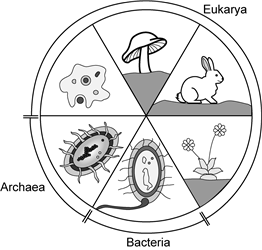
The Eukarya Domain has which organisms?
Bacteria that causes diseases
Bacteria found in volcanoes
plants, animals., fungi and protista
none of the above
Multicellular organisms belong in which kingdom?
Archaebacteria
Fungi
Protista
Eubacteria
Kingdom Animalia is
Eukayotic
Prokaryotic
Kingdom Archaebacteria is...
unicellular
multicellular
The naturalist who developed the two-word naming system for organisms was
Aristotle
Carolus Linnaeus
Willi Hennig
Terry Erwin
The characteristics that scientists use in cladistics are
analogous structures.
shared derived characters.
convergent structures.
shared homologous traits.
Which of the following lists the eight classification levels in proper descending order?
domain, kingdom, phylum, class, order, family, genus, species
kingdom, domain, phylum, order, class, family, genus, species
kingdom, phylum, family, class, domain, order, genus, species
phylum, kingdom, domain, class, order, family, genus, species
The science of naming and classifying organisms is called
binomial nomenclature.
polynomial nomenclature.
taxonomy.
cladistics
An organism's scientific name consists of its
genus and species.
genus and family.
species and family.
common name and Latin name.
Linnaeus's classification system was based on which of the following characteristics?
form and structure
DNA
behavior
phylogenetic relationships
Biologists use cladograms to
evaluate the importance of characters.
estimate the degree of difference between organisms.
hypothesize the sequence in which different groups evolved.
analyze evolutionary relationships subjectively.
An ancestry diagram made by grouping organisms according to their shared derived characters is called a
phylogenetic diagram.
taxonomic category.
phylum.
cladogram.
A modern systematic taxonomist would likely consider the following when classifying an organism:
the fossil record, morphology, embryological development, and macromolecules
the fossil record, morphology, embryological development, and habitat
behavior, morphology, embryology, and habitat
the fossil record, macromolecules, habitat, and embryological development
The two-word system for naming organisms is called ___________________.
taxonomy
cladistics
phylogenetic diagram
binomial nomenclature

Which trait(s) do conifers have?
vascular tissue only
vascular tissue and seeds
vascular tissue, seeds and flowers
seeds only

According to the cladogram, which organism is most distantly related to the chimpanzee?
salmon
salamander
lizard
hamster

Which trait should go where A is on the cladogram?
eyes
feet
lips
hat
Which trait should go where C is on the cladogram?
eyes
feet
lips
hat

Which organism goes in the A position?


Which organism goes in the B position?
Which organism goes in the C position?
Which organism goes in the D position?
The smallest classification group consists of:
Organisms that are very different
Organisms that do not look the same
Organisms that are very similar
Why is the most specific taxonomy category?
Kingdom
Domain
Species
Order
What kingdom would a human belong to?
Plant
Animalia
Protist
Fungi
Who created the system of Taxonomy?
Albert Einstein
Carolus Linnaeus
Aristotle
Copernicus


Binomial Nomenclature takes which two taxons to name a species?
Genus and Kingdom
Phylum and Class
Family and class
Genus and species
Canis lupus
What would the scientific name of this organism be?
Kingdom: Animalia
Phylum: Chordata
Class: Mammalia
Order: Carnivora
Family:Canidae
Genus: Canis
species: mesomelas
Mammalia carnivora
Canidae mesomelas
Canis mesomelas
Animalia chordata
What would the scientific name of this organism be?
Kingdom: Animalia
Phylum: Chordata
Class: Aves
Order: Charadriiformes
Family: Laridae
Genus: Thalasseus
species: maximus
thalassues maximus
Anamalia maximus
Aves chordata
Thalassues maximus
Kingdom:Animalia
Phylum: Chordata
Class: Mammalia
Order: Rodentia
Family: Sciuridae
Genus: Ratufa
species: indica
Indica ratufa
Ratufa indica
Chordata Amimalia
Sciuridea rodenta
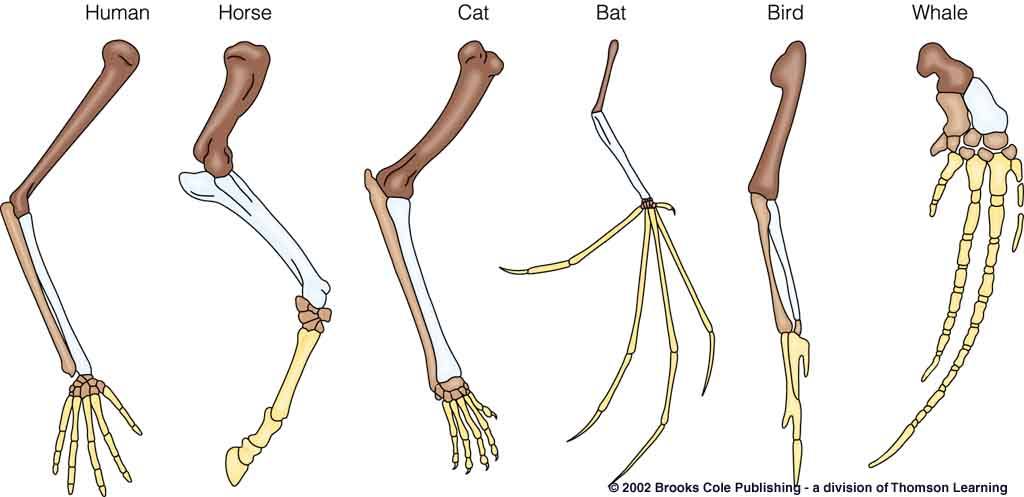
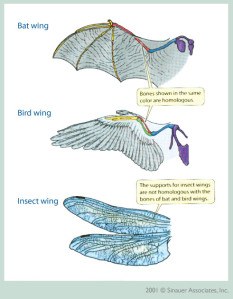
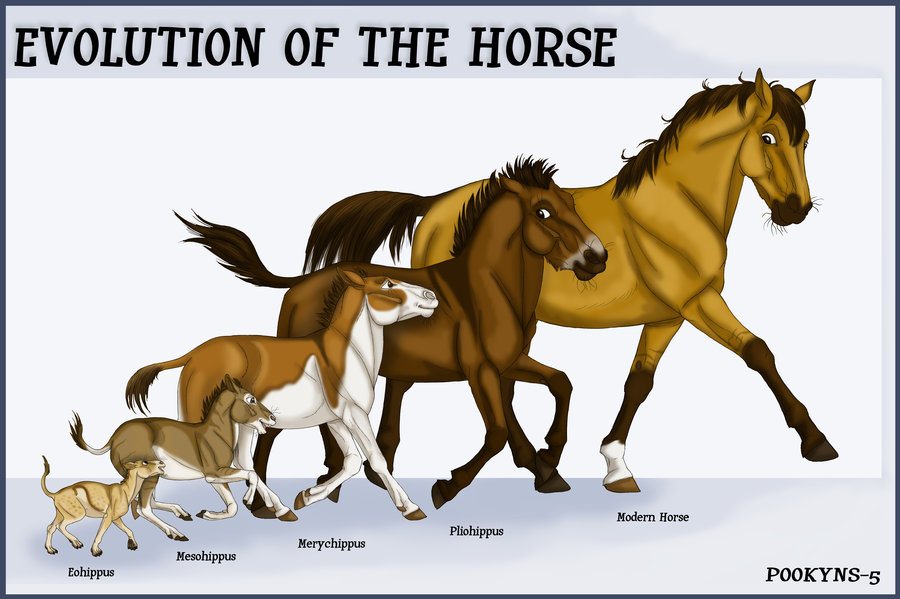
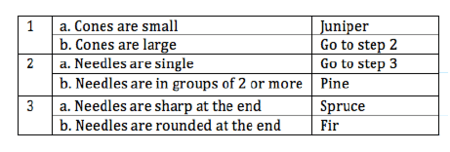

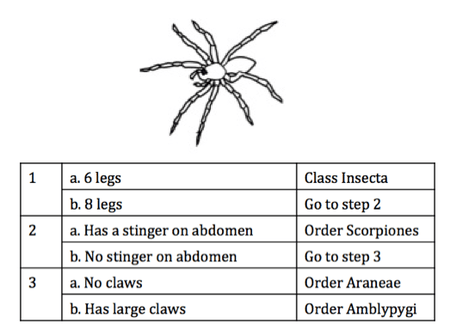

arachnids and insects?
following observations of the plant’s characteristics would be useful in determining its identity with a dichotomous key?
A student discovers an arachnid with a segmented abdomen, long legs, and a tail with no stinger.
The student uses the dichotomous key below to identify it.
1. a) Abdomen segmented.............go to 2
b) Abdomen not segmented ......go to 4
2. a) Abdomen with tail....................go to 3
b) Abdomen without tail...............go to 5
3. a) Tail with stinger..........................Scorpion
b) Tail without stinger.....................Whip scorpion
4. a) Legs longer than body.............Daddy Long Legs
b) Legs not longer than body……….Wind scorpion
5. a) Covered with spines .......................Mite
b) Few spines.....................................Tick
Whip Scorpion
Daddy Long Legs
Mite
Tick

