
 Worksheets
Principles of Physical Fitness
Total questions: 58
Worksheet time: 29mins
The ability of the body to go through daily activities without being overly tired is known as____________.
Cardio Fitness
Physical Fitness
Muscular Fitness
Mental Fitness
All of the following are considered exercises that can improve your flexibility except
yoga
tai chi
jogging
Pilates
The ability one of my muscles or group of my muscles to repeat a movement over and over again over a long period of time:
Flexibility
Muscular Strength
Muscular Endurance
Cardiorespiratory Endurance
Push-up test is a type of fitness testing that determines the upper body strength
TRUE
FALSE
The ability to stay upright while stationary or moving
Coordination
Speed
Balance
Flexibility
The ability to to move from one point to another in the shortest period of time
Agility
Speed
Endurance
Power


Skill component that describes the ability to quickly change control and direction
agility
balance
coordination
speed

Skill component that describes the ability to use the body parts and sense together with efficient movements.
reaction time
agililty
power
coordination
The ability to perform moderate to vigorous levels of activity and respond to physical demands is known as
exercise
physical activity
physical fitness
cardiorespiratory fitness
The ability of your heart and lungs to effectively deliver oxygen to your muscles during prolonged physical activity is called
muscular endurance
muscular strength
flexibility
cardiorespiratory fitness
Which of the following has been shown to be more effective in lowering type II diabetes risk?
High intensity exercise
Regular exercise and healthy diet
Prescription diabetes medication (insulin)
Vitamins and regular physical activity
The exercise that benefits most in the reduction of developing osteoporosis is
weight lifting
running
walking
swimming
The FITT principle stands for
frequency, intensity, training and type
frequency, intensity, time and type
flexibility, interacting with training and time
four components, increasing, to tone and treat illness
Clarisse wants to start a moderate cardiorespiratory endurance exercise program, but she has been sedentary for the past 5 years. Which of the following activities would be the best for her to incorporate to meet her goal of increasing her cardiorespiratory endurance?
Light stretching
Water aerobics
Competitive tennis
High intensity weight training
Moderate intensity activity is defined as activity that will raise your heart rate to
40-50% of your maximum heart rate
50-70% of your maximum heart rate
70-85% of your maximum heart rate
None of the answers are correct
The best program for building muscular endurance would be one that consists of
at least 20 minutes of aerobic exercise
exercises performed in sets of 12 repetitions with high amounts of resistance
exercises performed in sets of 20 repetitions with low amounts of resistance
performing one set of 10 with 8 different exercises
You can do resistance training on consecutive days as long as
you work different muscle groups from day to day
you do a low to moderate intensity workout
you allow each muscle 96 hours of recovery time
you perform the same exercises each day
John is physically active regularly throughout the week. This means that he
lifts weights every day
can do vigorous levels of exercise without fatigue
plays competitive sports
regularly moves his body to expend energy
Which of the following occurs as a result of being regularly physically active?
The lungs are able to take in more air
The heart pumps less blood per beat due to improved oxygen carrying capacity
HDL cholesterol is lowered
Blood glucose levels increase
Which of the following types of exercises is has been clinically identified as most effective in reducing stress, improving sleep and increasing productivity?
Flexibility
Muscular strength
Muscular endurance
Cardiorespiratory endurance
The principle that states your fitness level will decline if you don't maintain your physical activity is known as the principle of
recuperation
adaptation
reversibility
individuality
Which of the following are demonstrable benefits of cardiorespiratory exercise?
It reduces the need for oxygen in the bloodstream
It decreases the likelihood of osteoporosis
People who engage in regular cardio lose weight faster than those who resistance train
It improves the overall active and resting functioning of your cardiovascular system
Jason has been exercising for four weeks and is ready to increase his intensity. Which of the following best describes the benefit he'll gain by increasing from light to moderate activity?
Lowered risk of chronic disease
Increased cardiorespiratory endurance
A moderate health improvement
A moderate improvement in wellness
You can do resistance training on consecutive days as long as
you work different muscle groups from day to day
you do a low to moderate intensity workout
you allow each muscle 96 hours of recovery time
you perform the same exercises each day
Being able to move quickly and fluidly through a range of motion is known as
static flexibility
dynamic flexibility
core flexibility
progressive flexibility
Core strength creates stability in your
abdominal wall and legs
back, pelvis and hips
abdominal wall, back, hips and pelvis
only the abdominal wall
Which of the following activity levels would adhere to the Physical Activity Guideline for Americans from the Department of Health and Human service?
At least 30 minutes of stretching a day
At least 10 minutes of vigorous intensity aerobic exercise per week
Performing resistance exercises 2 day per weeks for most major muscle group in sets of 15-30 repetitions
At least 150 minutes of moderate intensity aerobic activity per week
Endurance
A person's ability to exercise continuously for extended periods without having to use the restroom
A person's ability to exercise continuously for extended periods without being hungry
A person's ability to exercise continuously for extended periods without needing to think
A person's ability to exercise continuously for extended periods without tiring
Strength
The quality or state of being smart
The quality or state of being strong
The quality or state of being silly
The quality or state of being tired
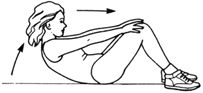

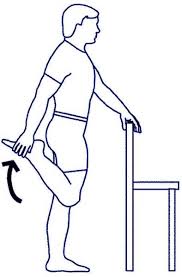
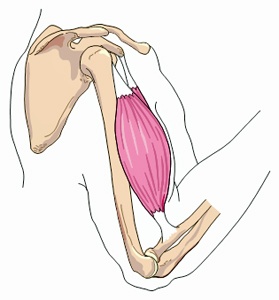
The amount of force that a muscle can produce
Muscular Strength Endurance
Muscular Strength
Power
Speed
The ability of joints to move beyond its normal range
Speed
Balance
Flexibility
Body Mass
The amount of time it takes to make a physical response
Speed
Cardio-respiratory Endurance
Agility
Reaction Time
The ability of heart and lungs to produce oxygen to the different body parts
Muscular Strength
Muscular Strength Endurance
Cardio-respiratory Endurance
Flexibility
The ability to combine several distinct movement patterns into a singular distinct movement
Coordination
Speed
Balance
Agility
The ability to to move from one point to another in fastest time
Agility
Speed
Endurance
Power
The ability of the muscle to exert maximum force
Endurance
Agility
Flexibility
Power

Flexibility can be divided into two parts
aerobic and anaerobic
active and passive
static and dynamic
none of above
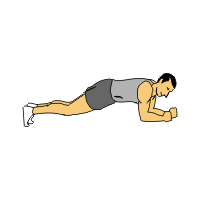
which contraction is this
isotonic
isometric
isokinetic
both A and B
what are the components of physical fitness
speed,flexibility,strength,endurance,agility
strength,speed,strength endurance,flexibility,agility
strength,endurance,speed,flexibility,co-ordinative abilities
endurance,speed,body composition,flexibility
components of health related fitness
cardio-respiratory endurance,muscular strength,muscular endurance,body composition,flexibility
strength,speed,endurance,muscular strength
muscular endurance,cardio-respiratory endurance,flexibility
none of the above

