
 Worksheets
Circulatory/Immune System Exam Study Guide
Total questions: 70
Worksheet time: 1hrs 5mins

(a) is the liquid part of blood.




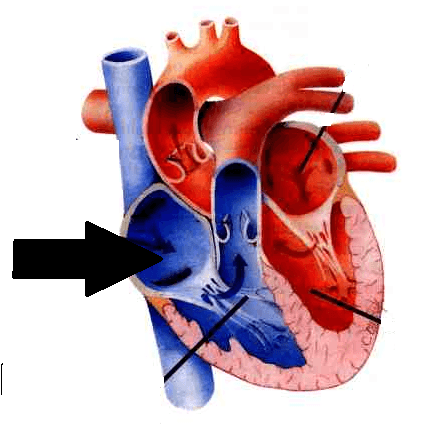
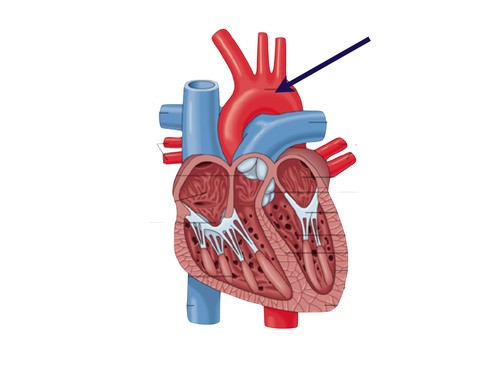
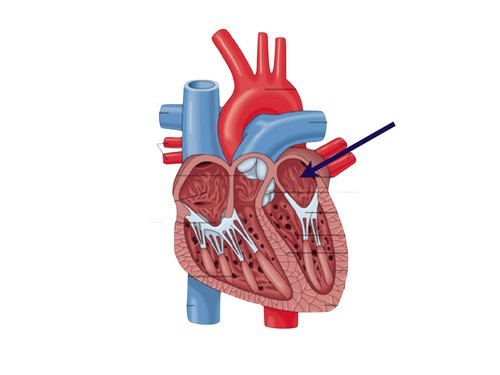
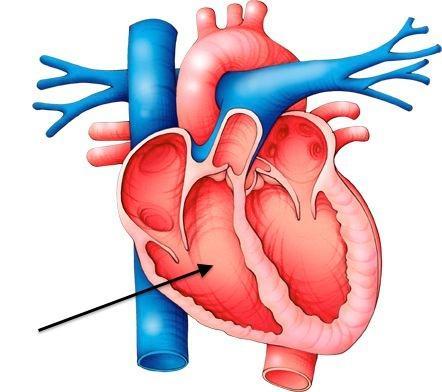
This chamber of the heart RECEIVES oxygen rich blood back from the lungs
Right Atrium
Left Atrium
Right Ventricle
Left Ventricle
This chamber of the heart pumps the blood from the heart to the lungs through the pulmonary artery
Right Atrium
Left Atrium
Right Ventricle
Left Ventricle

When blood is blocked to the brain, it causes...
a heart attack.
high blood pressure.
a stroke.
sickle cell anemia.

High blood viscosity will cause blood flow to...
decrease.
increase.
stay the same.
speed up & then slow down.

Arteriosclerosis is when...
blood pressure increases.
plaque builds up in the veins.
artery walls become thicker.
blood pressure decreases.

As the diameter of a blood vessel DECREASES...
resistance INCREASES.
resistance DECREASES.
resistance is NOT affected.
platelets
straw-colored liquid in which blood cells are found
cell fragments which aid in blood clotting
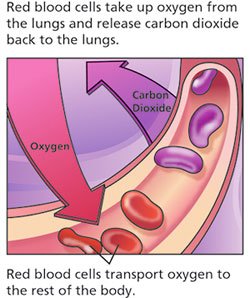
cell found in blood which carry oxygen to the body cells
blood cells which fight infections in the body
hemoglobin
the protein found in the center of red blood cells which allows oxygen to bind to it
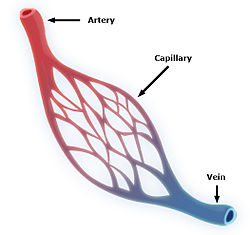
blood vessels which carry blood away from the heart
tiny blood vessels which reach every cell in the body
the blood vessels which carry low pressure blood back to the heart
capillaries
the protein found in the center of red blood cells which allows oxygen to bind to it
blood vessels which carry blood away from the heart
tiny blood vessels which reach every cell in the body
the blood vessels which carry low pressure blood back to the heart
The contraction/emptying phase of the cardiac cycle?
Systole
Diastole
Type of circulation that refers to blood flow from the heart to the lungs and back to the heart again?
Systemic circulation
Renal circulation
Portal circulation
Pulmonary circulation
The relaxing/filling stage of the cardiac cycle?
Systole
Diastole
The type of blood vessel that normally carries de-oxygenated blood back to the heart from body cells?
arteries
capillaries
veins
The type of blood vessel where exchange of gases, nutrients, and wastes occurs?
arteries
capillaries
veins

The main vein(s) that brings blood to the right atrium?
Aorta
Pulmonary veins
Superior and Inferior vena cava
Jugular vein
Which of the following does the circulatory not consist of?
Heart
Lungs
Blood
Blood vessles
From which chamber of the heart does blood leave to go to the lungs?
lower ventricle
upper ventricle
left ventricle
right ventricle
The upper chambers of your heart are called ______
atrium
ventricle
vesticle
artery
White blood cells are also known as:
Erythrocytes
Leukocytes
Platelets
Plasma
What is the function of leukocytes?
fight disease and protein the body from infection
responsible for blood clotting
remove waste from the body
carry oxygen, nutrients, and waste products
Which of the following is the correct flow of deoxygenated blood through the heart?
body, right atrium, right ventricle, lungs
lungs, right atrium, right ventricle, body
body, left atrium, left ventricle, lungs
lungs, left atrium, left ventricle, body
body, right atrium, left atrium, lungs
Which of the following is the correct flow of oxygenated blood through the heart?
body, right atrium, right ventricle, lungs
lungs, right atrium, right ventricle, body
body, left atrium, left ventricle, lungs
lungs, left atrium, left ventricle, body
body, right atrium, left atrium, lungs
Many times people visit the doctor requesting antibiotics to treat colds and viral infections. How is the doctor justified in offering the patient treatment options that do not include antibiotics for these cases?
Colds and viruses should be first treated with viral therapies and then when the body begins to recover, antibiotics can be used. Otherwise, the use of antibiotics is not effective at all.
Side effects from antibiotics are severe when used for colds and viruses. Any use of antibiotics for colds and viruses will only make the patient more ill and ultimately make the patient's recovery time longer.
Antibiotics can weaken the immune system when used for colds and viruses, whereas other medications are not so hard on the immune system during these types of illnesses.
If a doctor provides an antibiotic to treat colds and viruses, any bacteria in the patient's body will be killed, but a few will survive. Those few survivors may become resistant to antibiotics needed for real bacterial illnesses.

An immune response that occurs in the human body is shown above. This activity helps to do which of the following?
Produce antibiotics to control disease
Provide protection against a specific pathogen
Provide protection against all types of pathogens
Eliminate harmful gene alterations
After an initial infection, B-cells recognize the measles virus. How is this helpful in human immune response?
The B-cells use this recognition to defend the body against other pathogens, such as bacteria.
The B-cells more quickly recognize and respond to any other virus that invades the body.
The B-cells produce antibodies more quickly if the measles virus is encountered again.
The B-cells transfer this recognition to T-cells, which will then devour the viruses.
What is the body's first line (non-specific) of defense against infection by foreign organisms?
antibodies
lymph nodes
white blood cells
the skin
White blood cells are an important part of the human immune response. Two types of white blood cells, neutrophils and macrophages, act as phagocytes. Phagocytes perform which of the following functions in the human body?
They produce antibodies.
They bind to antigens and develop into plasma cells
They form a barrier against pathogens.
They engulf and destroy bacteria
Although vaccines cannot be used to treat a person who is sick, they can help to prevent infections. Vaccinations tell the body to create "memory cells", which will function later to create antibodies against certain pathogens. When a person is vaccinated, what are they injected with?
antibodies to a disease bacterium
live, inactive viruses
weakened viruses or antigens from the virus
blood from a person who has had the disease
Many species of bacteria have become resistant to antibiotics because antibiotics have been so widely used. Now, bacteria that used to be killed by antibiotics are more difficult to treat. What is the best way to proceed in dealing with this public health problem?
Antibiotics should no longer be used.
Antibiotics should be made available to anyone without a prescription.
Antibiotics should only be prescribed to people with bacterial infections.
Anti-viral medications should now be used instead of antibiotics.

What organelle differentiate the plant cell from the animal cell ?
ribosome
Cell Wall
nucleus
mitochondria

In what domain should this organism be classified?
Eukarya
Bacteria
Prokaryote
Protista
Macrophages, B cells and T cells are all examples of...
Red Blook Cells
White Blood Cells
Viruses
Pathogens
Which of the following is NOT a pathogen?
Fungus
Bacteria
Parasites
Macrophage

Is it possible for viruses to mutate and develop into new strains of the virus?
Yes
No
A substance usually prepared from dead or weakened pathogens introduced into the body to produce immunity
Vaccine
Disease
Immunity
White Blood Cells

A molecule that the immune system recognizes either as part of the body or as coming from outside the body:
Antigen
Antibodies
Antibiotics
Antipaths

What attaches to antigens and tags the pathogen for destruction?
Pathogen
Antibodies
B-cells
Lymphocyte
What is the term for a strong response to a harmless antigen in the environment?
An allergy
Cell-mediated immunity
An autoimmune disease
Inflammatory response

The diagram shows a pathogen, what is the arrow pointing to on the surface of the pathogen?
a molecule called an antigen
a molecule called an antibody
As part of the immune system, white blood cells fight germs. Another name for white blood cells is...
Rhinovirus
Leukocytes
Glands
Nodes
A protein produced by B cells of the immune system that destroys pathogens is called:
Antigens
Antibodies
T-cells
Lymphocytes
Match the following terms that mean the same things.
antigen
chemical marker
antibody
Y-shaped protein
pathogen
foreign invader
engulf
eat
antibiotic
medicine

Organ transplants will cause an immune response in the body because...
red blood cells will be prevented from carrying oxygen.
antibiotics will be produced that cause blood clotting.
white blood cells will react to the foreign antigens on the organ.
the organ prevents antibodies from being made.
When a person develops immunity to a pathogen through their body's natural immune response to encountering the pathogen
Active Immunity
Passive Immunity
Fever
Inflammatory Response
You can develop _______ from antibodies produced outside your body like those produced in breastfeeding.
Herd Immunity
Passive Immunity
Primary Immune Response
Active Immunity
Which is NOT considered FIRST line of defense?
Helper T-Cells
Skin
Hair
Mucous Membranes
What is phagocytosis?
WBCs
When a cells eat other cells
When a cell collapses
When a cell releases nutrients
This sticky fluid traps any pathogens that try and get in our body
Mucous Lining
Blood
Stomach Acid
Skin

A pathogen that depends on living things to reproduce is a
Bacteria
Virus
Fungi
Parasite

Your external defenses include
Skin and Mucus
White Blood Cells
Fever
Inflammation
Adaptive immunity is based upon ____.
traits common to groups of pathogens.
antigen-specific recognition.
maternal provision of antibodies to offspring.
plants being exposed to new pathogens.

