
 Worksheets
3.2 Review
Total questions: 119
Worksheet time: 3hrs 20mins
Where do plants get the energy for photosynthesis to take place?
nutrients in the soil
the sun
chlorophyll
bee pollination
What part of the plant soaks up water for photosynthesis?
roots
petals
leaf
stem
What is the food manufacturing process in plants?
respiration
chlorophyll
glucose
photosynthesis
Where do the leaves and stems of plants get their green color from?
glucose
oxygen
carbon dioxide
chlorophyll

The openings that are found in the leaves of plants are called:
Stomata
Chlorophyll
Xylem
Chloroplast
The process of photosynthesis takes place in the:
Leaves of the Plant.
Stem of the plant.
Roots of the plant.
All of the above.
What gas do plants give off after conducting photosynthesis that humans/animals need in order to live?
Oxygen
Carbon
Nitrogen
Hydrogen
What are the 3 key ingredients needed for photosynthesis
glucose, oxygen, carbon dioxide
carbon dioxide, water, glucose
water, soil, sunlight
sunlight, water, carbon dioxide
What is the name of the sugars a plant produces after photosynthesis
Glucose
Sugar
ATP
Oxygen
True or False: Plants make their own food and use the energy from the food that is made.
True
False
Why are decomposers important?
They break down dead animals and replace nutrients in the soil.
They provide energy to consumers.
They make their own food.
They keep the sun burning.

You ate steak and salad for dinner last night.
What does that make you?
a herbivore
a carnivore
an omnivore
a producer
Which of the following is an example of a predator & prey relationship?
a frog eats a housefly
a person eats an orange
a frog eats a deer
a rabbit eats grass
Prey is an animal that __________.
is killed and eaten by other animals
kills other animals
only eats plants
is not in a food chain

Which animal in this food chain is an herbivore and eats only plants?
wolf
hedgehog
fox
grasshopper

An animal that hunts other animals for food is a ___________
herbivore
predator
prey
energy

Which of the following is NOT a consumer
grass
dog
shark
fish

An animal that eats other animals is a __________.
carnivore
omnivore
herbivore
decomposer

An animal that eats only plants is an __________.
carnivore
omnivore
herbivore
decomposer
Living things that can make their own food are called ________.
consumers
herbivores
producers
carnivore

What is the original source of all energy in a food chain?
plants
sun
producers
decomposers

The arrows in a food chain show the flow of __________.
eating
sunlight
energy
time
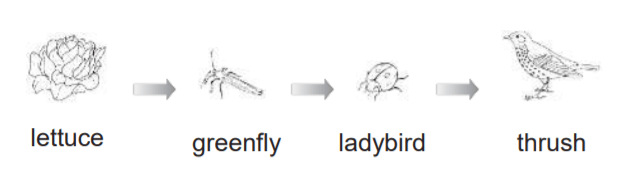
Which one is the producer?
lettuce
greenfly
ladybird
thrush

An organism that gets energy from eating other organisms is a ______________
producer
consumer
decomposer

What are the organisms that break down dead stuff?
Producers
Consumers
Decomposers
Organisms

Which of these organisms would RECEIVE energy from the snake?
Plant
Rabbit
Mouse
Hawk

Producers get their energy from the ______.
water
Sun
eating animals
eating plants

What is a producer?
an organism that gets energy from eating other organisms
an organism that uses sunlight to make its own food
an organism that gets energy from eating dead organisms

All the living and nonliving things in a place are called a(n) __________.
herbivore
ecosystem
Earth
universe
Where do all life forms get their energy?
Earth's Core
Water
Plants
The Sun

An organism that lives by breaking apart dead organic matter into simpler parts is...
scavenger
consumer
decomposer
carnivore
An animal that eats other animals is a....
carnivore
omnivore
herbivore
decomposer
Animals that are being hunted and eaten by predators.
prey
extinct
Recently, a family of bobcats moved into an area with a large rabbit population. What changes may occur in the ecosystem?
The rabbit population may increase
The rabbit population may decrease
The rabbit population may increase first, then decrease
The rabbit population will remain the same
An animal that eats only plants is an...
carnivore
omnivore
herbivore
decomposer

Where does the energy start in this food chain?
Plant
Sun
Deer
Wolf
What is a producer?
Organism that creates their own food.
Organism that eat other organisms for energy
Organism that eat other dead organisms
An example of a predator:
shark
mouse
rabbit
What is a decomposer?


What are animals called in a food chain?
Producers
Consumers
Decomposers
Plants
Which of these organisms would receive energy from the snake?
Plant
Rabbit
Mouse
Hawk

Why do people say adult lions are at the top of the food chain?
Adult lions have no predators in the wild, except for humans.
Adult lions are prey for many different kinds of animals.
Adult lions are producers and can make food on their own.
Adult lions help other animals get food by hunting for them.

Decomposers get energy from...
the sun
eating plants
eating animals
dead things and waste
Who is the producer?
lettuce
greenfly
ladybird
thrush
What is a food chain?
The flow of energy from one thing to another
The way animals eat each other
The way the sun makes everything
How the plants grow

What animal is on the top of the food chain?
*Remember Humans are on the top of all food chains because we do not get hunted.
Grass
Grasshopper
Mouse
Owl

type of consumer eats secondary consumers
primary consumer
plants
tertiary consumer
sunlight

This type of consumer
eats a producer. (herbivores)
Primary Consumer
Secondary Consumer
Tertiary Consumer
Vegan Consumers
Why are decomposers important?
they break down dead animals and replace nutrients in the soil.
they provide energy to consumers
they make their own food
they collect sunlight
What is a food chain?
The flow of energy from one thing to another
The way animals eat each other
The way the sun makes everything
How the plants grow
What is a producer?
Organism that creates their own food.
Organism that eat other organisms for energy
Organism that eat other dead organisms
*Remember Humans are on the top of all food chains because we do not get hunted.
What do plants need to make their own food?
Sun, Water, and Animals
Sun, Coke, and Soil
Sun, Water, and Soil
Nothing at all
An example of a predator:
shark
mouse
rabbit
An example of prey:
lion
mouse
shark

What is a decomposer?


Food webs show you everything an animal eats. Food chains show you one thing.


Which of the following organisms is a producer?
fox
eagle
snake
grass

Which of the following organisms is a primary consumer?
snake
grasshopper
fox
squirrel

Which of the following organisms uses photosynthesis to get the energy it needs to survive?
grasshopper
mouse
grass
deer

Which of the following organisms is in competition with the wild cat for their food source?
jackel
goat
mouse
rabbit

Which of the following organisms is a herbivore?
lion
jackel
snake
rabbit

What would happen to the mouse population if the snake population moved out of the area represented by the food web?
The mouse population would increase.
The mouse population would neither increase nor decrease.
The mouse population would decrease.

What might happen if you remove a primary consumer from the ecosystem?
There would be more food for secondary consumers.
The number of producers would increase.
The number of primary consumers would increase.
The number of secondary consumers would increase.

A consumer that hunts is called ____.
a producer
nothing
a herbivore
a predator

A snake eats a mouse. The snake and mouse are demonstrating _________.
mutualism
predator/prey
competition
parasitism
All energy on Earth ultimately comes from what source?
water
consumers
sun
flowers

An organism that needs to eat other organisms to obtain energy is known as a __________.
autotroph
consumer
producer
mutualist

What does a food chain represent?
How all living organisms within a habitat are connected.
How plants create their own food.
All of the things that a particular animal eats.
A single path of energy transfer within a habitat.

The arrows in a food chain or web represents what?
They point to the organisms that is next to them.
They show what direction the energy is flowing between organisms.
It shows how sunlight flows within an ecosystem.
They represent how water is transferred within a habitat.

What does a food web represent?
All connections of energy flow throughout all organisms in a habitat.
A single pathway or energy flow between organisms.
The specific ways that mutualism is carried out.
How carnivores get their food.

How many predators does the mouse have?
1
2
3
4

The Krill is eaten by which consumer?
blue whale
leopard seal
squid
crab

What type of consumer is the jackel?
omnivore
producer
carnivore
herbivore

An organisms that lives by breaking down dead organic matter into tiny parts is a ____________.
scavenger
consumer
carnivore
decomposer
Recently, a family of bobcats moved into an area with a large rabbit population. What changes may occur in the ecosystem?
The rabbit population may increase.
The rabbit population may increase first, then decrease.
The rabbit population may decrease.
The rabbit population will remain the same.

Identify the correct food chain that demonstrates the energy flow of this food web.
plant >grasshopper >mouse >snake
plant >eagle >mouse> snake
plant >deer > squirrel >coyote
plant >coyote >snake >eagle

Click on the image to make it larger!
Then, click all that apply:
The hawk gets energy from...
Mouse
Wildflower
Rabbit
Snake

The fox in this food web would be considered a:
Tertiary Consumer
Producer
Secondary Consumer
Primary Consumer


Which two arrows show matter moving from a producer to a primary consumer?
between the desert iguana and the kit fox
between the beavertail cactus and the desert woodrat
between the creosote bush and the desert iguana
between the rattlesnake and the mushroom

Which two of the following organisms are decomposers in this food web?
Water Mold
Shiner
golden algae
bacteria

Which two of the following arrows show matter moving from a secondary consumer to a decomposer?
the arrow between the copepod and the bacteria
the arrow between the water flea and the black crappie
the arrow between the black crappie and the water mold
the arrow between the green algae and the water flea

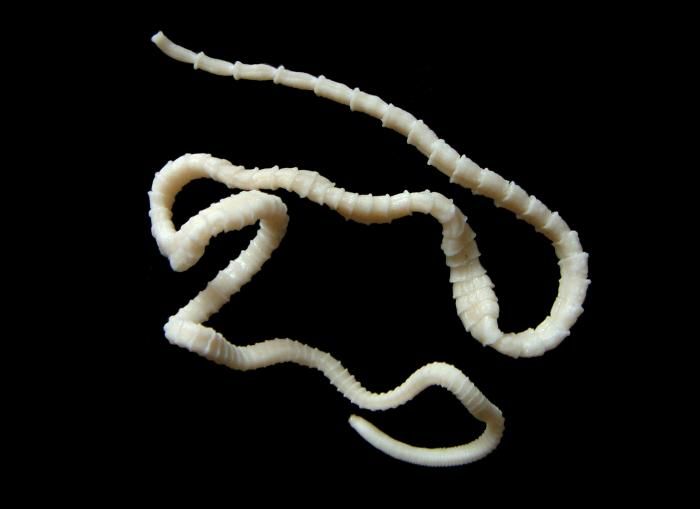
A tapeworm lives in the intestine of a cat absorbing nutrients through its skin. A tapeworm and a cat have this type of relationship.
mutualism
parasitism
commensalism
competition
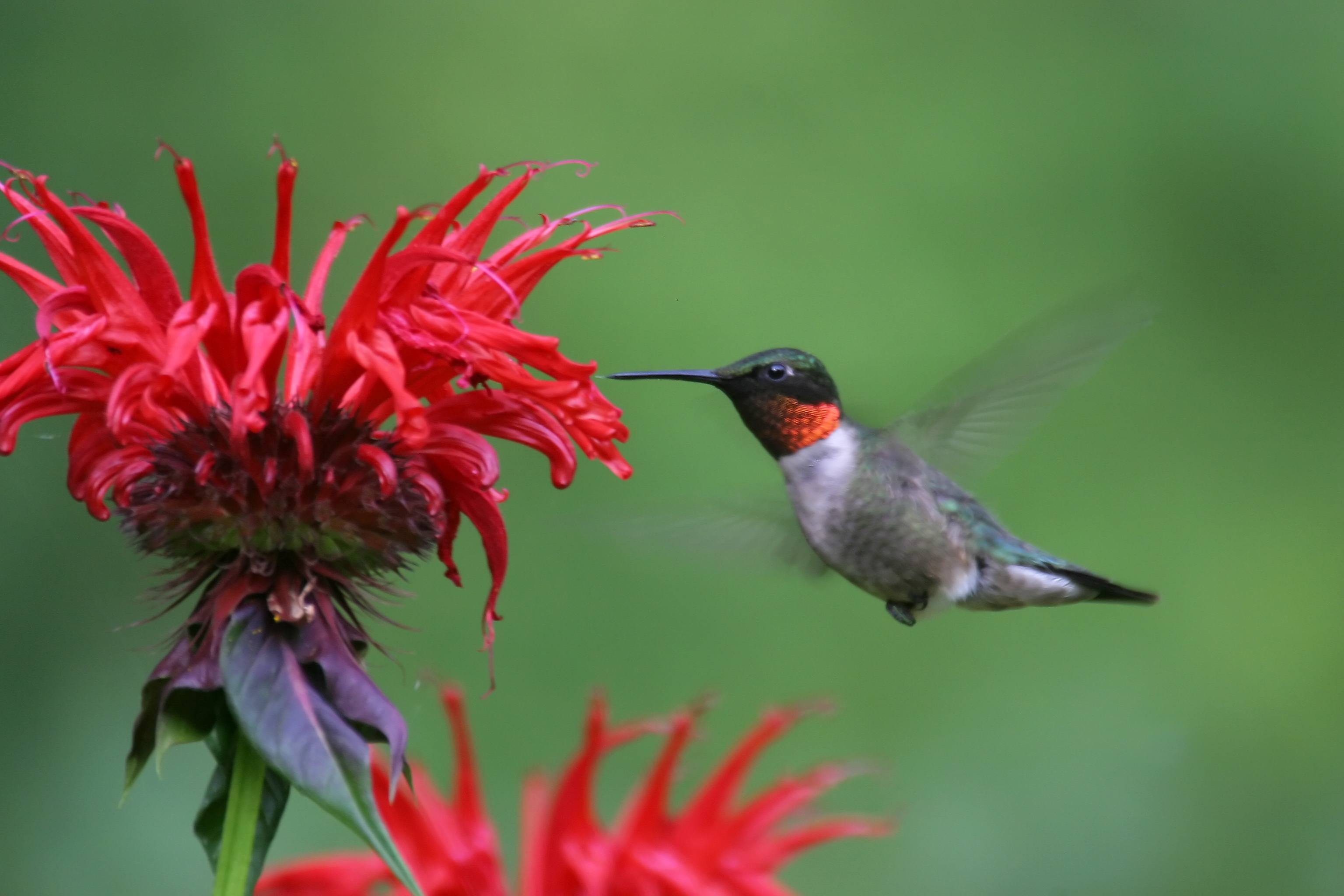

Mockingbirds will push the eggs out of a blue bird's nest and use the nest for it's own babies illustrating...
commensalism
parasitism
mutualism
predation

Clown fish live among anemones, acting as a lure for the sea anemone's prey. The clown fish get protection and shelter from the anemone. This is an example of which type of symbiosis?
Commensalism
Mutualism
Parasitism

A bee and a flower work together to benefit each other. This is an example of a ______. The bee helps the flower by pollinating it and the flower helps the bee by providing it with nectar.
commensalistic relationship
parasitic relationship
mutualistic relationship

A tick living on a dog
mutualism
commensalism
parasitism
A bird building their nest in a tree.
mutualism
commensalism
parasitism
The hermit crab carrying the sea anemone on its back.
mutualism
commensalism
parasitism
A tapeworm living in a 6th grade students intestines.
mutualism
commensalism
parasitism
Bees and a flower
mutualism
commensalism
parasitism
Orchards that live on branches of trees.
mutualism
commensalism
parasitism
The ants and the acacia tree living together and both receiving benefits.
mutualism
commensalism
parasitism
Mistletoe putting its roots into its host tree.
mutualism
commensalism
parasitism
A rhino and a tick bird.
mutualism
commensalism
parasitism
A 6th grader and their pet
mutualism
commensalism
parasitism

