
Font size
 Worksheets
3rd Marking Period Review
Total questions: 121
Worksheet time: 6hrs 3mins
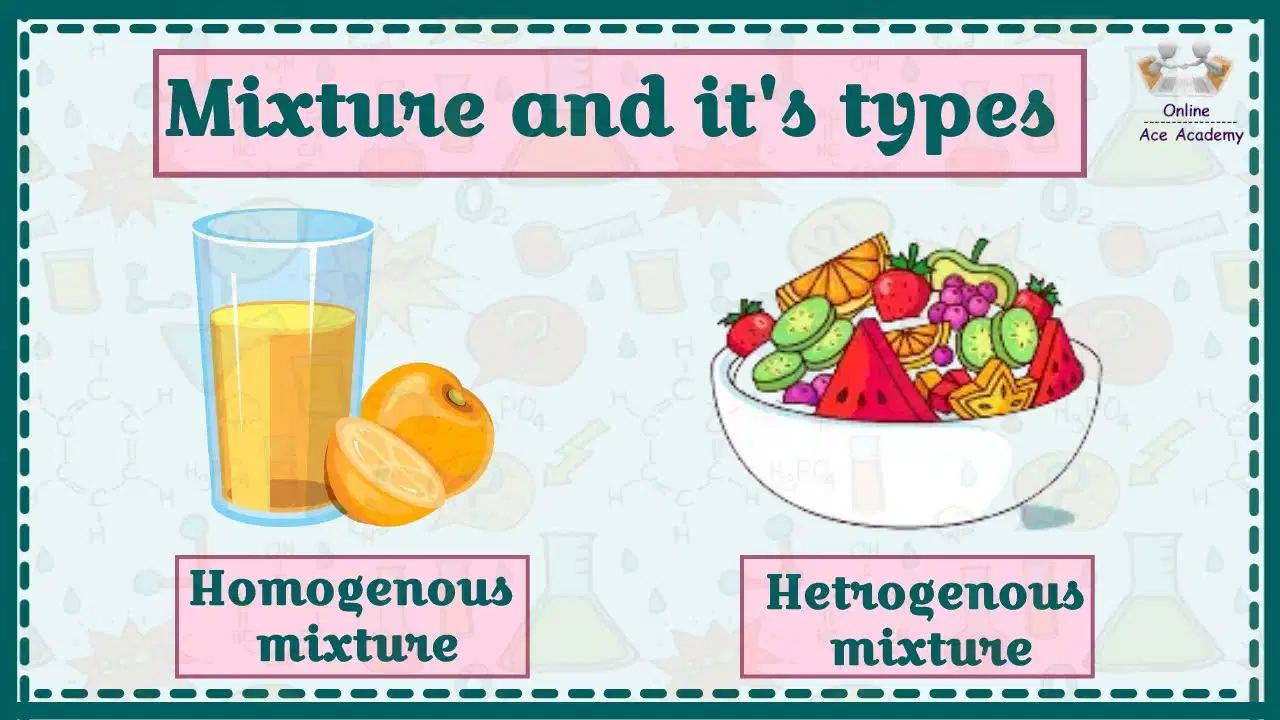
What is a homogeneous mixture?
A homogeneous mixture is a mixture that contains only one substance.
A homogeneous mixture is a mixture that has a varying composition throughout.
A homogeneous mixture is a mixture that can be separated into its components easily.
A homogeneous mixture is a mixture that has a uniform composition throughout.
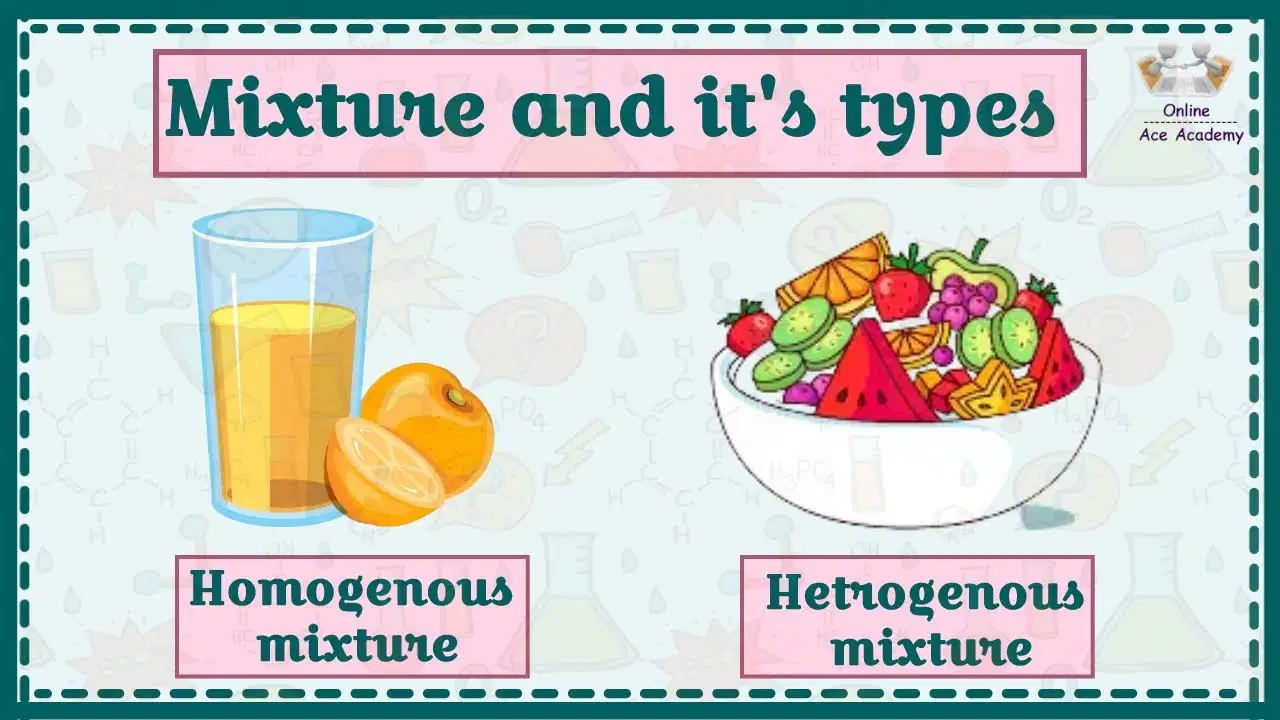
What is a heterogeneous mixture?
A mixture that consists of substances that are chemically combined.
A mixture that consists of visibly different substances or phases.
A mixture that consists of substances that cannot be separated.
A mixture that consists of only one substance or phase.
Find the heterogeneous mixtures.


Find the homogeneous mixture.


This substance represents....
an atom
an element
a compound
a mixture

This substance represents....
an atom
a compound
a mixture
a molecule

This substance represents
a mixture of elements
elements
a mixture of molecules
compounds

This substance represents
a mixture of elements
a mixture of compounds
a mixture of molecules

Which type of mixture is represented in this image?
(Think: Are the particles spread out evenly throughout, or are the particles chunked together?)
Heterogeneous mixture
Homogeneous mixture

Which type of mixture is represented in this image?
(Think: Are the particles spread out evenly throughout, or are the particles chunked together?)
Homogeneous mixture
Heterogeneous mixture
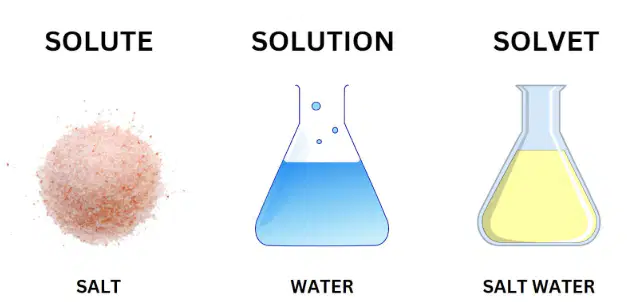
The substance being dissolved is called the ________
solvent
solid
solute
solvate
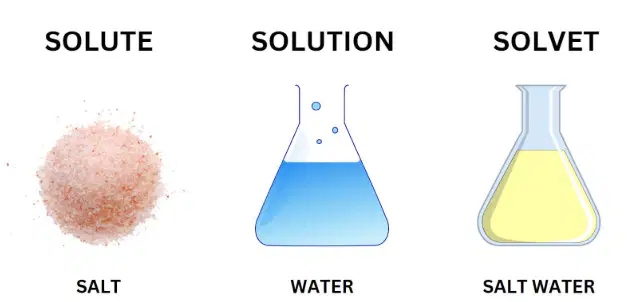
What is a solvent?
The substance that does the dissolving in a solution.
The substance that is being dissolved in a solution.
The mixing of different substances.
The process in which neutral molecules lose or gain electrons

Is this a solute or solvent?
solute
solvent

is this the solute or solvent?
solute
solvent

Is this the solute or solvent?
solute
solvent

A solution that contains more solute than a saturated solution is a ______.
unsaturated solution
super saturated solution

How do we make a dilution?
Add more solute
Remove solute
Remove solvent
Add more solvent
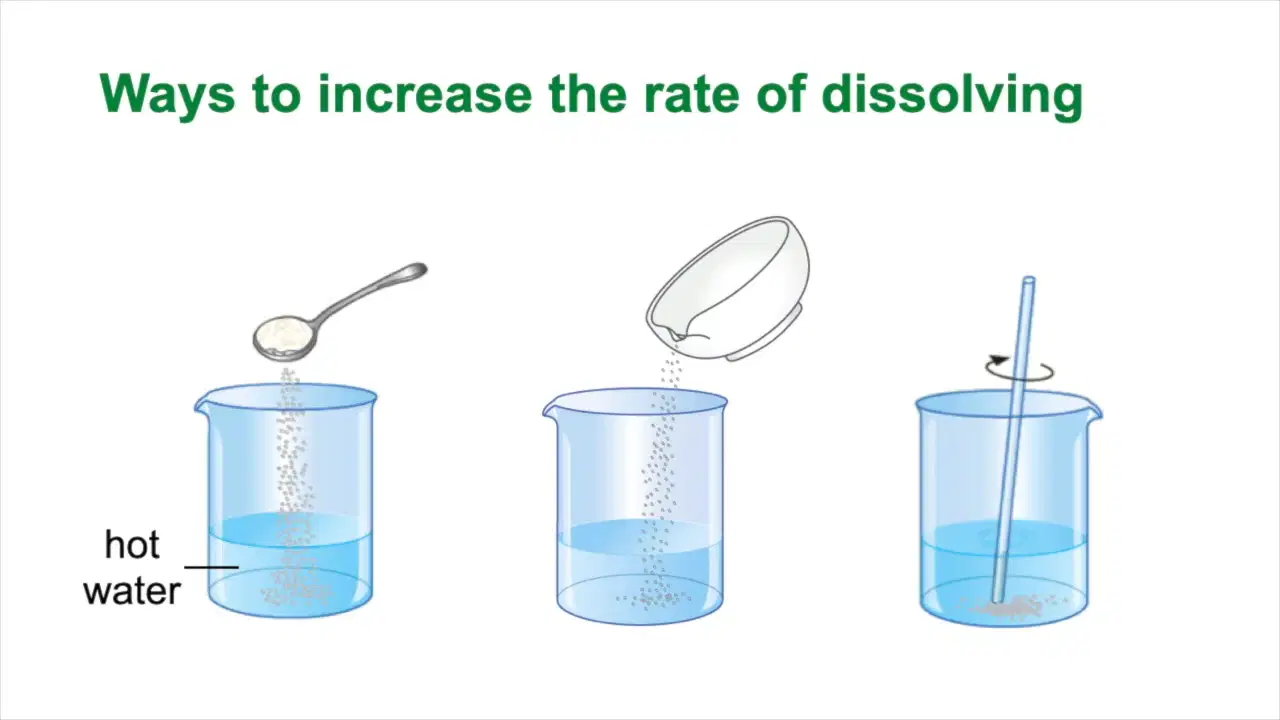
What are the factors that affect the rate of dissolution?
pH, viscosity, and conductivity
Time, density, and mass
Temperature, surface area, agitation, concentration, and the nature of the solute and solvent.
Pressure, color, and volume
Explain the effect of surface area on the rate of dissolution.
Surface area has no effect on the rate of dissolution.
The rate of dissolution decreases with an increase in surface area.
The rate of dissolution increases with an increase in surface area.
The rate of dissolution remains constant regardless of surface area.
How does temperature affect the rate of dissolution?
Temperature affects the rate of dissolution by increasing or decreasing the kinetic energy of the solvent molecules, which affects the frequency of collisions with the solute.
Temperature decreases the frequency of collisions between solvent and solute
Temperature only affects the solute, not the solvent
Temperature has no effect on the rate of dissolution
John has three cups of sugar particles. Cup 1 has large sugar particles, Cup 2 has medium-sized particles, and Cup 3 has small sugar particles. If John pours each cup in water, which cup of sugar particles will dissolve the fastest?
Cup 1 will dissolve the fastest.
Cup 2 will dissolve the fastest.
Cup 3 will dissolve the fastest.
They will dissolve at the same rate.
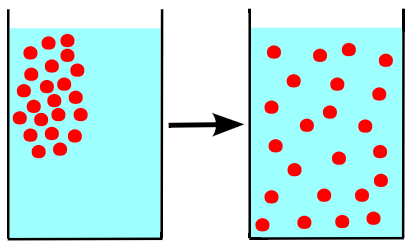
Look at the diagram. In this diagram, the red dots represent
the solute
the solvent
the solution
Look at the diagram. In this diagram, the blue area represents
the solute
the solvent
the solution
When a solution is very concentrated, it has a high amount of _________ to _________.
solute to solvent
solvent to solute
solvent to solution
solution to solute
__________ are made up of solutes and solvents.
Solutions
Suspension
Colloid
The ___ is the thing being dissolved.
solute
solvent
mixture
suspension
The maximum amount of a solute that can be dissolved in a given amount of solvent at a given temperature.
solubility
concentrated
diluted
surface area
A solution where water is the main liquid.
surface area
dissolution
aqueous solution
agitation
The amount of a particular substance in a given amount of a mixture.
Concentration
Dissolution
Dilution
Agitation
When you make a solution less strong by adding more liquid.
Dilution
Solubility
Concentration
Aqueous Solution
to stir, shake or disturb something.
solubility
agitation
surface area
rate of dissolution
a solution that contains less than the maximum possible amount of dissolved solute is _______
superstaurated
dilute
saturated
unsaturated
a solution that contains the maximum possible amount of dissolved solute is ______
unsaturated
supersaturated
concentrated
saturated
Another name for a homogeneous mixture is
an element.
a solution.
a compound.

How does a solution become supersaturated?
dissolve lots of solute in it.
dissolve a little solute in it.
dissolve more solute than you should be able to.
dissolve a solvent in it.
Anna filled a cup with hot tea. Then she added a sugar cube. Which of these will help to make the sugar cube dissolve more quickly?
stirring the hot tea
adding more sugar cubes
adding ice to the tea
pouring more tea into the cup

You make a saturated solution of sugar and water. You add more sugar to the water, but the sugar crystals don't dissolve. What could you do to increase the concentration of your solution?
Add more solvent
Stir the solution more
Cool the solution
Heat the solution
What is the main difference between physical and chemical changes?
Physical changes only affect the physical properties of a substance, while chemical changes result in the formation of new substances.
Physical changes only affect the chemical properties of a substance, while chemical changes result in the formation of new substances.
Physical changes involve a change in state, while chemical changes involve a change in color.
Physical changes are reversible, while chemical changes are irreversible.

An gel ice pack getting cold after you put it in the freezer for an hour.
Chemical Change
Physical Change
A chemical change is different than a physical change because in a chemical change
Chemicals are used
Molecules do not physically touch
A new substance is formed and in a physical change no new substance is formed
The change can be seen but in a physical change it cannot
Which of the following is an example of a chemical change?
rusting of a bicycle
painting a house
washing a dog
tearing up a newspaper

What is this a picture of?
plate tectonics
continental drift
pangaea
glacier scaring
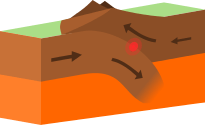
What is it called when one plate goes under the other?
Subduction
Divergent
Convergent
Transform

The type of plate boundary where two plates come together is a .....
Convergent Boundary
Divergent Boundary
Transform Boundary
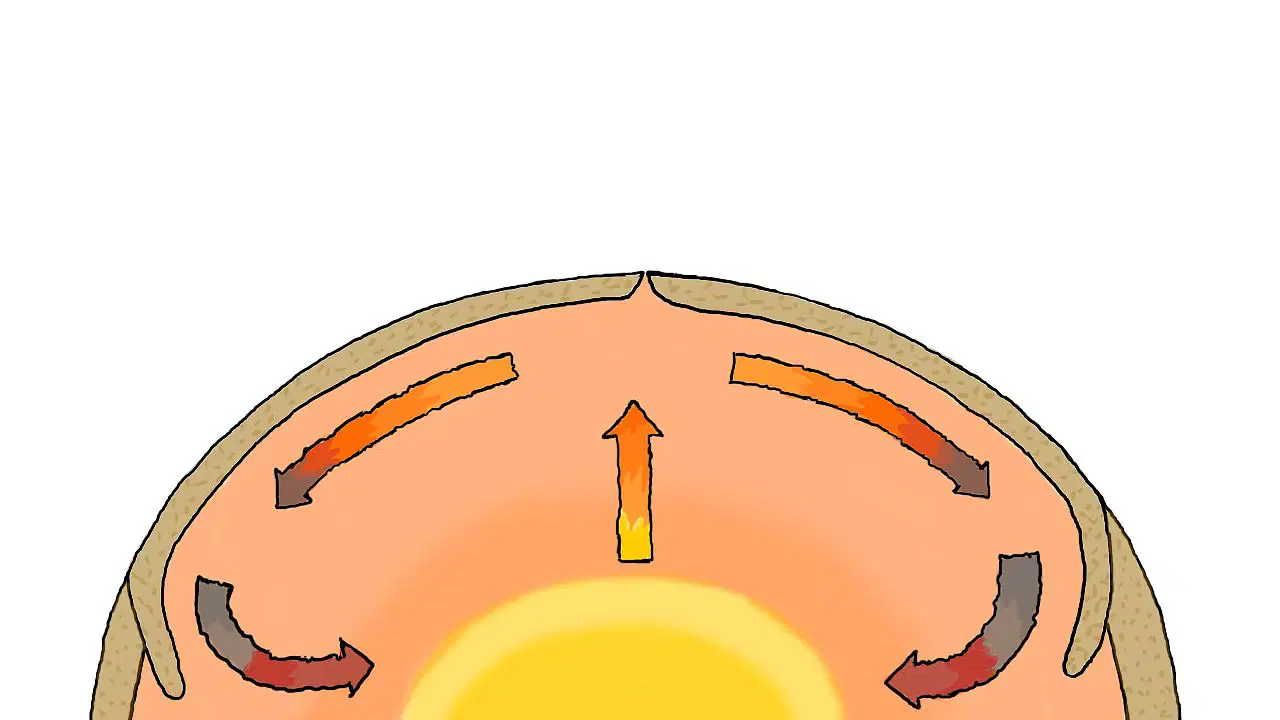
Which of the following causes Earth's tectonic plates to move?
Energy from the Sun
Magnetic Pole Reversal
Convection currents in the mantle
Faults in Mountain Ranges

What type of EVENT will occur at this boundary?
Earthquake
Volcano Eruption
Tornado
Mountain Building
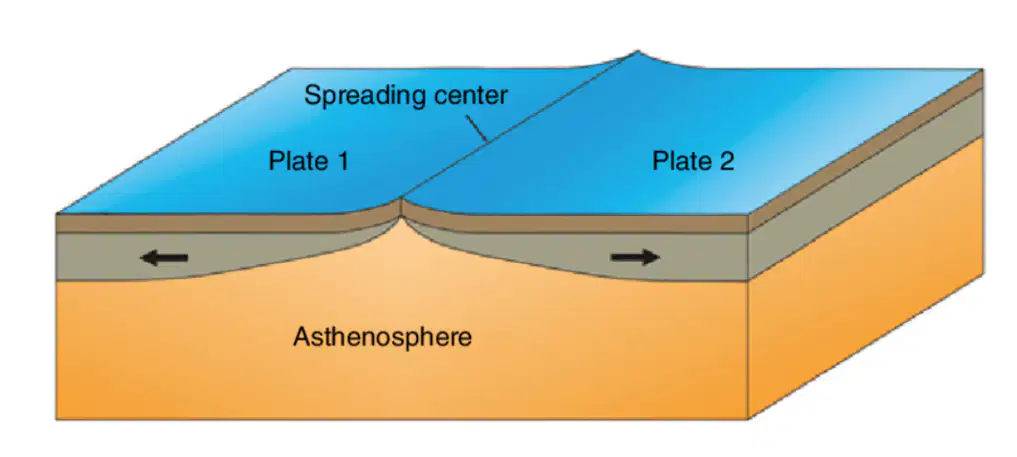
A divergent boundary occurs when plates ....
Pull apart
Come together
Slide past each other
subducting
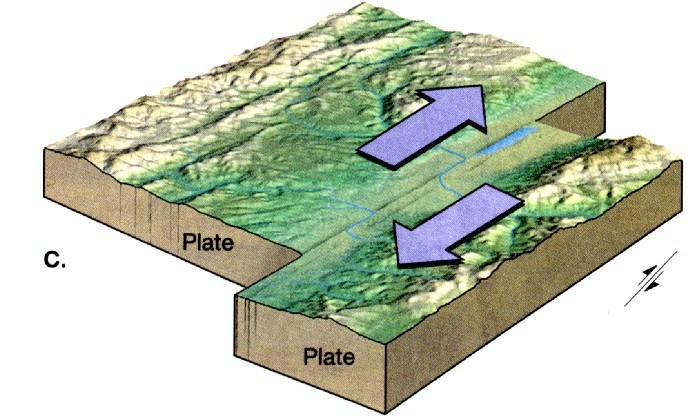
What type of plate boundary is this?
Transform
Convergent
Divergent
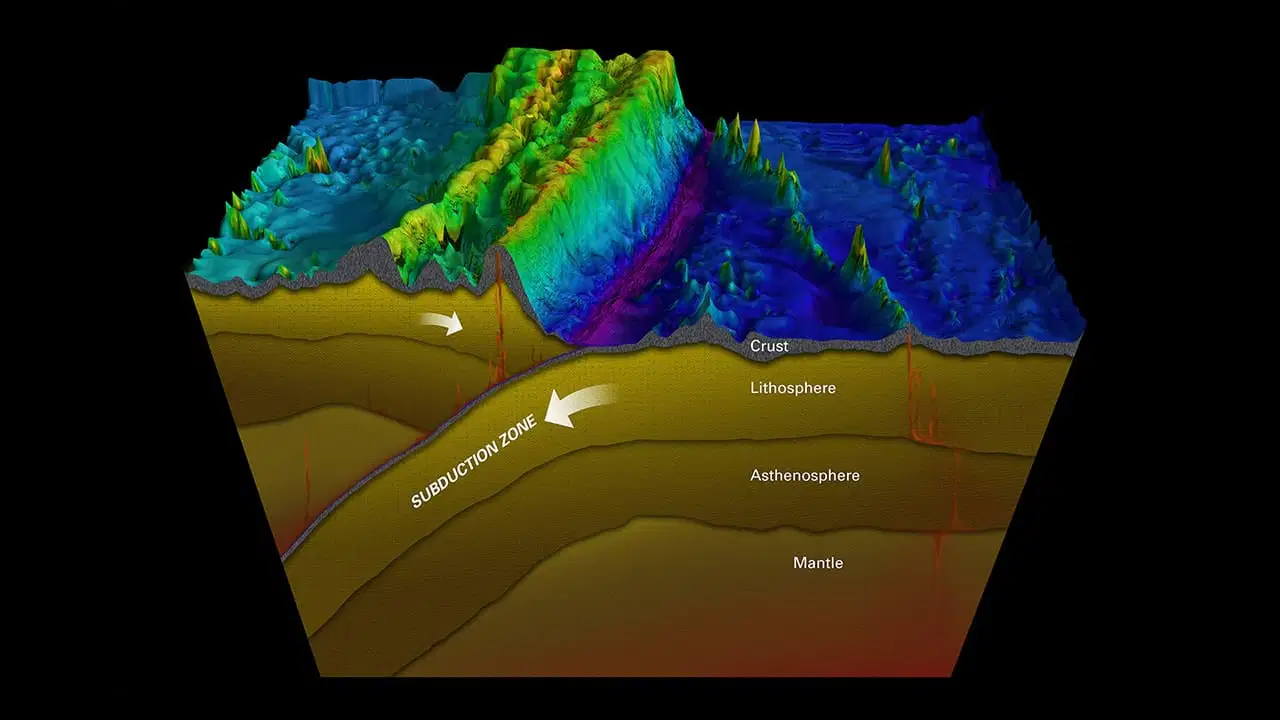
Oceanic Trenches are formed at (a) plate boundaries
Transform
Divergent

A fault zone is formed by the movement of a _______________ plate boundary
Transform
Convergent
Divergent
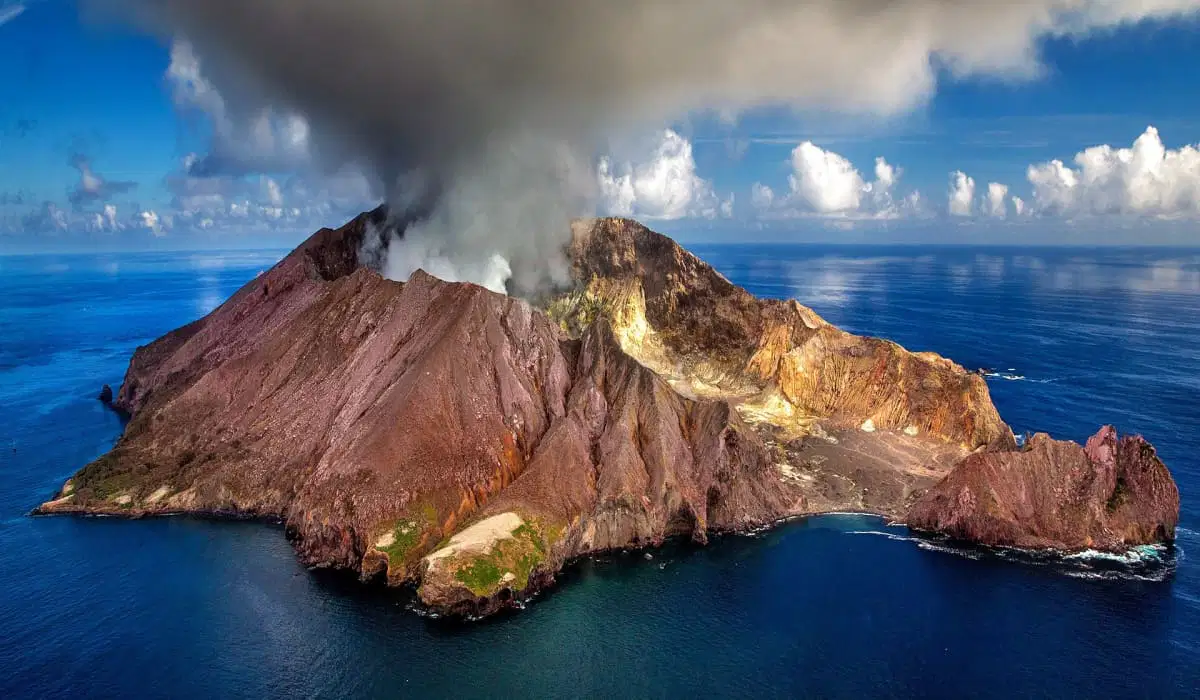
Volcanic Islands can from magma which is pushed up at a plate (a) boundary
Divergent
Transform
Convergent

Folded Mountains are created when....
Two continental plates collide
Two oceanic plates pull apart
An Oceanic plate subducts under a Continental Plate
Two continental plates pull apart

The Great Rift Valley in Africa and the Mid-Ocean Ridge were all created by a (a) boundary.
Transform
Convergent

Name this boundary
Divergent
Transform
Convergent
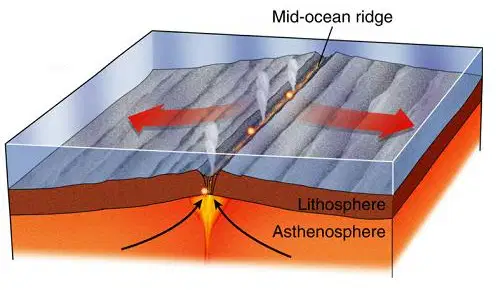
What are mid-ocean ridges?
underwater waterfalls
underwater rocks
underwater mountains with volcanic activity
underwater cliffs

Which plate subducts at a continental - oceanic convergent boundary
oceanic
continental
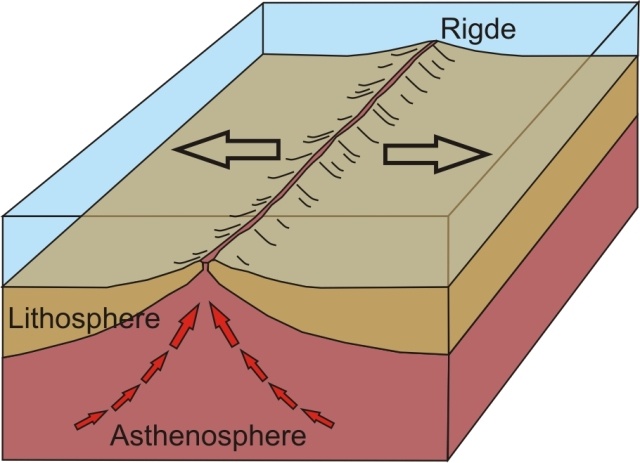
What kind of plate boundary is shown here?
divergent
convergent
transform
subducting

What kind of plate boundary is shown here?
divergent
convergent
transform
submergent
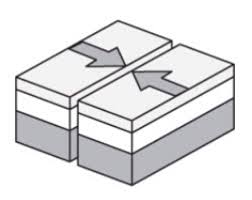
Name the boundary
convergent boundary
divergent boundary
transform boundary
sergent boundary
A sudden shaking of Earth's surface?
Tsunami
Volcano
Earthquake
A mesosaurus walking by
Earth's plates are...
constantly moving and changing the face of the earth
Never moves
Moves seldom and very fast
Moves when it feels like it
The area where two or more plates meet is called a __________________.
fault
plate boundary
plate edge
ring of fire
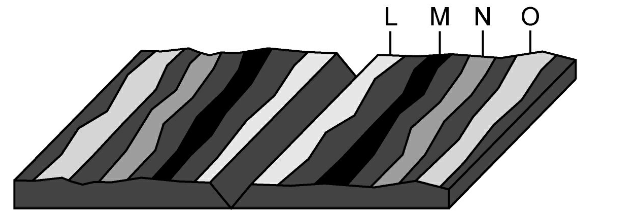
Where would the oldest rock be found?
L
M
N
O
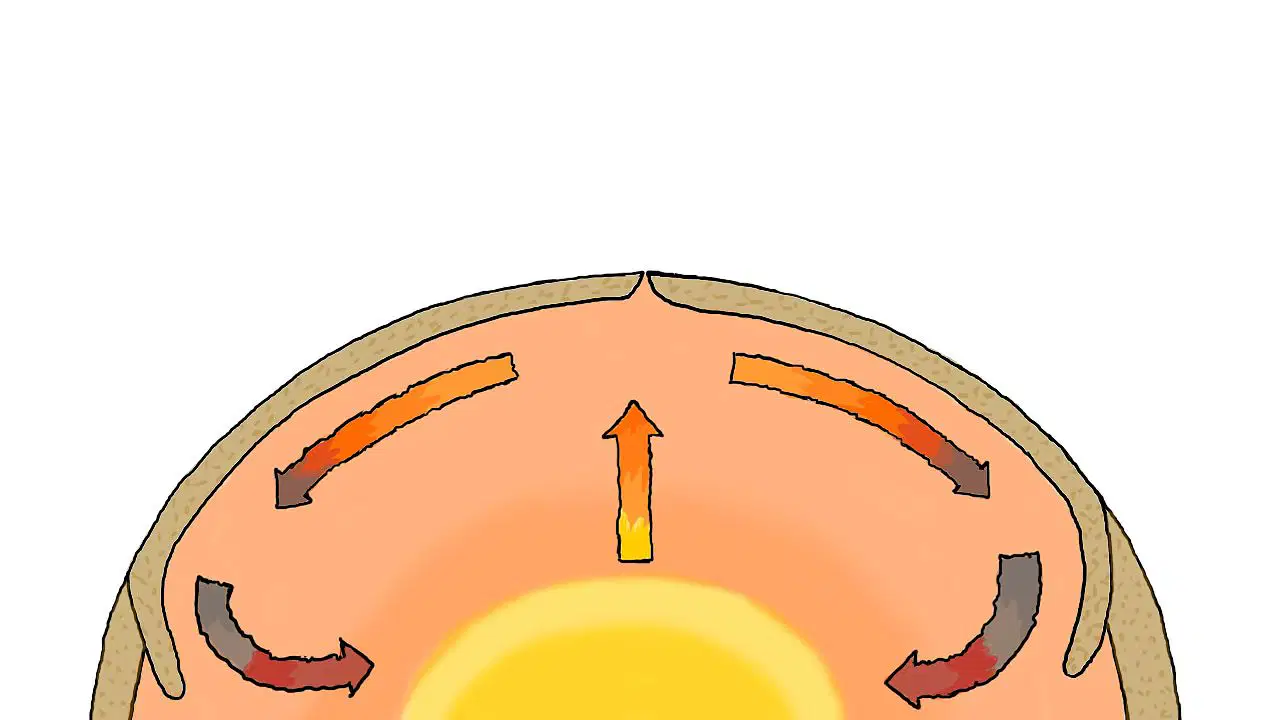
Which layer of the Earth does convection occur in?
Inner Core
Mantle
Crust
Outer Core

What is A?
ocean trench
mid-ocean ridge
volcano
rift valley

The San Andreas Fault, where strong earthquakes occur, is an example of a
convergent boundary
divergent boundary
transform boundary

The Andes Mountains formed when the Nazca plate and the South American plate:
converged together
diverged apart
transformed

What two crustal features are created when a oceanic crust collides with a continental crust? (Select TWO)
ocean trench
underwater volcanoes
volcanic mountain range
mid-ocean ridges

Which letter corresponds with the oldest rock?
A
B
Neither
Both

Which letter corresponds with the NEWEST rock?
A
B
Both
Neither

What is the law of superposition?
Oldest rocks are at the bottom and youngest rocks are at the top
Rocks are arranged by color
Youngest rocks are at the bottom and oldest rocks are at the top
The law of superposition does not apply to rocks


Which of the following orders the rock layers accurately from oldest to youngest?
1, 2, 3, 4, 5
5, 4, 3, 2, 1
2, 3, 4, 5, 1
1, 2, 3, 5, 4

Which of the following occurred relatively most recently?
Fault A
Intrusion B
Folding
Intrusion D


Which rock layer was deposited first, and is the oldest rock, in this diagram?
B
C
D
E

What is the youngest layer in the diagram?
A
B
C
D

Look at the diagram, what layer did animal E first show up in?
Layer #4
Layer #5
Layer #6
Layer #8


Which of the following answer choices happened most recently?
Deposition of Units E and F
Deposition of Units A and B
Tilting of Units C, D, E, and F
Deposition of Units C and D
The ______________________ states that each rock layer or strata is older than the one above it.
Law of Superposition
Law of Relative Age
Theory of Superposition


What is this showing?
groundwater
watershed
runoff

The boundaries of a watershed are determined by ___________
Elevation
Soil type
The amount of water that flows
The kinds of organisms found in the area
All water below the surface of land is called__________.
water table
watershed
groundwater
runoff

What are the 3 key parts of the water cycle?
Evaporation, Precipitation, Gravity
Evaporation, Condensation, Precipitation
Trees, Rivers, Clouds

The type of water that we need to survive; sources of it include rain, lakes, rivers, and aquifers.
water vapor
salt water
fresh water
There is nothing humans can do to stop water pollution.
True
False

What step of the water cycle occurs when clouds become too heavy and release the water?
As water evaporates it enters the air as
clouds
rain
water vapor
Precipitation that enters the soil is called
ground water
surface water
runoff water

What is Water Pollution?
Water that is healthy for human and animals to drink and use
When a body of water becomes contaminated with chemicals, waste and other pesticides, making it harmful for animals and humans.
Water that flows in lakes only
Water that comes from mountains and flows into dams and lakes


Less than 3% of the water on earth is ________
salt water
freshwater
ice
polluted

Most of the world's freshwater is found in _________?
ocean
lakes
rivers
glaciers

How do humans negatively affect the availability of water? (Select more than one answer.)
Building dams
Conserve water
Overuse of water for power and agriculture
Recycling plastics
Waste matter or other materials that are introduced into water and that is harmful to organisms that live in, drink or are exposed to the water is called
water pollution
thermal pollution
water quality
water supply
Which statement about water pollution is TRUE?
Pollution only affects surface water.
Pollution cannot be dissolved in water.
Pollution affects both surface and groundwater.
Pollution cannot travel through soil to groundwater.
What is groundwater?
all the bodies of fresh water, salt water, ice, and snow that are found above the ground
the water that is beneath Earth's surface
the area of land that is drained by a river system
a body of rock or sediment that stores groundwater and allows the flow of groundwater

Area of land where surface water and groundwater drains into a river system.
Runoff
Tributary
Wetland
Watershed

When water flows across the surface of the earth it is called?
Watershed
River
Run Off
Rain
Water above Earth's surface is called
tributary
surface water
watershed
groundwater
An area where water trickles down into the ground and reaches the water table and enters an aquifer to replenish the aquifer is called
discharge zone
recharge zone
permeability
porosity
An area where groundwater becomes surface water is called
gradient
porosity
permeability
recharge zone
discharge zone

