
 Worksheets
Unit 4 Test Review: Test Taking Tips
Total questions: 81
Worksheet time: 41mins
According to the Centers for Disease Control and Prevention, how many minutes of physical activity should children and adolescents get every day?
30 minutes
45 minutes
60 minutes
90 minutes
Fill in the blank: The physical activity recommended for children and adolescents should be _______ or vigorous in intensity.
moderate
light
sedentary
minimal
Which organization recommends that children and adolescents get 60 minutes of physical activity every day?
World Health Organization
Centers for Disease Control and Prevention
American Heart Association
National Institutes of Health
Which of the following are examples of physical activities mentioned in the passage? (Select all that apply)
Walking the dog
Playing soccer
Raking leaves
Watching TV
What is the federal recommendation for how many minutes a person should be physically active each day?
10 minutes
30 minutes
60 minutes
120 minutes
There are three levels of physical activity: low/light, moderate, and vigorous. What level(s) of physical activity should you strive for when being active each day?
Only low/light
Only moderate
Only vigorous
A combination of moderate and vigorous
What is one physical benefit of physical activity? Fill in the blank: Physical activity helps in ________ your weight and preventing weight gain.
managing
increasing
ignoring
forgetting
Which of the following is a physical benefit of physical activity?
Reducing your anxiety levels
Managing your weight and preventing weight gain
Helps you meet new friends
Gives you something to do with your friends and family
Fill in the blank: Physical activity helps in reducing your risk of developing ________ diseases.
chronic
infectious
genetic
acute
Which benefit category does 'Improving your immune system' belong to?
Physical Benefits
Mental and Emotional Benefits
Both A and B
Social Benefits
Fill in the blank: Physical activity helps in increasing your ________ strength.
muscle
bone
mental
visual
Which of the following is a mental and emotional benefit of physical activity?
Building healthy bones
Reducing your anxiety levels
Improving your balance and coordination
Reducing your risk of falls and accidents among older people
Fill in the blank: Physical activity helps in improving your ________ and coordination.
balance
height
weight
vision
Which benefit category does 'Helps you meet new friends' belong to?
Physical Benefits
Mental and Emotional Benefits
Social Benefits
None of the above
Fill in the blank: Physical activity helps in increasing your energy and/or ________.
stamina
weight
stress
laziness
Which of the following is a physical benefit of physical activity?
Improving your reaction time
Reducing your stress levels
Helps you meet new friends
Gives you something to do with your friends and family
Fill in the blank: Physical activity helps in building healthy ________.
bones
cars
computers
books
Which benefit category does 'Reducing your risk of falls and accidents among older people' belong to?
Physical Benefits
Mental and Emotional Benefits
Social Benefits
None of the above
Fill in the blank: Physical activity helps in reducing your ________ levels (mental and emotional benefit).
anxiety
hunger
height
vision
Which of the following is a social benefit of physical activity?
Reducing your risk of developing chronic diseases
Improving your immune system
Gives you something to do with your friends and family
Improving your reaction time
Identify two physical benefits of being physically active.
Improved cardiovascular health and stronger muscles
Better eyesight and increased height
Darker hair and lighter skin
Slower reaction time and weaker bones
Identify a mental/emotional benefit of being physically active.
Improved mood
Increased risk of illness
Decreased energy
Poor sleep quality
Identify a social benefit of being physically active.
Improved teamwork skills
Increased muscle mass
Better eyesight
Lower cholesterol
Which component of physical fitness is defined as the ability of the body's circulatory and respiratory system to supply fuel and oxygen during a sustained period of time? Examples include running, biking, swimming, soccer, and more.
Cardiorespiratory Endurance
Muscular Strength
Flexibility
Body Composition
Which component of physical fitness is defined as the amount of force a muscle can exert, typically in a one-time burst of effort? Examples include doing martial arts and weightlifting (activities like deadlifts).
Muscle Strength
Cardiovascular Endurance
Flexibility
Muscular Endurance
Which component of physical fitness is defined as the ability of your muscles to do their job over a period of time without becoming tired? Examples include weightlifting (more repetitive movements), sit-ups, push-ups, pull-ups, pilates, and more.
Muscle Endurance
Flexibility
Cardiovascular Endurance
Body Composition
Which component of physical fitness is defined as the ability to move the muscles and joints easily through a full range of motion? Examples include gymnastics, yoga, dance, toe touches, and more.
Flexibility
Strength
Endurance
Balance
Which component of physical fitness is defined as the ratio of body fat to lean body mass (including muscles, bones, water, and connective tissues)? Any physical activity can address this component.
Body Composition
Cardiorespiratory Endurance
Muscular Strength
Flexibility
Someone wants to improve their cardiorespiratory endurance. Which of the following is an activity they could do to improve in this area?
Jogging
Weight lifting
Yoga
Chess
Someone wants to improve their muscle strength. What is one activity they could do to improve in this area?
Running
Weightlifting
Reading
Painting
Someone wants to improve their muscle endurance. What is one activity they could do to improve in this area?
Running
Reading
Painting
Sleeping
Someone wants to improve their flexibility. What is one activity they could do to improve in this area?
Running
Weightlifting
Yoga
Cycling
Someone wants to improve their body composition. What is one activity they could do to improve in this area?
Running
Watching TV
Sleeping all day
Eating junk food
What is the definition of Physical Activity?
Actions that involve moving your body. These are not structured movements - just spontaneous movement.
Planned and structured body movements.
Exercise where muscles hold a position.
Exercise that uses a special machine.
Aerobic exercise is best described as:
Short bursts of movement that rely on stored energy in a muscle.
Repeated physical activity that uses your arms and/or legs over a longer period of time. For example, walking.
Exercise where muscles hold a position.
Exercise that uses a special machine.
Anaerobic exercise involves:
Long periods of movement using arms and legs.
Short bursts of movement that rely on stored energy in a muscle. For example, sprinting or deadlifts.
Exercise where your muscle moves through a range of motion.
Exercise that uses a special machine.
Exercise is defined as ________ body movements.
planned and structured
random and unplanned
slow and irregular
automatic and involuntary
Isometric exercise is:
Exercise where muscles hold a position. For example, a plank or wall sit.
Exercise where your muscle moves through a range of motion.
Exercise that uses a special machine.
Repeated physical activity that uses your arms and/or legs over a longer period of time.
Isotonic exercise is:
Exercise where muscles hold a position.
Exercise where your muscle moves through a range of motion. For example, squats, push-ups, and sit-ups.
Exercise that uses a special machine.
Short bursts of movement that rely on stored energy in a muscle.
Isokinetic exercise is:
Exercise where muscles hold a position.
Exercise where your muscle moves through a range of motion.
Exercise that uses a special machine. The machine forces the person to move. This is most often used in physical therapy situations.
Repeated physical activity that uses your arms and/or legs over a longer period of time.
Match the type of exercise to its definition:
Exercise where muscles hold a position.
Isometric
Exercise where your muscle moves through a range of motion.
Isotonic
Exercise that uses a special machine. The machine forces the person to move.
Isokinetic
Which type of exercise best matches this image: For students with visual impairments, image an individual progressing through a push-up.
Aerobic
Anaerobic
Isometric
Isotonic
Isokinetic

Which type of exercise best matches this image: For students with visual impairments, image is an individual doing a plank.
Aerobic
Anaerobic
Isometric
Isotonic
Isokinetic

Which type of exercise best matches this image: For students with visual impairments, image is two people biking.
Aerobic
Anaerobic
Isometric
Isotonic
Isokinetic

What is the ability to quickly change the direction or position of your body? Soccer and Football are examples because you move with the ball.
Power
Agility
Speed
Balance
Which fitness skill is a combination of strength and speed? Pitching is an example because you not only need to use your strength for the throw, but a wind up will help the ball go to the mound better.
Power
Coordination
Reaction Time
Balance

What is the ability to perform a set of movements with proper rhythm and sequencing? Juggling and Dance are examples because you must move in a rhythm or pattern.
Speed
Coordination
Agility
Power

What is the ability to maintain your equilibrium against the force of gravity (or stay up when moving or still)? Biking is an example because you need to stay up without training wheels.
Balance
Power
Agility
Reaction Time
What is the length of time it takes you to respond to a stimulus? Sports like boxing and dodgeball are examples because you must react to a person or object.
Speed
Reaction Time
Power
Coordination
What is the ability to move quickly? Running is an example because you need to move quickly to reach your destination.
Speed
Agility
Balance
Power
For the fitness skill 'Agility', which of the following sports or activities best represents or includes agility?
Running a marathon
Playing soccer
Weightlifting
Swimming laps
For the fitness skill 'Balance', which of the following sports or everyday activities best aligns with this skill?
Reading a book
Walking on a balance beam
Typing on a computer
Watching television
For the fitness skill 'Coordination', which of the following sports or activities best represents this skill?
Juggling
Reading a book
Listening to music
Sleeping
For the fitness skill 'Power', which of the following sports or activities best represents or includes power?
Long jump
Yoga
Marathon running
Chess
For the fitness skill 'Reaction Time', which of the following sports or activities best represents this skill?
Reading a book
Playing table tennis
Walking in a park
Painting a picture
For the fitness skill 'Speed', identify which of the following sports or everyday activities best aligns with this skill.
Running a 100-meter sprint
Playing chess
Painting a picture
Reading a book
Fill in the blank: Internal influences are items that are within your mind that can impact your _______.
choices
height
location
weather
Fill in the blank: External influences are factors outside of your person that can impact your _______.
choices
height
age
fingerprints
Which type of influence is 'How much you know about physical activity'?
Internal
External
Which type of influence is 'Your lifestyle– what can you afford to do?'
Internal
External
Which type of influence is 'Your likes and dislikes'?
Internal
External
Which type of influence is 'Your experiences'?
Internal
External
Which type of influence is 'How you feel about yourself'?
Internal
External
Which type of influence is 'Your family, friends, peers, teachers, and role models'?
Internal
External
Which type of influence is 'Media messages on the Internet, on television, on the radio, etc.'?
Internal
External
Which type of influence is 'Your cultural background'?
Internal
External
Which type of influence is 'The community or environment where you live'?
Internal
External
Which of the following are internal influences on your physical activity habits?
Family support and peer pressure
Motivation and self-confidence
School facilities and weather
Community programs and equipment
Which of the following is an external influence on your physical activity habits?
Personal motivation
Family support
Self-discipline
Goal setting
Clothing should follow the 3 C’s: Comfort, Climate, and _________?
Cleanliness
Color
Cost
Cotton
Which of the following is NOT one of the 3 C’s for clothing during physical activity?
A) Comfort
B) Climate
C) Cleanliness
D) Color
Socks prevent ________ and absorb perspiration.
blisters
sunburn
headaches
tooth decay
To protect yourself from the sun, you should: (Select all that apply)
Cover up with clothing
Wear a hat with at least a 2-3 inch brim
Regularly apply sunscreen with SPF 15 or higher
Wear sunglasses that block 99-100% of the sun’s UV rays
Only go outside at night
You should apply sunscreen at least _______ minutes before going into the sun.
30
5
10
60

For athletic shoes, you should look for a sole at least a ______ inch higher at the heel than toe.
½ (half)
1 (one)
¼ (quarter)
2 (two)
Which of the following is NOT a recommended feature for athletic shoes?
Good arch support
A firm heel cup
High heels
A smooth, cushioned inside
Warming up and cooling down will reduce your risk of ______ when active.
injury
fatigue
dehydration
boredom
You should warm up for ______ minutes before any strenuous activity.
5-10
1-2
15-20
25-30
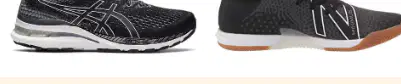
Based on the characteristics of shoes that we discussed in this unit, which is best for physical activity and why?
Running shoes, because they provide good support and cushioning.
Dress shoes, because they are stylish and formal.
Sandals, because they are open and breathable.
Boots, because they are durable and heavy.
What is the minimum recommended SPF for individuals?
SPF 5
SPF 15
SPF 30
SPF 50
The time range for how long an individual should warm up and cool down for is:
1-2 minutes
3-5 minutes
5-10 minutes
15-20 minutes

