
Font size
 Worksheets
sources of light and reflection
Total questions: 86
Worksheet time: 2hrs 42mins

The picture here is an example of...
phosphorescence
chemiluminescence
bioluminescence
luminescence

The sun is an example of a ________ light source
Combustion
Luminous
Chemical
Non-luminous

All of the following are luminous sources of light except ______________
the sun
a light bulb
fire
the moon
Which of the following are luminous sources of light?


What is the main reason incandescent light bulbs are considered inefficient?
They produce too much light.
They convert a large percentage of electricity into visible light.
They convert only 5-10% of electricity used into visible light, the rest is wasted as heat.
They are filled with mercury and argon gases.
Which type of light production occurs when a gas glows due to an electric current passing through it?
Incandescence
Phosphorescence
Electric Discharge
Chemiluminescence
What is phosphorescence?
Light produced by high temperatures.
Light produced by a chemical reaction without heat.
Light produced by absorbing UV light and slowly emitting it as visible light.
Light produced by living organisms.
What is the difference between fluorescence and phosphorescence?
Fluorescence occurs in living organisms, while phosphorescence does not.
Fluorescence immediately emits absorbed UV light as visible light, while phosphorescence emits it slowly.
Phosphorescence is a type of electric discharge, while fluorescence is not.
Fluorescence produces light from high temperatures, while phosphorescence does not.
Which of the following is an example of chemiluminescence?
A light bulb glowing due to an electric current.
A glow stick emitting light after being broken.
A jacket glowing in the dark after being exposed to sunlight.
A tube light filled with mercury and argon gases.
What is bioluminescence?
Light produced by high temperatures in living organisms.
Light produced by absorbing and slowly emitting UV light in living organisms.
Light produced by a chemical reaction without heat in living organisms.
Light produced by an electric discharge in living organisms.
What is triboluminescence?
The production of light when an electric current is passed through a semiconductor material
The production of light when certain crystals are scratched, crushed, or rubbed together
The emission of electromagnetic waves at the same wavelength and direction
The process of saving energy and staying cooler in light bulbs
What is electroluminescence?
The production of light when certain crystals are scratched, crushed, or rubbed together
The emission of electromagnetic waves at the same wavelength and direction
The production of light when an electric current is passed through a semiconductor material
The process of saving energy and staying cooler in light bulbs
Which of the following is an example of electroluminescence?
Incandescent light bulbs
Biting wintergreen lifesavers
Light-Emitting Diode (LED)
Laser light
What are the advantages of LEDs over incandescent and CFL bulbs?
They emit light at exactly the same wavelength
They are used in laser pointers
They save energy, last longer, and stay cooler
They have no real practical application
Why should you never look directly into a laser beam?
Because it can damage your eyes
Because it is less intense than other light sources
Because it emits light at many different wavelengths
Because it is used in traffic lights

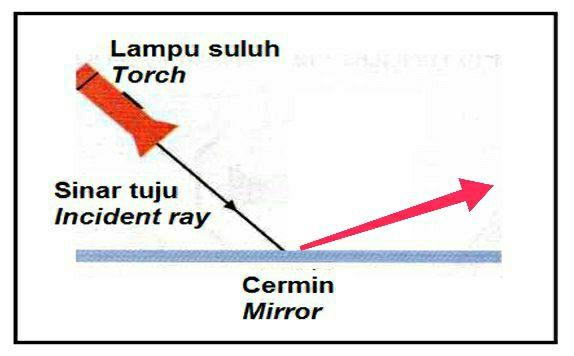
Diagram shows a phenomenon occurs when the spotlight is directed onto a mirror surface. What is the principle of light shown in the situation?
Light travels in a straight line
Refraction of light
Reflection of light
Light travels in parallel
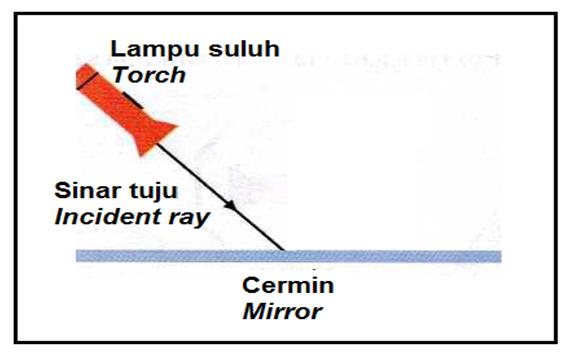
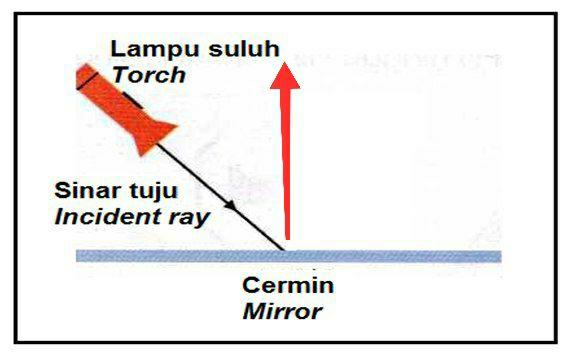
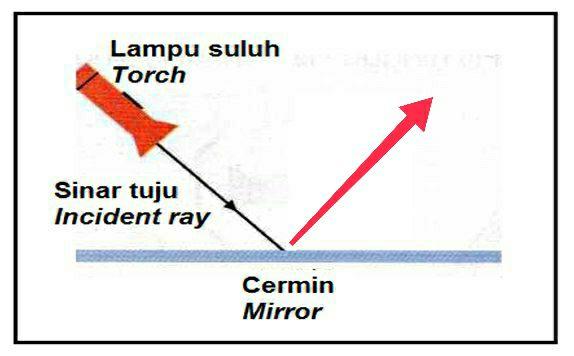
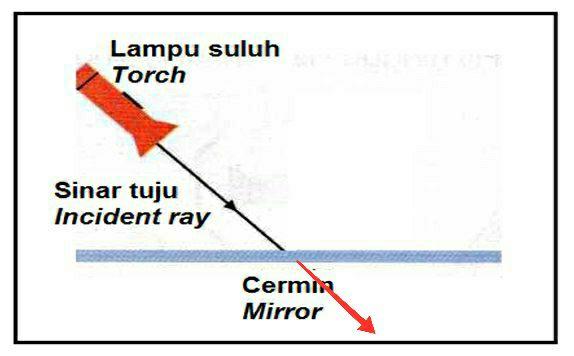
The following diagram shows the ray diagram when a torch light is torched towards a mirror. Which of the following is the correct reflected ray?

The following diagram shows a driver who could see the image of a vehicle behind him without turning his back.
Why?
Light travels in a straight line
Light is refracted
Light is reflected
Light travels in two different mediums
Tick the correct of TWO devices which use the principle of light reflection in our daily lives.


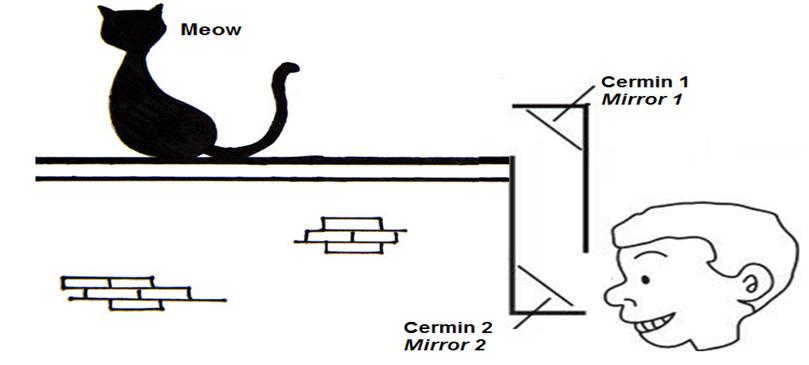
Ariff is watching a cat on a wall using a periscope. Which of the following is the correct reflected ray diagram in the periscope? Tick the correct answer.
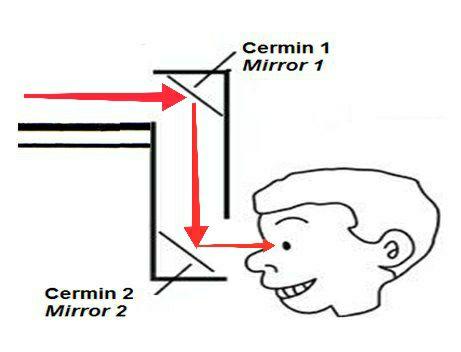
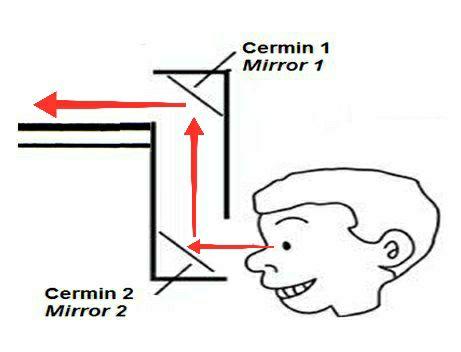
None
None


This type of light produced when ultraviolet light is absorbed and then reflected in longer wavelengths.
incandescent
bioluminescent
phosphorescent
fluorescent
This kind of light is formed by objects without getting hot:
Incandescence
Iridescence
Luminescence
Friction
Light produced by an object due to being a very high temperature is called
fluorescent
electric discharge
incandescent
triboluminescence
The picture here is an example of...
phosphorescence
chemiluminescence
bioluminescence
luminescence
What does LED stand for
Light Exiting Daylight
Luminous Emitter Dark
Light Emitting Diode
Light Englowing Damper
T/F: Bioluminescence is light produced by a living organism.
True
False
Glow sticks use ____ to produce light
Fire
Chemical reactions
Heat
Fluorescence
A "glow in the dark" sticker glows because of _____
Fluorescence
Phosphorescence
Incandescence
Bioluminescence
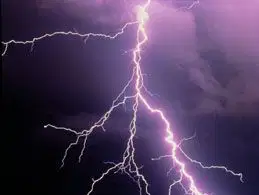
Lightning is an example of:
Fluorescence
Electric Discharge
LED
Bioluminescence

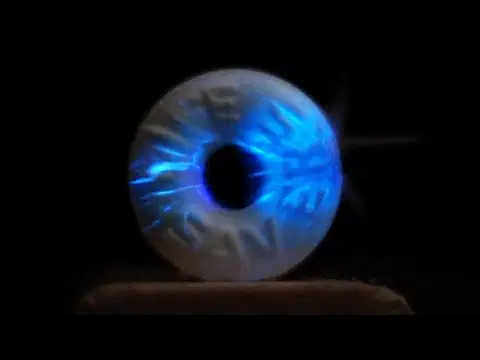
The image shown here is an example of:
Phosphorescence
"Glow in the Dark"
Radioluminescence
LED
Light caused by friction is called:
Phosphorescence
Fluorescence
Triboluminescence
Incandescence
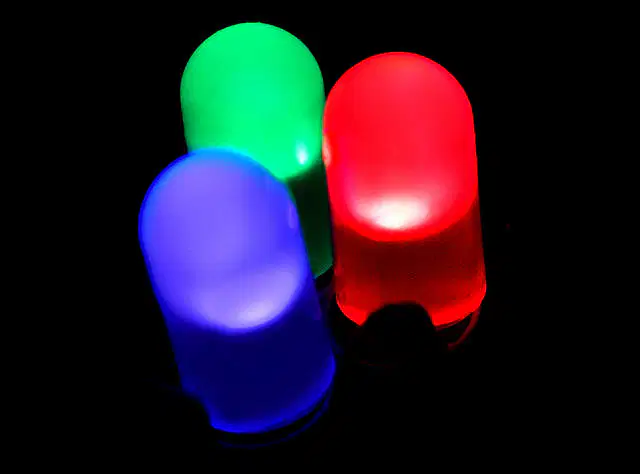
LEDs produce light as a result of:
an electric current passing through a semi-conductor
chemical reactions
heat
friction
Light caused by friction is called:
Phosphorescence
Fluorescence
Triboluminescence
Incandescence

This is an example of
Luminescence
Incandescence
Bioluminescence
Phosphorescence
Which of these is a source of light?


One of these is not a source of light


This type of light if produced when ultraviolet light is absorbed:
incandescent
bioluminescent
phosphorescent
flourescent
One advantage that fluorescent tubes have over incandescent bulbs is that:
The fluorescent tubes are cooler because they use less thermal energy.
The fluorescent tubes have toxic components.
Incandescent bulbs are less expensive to make.
Incandescent bulbs are brighter.
When a light ray hits a transparent object it:
Travels straight through it.
Is scattered by the object into different directions.
It moves around the object.
It is reflected back and casts a shadow.
When a light ray hits a translucent object it:
Travels straight through it.
It travels through it but some light is scattered.
Travels around the object.
Is reflected back and casts a shadow.

Which of the following has the longest wavelength?
microwaves
UV rays
Infrared
Gamma rays

Which of the following has the most energy?
Red
Blue
Green
Yellow

Which of the following has the most energy?
X-rays
The color green
Microwaves
Infrared

Which of the following has the shortest wavelength?
Infrared
The color Indigo
Infrared
TV

Which of the following has the least amount of energy?
UV rays
The color yellow
Radio waves
Gamma rays

Which of the following has the longest wavelength?
Gamma rays
The color blue
TV
Infrared


Which color has the longest wavelength?
Yellow
Red
Green
Purple

Which of the following is not in the electromagnetic spectrum?
Light waves
Sound waves
Radio Waves
X-rays

In which list are forms of electromagnetic energy arranged in order from longest to shortest wavelength?
Microwave -> Radio wave -> Infrared rays
Visible light -> x-ray -> radio wave
Microwave -> infrared -> visibile light
Infrared -> radio wave -> ultraviolet
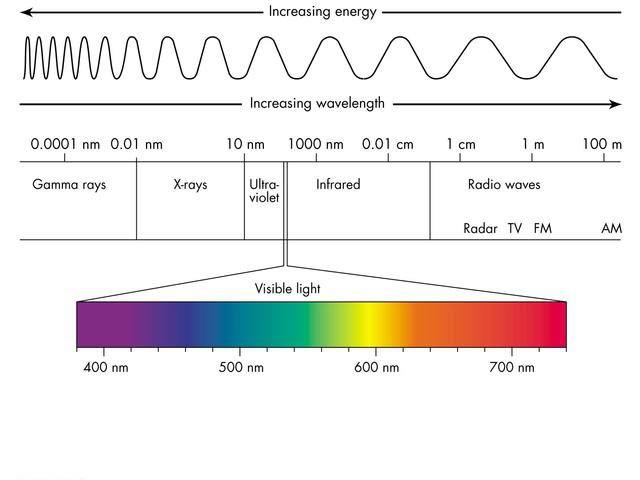
What is the correct order of the visible light spectrum starting with the longer wavelength?
Red, yellow, orange, blue, violet, indigo
Violet, indigo, blue, green, yellow, orange, red
Green, yellow, blue, indigo, red, orange
Red, orange, yellow, green, blue, indigo, violet
The energy pathway for an incandescent source is:
Visible light becomes electrical energy which then becomes thermal energy.
Thermal energy becomes visible light energy which then becomes electrical energy.
Electrical energy becomes thermal energy which then becomes visible light energy.
Electrical energy becomes visible light energy which then becomes thermal energy.
When a light ray hits an opaque object it:
Goes straight through it.
Becomes lots of smaller rays of light.
Moves around the object.
Is reflected back by the object.
A bright object that does not produce light is termed...
luminous
non-luminous
chemiluminous
What does LED stand for
Light Exiting Daylight
Luminous Emitter Dark
Light Emitting Diode
Light Englowing Damper
The picture here is an example of...
phosphorescence
chemiluminescence
bioluminescence
luminescence
Light produced by an object due to being a very high temperature is called
fluorescent
electric discharge
incandescent
triboluminescence
This type of light produced when ultraviolet light is absorbed and then reflected in longer wavelengths.
incandescent
bioluminescent
phosphorescent
fluorescent
Hot air rising is an example of...
radiation
conduction
convection
What type of energy does not require a material to move through?
Radiation
Conduction
Convection


Which type of waves are used in broadcasting?
infrared rays
X-rays
radio waves
gamma rays

Which electromagnetic waves are used in devices such as heat lamps & TV remote controls?
Ultraviolet Rays
Microwaves
Infrared Rays
Gamma Rays

Which section of the spectrum is the ONLY one we can see?
Ultraviolet Rays
Gamma Rays
X-Rays
Visible Light

Electromagnetic waves that help your body produce vitamin D are called?
Ultraviolet rays
X-rays
Radio waves
Gamma rays

Select the correct order of waves on the EMS from the longest wavelength to the shortest wavelength
Radio, Micro, Infra, Visible, Ultra, X-ray, Gamma
Gamma, X-ray, Ultra, Vis, Infra, Micro, Radio
Vis, Micro, Infra, Ultra, X-ray, Gamma, Radio
Micro, Radio, Vis, Infra, Ultra, X-ray, Gamma
amplitude

